The 2026 SPOTY Recipients
The selection process for the 2026 awards was rigorous, involving an extensive evaluation by J. J. Keller’s internal team of safety and compliance experts. Candidates were judged based on their strategic contributions to workplace safety culture, their ability to implement innovative compliance programs, and their proven impact on reducing workplace incidents.

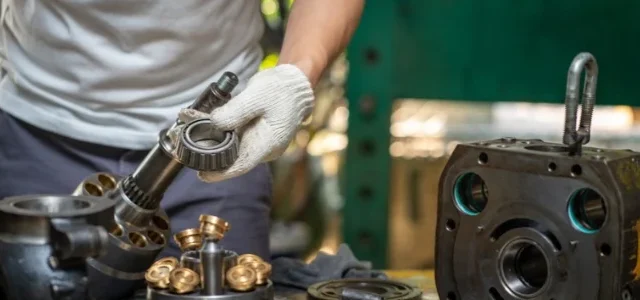
Crystal Donaldson, serving as the safety manager at Advanced Blending Solutions in Wallace, Michigan, was honored in the small-business category. Her work at the specialized equipment manufacturer highlights the efficacy of hands-on safety management in high-hazard environments.
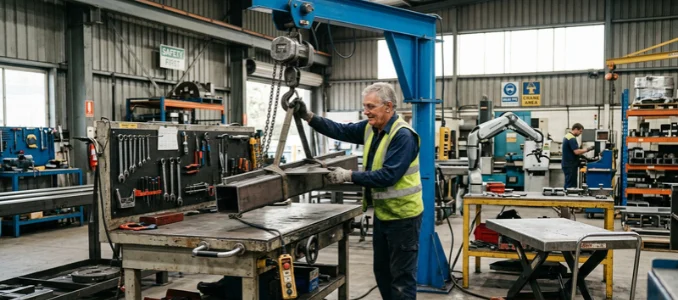
Kathi Porter, an industrial demolition safety officer at B&B Wrecking and Excavating in Cleveland, Ohio, received the midsize-business award. Porter’s role involves navigating the extreme physical risks associated with structural demolition, a sector where the margin for error is razor-thin and the regulatory requirements are particularly stringent.
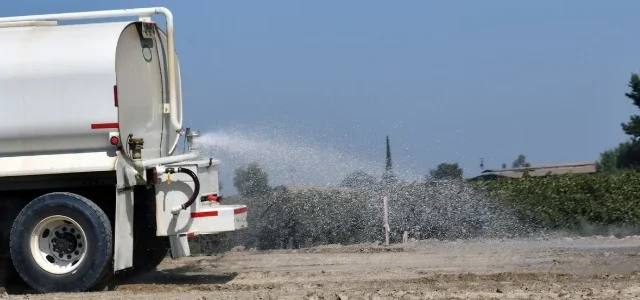
Carla Andrews, who manages safety and dangerous goods at FedEx Logistics in Memphis, Tennessee, was recognized in the large-business category. Her leadership in managing global safety standards and the complex regulations governing the transport of dangerous goods underscores the operational scale and precision required in modern logistics safety.

Historical Context and Evolution of the Awards
The J. J. Keller Safety Professional of the Year awards were established to address the critical need for formal recognition of professionals who often operate behind the scenes. In the early 2000s, safety management was frequently viewed solely as a reactive cost-center. However, as the Occupational Safety and Health Administration (OSHA) and international standards organizations have evolved, the role of the safety professional has shifted toward a proactive, data-driven methodology.
The SPOTY program was designed to capture this evolution. By categorizing winners by company size, J. J. Keller acknowledges that the challenges faced by a small business with limited resources differ significantly from those managed by a multinational logistics firm. Over the past decade, the program has evolved from a simple recognition effort into a benchmark of industry excellence, with previous winners often cited as thought leaders in the broader occupational health and safety community.
The Selection Process: A Data-Driven Approach
The journey to the 2026 awards began months prior to the announcement. The selection cycle followed a structured timeline:

- Nomination Phase: Employers, peers, and industry colleagues submitted nominations detailing specific safety initiatives and metrics.
- Application Review: Nominees submitted comprehensive portfolios highlighting their safety track records, training protocols, and incident reduction statistics.
- Executive Interview: Finalists participated in structured interviews with J. J. Keller’s senior safety consultants, who probed the candidates on their approach to complex regulatory challenges and their ability to foster a culture of safety.
This multi-tiered process ensures that the awards are not merely popularity contests, but are instead reflective of tangible, measurable achievements. By incorporating interviews, the committee was able to gauge the leadership philosophies of the nominees, ensuring that the winners possess both technical expertise and the soft skills necessary to drive safety adoption among the workforce.
The Critical Importance of Safety Management
The industry context in which these professionals operate is currently defined by significant shifts in workforce demographics and technological integration. According to Bureau of Labor Statistics (BLS) data, the manufacturing, construction, and logistics sectors continue to report some of the highest rates of workplace injuries. The work performed by Donaldson, Porter, and Andrews serves as a critical bulwark against these statistics.
For small businesses like Advanced Blending Solutions, the challenge is often a lack of dedicated safety infrastructure. Donaldson’s success suggests that targeted, high-engagement training programs can overcome resource limitations. In the midsize sector, represented by Porter’s work in demolition, the priority is the management of transient job sites and the mitigation of environmental and structural hazards. Finally, for global organizations like FedEx, managed by Andrews, the focus lies in the standardization of safety protocols across diverse geographical and regulatory environments.

Industry Implications and Future Trends
The recognition of these three professionals also sheds light on the future of the safety profession. Analysis of current industry trends suggests that safety management is increasingly becoming synonymous with digital transformation. The use of safety management software (SMS), predictive analytics, and wearable technology to monitor worker health is becoming standard practice.
The 2026 recipients exemplify a transition toward "Safety 4.0," a philosophy that leverages real-time data to prevent accidents before they occur, rather than reacting after a reportable incident. By honoring leaders who have successfully integrated these modern tools, J. J. Keller is setting a roadmap for the rest of the industry.
Furthermore, the emphasis on regulatory compliance remains a foundational pillar. As supply chains grow more complex and international trade regulations for hazardous materials become more fragmented, professionals like Andrews serve as essential navigators, ensuring that corporate growth does not come at the expense of legal compliance or worker welfare.

Official Responses and Industry Recognition
While individual statements from the winners are often reserved for formal ceremonies, the broader reaction from the safety community has been one of validation. Industry observers note that the selection of winners from diverse sectors—logistics, demolition, and manufacturing—reflects the universality of safety principles.
Representatives from J. J. Keller have emphasized that the caliber of the 2026 pool was exceptionally high, suggesting that safety professionals are increasingly becoming central to corporate strategy rather than peripheral to it. This shift in the corporate hierarchy, where safety leaders have more direct access to executive decision-making, is a trend that many experts believe will continue to lower accident rates across the U.S. economy.
Looking Ahead: The 2027 Cycle
The conclusion of the 2026 awards season marks the beginning of preparations for the next cycle. For the safety industry, the spotlight remains on continuous improvement. As new hazards emerge—ranging from the physical risks associated with automation and robotics to the psychological challenges of remote work—the role of the safety professional will continue to expand.

The achievements of Donaldson, Porter, and Andrews serve as a reminder that regardless of the scale of the operation, the fundamental elements of safety—education, constant vigilance, and an unyielding commitment to the individual worker—remain the same. As the industry looks toward the coming year, the standards set by these three individuals will undoubtedly serve as a benchmark for safety professionals nationwide.
In summary, the 2026 Safety Professional of the Year awards do more than celebrate three individuals; they validate the critical, often invisible work that keeps the American workforce safe. Through their leadership, these professionals demonstrate that with the right application of policy, technology, and human engagement, the goal of zero workplace injuries remains a tangible objective. As J. J. Keller continues its tradition of recognizing these leaders, the industry moves one step closer to a future defined by proactive protection rather than reactive correction.