

A Chronology of Onset and Initial Impact
Tinnitus is rarely a standalone disease; it is frequently a symptom of an underlying condition. In Moorley’s case, the onset occurred during her late teens, coinciding with a period of significant physiological stress caused by a severe toothache. The sudden emergence of a persistent ringing in both ears presented as an acute sensory shock. For an 18-year-old, the psychological implications were immediate. The inability to control the auditory sensation led to a state of heightened anxiety and a feeling of being trapped within one’s own head.

In the early stages, the condition manifested as more than just a sound; it disrupted basic biological functions. Sleep deprivation became a primary consequence, leading to chronic fatigue, which in turn exacerbated the perceived volume of the tinnitus. This creates a feedback loop often documented in clinical literature: stress increases the intensity of the tinnitus, which then creates more stress, leading to a diminished ability to cope with daily responsibilities. For Moorley, working in the high-energy environment of a day nursery, these symptoms were particularly disruptive, making it difficult to maintain the emotional regulation and stamina required for her profession.
Clinical Context and the Role of Cognitive Behavioral Therapy
The medical community’s response to tinnitus has evolved significantly over the past two decades. Historically, patients were often told to "learn to live with it," a dismissive approach that contributed to the mental health crises now commonly associated with the condition. Moorley’s experience reflects this era of inadequate support, where she struggled to find healthcare professionals who could offer more than basic diagnostic information.
However, the integration of Cognitive Behavioral Therapy (CBT) into tinnitus management has proven to be a turning point for many patients. CBT does not remove the sound, but it fundamentally alters the patient’s reaction to it. By addressing the cognitive distortions—such as the catastrophic thinking that the ringing will never stop or that it signifies a permanent loss of control—patients can begin to habituate to the noise. For Moorley, the transition from feeling overwhelmed to regaining control was facilitated by learning to manage stress, which effectively lowered the sympathetic nervous system’s response to the auditory stimulus.
The Role of Advocacy and Patient Support Networks
Tinnitus UK serves as a critical bridge between medical research and the patient experience. The organization provides, among other resources, a helpline that serves as a triage point for those in distress. For many, the first step toward recovery is the realization that their condition is not unique. According to public health data, roughly 10% to 15% of the adult population experiences some form of persistent tinnitus. Despite this high prevalence, the isolation experienced by individuals remains a significant hurdle.
By becoming a member of Tinnitus UK, Moorley shifted from a passive patient to an active participant in her own care. Membership organizations provide a structured community where individuals can share validated strategies, reducing the reliance on unverified medical advice found elsewhere. This community aspect is not just social; it is therapeutic. Being part of a group that understands the nuances of "tinnitus fatigue" or the social anxiety of attending concerts and parties allows patients to reclaim their social lives.
Supporting Data: The Scale of the Tinnitus Crisis
The global burden of tinnitus is substantial. The World Health Organization (WHO) and various international audiology associations have highlighted that the lack of standardized treatment pathways remains a global public health concern. In the United Kingdom, Tinnitus UK advocates for increased funding into research, specifically targeting neuroplasticity and potential pharmacological interventions that could one day provide a cure.

Current research is bifurcated into two main streams: those seeking to suppress the sound through neuromodulation or hearing aid technology, and those seeking to improve the psychological management of the condition. While a universal "cure" remains elusive, the success of individuals like Moorley demonstrates that the "management" phase of the condition is highly effective when supported by proper guidance. Data indicates that when patients engage with support groups and psychological counseling, the reported quality of life scores increase significantly within 12 to 18 months of consistent participation.
Broader Implications for Public Health and Workplace Wellness
The impact of tinnitus extends into the workplace, where environmental noise and stress can act as catalysts. For professionals like Moorley, who work in high-demand settings, the condition requires a nuanced approach to workplace accommodations. The ability to return to social activities—such as attending live music events or large gatherings—is a major milestone for many patients. It signifies successful habituation and the restoration of social confidence.
The journey from the onset of symptoms at 18 to her current state of management at 35 highlights a long-term trajectory of adjustment. It underscores the fact that tinnitus is a condition that requires patience and a multi-faceted approach, involving not just medical professionals, but also peer-led organizations.

Future Outlook: Research and Advocacy
The advocacy work performed by Tinnitus UK is aimed at shifting the narrative from "living with the sound" to "treating the condition." By lobbying for more comprehensive clinical support, the organization seeks to ensure that the next generation of patients does not face the same lack of understanding that Moorley encountered.
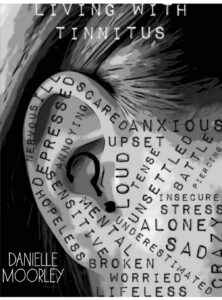
Furthermore, the integration of artistic expression—as seen in the illustrations created by Moorley—is increasingly recognized as a valid form of therapy. Creative outlets allow patients to externalize their internal experience, making the abstract nature of the sound more tangible and manageable. This form of expression is a vital component of the community-based support system that the organization fosters.
Conclusion
Danielle Moorley’s story is an illustrative example of the necessity of community in the management of chronic, invisible health conditions. Her transition from a state of fear and isolation to one of advocacy and personal stability serves as a roadmap for others navigating similar challenges. As research into tinnitus continues to advance, the role of patient membership organizations will remain essential in providing the human connection, emotional support, and evidence-based information required to maintain a high quality of life. For those currently struggling, the message is clear: the condition is challenging, but it is a challenge that can be met, navigated, and managed through the right support systems.