
The transformation of medical practice economics and the healthcare ecosystem is the core issue, not primarily the willingness of individual physicians to serve. A generation ago, physicians routinely participated in emergency department call as a matter of community commitment and hospital partnership. This era was characterized by a different financial reality. Physician reimbursement rates were significantly higher in proportion to practice overhead. The cost of medical education was considerably lower, mitigating the substantial financial burden of years of training. Malpractice exposure, while present, operated within a different legal and financial framework. The opportunity cost associated with dedicating years to specialized training was less severe when compared to the potential earnings and practice stability of the time.
However, the healthcare industry has undergone a seismic shift. Hospitals have consolidated into expansive health systems, leading to a substantial increase in facility fees. Concurrently, these health systems have become significant recipients of both direct and indirect governmental support. This includes substantial funding for graduate medical education, trauma care subsidies, disproportionate share funding for facilities serving vulnerable populations, and tax advantages inherent to their nonprofit status.
In stark contrast, physician professional services reimbursement, especially when adjusted for inflation, has experienced a steady decline. Independent physician practices are increasingly burdened by escalating staffing costs, a labyrinth of regulatory requirements, the pervasive demands of prior authorization, escalating technology expenses, and perpetually shrinking profit margins. This economic squeeze directly impacts the viability of providing services that are not adequately compensated.
The payer mix associated with emergency call has also deteriorated significantly. While the Affordable Care Act (ACA) initially reduced the uninsured rate in 2010, recent modifications to Medicaid enrollment requirements and alterations to enhanced exchange subsidies, as outlined in legislation like HR1, are projected to reverse this trend, potentially increasing the uninsured population. This resurgence places additional uncompensated care pressures not only on hospitals but also directly on physicians. Even among insured patients, the rise of high deductibles and copayments has created a burgeoning underinsured population. This leaves many individuals unable to afford their medical bills, effectively shifting increasing amounts of uncollectable debt onto independent physician practices that are already operating under immense financial strain. Consequently, emergency call coverage can no longer be evaluated through the lens of a medical staff model prevalent in the 1980s or 1990s.
The American Academy of Otolaryngology–Head and Neck Surgery (AAO-HNS) has formally acknowledged this paradigm shift. In a position statement, the organization noted that many otolaryngologists no longer maintain the historical financial relationships with hospitals that once justified uncompensated call coverage. Providing emergency services without direct compensation has become increasingly unsustainable for these practices. This recognition from a leading professional body underscores the systemic nature of the challenge.
The Shift from Physician Duty to Institutional Responsibility
In light of these economic realities, the hypothetical scenario presented by Dr. Holt transcends the realm of individual physician duty and squarely enters the domain of institutional responsibility. The fundamental question becomes: who bears the responsibility for ensuring specialty access for the community?
Today, this responsibility must primarily fall upon hospitals and integrated health systems. These entities are specifically structured, subsidized, and regulated to guarantee community access to essential medical care. The Emergency Medical Treatment and Labor Act (EMTALA), which mandates that Medicare-participating hospitals provide emergency care to individuals regardless of their ability to pay, places direct obligations on hospitals, not on private physician practices. Similarly, trauma designations and the broader mandate of nonprofit community benefit are responsibilities incumbent upon hospitals and health systems.
Sustainable Solutions: Realigning Incentives and Responsibilities
The sustainable solution to the critical issue of emergency call coverage lies not in moral outrage directed at individual specialists, nor should specialists endure moral injury from the hypothetical unanswered phone call. Instead, the solution necessitates a proper alignment between hospitals and physicians, effectively eliminating the need for such a call in the first place.
For physicians in private practice, this alignment is typically achieved through one of two established models:

Pay-for-Call Arrangements
These arrangements involve fair market value compensation provided to physicians for their availability to offer emergency call coverage. This model acknowledges the time, expertise, and inherent risk associated with being on call, ensuring that physicians are remunerated for this critical service. Such compensation reflects the economic realities of maintaining a practice and the demand for specialized emergency care.
Professional Services or Lease Arrangements
In these models, hospitals contract directly with physician groups to provide defined emergency and inpatient coverage responsibilities. This signifies a formal transfer of responsibility for ensuring specialty coverage, with the hospital or health system directly compensating the physician group for their services. These arrangements have become increasingly prevalent nationwide, as they realistically acknowledge the economic factors at play while simultaneously preserving vital patient access to care.
In contexts where physicians are employed by hospitals or health systems, or within academic medical centers, the structure of call coverage is more clearly delineated. In these scenarios, taking call is an integral part of the physician’s employment responsibilities, as explicitly outlined in their employment agreements. This integration of call duties into employment contracts provides a more predictable and financially stable framework for both the physician and the institution.
It is crucial to emphasize that these evolving models do not diminish the inherent professionalism or ethical commitment of physicians. Otolaryngologists, like many specialists, continue to provide indispensable and often life-saving care on a daily basis across the nation. This includes managing critical airways, providing trauma care, controlling hemorrhage, and performing emergency surgical procedures. However, expecting physicians, particularly those in independent practice, to unilaterally absorb the escalating financial and lifestyle burdens of uncompensated emergency care, especially when the economic underpinnings of healthcare have shifted so dramatically, is neither realistic nor sustainable.
The Broader Implications for Community Healthcare Access
The persistent challenge is not a reflection of physicians’ commitment to their communities; their dedication remains steadfast. The true challenge lies in the construction and evolution of healthcare delivery systems that equitably and responsibly share the burden of maintaining emergency access within the complex economic realities of modern healthcare.
The implications of failing to address this issue are far-reaching. A decline in available emergency call coverage can lead to delayed or inadequate care for patients presenting with acute conditions. This can result in poorer patient outcomes, increased morbidity and mortality, and a greater reliance on less specialized care, which may not be appropriate for complex otolaryngological emergencies. Furthermore, the erosion of sustainable practice models for specialists can lead to physician burnout, a decline in the recruitment and retention of skilled practitioners in essential specialties, and ultimately, a reduction in the overall quality and accessibility of healthcare services for the community.
The financial pressures on independent practices, exacerbated by uncompensated call, can force difficult decisions regarding practice closures or mergers, further concentrating healthcare services and potentially limiting patient choice. This economic instability within physician practices directly impacts the continuity of care and the ability of communities, particularly rural or underserved areas, to access specialized medical expertise.
The shift in responsibility towards institutions is not merely a financial transaction; it is a recalibration of how specialized emergency care is integrated into the broader healthcare safety net. Hospitals and health systems, with their greater financial resources, governmental subsidies, and regulatory oversight, are better positioned to absorb the costs and manage the logistics of ensuring 24/7 specialty coverage. By formalizing these arrangements through pay-for-call or professional services contracts, the system acknowledges the value of physicians’ time and expertise, while ensuring that the community’s need for emergency specialized care is met reliably and equitably.
Ultimately, the future of emergency department call coverage, particularly for specialized services, hinges on the willingness of all stakeholders—physicians, hospitals, health systems, and policymakers—to engage in collaborative problem-solving. This requires a clear-eyed understanding of the economic realities, a commitment to equitable burden-sharing, and a focus on building healthcare delivery systems that are both financially sustainable and capable of meeting the critical healthcare needs of all patients, regardless of their socioeconomic status or the urgency of their medical condition. The hypothetical scenario of an unanswered call should serve as a catalyst for systemic reform, not a point of contention.
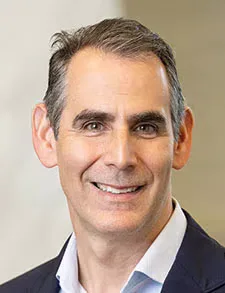
Dr. Neil Hockstein is an otolaryngologist specializing in head and neck surgery. He serves as chair of the Delaware Health Care Commission and holds faculty appointments and leadership positions at ChristianaCare, Thomas Jefferson University, and The Wistar Institute. An active head and neck surgeon, Dr. Hockstein cofounded Parallel ENT & Allergy and currently serves as its chief medical officer.