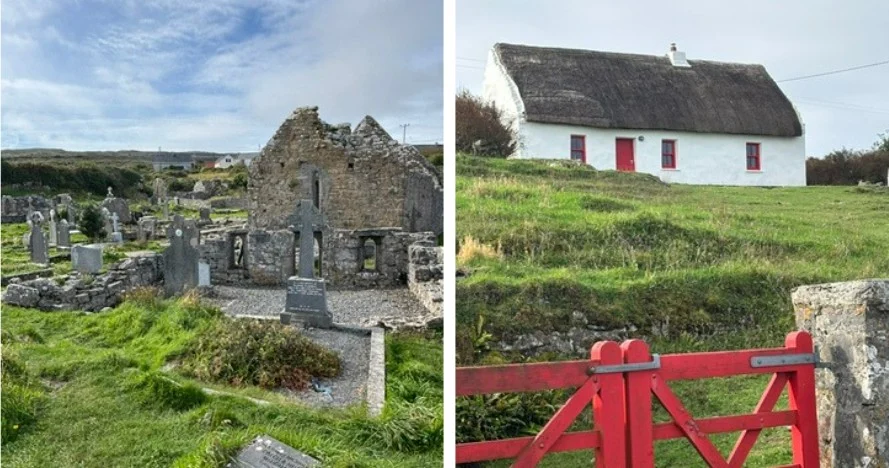
The journey revealed a nuanced success story, attributable to a comprehensive personal toolkit: a hearing aid, cochlear implant, Bluetooth connectivity, sophisticated smartphone applications, highly developed speechreading skills, and robust self-advocacy. Crucially, a supportive "Hearing Husband" provided an additional layer of practical assistance. This multi-pronged approach underscored the proactive measures often required by individuals with significant hearing impairment to achieve an enriching travel experience.
The Intricacies of Speech Perception and Adaptation
Understanding spoken language for someone with profound hearing loss extends far beyond simply hearing sounds. The traveler’s primary method, speechreading (often referred to as lip-reading), involves a complex cognitive process of interpreting visual cues. This technique necessitates meticulous observation of a person’s face, including lip and tongue movements, as well as broader non-verbal communication suchuses hand gestures and body language.
The distinction between hearing and understanding is critical. Hearing aids and cochlear implants enhance auditory perception, making sounds audible. However, comprehension relies heavily on the brain’s ability to process these sounds into meaningful language, a challenge intensified by hearing loss. Vowels, formed by the voice box, primarily contribute to the resonance and power of speech, often being easier to perceive with assistive devices due to their lower frequency. In contrast, consonants, which carry the majority of a word’s meaning, are formed by intricate movements of the tongue, lips, and air, producing high-frequency sounds that are notoriously difficult to discern for individuals with hearing loss. Studies indicate that even for skilled speechreaders, fewer than 50% of speech movements are visibly discernible on the lips, necessitating reliance on contextual clues, facial expressions, and any residual hearing.
The initial apprehension regarding the diverse and often fast-paced Irish accents was a significant concern. The brain’s ability to process speech, particularly unfamiliar accents, demands considerable cognitive effort. However, a significant discovery emerged after the initial adjustment period: speechreading Irish accents proved no more challenging than interpreting familiar Canadian speech patterns. This adaptation highlights the brain’s remarkable capacity to familiarize itself with new linguistic nuances, even in the context of profound hearing loss, by building a mental lexicon of individual speaking styles and visual cues. This underscores the principle that familiarity and exposure can significantly reduce cognitive load over time, making communication more fluid.
Technological Integration and Self-Advocacy: Pillars of Accessible Travel
The traveler’s reliance on integrated technology exemplifies the evolving landscape of personal accessibility. The seamless interplay between a cochlear implant, hearing aid, and Bluetooth-enabled smartphone applications created a personalized auditory environment. Bluetooth technology allowed for direct streaming of audio, bypassing ambient noise, while smartphone apps provided supplementary tools like live captioning.
Beyond technology, proactive self-advocacy was identified as an indispensable strategy. The practice of informing individuals about hearing loss upfront, rather than waiting for misunderstandings to arise, empowers the traveler to request necessary accommodations without shame. This assertive approach fosters a more inclusive communicative environment, aligning with broader accessibility principles that advocate for open dialogue and mutual understanding. The positive reception from the Irish populace, widely known for their excellent communication skills and welcoming nature, further facilitated this approach.
Accessibility Gaps in Public Spaces: A Call for Universal Design
While personal strategies proved largely effective, the journey brought to light significant accessibility disparities within Ireland’s public tourist infrastructure. A notable "accessibility peeve" centered on the pervasive lack of captioning for tourist videos in prominent attractions such as castles, ancient ruins, and museums. These uncaptioned multimedia presentations effectively excluded the traveler and, by extension, other deaf and hard of hearing visitors from fully engaging with the historical and cultural narratives on offer.
In attempts to bridge this gap, personal speech-to-text applications were frequently deployed. However, the results were often unsatisfactory, yielding confusing and inaccurate transcriptions that bore little resemblance to the actual video content. This highlights a critical limitation of current AI-driven captioning in real-time, unstructured audio environments, and underscores the imperative for professionally produced, integrated open captions. Open captions, displayed directly on screens, ensure equitable access for all visitors, fostering an inclusive experience rather than a segregated one.
Similarly, downloadable audio tours, while available, presented their own set of challenges. The omnipresent background noise from other tourists and the attractions themselves often rendered the audio narratives unintelligible even with assistive hearing devices. This experience illustrates a common hurdle in accessible tourism: the design of a solution (audio tours) that, while intended to be inclusive, inadvertently fails to account for diverse sensory needs and environmental variables.
Despite these technological shortcomings, the traveler found compensatory mechanisms. Almost every attraction featured comprehensive information plaques, providing the essential historical and contextual details that might have been missed from the audio-visual presentations. Furthermore, the sheer beauty of Ireland’s landscapes offered moments of profound, quiet exploration, demonstrating that not all enrichment needs to be audibly delivered.
Strategic Communication in Dynamic Environments

Certain travel scenarios demanded specific strategic adjustments. For instance, during a personalized tour around Inishmore, an Aran Island, and a poignant cab tour of the Belfast Troubles, the traveler deliberately opted for the front seat of the vehicle. This tactical positioning maximized the opportunity for speechreading the driver-guides, ensuring a more direct and unhindered visual connection. This strategy proved particularly effective, enabling the traveler to fully engage with the rich narratives provided by these knowledgeable guides.
An interesting observation related to voice pitch emerged: the lower registers of typical male voices were generally easier for the traveler to understand. This aligns with audiological principles, where profound high-frequency hearing loss can make higher-pitched voices or certain consonant sounds (which often reside in higher frequencies) more challenging to discern. This personal insight further informed communication strategies, emphasizing the variability in individual hearing profiles and the need for adaptable communication partners.
Broader Implications for Accessible Tourism and Hearing Health Advocacy
The traveler’s experience in Ireland serves as a micro-narrative within the larger discourse of accessible tourism. The global accessible tourism market is experiencing significant growth, driven by an aging population and increasing awareness of disability rights. According to the World Health Organization (WHO), over 1.5 billion people globally live with some form of hearing loss, a figure projected to rise to 2.5 billion by 2050. This demographic represents a substantial and often underserved segment of the travel market. Providing inclusive travel experiences is not merely a matter of social equity but also an economic imperative for the tourism industry.
The observed gaps in captioning highlight a broader systemic issue. While personal assistive technologies are rapidly advancing, public infrastructure and service provision often lag. This disparity necessitates greater collaboration between technology developers, tourism operators, and accessibility advocates. Organizations like Chime, Ireland’s dedicated organization for Deaf and hard of hearing people, play a crucial role in advocating for improved accessibility standards across all sectors, including tourism. They work to raise awareness, provide support, and push for policy changes that ensure equitable access for all citizens and visitors. Chime’s ongoing efforts underscore the importance of national organizations in championing the rights and needs of the hearing loss community.
The implications extend beyond just tourist attractions. Universal design principles, which advocate for environments and products that are usable by all people to the greatest extent possible, without the need for adaptation or specialized design, are critical. Implementing open captions as standard on all public video displays, providing visual communication alternatives in noisy environments, and training staff in basic communication strategies for individuals with hearing loss are tangible steps towards a more inclusive tourism landscape.
In conclusion, the journey to Ireland, while deeply fulfilling, underscored the duality of accessible travel. It celebrated the resilience and adaptability of individuals leveraging personal technology and advocacy, while simultaneously exposing the urgent need for enhanced accessibility infrastructure within the tourism sector. The positive interactions with the welcoming Irish people further highlight that human connection and willingness to communicate remain paramount, even as technological solutions evolve. For those in Ireland impacted by hearing loss, resources such as Chime (chime.ie/Get-Support/Hard-of-Hearing) stand as vital pillars of support and advocacy, working towards a more accessible future for all.