The Evolution of Hearing Implant Aesthetics: From Function to Fashion
Historically, medical devices were often designed with a singular focus on utility, with little regard for their visual appeal. Hearing aids and cochlear implant processors were typically manufactured in neutral, discreet colors, aiming to blend in rather than stand out. This approach, while prioritizing audiological performance, inadvertently created a disconnect for some users who desired a greater sense of individuality.
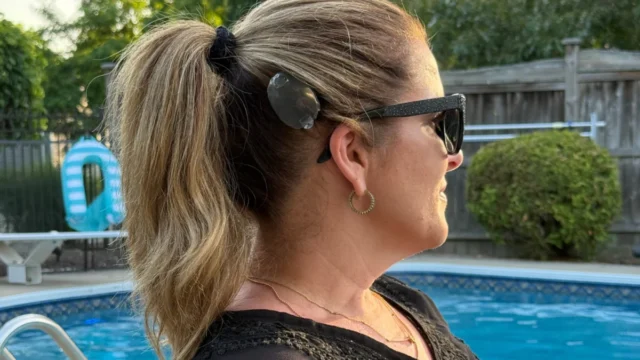
In recent years, the landscape has shifted significantly. Advances in materials science and manufacturing have enabled a wider array of customization options. MED-EL’s commitment to personalization is evident in its range of accessories designed to transform the audio processor from a purely functional device into a statement of personal style. This evolution mirrors broader trends in consumer electronics, where personalization has become a key differentiator and a significant factor in user satisfaction. The company’s initiative aims to empower users by offering them control over the visual presentation of their technology, fostering a sense of ownership and reducing any potential stigma associated with wearing a visible medical device.
MED-EL’s Personalization Portfolio: Design Covers, Skins, and Jewelry
MED-EL offers a multi-faceted approach to audio processor personalization, catering to diverse preferences and styles. The core of this offering lies in interchangeable Design Covers, which are easily attachable shells that dramatically alter the visual appearance of the audio processor. These covers are available in an extensive spectrum of colors, patterns, and artistic designs. This allows users to adapt their processor’s look to suit various occasions, outfits, or even their current mood. The simplicity of swapping these covers means that a user can transition from a vibrant, bold aesthetic for a social gathering to a more understated, elegant look for professional settings with minimal effort.
Beyond snap-on covers, MED-EL also facilitates the use of Design Skins. These are adhesive decals that provide a more intricate level of customization. Users can opt for minimalist designs, intricate graphics, or artistic motifs to adorn their processors. The ease of application and removal ensures that users can frequently refresh their device’s appearance, keeping it aligned with evolving personal tastes. While MED-EL provides the framework for this customization, it’s important to note that many design skins are offered by third-party providers, highlighting a collaborative ecosystem of user-focused accessory development.

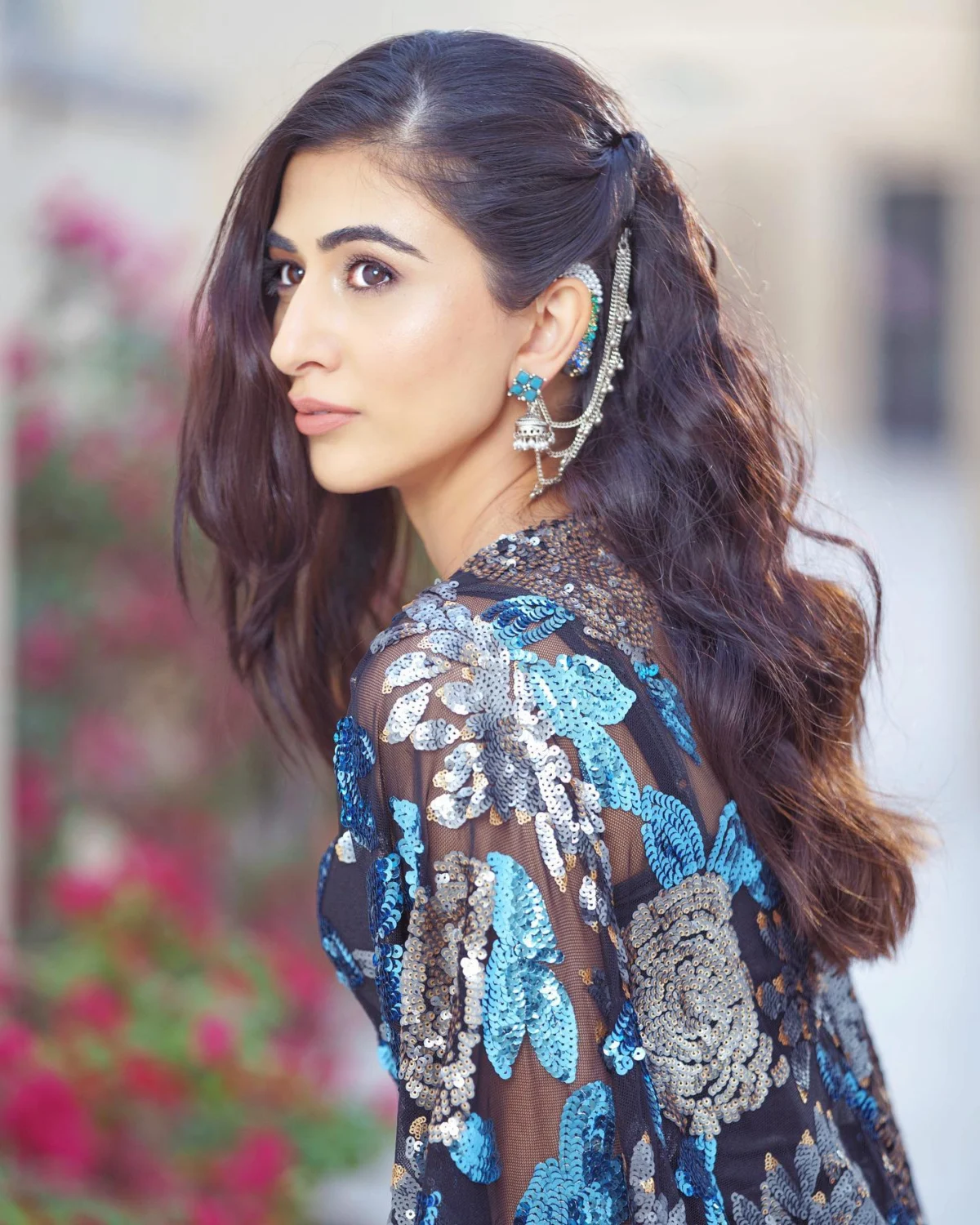
For those seeking a more sophisticated or decorative touch, CI Jewelry presents another avenue for personalization. This category encompasses a range of accessories designed to attach to the audio processor, adding elements of flair and individuality. These can range from subtle decorative accents to more prominent, eye-catching pieces. The availability of such accessories, often developed by specialized retailers catering to the hearing implant community, allows users to integrate their technology with their personal style in a manner akin to accessorizing other personal items like jewelry or fashion. This approach recognizes that for many, a hearing implant is not just a medical necessity but a part of their overall presentation and self-expression.
The Impact of Personalization on User Confidence and Well-being
The implications of these personalization options extend far beyond mere aesthetics. For individuals living with hearing loss, the psychological impact of wearing a visible device can be significant. By offering ways to make the audio processor feel like a natural and even fashionable extension of oneself, MED-EL is contributing to enhanced user confidence.
Studies on self-perception and body image consistently highlight the role of personal expression in building self-esteem. When users can choose to adorn their hearing implant processors with colors and designs that resonate with their personality, it can foster a sense of empowerment and reduce feelings of self-consciousness. This is particularly relevant for younger users, for whom peer acceptance and identity formation are crucial. The ability to customize their devices can help normalize the experience of wearing a hearing implant, making it less of a distinguishing feature and more of an integrated aspect of their personal style.
Furthermore, the act of choosing and changing design elements can be a therapeutic process in itself, offering a sense of control and agency. It allows users to actively engage with their technology, transforming it from something that is "given" to them into something that is "theirs." This sense of ownership can lead to greater acceptance of the device and, consequently, a more positive overall experience with their hearing solution. The reported increase in user satisfaction with MED-EL’s personalization options suggests a direct correlation between aesthetic customization and improved psychological well-being.
A Timeline of Innovation in Hearing Implant Personalization
While the current robust offering of personalization options might seem like a recent development, the journey has been one of gradual evolution.
-
Early Stages (Pre-2010s): Focus was almost exclusively on the functional aspects of hearing implant processors. Color choices were limited to basic flesh tones or neutral grays, designed to be as inconspicuous as possible. Personalization was largely absent from the product design philosophy.

-
Emergence of Basic Options (Early to Mid-2010s): As awareness of user preferences grew, some manufacturers began offering a slightly wider palette of colors for their processors. This was a nascent step towards acknowledging the visual aspect, but options remained limited.
-
Introduction of Design Covers and Skins (Mid to Late 2010s): Companies like MED-EL began to actively develop and market dedicated accessories for aesthetic enhancement. The introduction of snap-on design covers provided a significant leap, offering users a simple yet impactful way to change the look of their devices. This period also saw the rise of third-party providers offering custom-designed skins.
-
Expansion into CI Jewelry and Advanced Customization (Late 2010s – Present): The trend has continued with the emergence of specialized CI jewelry and more sophisticated design options. MED-EL’s commitment to a broad range of accessories for various processor models, including the SONNET series, RONDO 3, RONDO 2, SAMBA 2, and SAMBA, reflects a mature approach to personalization. The company actively promotes these options through its blog and product pages, signaling a strategic integration of aesthetics into its overall brand messaging.
This timeline illustrates a clear trajectory from a purely functional approach to one that deeply integrates user identity and aesthetic preferences, demonstrating MED-EL’s responsiveness to evolving user needs and market trends.
Supporting Data and Market Trends
The growing emphasis on personalization in medical devices is supported by broader market trends. The global market for wearable technology, which includes devices that are worn on the body, is projected to continue its upward trajectory. Within this market, consumer demand for customizable products is a significant driver of growth. A report by Grand View Research, for instance, highlighted that the increasing demand for personalized and aesthetically pleasing electronic devices is a key factor influencing market expansion.
For hearing implants, this trend translates into a desire for devices that not only perform optimally but also align with personal style. Anecdotal evidence from user forums and social media groups dedicated to hearing implant users consistently shows a strong interest in customization options. Many users actively share photos of their decorated processors, showcasing their creativity and the diverse ways they express themselves.
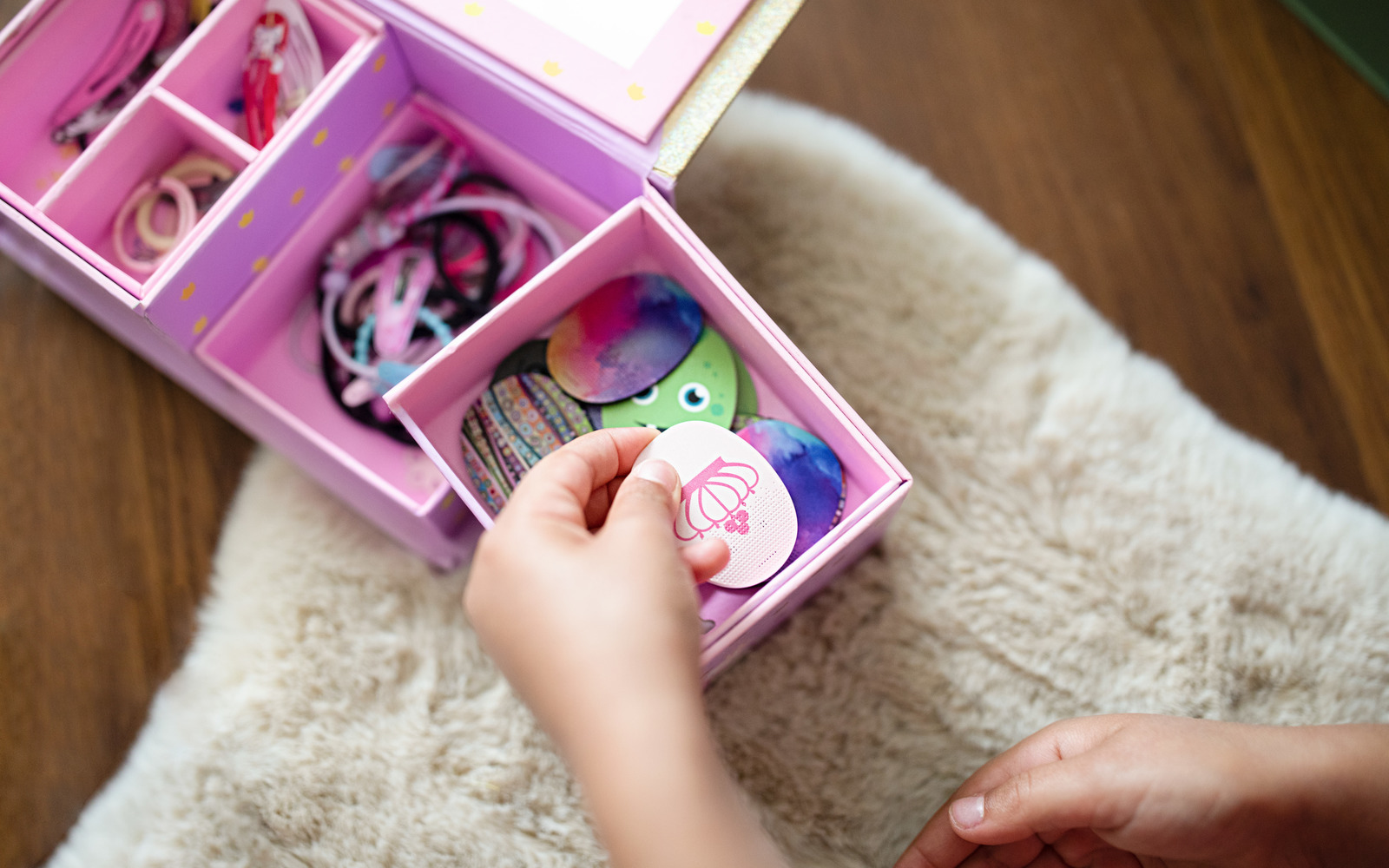
While specific sales figures for MED-EL’s design covers and skins are proprietary, the consistent availability and promotion of these accessories across their product lines indicate a significant investment and a belief in their market value. The company’s proactive engagement with third-party accessory providers further underscores the importance of this aspect of the user experience. The fact that personalization options are now a standard consideration in the development and marketing of audio processors signifies a fundamental shift in how hearing implant technology is perceived and utilized.
Official Statements and User Feedback
MED-EL has consistently articulated its commitment to user-centric design. A spokesperson for MED-EL stated, "Our mission at MED-EL is to help people overcome hearing loss and live full, independent lives. This extends beyond delivering superior hearing performance. We understand that the devices our users wear every day are an important part of their identity. By offering a wide range of personalization options, we empower our users to express themselves, build confidence, and feel comfortable and proud of their hearing technology."
User feedback further validates the positive impact of these initiatives. On online forums and through direct testimonials, many MED-EL users have expressed their appreciation for the ability to customize their audio processors. For example, one user shared, "I used to feel self-conscious about my hearing implant, but with the colorful design covers and the fun skins, it feels more like an accessory that reflects my personality. It’s made a huge difference in how I feel about myself." Another user commented, "The ability to change my processor’s look is fantastic. I can match it to my outfits or just choose something that makes me feel happy that day. It’s a small thing, but it means a lot."
These testimonials, while individual, reflect a collective sentiment that aesthetic personalization plays a vital role in the overall user experience and contributes significantly to the psychological well-being of individuals with hearing implants.
Broader Implications for the Hearing Healthcare Industry
MED-EL’s comprehensive approach to personalization has broader implications for the entire hearing healthcare industry. It sets a precedent for other manufacturers to prioritize not only the audiological efficacy of their devices but also their aesthetic appeal and the user’s sense of self.
The normalization of customizable hearing technology can help reduce the stigma historically associated with hearing loss and the devices used to address it. As more individuals embrace personalization, hearing implants may increasingly be viewed as fashionable accessories rather than purely medical interventions. This shift in perception can lead to earlier adoption of hearing solutions and a more positive societal attitude towards hearing health.
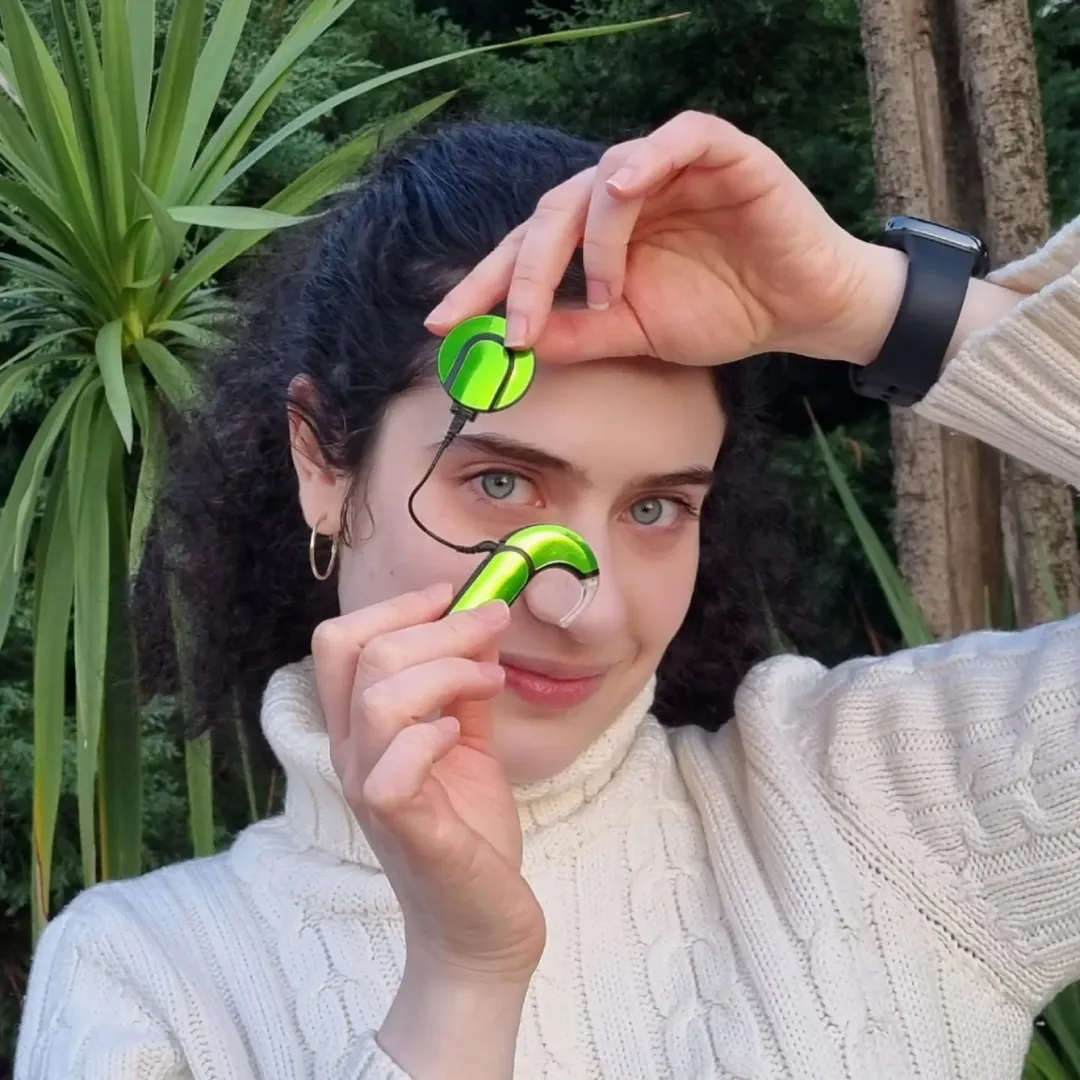
Furthermore, the development of a robust ecosystem of accessory providers, from cover manufacturers to jewelry designers, can create new economic opportunities and foster innovation within the broader hearing technology market. This collaborative approach, where technology developers work in tandem with creative industries, can lead to more diverse and user-centric product offerings.
Ultimately, by focusing on the user’s desire for self-expression, MED-EL is not just selling a hearing solution; it is offering a pathway to enhanced confidence, a stronger sense of identity, and a more integrated and empowering experience with technology. The emphasis on making the audio processor feel like an authentic part of the user’s life is a testament to a forward-thinking approach that recognizes the multifaceted nature of living well with a hearing implant.