
Chronology of the Cardiff Event
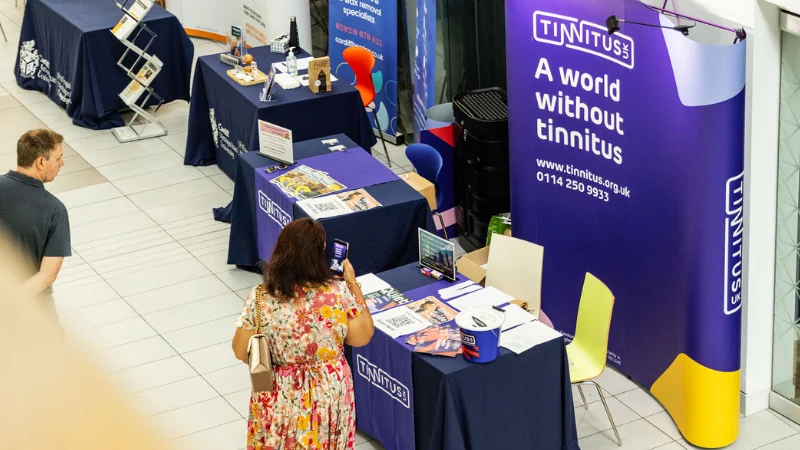
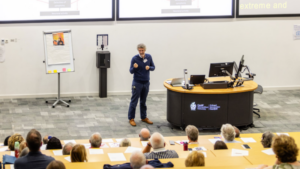
The event began with a comprehensive registration process that saw a diverse demographic of attendees, ranging from those who had only recently developed symptoms to individuals who have been managing chronic tinnitus for decades. Throughout the morning, the program was structured to balance clinical education with psychosocial support. Following a series of opening remarks that highlighted the charity’s commitment to Welsh regional support, the morning sessions commenced with a keynote address by Professor Florian Vogt of University College London.
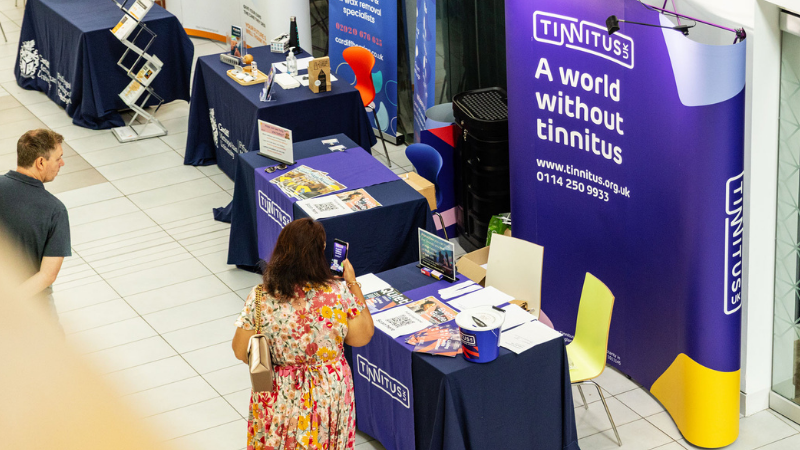
By midday, the event transitioned into an interactive exhibition phase, allowing attendees to engage directly with local hearing professionals, including representatives from Cardiff Hearing and specialist providers such as Minerva. The afternoon was dedicated to breakout sessions, which included the debut of the Tinnitus Creative Toolkit, led by facilitators from the Open University, and a gentle chair yoga session designed to explore the intersection between physical activity and symptom management. The proceedings concluded with a plenary discussion on the future of local support groups in South Wales.

Data-Driven Insights into Tinnitus Management
Tinnitus—often described as a ringing, buzzing, or hissing sound in the ears without an external source—is frequently mismanaged by the instruction to "ignore it." However, contemporary clinical research presented at the event suggests that active management is far more effective. Data presented during the proceedings highlighted that 97% of individuals who engage with structured tinnitus support groups report a measurable improvement in their ability to cope with the condition.
The inclusion of chair yoga as a session topic was grounded in recent international research, particularly data emerging from France, which indicates that physical activity is a key lifestyle factor in modulating the intrusiveness of tinnitus. The physiological benefits—improved circulation, decreased stress hormone levels, and the diversion of cognitive focus—provide a robust framework for why such activities are increasingly recommended by audiologists and psychologists. Furthermore, the event highlighted the importance of sleep hygiene, as chronic tinnitus is frequently comorbid with sleep disturbances, creating a cyclical relationship where poor sleep exacerbates the perception of noise.

Expert Perspectives and Clinical Integration
Professor Florian Vogt’s contribution focused on the psychological underpinnings of tinnitus care. He emphasized that while there is currently no singular medical "cure" for most cases of tinnitus, the clinical pathway is moving toward a model of "habituation." This process involves the brain’s ability to reclassify the tinnitus sound as a non-threatening, background stimulus. Psychological interventions, such as Cognitive Behavioral Therapy (CBT) for Tinnitus, are at the core of this transition.
Sonja Jones of Cardiff Hearing, who served both as a speaker and an exhibitor, underscored the importance of integrating technology with professional advice. Her presence, alongside Kevin Davies of Minerva, provided a practical layer to the theoretical discussions. By offering demonstrations of custom-fit hearing protection and hearing aids with tinnitus-masking features, these professionals illustrated that management is often a multi-modal endeavor, requiring a combination of audiological hardware and psychological strategies.
The Rise of the Creative Toolkit
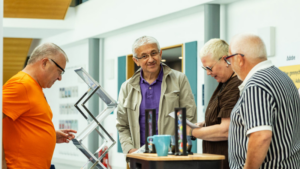
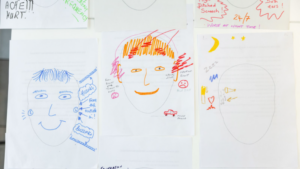
One of the most notable developments was the formal introduction of the Tinnitus Creative Toolkit. Developed by researchers at the Open University, the tool represents a departure from traditional clinical advice by using creative expression as a mechanism for externalizing the tinnitus experience. In a controlled, supportive environment, attendees were encouraged to utilize various creative mediums to map their auditory sensations.
The significance of this approach lies in its ability to break the social isolation that often accompanies the condition. By shifting the focus from "treating a noise" to "expressing an experience," the toolkit facilitates a sense of agency. Early research findings, which are currently undergoing peer review, suggest that this creative engagement leads to a statistically significant decrease in the distress associated with chronic symptoms. The intention of the charity is to standardize this toolkit for use in community support groups across the UK, providing a uniform, evidence-based resource that extends beyond the reach of a single event.
Implications for Local Healthcare Infrastructure
The most immediate and tangible outcome of the Cardiff Information Day was the announcement of a new, permanent tinnitus support group to be established within the city. This development addresses a critical gap in the local healthcare infrastructure. While clinical audiologists provide the diagnostic foundation, they often lack the capacity to provide the long-term, ongoing social support that community groups offer.
The establishment of this group will provide a sustainable network for residents of South Wales, effectively offloading some of the pressure on primary care services. When patients have a dedicated community to turn to, the frequency of "worried-well" consultations with General Practitioners regarding non-emergency tinnitus concerns typically decreases. This structural change represents a shift toward a more holistic, patient-led model of chronic condition management.

Broader Impact and Future Outlook
The success of the Cardiff event is part of a larger, national effort by Tinnitus UK to standardize access to information. With the next installment of the Information Day series scheduled for September 5 in Bournemouth, the charity is signaling a long-term commitment to regional engagement. These events serve as a barometer for the efficacy of public health communication. By moving away from centralized, web-only information, the charity is able to capture data on the specific needs of regional populations—such as the high demand for veteran-specific support or the interest in non-pharmacological management tools in certain age demographics.
Financially, the charity remains in a delicate position. Operating these events as free-to-attend sessions requires a steady stream of philanthropic funding, including legacy gifts and individual memberships. The "no-cost" model is essential for equitable access, as the demographic of those suffering from tinnitus is broad and often includes those on fixed incomes or those who have seen their earning potential impacted by the condition. The reliance on donations places a significant burden on the organization to demonstrate the direct impact of its outreach, which the Cardiff event successfully achieved through its high turnout and the tangible outcome of a new local support group.
Conclusion
The Tinnitus Information Day in Cardiff has demonstrated that while the scientific community continues to pursue pharmacological and technological breakthroughs, the most effective current management strategy remains the democratization of knowledge and the fostering of community. By equipping individuals with the tools to understand their condition, providing access to professional expertise, and establishing peer-led support structures, Tinnitus UK is effectively bridging the gap between clinical diagnosis and daily living. As the organization prepares for its upcoming national sessions, the model established in Cardiff serves as a template for how community-based intervention can meaningfully alter the trajectory of a chronic condition, proving that even when a sound cannot be silenced, its impact on the individual can be significantly diminished.