A Partnership Rooted in Resilience
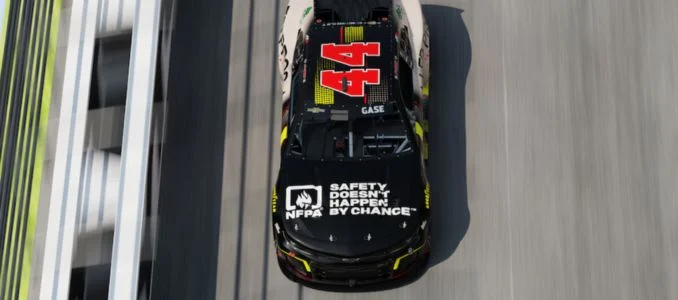
The synergy between the NFPA and Joey Gase is not a new development. The collaboration was formally inaugurated in 2023, born out of a mutual desire to bridge the gap between technical safety standards and public consciousness. For the NFPA, the challenge has always been the "invisibility" of safety; when building codes and fire prevention standards function as intended, the public rarely notices them. By placing their message on a car traveling at speeds exceeding 190 miles per hour, the organization is attempting to make the abstract concept of regulatory compliance tangible to a massive, nationwide television audience.
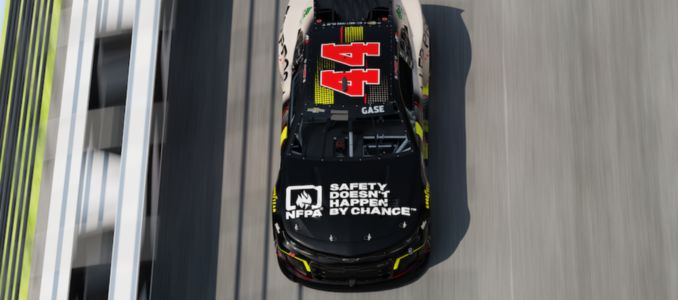
For Gase, the partnership carries a personal weight. Known for his advocacy work, the driver has long utilized his platform to support various charitable causes. Aligning with the NFPA provides him a unique opportunity to emphasize that safety is a proactive, rather than reactive, endeavor. The "Safety Doesn’t Happen By Chance" campaign underscores the fact that the fire-safe environments we inhabit—our offices, schools, and homes—are the result of rigorous, consensus-driven engineering and regulatory processes.
The Mechanism of Consensus-Based Codes
To understand the gravity of the NFPA’s mission, one must understand the nature of the codes they develop. The NFPA is a global, self-funded nonprofit organization that has been involved in fire, electrical, and building safety since its founding in 1896. Its standards, such as the widely adopted NFPA 101: Life Safety Code, are not merely suggestions; they are the bedrock upon which modern building design is built.
The process of creating these codes is known as the "consensus-based" model. It involves thousands of volunteers—engineers, architects, fire officials, and consumer advocates—who meet to deliberate on the latest fire science, technological advancements, and incident data. This process is designed to be transparent and inclusive, ensuring that no single interest group can exert undue influence over the safety requirements that protect the public.

However, the NFPA faces mounting pressure. In recent years, various interest groups, ranging from industry lobbyists to political actors, have sought to bypass or weaken these established standards to reduce costs or expedite development. The NFPA argues that when safety standards are politicized or watered down, the margin for error in building safety evaporates, leading to catastrophic risks in the event of fires or electrical failures.
Historical Context and Safety Evolution
The necessity for such advocacy is underscored by the history of fire safety in the United States. Many of the codes that exist today were written in response to preventable tragedies. From the 1903 Iroquois Theatre fire in Chicago, which resulted in the deaths of over 600 people, to the 2003 Station Nightclub fire in Rhode Island, history has shown that when building codes are ignored or circumvented, the consequences are invariably fatal.
The NFPA’s campaign at Daytona acts as a modern-day reminder that these standards are not static; they evolve as our built environment evolves. As urban centers become denser and construction materials more varied, the role of consensus-based codes becomes increasingly complex. Through its messaging at the Coke Zero Sugar 400, the organization is aiming to reach homeowners and business owners who may be unaware that the smoke detectors in their hallways or the sprinkler systems in their offices are the direct result of these long-standing, expert-vetted safety frameworks.
Data and Infrastructure Implications
The impact of NFPA standards is quantifiable. According to data provided by the NFPA, the implementation of home fire sprinkler requirements, for example, can reduce the risk of dying in a home fire by 85 percent. Furthermore, the presence of smoke alarms is associated with a 50 percent reduction in fire-related fatalities. Despite these stark statistics, the public often views these safety features as mere inconveniences or secondary concerns compared to aesthetics or property value.
By integrating its message into the NASCAR broadcast, the NFPA is targeting a demographic that prizes performance, precision, and risk management—all values that align with the engineering behind fire safety. The broadcast of the Coke Zero Sugar 400 reaches millions of viewers, providing a platform that would otherwise be inaccessible for a technical organization focused on fire prevention.
Official Responses and Strategic Outlook
While the NFPA has remained tight-lipped regarding the specific lobbyists or interest groups currently challenging their standards, representatives have confirmed that the need for public vigilance is at an all-time high. "Our goal is to ensure that the public understands that safety is not a product of luck," said an NFPA spokesperson. "It is the product of deliberate, expert-driven consensus that keeps our communities standing tall and our families protected."
Industry analysts suggest that this partnership is a masterstroke in public relations. By aligning with a high-profile, relatable figure like Joey Gase, the NFPA is successfully humanizing the "dry" topic of regulatory compliance. The "Safety Doesn’t Happen By Chance" initiative is expected to continue beyond the Daytona event, with the NFPA looking to expand its reach into other sporting venues and community-based outreach programs.
The Broader Impact: A Call for Vigilance
The implications of this initiative extend far beyond the racetrack. At a time when deregulation is a frequent topic of debate in legislative chambers across the country, the NFPA’s message serves as a counter-narrative. The organization is framing fire safety as an essential component of the "social contract," arguing that the public has a right to expect that the structures they enter are built to the highest possible standards of safety, regardless of the economic pressures faced by developers or property owners.
As the No. 44 car takes to the track at Daytona, the NFPA hopes the sight of their branding will prompt a moment of reflection among the audience. The message is simple: behind every safe building is a set of rules, and behind those rules is a community of experts dedicated to preventing the next disaster. By bringing this message to the forefront of the American consciousness, the NFPA is not just promoting a slogan—it is defending the infrastructure of public life.
In conclusion, the partnership between the NFPA and Joey Gase is a significant development in the world of non-profit advocacy. By leveraging the immense reach of NASCAR, the NFPA is working to ensure that the importance of consensus-based safety standards remains a national priority. As society continues to face new challenges—from the integration of smart-home technology to the rise of high-density sustainable housing—the need for robust, evidence-based safety codes has never been greater. The "Safety Doesn’t Happen By Chance" campaign serves as a vital reminder that in the race against fire and disaster, the most effective tool we have is the standard-setting process that protects us all.