
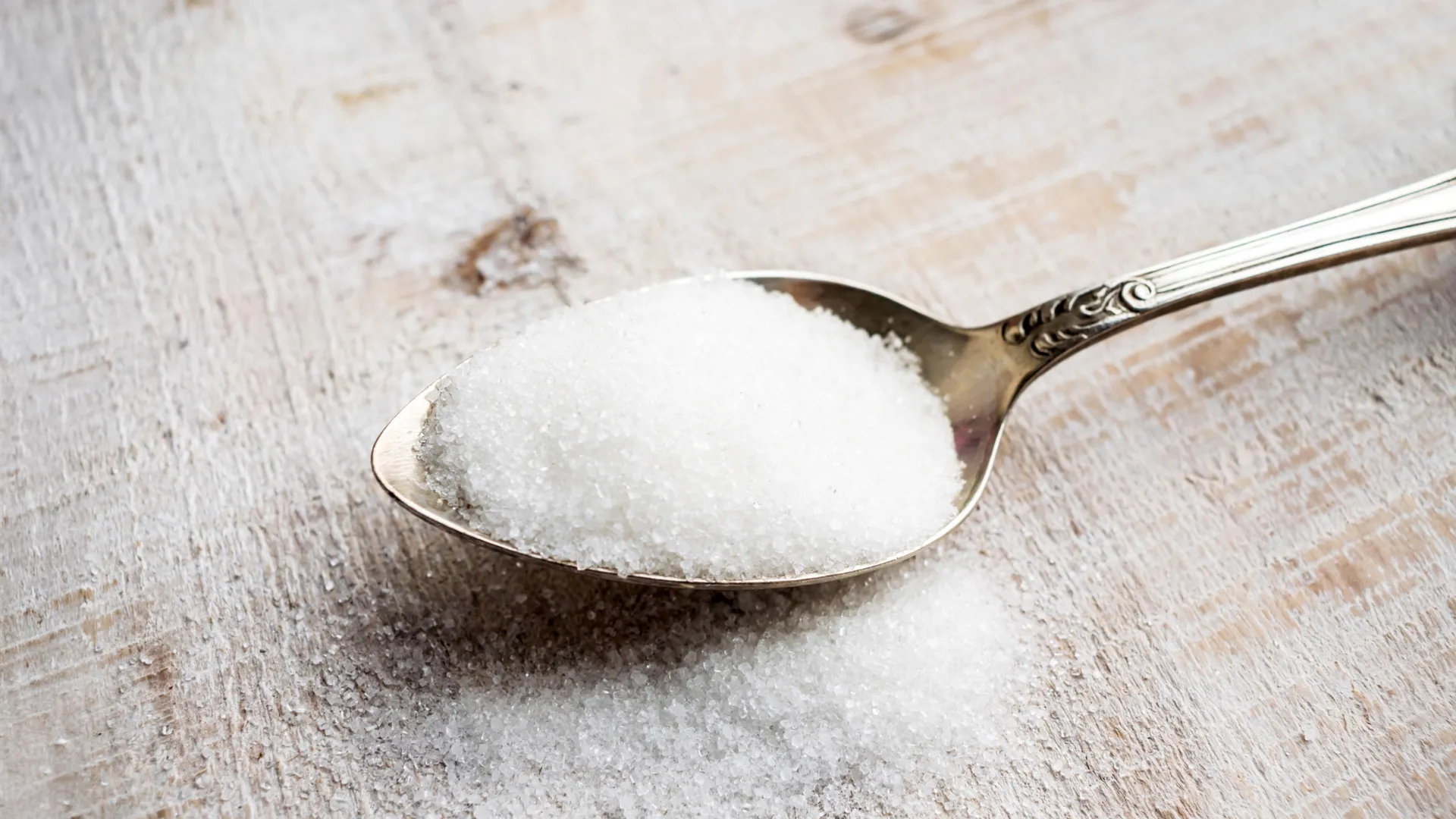
The association was found to be most pronounced among middle-aged adults and those living with diabetes, a demographic that frequently relies on non-nutritive sweeteners (NNS) to manage blood glucose levels. While the study does not definitively prove that sweeteners cause brain tissue degradation, the strength of the association has prompted researchers to call for a more rigorous re-evaluation of the long-term safety profiles of these ubiquitous food additives.
A Comprehensive Examination of Seven Common Sweeteners
The research team, led by Dr. Claudia Kimie Suemoto of the University of São Paulo in Brazil, focused on seven specific sugar substitutes that dominate the global food supply. These included aspartame, saccharin, acesulfame K, erythritol, xylitol, sorbitol, and tagatose. These substances are integrated into a vast array of ultra-processed products, ranging from diet sodas and flavored waters to "low-fat" yogurts, energy drinks, and sugar-free desserts.
Among the seven substances analyzed, six were independently linked to faster cognitive decline: aspartame, saccharin, acesulfame K, erythritol, sorbitol, and xylitol. Tagatose, a rare sugar that is structurally similar to sucrose but has a lower glycemic index, was the only sweetener in the study that did not show a statistically significant link to memory loss or thinking impairment.
The ubiquity of these chemicals in the modern diet makes the findings particularly relevant for public health. For many consumers, these sweeteners are not just occasional treats but daily staples. In the study, the highest consumption group averaged 191 milligrams per day. To put this into perspective, the researchers noted that the amount of aspartame consumed by the high-intake group was roughly equivalent to the amount found in just one 12-ounce can of diet soda.
Study Methodology and Eight-Year Chronology
The longitudinal study utilized data from 12,772 participants enrolled in the Brazilian Longitudinal Study of Adult Health (ELSA-Brasil). At the study’s inception, the average age of the participants was 52 years, placing the majority of the cohort in the critical "middle-age" window where lifestyle factors begin to exert a profound influence on long-term brain health.
The research followed a strict chronological framework:
- Baseline Assessment (Year 0): Participants completed exhaustive food frequency questionnaires detailing their dietary habits over the previous 12 months. They also underwent a battery of cognitive tests to establish a baseline for memory, verbal fluency, and processing speed.
- Grouping: Based on their reported intake, participants were divided into three tiers: low consumption (averaging 20 mg/day), moderate consumption, and high consumption (averaging 191 mg/day).
- Midpoint Evaluation (Year 4): Follow-up cognitive assessments were conducted to track early changes in mental acuity.
- Final Assessment (Year 8): A final round of neuropsychological testing was performed to measure the total rate of decline over the eight-year period.
The cognitive assessments were designed to measure "executive function," a set of mental skills that include working memory, flexible thinking, and self-control. Specific tests included verbal fluency (the ability to retrieve words quickly), word recall (short-term and delayed memory), and processing speed (the time required to respond to external stimuli).
Quantifying the Rate of Decline
The statistical results revealed a stark divergence between the groups. Even after the researchers adjusted for variables such as age, sex, education level, smoking status, physical activity, and pre-existing conditions like hypertension or cardiovascular disease, the impact of sweeteners remained significant.
Participants in the highest intake group experienced a 62% faster decline in global cognitive scores compared to those in the lowest intake group. This accelerated aging effect—estimated at 1.6 years of "extra" cognitive wear—suggests that high sweetener consumption may diminish the brain’s "cognitive reserve," making it more vulnerable to the effects of aging.
Even moderate consumption carried risks. Those in the middle tier of sweetener intake showed a 35% faster rate of decline than the low-intake group, a difference comparable to 1.3 years of additional brain aging. These findings suggest a dose-response relationship, where higher exposure leads to progressively worse outcomes.
Vulnerabilities in the Under-60 and Diabetic Populations
One of the most surprising aspects of the study was the age-specific nature of the results. The association between sweetener intake and cognitive decline was significantly stronger in participants younger than 60 years of age. In this group, high intake was tied to rapid drops in verbal fluency and overall thinking skills. Conversely, in participants over 60, the association was less clear, possibly because other age-related factors, such as neurodegeneration or vascular disease, began to overshadow the dietary influence.
Furthermore, the study highlighted a "double burden" for individuals with diabetes. People with diabetes showed a much stronger correlation between sweetener use and cognitive impairment. This is particularly concerning because health professionals often advise diabetics to swap sugar for artificial substitutes to manage their insulin levels.
"While we found links to cognitive decline for middle-aged people both with and without diabetes, people with diabetes are more likely to use artificial sweeteners as sugar substitutes," Dr. Suemoto explained. This suggests that the very tools used to manage one chronic condition (diabetes) might inadvertently accelerate the progression of another (cognitive impairment).
Broader Context: The Rise of Ultra-Processed Foods
The findings in Neurology do not exist in a vacuum. They contribute to a growing body of evidence suggesting that ultra-processed foods (UPFs), which are the primary delivery vehicle for artificial sweeteners, are detrimental to long-term health.
Recent years have seen a shift in how nutritionists view "diet" products. While they may be lower in calories, they often lack the complex micronutrients found in whole foods and may trigger inflammatory responses in the body. Some researchers hypothesize that artificial sweeteners may disrupt the gut microbiome—the trillions of bacteria living in the digestive tract. Because the gut and the brain communicate through the "gut-brain axis," changes in gut health can lead to neuroinflammation, which is a known driver of cognitive decline and dementia.
Moreover, a 2023 report from the World Health Organization (WHO) advised against the use of non-sugar sweeteners for weight control, citing potential long-term risks such as an increased risk of type 2 diabetes and cardiovascular diseases. This latest study adds "accelerated brain aging" to the list of potential concerns.
Industry Perspectives and Research Limitations
The results of this study are likely to face scrutiny from the food and beverage industry. Organizations such as the Calorie Control Council have historically defended the safety of sweeteners, pointing to decades of FDA and EFSA approvals. Industry advocates often argue that observational studies cannot prove causation and that people who consume more diet products may already have underlying health issues (like obesity) that contribute to cognitive decline—a phenomenon known as "reverse symbols."
The researchers themselves acknowledged several limitations:
- Self-Reporting: The data relied on participants’ memories of what they ate, which can be prone to error or under-reporting.
- Observational Nature: The study shows a correlation, not a direct cause-and-effect mechanism. It is possible that a third, unmeasured factor is responsible for both high sweetener use and cognitive decline.
- Sweetener Variety: The study did not include newer sweeteners like monk fruit or stevia, meaning the results may not apply to all sugar alternatives.
Analysis of Implications for Public Health
The implications of this research are significant for both clinical practice and individual lifestyle choices. If further studies confirm that sweeteners accelerate brain aging, it could lead to a paradigm shift in dietary recommendations, particularly for middle-aged adults.
For decades, the public health message has focused almost exclusively on reducing sugar to prevent obesity and tooth decay. However, if the substitutes are equally or more damaging to the brain, the focus may need to shift toward reducing the "sweetness" of the diet overall, rather than simply swapping molecules.
Dr. Suemoto suggested that more research is needed to determine if "refined sugar alternatives" such as honey, maple syrup, or even fruit-based sweeteners like applesauce provide a safer profile for brain health. While these contain calories, their metabolic processing by the body is different from the synthetic pathways used by artificial chemicals.
As the global population ages and the prevalence of dementia rises, identifying modifiable risk factors is a top priority for medical science. This study suggests that for those looking to protect their memories into their 60s and 70s, the "diet" version of their favorite drink might not be the harmless shortcut it appears to be. The findings reinforce a growing medical consensus: when it comes to long-term neurological health, there may be no true substitute for a diet based on whole, unprocessed foods.