The Scale of the Challenge: Data and Demographics
The necessity of this intervention is underscored by sobering statistics regarding hearing health. According to current medical research, approximately one in seven adults in the United Kingdom lives with tinnitus—a persistent ringing or buzzing in the ears that can significantly impact quality of life. Within the professional music industry, this figure rises to one in three, highlighting the occupational hazards inherent in a life spent on stage.
Loud sound exposure remains one of the leading preventable causes of permanent hearing loss. During an average rock or metal concert, sound pressure levels frequently exceed 100 decibels. To put this in perspective, prolonged exposure to sounds at this volume without appropriate protection can result in irreversible damage in as little as 15 minutes. Despite these risks, hearing protection has historically been treated as an afterthought in festival culture, often sidelined by myths regarding sound quality degradation or aesthetic concerns.
Chronology of the Initiative
The presence of Tinnitus UK at Download 2026 was not an isolated event but the culmination of months of advocacy following Tinnitus Week 2026.
- February 2026: Tinnitus Week 2026 launched, focusing on digital awareness and outreach, generating millions of impressions across social media and mainstream news outlets.
- April 2026: Initial planning sessions began between Tinnitus UK and Live Nation representatives to identify actionable on-site safety measures for the festival season.
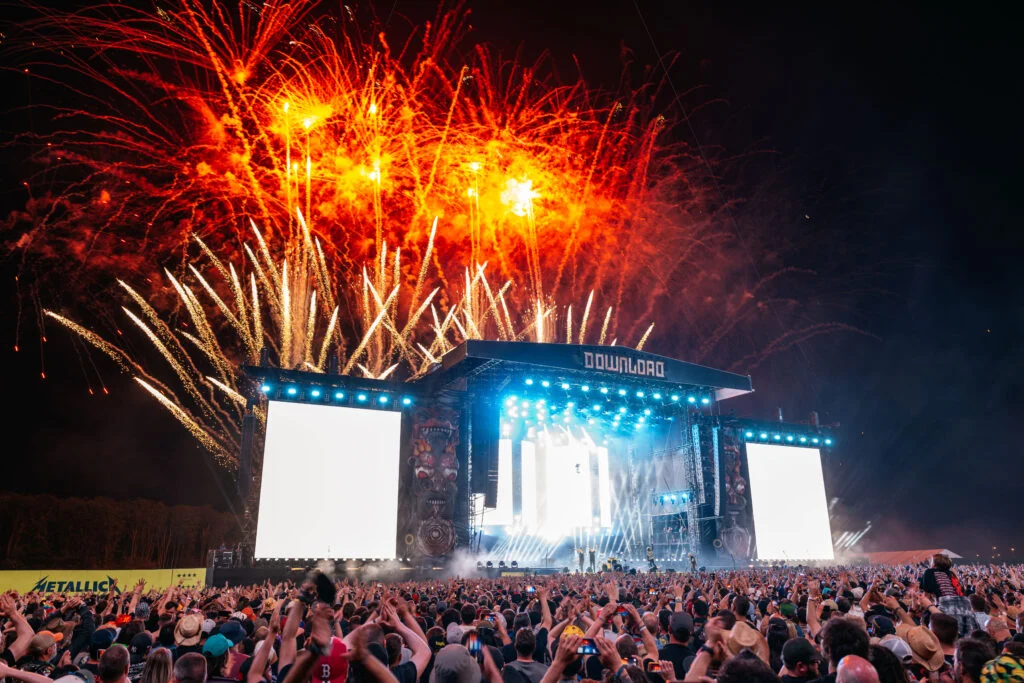
- June 2026 (Festival Weekend): The activation launched at Donington Park, featuring educational workshops, artist testimonials, and the widespread distribution of free earplugs.
- Post-Festival: Data collection and feedback analysis commenced, aimed at shaping the accessibility policies for future major outdoor events across the Live Nation portfolio.
A New Standard for Festival Accessibility
Download Festival has long prioritized accessibility, yet the 2026 edition marked a definitive step toward normalizing auditory health as a pillar of event management. Beyond the distribution of earplugs, the festival enhanced its accessibility infrastructure, which included the deployment of British Sign Language (BSL) interpreters for main stage performances and the integration of hearing loops in key high-traffic areas.
These measures are part of a broader shift in the live events industry. Accessibility, once defined primarily by physical mobility, now encompasses a multi-sensory approach. By making free hearing protection readily available at information kiosks and medical tents, the festival removed the friction that typically prevents fans from protecting their ears. This practical approach transformed hearing protection from a niche accessory into a standard component of the "festival kit," much like sunscreen or a waterproof jacket.
The Artist Perspective: Lessons from the Stage
The most persuasive voices in this campaign were those of the artists themselves. During the weekend, a diverse roster of musicians and industry influencers engaged with the Tinnitus UK team to discuss the realities of life in high-decibel environments.
Alice from the band Lake Malice emphasized that maintaining auditory health requires a holistic approach, which for her includes quiet periods and sensory management. "I listen to ASMR and quiet time helps me so much," she noted. More importantly, she stressed the transition toward professional-grade technology: "I wear my moulded in-ear monitors at gigs; they help so much."
The sentiment was echoed by Becca of Marmozets, who noted that attitudes have evolved significantly over the last decade. "We’ve been doing this a while and now we really understand the importance of hearing protection. It’s always on my mind now. I keep earplugs attached to my keys so I can put them in whenever. It’s important."
Perhaps the most poignant reflections came from those who have already experienced the consequences of early, unprotected exposure. Ali and Foley from the band As It Is spoke candidly about their personal journeys. Foley, who suffers from significant hearing loss and perforated eardrums, offered a stark warning to the next generation of performers: "If I could rewind the clock, I would have protected my ears more efficiently earlier on. When the damage is done, it’s done. Earplugs are essential."
Clinical Implications and Expert Analysis
Medical experts argue that the normalization of hearing protection is a crucial preventative measure against the "hidden epidemic" of noise-induced damage. Unlike some physical injuries that present immediate symptoms, hearing loss is often insidious, accumulating over years of exposure.
When a musician or a fan begins to experience the symptoms of tinnitus or noise-induced hearing loss, they are often entering a territory where clinical treatment options are limited. The focus of groups like Tinnitus UK, therefore, is primarily on primary prevention. By creating a culture where wearing earplugs is not seen as "un-rock-and-roll" but as a mark of professionalism and self-respect, the industry can significantly reduce the long-term clinical burden on the National Health Service (NHS).
Broader Impact and Future Outlook
The collaboration at Download 2026 serves as a template for the wider music industry. The success of this initiative proves that fans are receptive to health messaging when it is delivered in a non-judgmental, inclusive, and practical way.
The implications for festival organizers are clear: incorporating hearing health into event planning is no longer optional. As public awareness of the long-term impact of noise exposure grows, audiences will increasingly expect festivals to provide the tools necessary to protect their well-being. Furthermore, the engagement of influencers and artists—such as The Metal Therapist, Black Water County, and RXPTORS—has proven that the message carries the most weight when delivered by those who are currently active in the scene.
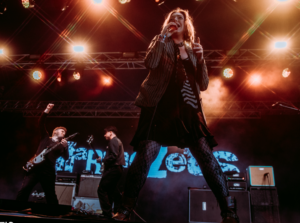
Looking ahead, the momentum generated at Donington Park is expected to influence future safety protocols. If large-scale operators like Live Nation continue to treat auditory health as an essential component of accessibility, it is likely that other promoters will follow suit. The goal is a future where the exhilaration of live music is preserved, not diminished, by the environment in which it is performed.
By integrating these safety measures into the fabric of the festival experience, the industry is ensuring that the memories made at Download 2026—and those to follow—do not come at the cost of the very sense that makes music possible. The partnership between Tinnitus UK and Download Festival has set a new benchmark, demonstrating that caring for one’s hearing is the ultimate act of commitment to the music one loves. Through sustained awareness and the simple, universal adoption of ear protection, the industry can ensure that the roar of the crowd remains a sound that can be enjoyed for a lifetime.