Defining the Condition: A Congenital Challenge
Microtia and atresia are congenital conditions that frequently occur together, though they can also present independently. Microtia is classified into four grades, ranging from minor structural abnormalities to complete absence of the ear (anotia). Atresia, the absence or narrowing of the external auditory canal, often results in conductive hearing loss because sound waves cannot reach the inner ear effectively.
When these conditions affect only one side, the resulting diagnosis is Unilateral Hearing Loss (UHL) or single-sided deafness (SSD). For decades, the medical and educational consensus often downplayed the severity of UHL, operating under the assumption that a single "typical" ear provided sufficient auditory input for a child to develop normally. Current audiological research has soundly refuted this. Data indicates that children with UHL face profound challenges in complex, real-world environments—particularly in noisy classrooms—where the ability to localize sound and filter background noise is essential for academic performance.
The Developmental Impact of Unilateral Hearing Loss
The inability to access sound from both ears, known as binaural hearing, creates a "head shadow" effect. This physical reality prevents the brain from accurately calculating the direction of a sound source, a process known as sound localization. In a classroom, where teachers move, students whisper, and HVAC systems create ambient hums, a child with UHL must expend significantly more cognitive energy to track auditory information.
Research suggests that children with UHL are at a higher risk for language delays, social anxiety, and academic fatigue. Because the child must work harder to "listen," they are susceptible to listening fatigue, a state of mental exhaustion that can lead to withdrawal or behavioral issues. This is not a lack of intelligence or capability; it is a direct result of the neurological strain caused by the brain’s effort to compensate for missing auditory data.
The Efficacy of Listening and Spoken Language (LSL)
As the medical community has shifted its perspective, specialized pedagogical approaches have gained prominence. Listening and Spoken Language (LSL) education has emerged as a gold standard for supporting children with hearing loss, including those with microtia and atresia. Unlike traditional methods that may rely heavily on visual cues or sign language, LSL focuses on the neuroplasticity of the brain, specifically the ability to learn to hear and talk through consistent, meaningful auditory input.
Organizations like Listen and Talk utilize LSL to coach families, transforming the home environment into a site of active language development. By optimizing the child’s listening environment—ensuring that the "good" ear is utilized effectively while integrating appropriate hearing technology—educators can bridge the gap created by atresia. The goal is to provide the child with the tools to navigate auditory landscapes that would otherwise remain inaccessible or overwhelming.
Chronology of a Journey: Adeline’s Path to Advocacy
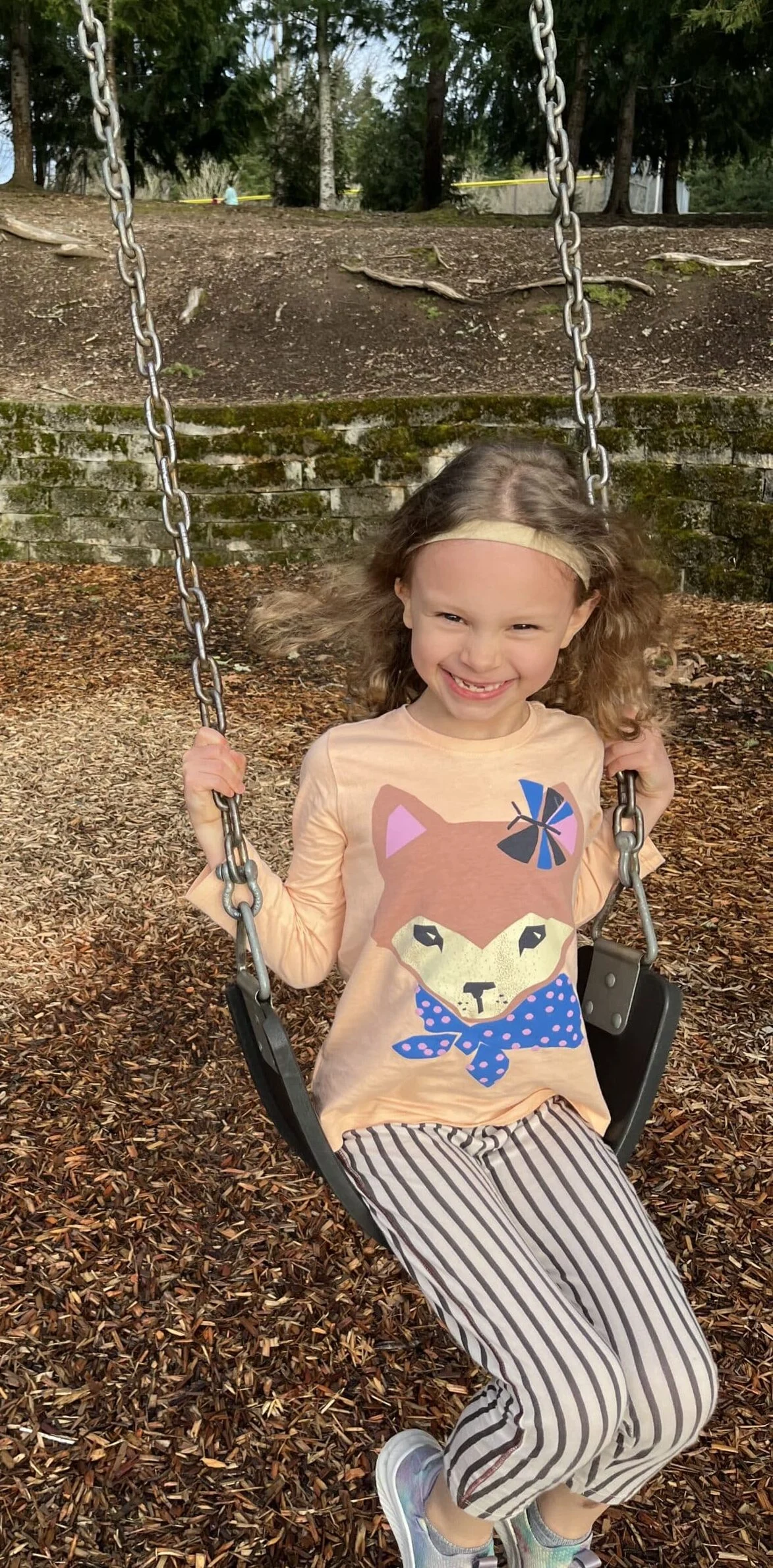
The experience of Adeline, a young student currently thriving in a first-grade classroom, provides a clear timeline of how integrated support services can alter a child’s developmental trajectory.
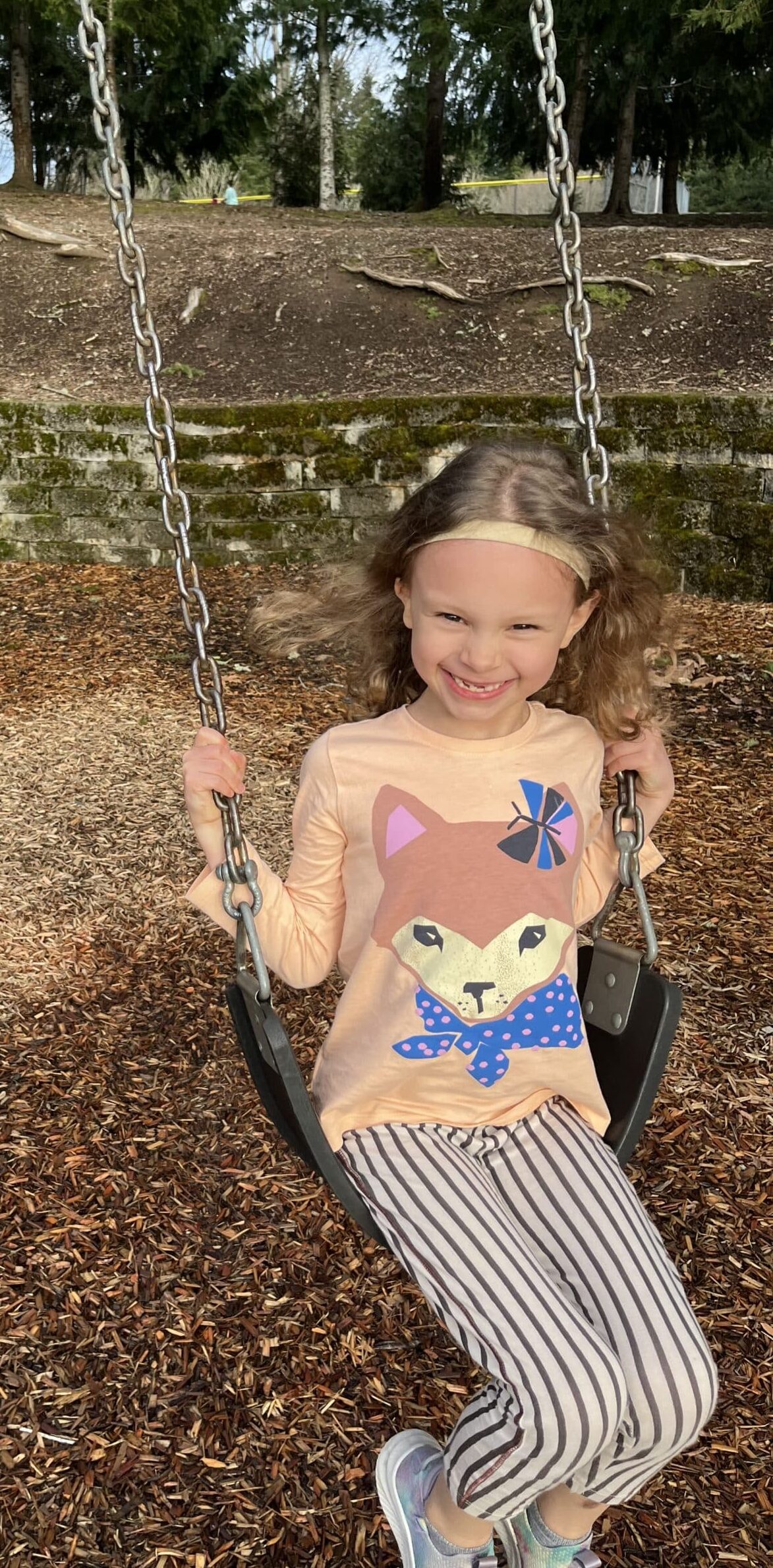
- Five Weeks Post-Birth: Adeline’s parents receive the diagnosis of unilateral moderate to severe conductive hearing loss in her right ear.
- Early Childhood: The family begins engagement with Listen and Talk. During this stage, the focus is on parent education and early intervention, helping the family navigate the medical complexities of atresia—specifically the solid bone structure beneath the outer ear.
- Preschool Years: Adeline receives speech and audiology services. The primary challenge during this time is her reluctance to communicate outside of "safe spaces" due to the frustration of sound localization difficulties.
- The Transition to School: Through consistent LSL therapy, Adeline learns to advocate for her needs, effectively communicating when she is experiencing listening fatigue.
- Current Status: Adeline is an active participant in her local public school, a member of her school choir, and a confident user of hearing technology, specifically her Ponto device.
This trajectory underscores the importance of the "advocacy loop." Initially, the organization advocates for the child; as the child matures, the family is coached to take over that role; finally, the child is empowered to advocate for themselves.
Broader Implications and Societal Awareness
The implications of National Microtia Atresia Awareness Day extend far beyond the clinical diagnosis. It challenges the educational system to provide better accommodations for children with UHL, such as preferential seating in classrooms and the use of remote microphone systems that stream a teacher’s voice directly to a child’s hearing device.
Furthermore, the social stigma surrounding physical differences—such as the appearance of the outer ear—is being addressed through increased public education. As families like Adeline’s demonstrate, when children are provided with the right support, they do not merely "cope" with their condition; they integrate it into their identity. Adeline’s pride in her "little ear" and her willingness to discuss her hearing technology with peers serve as a testament to the success of early psychological and social support.
Resource Integration and Strategic Support
For parents receiving a diagnosis, the immediate period can be overwhelming. Experts recommend a multi-pronged approach to care, beginning with consultation from an LSL specialist and connecting with advocacy groups such as Washington Hands and Voices. These resources provide more than just medical guidance; they offer a community of parents who have successfully navigated the same transition.
The role of technology cannot be overstated. Modern bone-anchored hearing systems (BAHS), such as the Ponto device mentioned in Adeline’s case, have revolutionized the way sound is processed for individuals with atresia. By bypassing the malformed ear canal and stimulating the inner ear directly through bone conduction, these devices provide the auditory stimulation necessary for speech and language development.
The Future of Early Intervention
The success of programs that prioritize early intervention is quantifiable. Longitudinal studies show that children who receive consistent auditory support before the age of three are significantly more likely to reach age-appropriate milestones in reading, social interaction, and verbal communication.
As the medical community continues to refine surgical options for atresia—such as canalplasty—and non-surgical options like advanced hearing technology continue to evolve, the focus must remain on the individual child’s holistic development. The "Listen and Talk" model, which integrates audiology, speech therapy, and classroom education, represents a paradigm shift from treating a "deaf ear" to empowering a "whole child."
Sustaining the Mission
The sustainability of these essential services relies heavily on public and private support. Organizations dedicated to the LSL approach operate on a model that combines clinical excellence with social advocacy. Donations to these entities are not merely charitable contributions; they are investments in the economic and social potential of the next generation. By funding early intervention services, speech therapy, and parent education, donors ensure that the financial burden of specialized care does not become a barrier to a child’s future.
Ultimately, the vision that "no child is limited by hearing loss" is a collective responsibility. National Microtia Atresia Awareness Day serves as a vital reminder that while the condition may be permanent, the limitations it imposes are not. Through the combination of early detection, expert intervention, and a supportive environment, children with microtia and atresia are proving that they are capable of achieving their full potential in every arena of life, from the classroom to the choir stage.