The Scale of the Challenge: Hearing Health in the Modern Era
The necessity for such an intervention is underscored by sobering statistics regarding hearing loss. Clinical data indicates that approximately one in seven adults in the UK lives with tinnitus—a condition often characterized by a persistent ringing or buzzing in the ears. Within the professional music industry, this figure rises sharply to one in three. Despite these prevalence rates, exposure to high-decibel environments remains one of the primary, yet entirely preventable, drivers of permanent auditory damage.
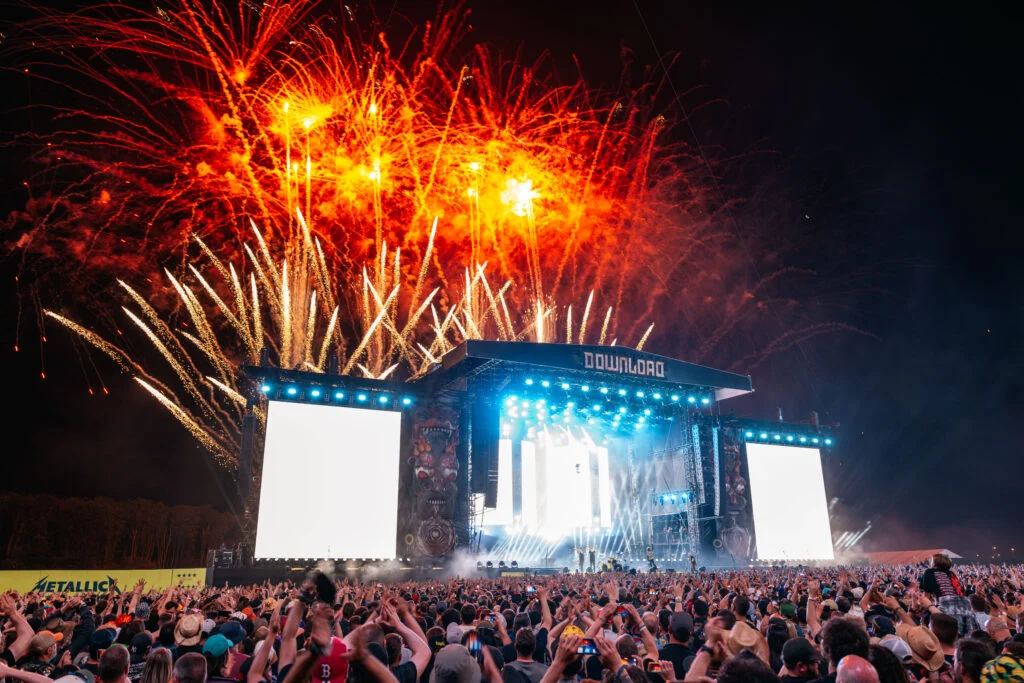
Historically, the culture of live music has often treated hearing protection as an optional accessory rather than a fundamental necessity. The inherent paradox of the industry is that the very medium providing immense joy and community cohesion also poses a significant risk to the sensory health of its participants. By integrating awareness campaigns into the Download Festival experience, Tinnitus UK and Live Nation sought to bridge the gap between "living for the moment" and maintaining auditory longevity.
A Chronology of Integration
The partnership between Tinnitus UK and Download Festival was not an isolated event but rather the culmination of months of logistical planning and health-advocacy development.
Following the successful execution of Tinnitus Week 2026, which served as a national platform for discourse on auditory health, organizers recognized that digital awareness needed to be supplemented by physical presence in high-volume sound environments. In the weeks leading up to the June 2026 festival, Live Nation initiated a series of accessibility upgrades across the site. These included the installation of induction loops and the integration of British Sign Language (BSL) interpretation for major sets.
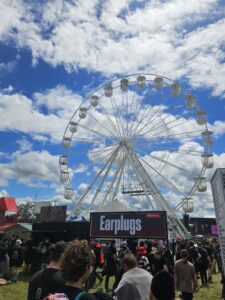
By the time the gates opened in June, the infrastructure for hearing health was firmly in place. The distribution of free earplugs at key stations across the festival grounds served as a vital, practical component of this initiative. By removing the barrier of entry—both in terms of cost and availability—the festival effectively normalized the practice of wearing protection, transforming it from a "niche" behavior into a standard aspect of the festival-goer’s toolkit.
Perspectives from the Frontlines: The Artist Experience
The reality of auditory strain is perhaps most acutely felt by those on stage. During the festival, several artists and industry figures provided testimonials that illustrated the high stakes of professional performance.
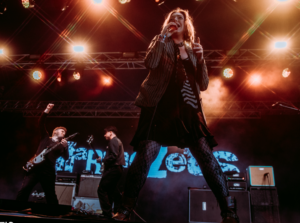
Alice, of the band Lake Malice, emphasized that the mitigation of sound exposure is a deliberate, daily discipline. "I listen to ASMR and quiet time helps me so much," she noted, highlighting the need for recovery periods between sets. Furthermore, she advocated for the use of high-fidelity, moulded in-ear monitors, which allow performers to hear their mix clearly without the need for dangerously high stage volume.
The sentiment was echoed by Becca of Marmozets, who described an evolution in her personal relationship with hearing health. "We’ve been doing this a while and now we really understand the importance of hearing protection," she said. Her commitment has extended to her daily routine, ensuring that earplugs are permanently attached to her keys. This transition from "afterthought" to "essential gear" is the behavioral shift that advocacy groups like Tinnitus UK hope to replicate across the wider fan base.
The Cost of Neglect: Clinical Realities
The most poignant warnings came from artists who have already experienced the long-term effects of sound exposure. The experiences of Ali and Foley from the band As It Is provided a sobering reminder that once auditory damage is sustained, it is often irreversible.
Ali, after consulting with an audiologist, discovered that his hearing profile resembled that of an individual with a degenerative condition rather than a standard musician’s fatigue. "Now I’m taking steps to make sure I maintain my hearing health as well as I can," he stated. Foley, the band’s drummer, noted that he suffers from perforated eardrums as a result of decades of unprotected exposure. His message to the next generation of performers and fans is simple and urgent: "If I could rewind the clock, I would have protected my ears more efficiently earlier on. When the damage is done, it’s done."
These accounts serve as a clinical reality check. The progression from mild tinnitus to permanent threshold shifts in hearing often occurs incrementally, making the need for early and consistent protection a public health imperative rather than a matter of individual preference.
Analyzing the Broader Industry Impact
The implications of this collaboration extend far beyond a single weekend at Donington Park. By formalizing hearing health as a key performance indicator (KPI) for major festivals, Live Nation has set a precedent that other major promoters are likely to observe.
From an economic perspective, the integration of hearing health measures represents a relatively low-cost intervention that yields high dividends in brand loyalty and duty of care. As audiences become more educated about the dangers of noise-induced hearing loss (NIHL), they are increasingly likely to gravitate toward festivals that demonstrate a proactive stance on health.
Furthermore, the "normalization" strategy employed at Download—where influencers and artists were seen sporting earplugs as part of their festival aesthetic—is a powerful tool for social contagion. When a trend is framed as both protective and stylish, adoption rates typically climb, effectively bypassing the stigma that has historically discouraged younger attendees from wearing protection.
Institutional Response and Future Directions
The success of the 2026 engagement confirms that the music community possesses a significant appetite for information regarding hearing health. According to Tinnitus UK, the campaign reached millions of individuals through a combination of on-site engagement and digital amplification. This data suggests that the festival environment is uniquely suited for health interventions because it reaches people at the precise moment they are most engaged with sound.
Moving forward, the goal of Tinnitus UK is to ensure that hearing protection becomes as ubiquitous as the wristbands used for festival entry. The objective is to remove the "either-or" mentality—the false choice between enjoying a high-decibel performance and preserving one’s long-term ability to hear.
As the industry looks toward the 2027 season and beyond, the blueprint established at Download Festival serves as a scalable model. Future iterations will likely include more sophisticated decibel-monitoring technology accessible to the public, as well as continued partnerships with hearing-aid manufacturers to provide high-fidelity, affordable protection.
Conclusion: A New Standard for Live Music
The partnership between Tinnitus UK and Download Festival in 2026 was a watershed moment for the intersection of public health and live entertainment. By acknowledging that auditory health is an essential component of the musical experience, the organizers have elevated the standard of care for 100,000+ attendees.
As the conversation continues to shift from awareness to action, the focus must remain on the long-term sustainability of the live music ecosystem. For fans, artists, and industry professionals alike, the message is clear: the music is worth protecting. Through the continued integration of protective measures and open dialogue, the industry is taking the necessary steps to ensure that the memories created at festivals today do not come at the cost of the hearing required to enjoy them tomorrow. The collaboration stands as a testament to the fact that, with the right resources and education, the industry can evolve to protect its greatest asset—the audience’s ability to hear the music they love.