The Evolution of AAC Literature in the Spanish-Speaking World
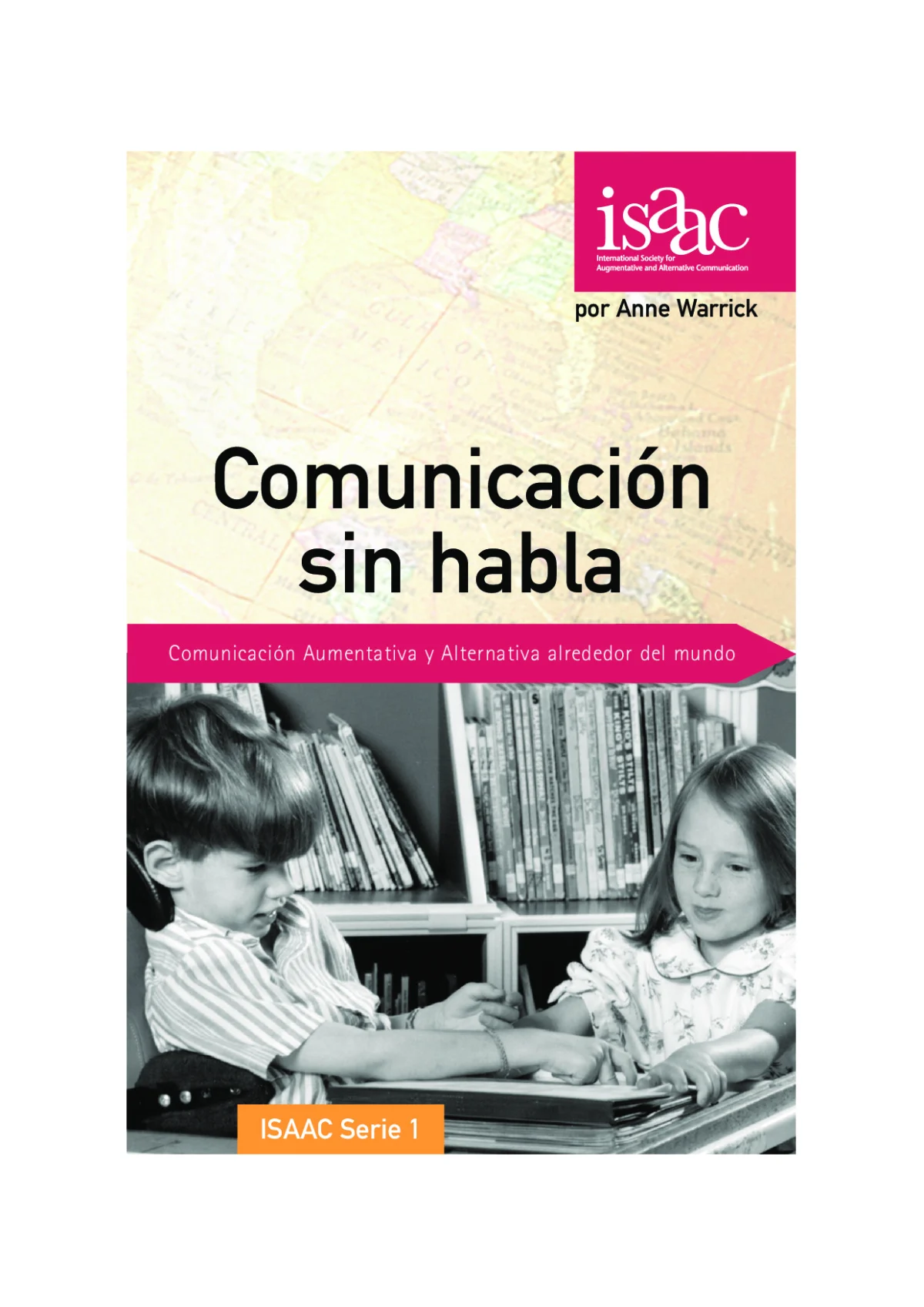
For decades, the field of AAC—which encompasses communication methods for individuals with complex communication needs—was dominated by English-language publications. This created a significant "knowledge barrier" for clinicians, educators, and caregivers in Latin America and Spain, who often had to rely on untranslated materials or adapt clinical practices to fit linguistic structures that did not always align with the nuances of the Spanish language.
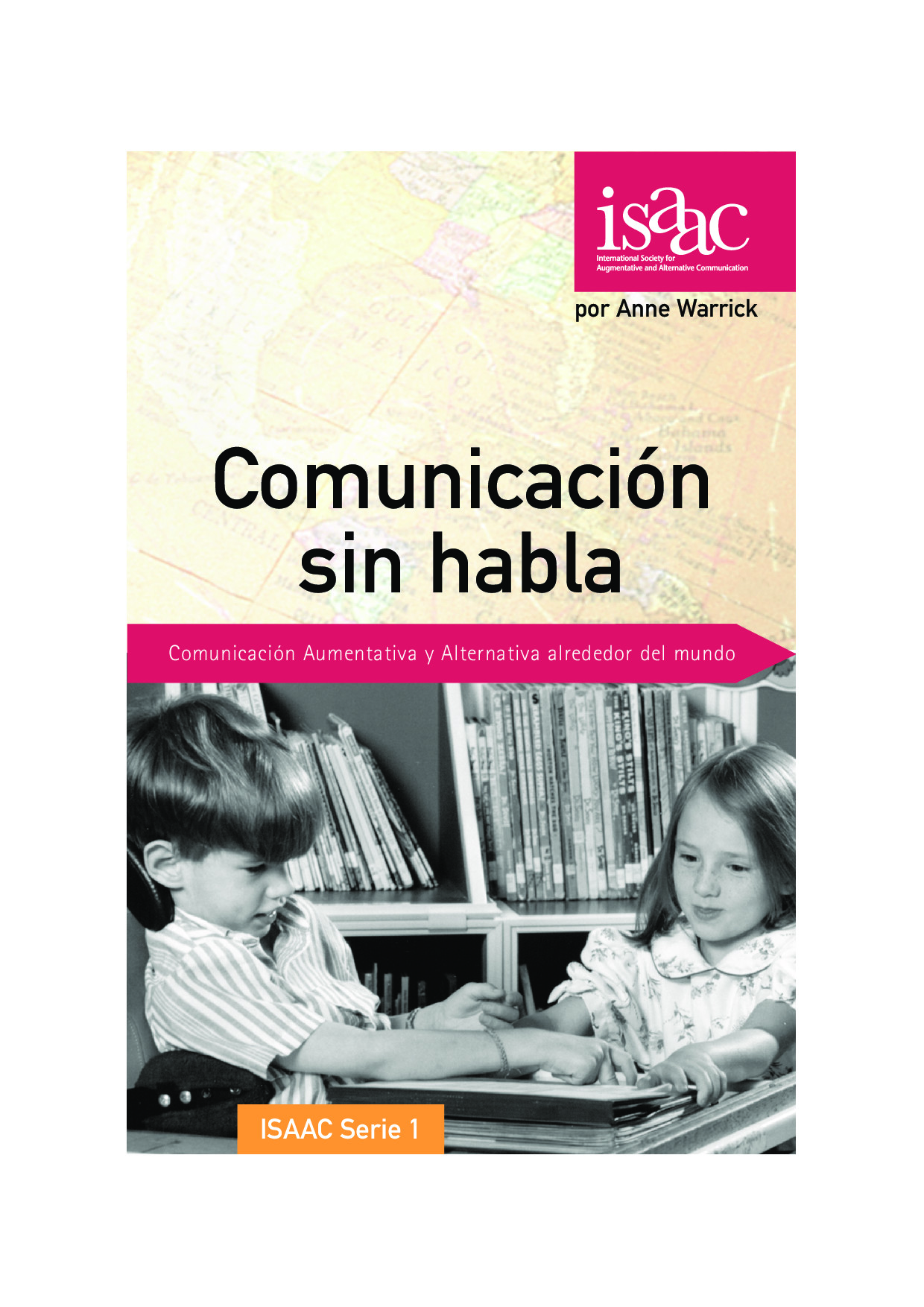
The shift toward localized knowledge began in earnest with the advocacy of international organizations such as the International Society for Augmentative and Alternative Communication (ISAAC). Through strategic partnerships and translation initiatives, ISAAC and various regional affiliates have worked to bridge this gap. The current landscape reflects a transition from relying on secondary summaries to accessing primary, peer-reviewed texts in Spanish. This movement is not merely a linguistic convenience but a clinical necessity, as effective AAC intervention requires precise terminology and culturally sensitive strategies that honor the structural integrity of the user’s primary language.
Key Foundational Texts and Recent Contributions
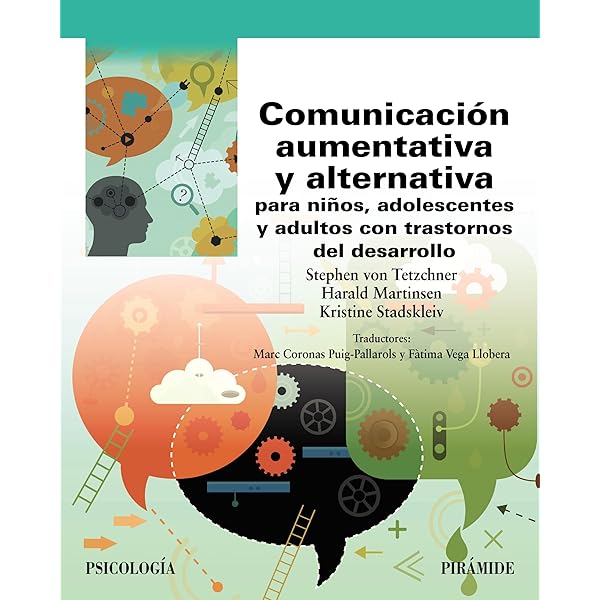
The cornerstone of this shift is the publication of "Comunicación aumentativa y alternativa para niños, adolescentes y adultos con trastornos del desarrollo," authored by experts Stephen von Tetzchner, Harald Martinsen, and Kristine Stadskleiv. The release of this comprehensive volume represents a milestone in the field.
The work serves as a foundational reference that addresses the four pillars of AAC practice: theoretical foundations, systematic assessment protocols, evidence-based intervention strategies, and the trajectory of language development in individuals with developmental disabilities. By standardizing this information in Spanish, the authors have provided a roadmap for practitioners who operate in diverse socioeconomic contexts. The text emphasizes that AAC is not a static tool but a dynamic developmental process that must be adapted to the user’s specific environmental and social triggers.
Chronology of AAC Resource Development
To understand the current state of the field, one must examine the timeline of resource dissemination:
- 1980s–1990s: The "pioneer era," during which AAC was largely conceptualized through American and Northern European research. Materials were almost exclusively in English, leading to a reliance on informal translations by individual practitioners.
- 2000s: The rise of regional networking. Organizations like ISAAC-España and various Latin American associations began to formalize the exchange of clinical data, leading to the first organized efforts to translate core research.
- 2015–2020: The digital revolution in AAC. The proliferation of web-based resources and digital publishing allowed for a rapid increase in the accessibility of professional guides, though peer-reviewed, long-form literature remained a bottleneck.
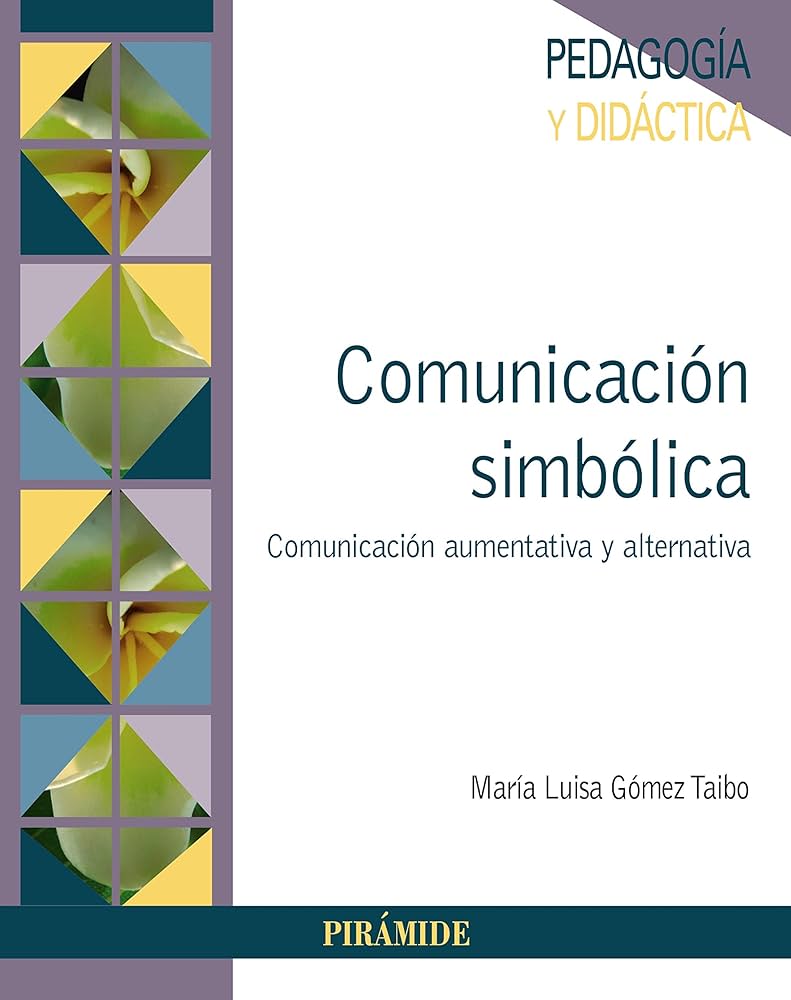
- 2021–Present: The era of localization and comprehensive integration. Recent publications, such as the von Tetzchner et al. text, signify a move toward high-level academic rigor in Spanish, ensuring that clinicians are no longer practicing in a vacuum of translated theory.
Supporting Data and Demographic Context
According to recent estimates from the World Health Organization (WHO) and regional disability councils, approximately 15% of the global population lives with some form of disability. A significant subset of these individuals requires AAC support to interact with their communities, access education, and advocate for their own human rights.
In Latin America, the challenge is amplified by a lack of specialized training programs. Data from regional speech-language pathology associations suggest that while interest in AAC has grown by nearly 40% in the last decade, professional confidence remains tethered to the availability of continuing education materials. The introduction of Spanish-language textbooks is correlated with a measurable increase in the adoption of standardized assessment tools, such as the Test of Aided-Communication Symbol Performance (TASP) or similar adapted diagnostics, which are increasingly being validated for Spanish-speaking populations.

Implications for Practitioners and Families
The professionalization of AAC in Spanish has profound implications for the quality of care. When a speech-language pathologist in a remote area of Chile or a teacher in an urban center in Mexico has access to the same theoretical framework as a researcher in Oslo or Boston, the disparity in care begins to narrow.
Moreover, the availability of these resources empowers families. Many of the modern guides are now structured with sections designed for the "communication partner"—the parent or sibling who acts as the primary facilitator for the AAC user. By providing clear, evidence-based guidance in their native language, these books demystify the technology and the social strategies required to support an AAC user, effectively moving the focus from "fixing" a disability to "facilitating" communication.
Official Perspectives on Inclusive Knowledge
Industry experts and representatives from global disability advocacy groups have noted that the "International Book Day" celebration serves as a vital reminder that information is a human right. In statements regarding the expansion of these resources, stakeholders have highlighted that access to knowledge is the first step toward social inclusion.
"The ability to communicate is a fundamental human right, not a luxury," noted one advocate. "When we provide high-quality, scientifically sound literature in the languages of the people we serve, we are not just teaching a skill; we are providing a voice."
Future Outlook and Policy Impact
The current trend suggests that the future of AAC will be defined by "contextual relevance." Future publications are expected to move beyond the translation of Western-centric theories toward the development of original research conducted by Spanish-speaking clinicians on their own populations.
Policy analysts suggest that as more evidence-based literature becomes available, it will become easier for health ministries and education departments in Spanish-speaking countries to justify the funding of AAC devices and training programs. Evidence-based policy requires evidence-based literature; therefore, the increase in Spanish-language AAC texts acts as a foundational element for government-backed inclusion initiatives.
Conclusion: The Road Ahead
As the community reflects on the importance of books as vehicles for progress, the field of AAC stands at a turning point. The integration of global research with local expertise, facilitated by accessible and high-quality translations, is creating a more equitable landscape for individuals with complex communication needs.
The ongoing challenge remains to ensure that these resources are not only available in major urban centers but reach the rural and marginalized communities where the need for communication support is often most acute. As practitioners, educators, and families continue to explore these resources, the collective goal remains the same: to foster a world where communication barriers are dismantled by the power of knowledge, shared language, and inclusive practice. By continuing to prioritize the translation and creation of such vital materials, the global AAC community ensures that no individual is left behind due to a lack of accessible information.