The Context of the AAC Transition Gap
For students utilizing AAC, the "cliff" that occurs upon aging out of the K-12 special education system is a well-documented phenomenon in disability advocacy. While school districts are federally mandated to provide assistive technology and speech-language pathology services, these resources often dissipate once a student turns 18 or 21, depending on state regulations.
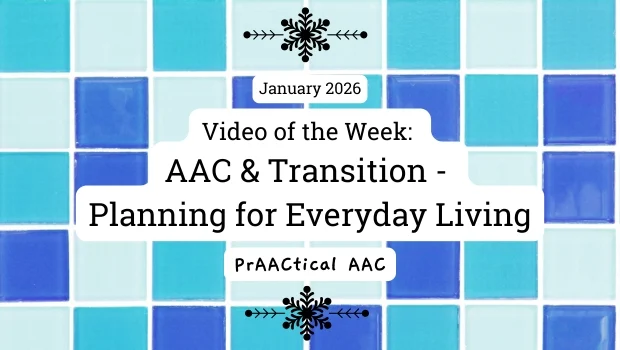
The AAC in the Cloud conference has emerged as a premier global forum for addressing these systemic gaps. Since its inception, the virtual, free-to-access conference has served as a centralized hub for clinicians, educators, and family members to exchange strategies for long-term AAC success. Kathryn Helland’s presentation serves as a cornerstone of this initiative, offering a practical framework for mitigating the loss of services that frequently leads to the abandonment of communication devices.
A Chronology of Communicative Development
To understand the urgency of Helland’s message, one must look at the developmental timeline of an AAC user.
Early intervention often focuses on foundational skills: establishing cause-and-effect, vocabulary acquisition, and functional requesting. As the user enters secondary education, the focus shifts toward academic integration and social navigation. However, the third phase—the transition to adulthood—is often the least prepared for.
- Early Childhood (Ages 0-5): Emphasis on foundational language acquisition and environmental integration.
- School Years (Ages 5-18/21): Emphasis on academic performance, peer interaction, and literacy development.
- The Transition Window (Ages 16-22): The critical period where individualized transition plans (ITPs) must incorporate AAC maintenance as a priority.
- Post-Educational Life (Ages 22+): The independent phase where communicative efficacy is tested against the requirements of employment, healthcare management, and social living.
Helland’s presentation argues that without a formal strategy developed during the "Transition Window," the probability of AAC abandonment increases significantly, leading to social isolation and a decline in quality of life.
Data-Driven Perspectives on AAC Longevity
Research into AAC outcomes suggests that the long-term success of a user is rarely determined by the device’s hardware, but rather by the infrastructure surrounding the user. According to various industry longitudinal studies, approximately 30% to 50% of AAC users abandon their systems within the first two years of leaving a formal education environment.
The primary factors contributing to this decline include:
- Technological Obsolescence: The failure to update software or hardware as the user’s cognitive and physical needs evolve.
- Provider Discontinuity: The difficulty of finding Speech-Language Pathologists (SLPs) in the private sector who specialize in complex AAC systems.
- Communication Partner Training: A lack of knowledge among residential staff, employers, or family members regarding how to support the user’s communication style.
Helland’s session provides a tactical response to these data points, emphasizing that planning for everyday living requires more than just technical training; it requires the education of the user’s ecosystem—the people they interact with on a daily basis.
Analyzing the Implications of Effective Transition Planning
The implications of successful AAC transition are profound. When an individual maintains their ability to express needs, preferences, and complex thoughts in adulthood, the measurable outcomes include increased rates of community participation, greater autonomy in medical decision-making, and a statistically higher likelihood of successful employment.
From a policy standpoint, the shift from school-based AAC support to community-based support represents a significant socioeconomic challenge. Healthcare systems and disability service providers are increasingly pressured to integrate assistive technology support into adult Medicaid waivers. Experts suggest that if the strategies outlined by practitioners like Helland are adopted at a systemic level, the financial burden on state-funded social services may decrease, as individuals become more capable of advocating for their own health and vocational needs.
Official Perspectives and Expert Consensus
The AAC community has largely lauded the availability of resources like Helland’s presentation. By making these materials accessible through platforms like the AAC in the Cloud archives, the barrier to entry for high-quality, evidence-based training is lowered.
"The goal is not just to keep the device functioning, but to keep the person connected to their world," note observers familiar with the work. The consensus among speech-language experts is that the transition process should ideally begin as early as middle school. This allows for the gradual transfer of responsibility from the teacher to the student, ensuring that by the time the student leaves the school system, they are not only the primary user of their device but also their own primary advocate for its maintenance and support.
Practical Steps for Stakeholders
Helland’s presentation offers a multi-layered approach for stakeholders, which includes:
- Empowerment of the User: Encouraging the user to take ownership of their vocabulary files, including the customization of social scripts for work or social settings.
- Developing a Communication Passport: A formal document that explains the user’s communication methods, device capabilities, and troubleshooting tips to new partners.
- Proactive Maintenance Agreements: Ensuring that funding for repairs, software updates, and professional consultations is secured through long-term disability service providers before the educational safety net disappears.
- Community Integration: Mapping out the user’s future environments—whether group homes, colleges, or workplaces—to identify potential communication partners who require training.
Broader Impact on Disability Rights
The discourse around AAC transition is inextricably linked to the broader disability rights movement. Communication is identified as a fundamental human right under the Americans with Disabilities Act (ADA) and various international conventions. When an adult is unable to communicate due to a lack of support, it constitutes a systemic failure to uphold these rights.
By promoting these resources, educators like Carole Zangari are contributing to a culture of long-term accountability. The transition to adulthood should not be viewed as the end of a developmental journey, but rather as the beginning of a new chapter of independence. The resources provided by Helland and the AAC in the Cloud team serve as a critical bridge between these two worlds.
For families and professionals currently navigating these challenges, the provided handouts and video recordings act as an essential toolkit. By standardizing the approach to transition, the community can move toward a future where AAC is not merely a school-day tool, but a lifelong instrument of self-expression.
The accessibility of this information is vital. In an era where digital resources are abundant but often fragmented, having a vetted, expert-led guide allows stakeholders to focus on the human element of communication rather than getting lost in the technicalities of service delivery. As the landscape of assistive technology continues to evolve with the integration of AI and more intuitive user interfaces, the principles of planning, advocacy, and persistent support remain the constant variables in ensuring a high quality of life for all AAC users.