
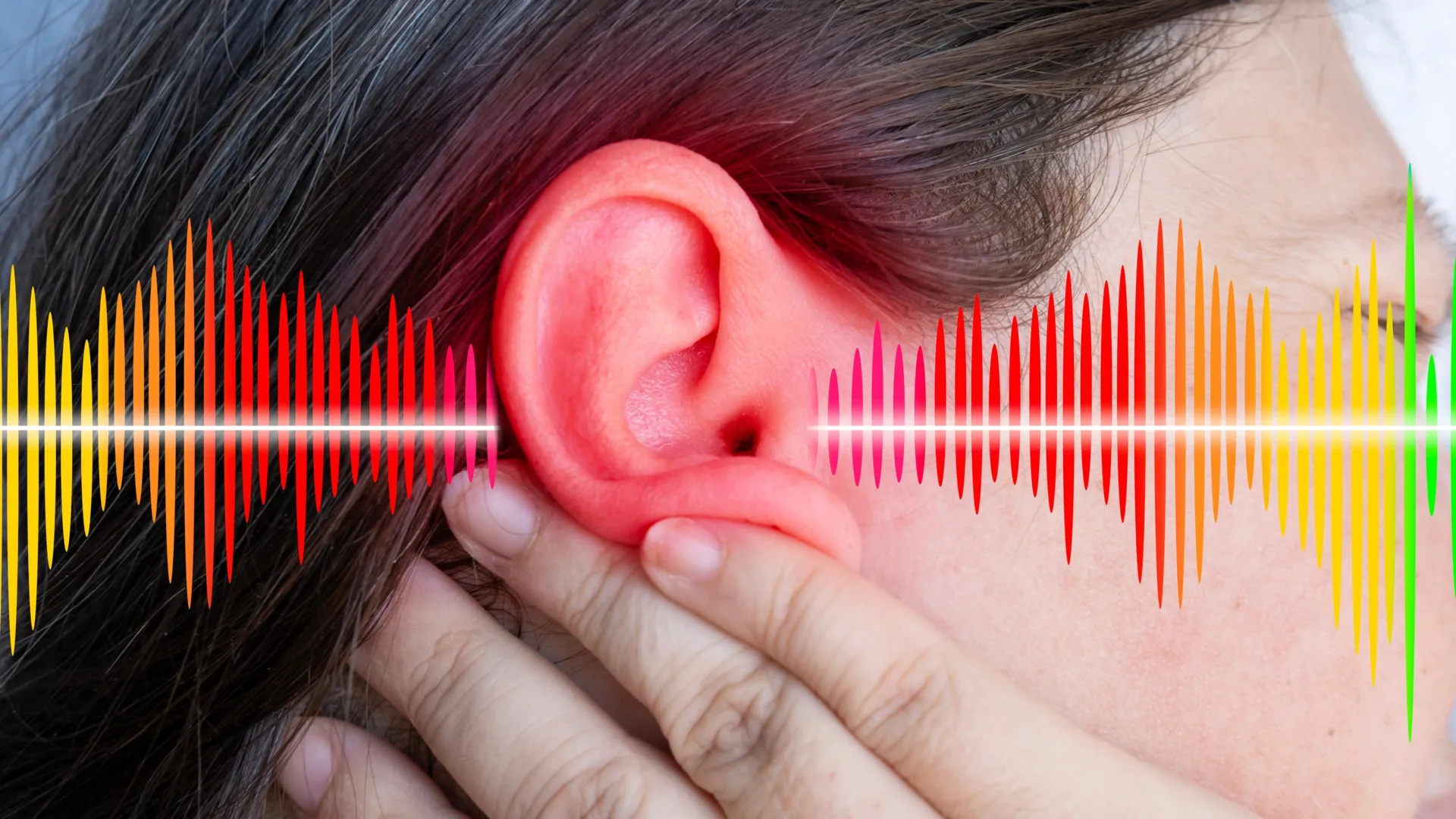
Tinnitus is characterized by the perception of sound—such as ringing, buzzing, or hissing—in the absence of an external acoustic source. While often dismissed as a minor annoyance, the condition can be severely distressing, leading to chronic sleep deprivation, cognitive interference, and clinical depression. Global estimates suggest that approximately 14% of the adult population experiences some form of tinnitus, with a significant portion of those cases classified as severe or life-altering. Despite its prevalence, the physiological "volume knob" for tinnitus has remained elusive until now.
The Serotonin Paradox in Auditory Processing
Serotonin is a neurotransmitter frequently celebrated as the "feel-good" chemical of the brain. It plays a pivotal role in regulating mood, appetite, and sleep. Because depression and anxiety are common comorbidities for tinnitus patients, doctors frequently prescribe SSRIs, such as Prozac, Zoloft, or Lexapro. These medications work by increasing the levels of serotonin available in the synaptic gaps between neurons.
However, the recent study led by co-senior author Laurence Trussell, Ph.D., a professor of otolaryngology in the OHSU School of Medicine and a scientist at the OHSU Vollum Institute, suggests that this increase in serotonin may be a double-edged sword. While the chemical may alleviate the emotional distress associated with chronic ringing, it appears to simultaneously stimulate the very neurons responsible for the phantom sounds.
The research team focused on the dorsal cochlear nucleus, a region of the brainstem where auditory information is first processed. They discovered that specific neurons in this area are highly sensitive to serotonin. When serotonin levels rise, these neurons become hyperactive, essentially "turning up the gain" on the internal noise that characterizes tinnitus. This finding explains a long-standing clinical observation: some patients report that their tinnitus symptoms intensify shortly after beginning a course of SSRI antidepressants.
Methodology: Mapping the Auditory Circuitry
The collaboration between OHSU and Anhui University utilized advanced neuroscientific techniques to isolate the effects of serotonin on the auditory system. The researchers employed optogenetics, a sophisticated method that involves genetically modifying specific neurons so they can be controlled using light. By using fiber optics to deliver light pulses to the brains of mice, the team was able to activate serotonergic neurons with surgical precision.
During the experiments, the scientists targeted the neurons that send serotonin signals directly to the auditory region of the brain. When these neurons were stimulated, the researchers observed a marked increase in activity within the auditory processing centers. To confirm that this activity translated to the experience of tinnitus, the team utilized a modified auditory startle test.
In this behavioral model, mice are placed in an environment with constant background noise. A sudden, loud sound is then played to elicit a startle response. If a mouse is experiencing tinnitus, the internal ringing "fills in" the gaps of silence or masks the background noise, altering how the animal reacts to the sudden sound. The results were definitive: when the serotonin circuit was activated, the mice behaved in a manner consistent with the presence of tinnitus. Conversely, when the researchers deactivated this specific circuit, the tinnitus-like symptoms were significantly ameliorated.
A Chronology of Discovery
The latest findings are the culmination of years of focused research into the dorsal cochlear nucleus. In 2017, Trussell and his colleagues published a foundational study that first hinted at the complex relationship between serotonin and auditory neurons. That earlier work established that the dorsal cochlear nucleus acts as a sensory integration hub, combining acoustic signals with somatosensory input (such as touch or jaw movement).
Between 2017 and 2023, the research team transitioned from general observations to mapping the specific pathways. The involvement of Zheng-Quan Tang, Ph.D., of Anhui University, was instrumental during this period. Tang, who began the project as a postdoctoral scholar in Trussell’s laboratory, sought to identify the exact "wiring" that connected the brain’s mood-regulating centers to its hearing centers.
The timeline of the research reflects a broader shift in the field of audiology. For decades, tinnitus was thought to be a problem localized within the ear itself. However, the OHSU and Anhui University studies contribute to a growing consensus that tinnitus is a neurological phenomenon—a "phantom limb" of the auditory system where the brain creates sound to compensate for a lack of input or as a result of neural misfiring.
Clinical Implications for Mental Health and Audiology
The revelation that serotonin-boosting medications can worsen tinnitus presents a complex challenge for healthcare providers. Depression and tinnitus often exist in a feedback loop; the constant noise can lead to depression, and the stress of depression can make the noise harder to ignore.
"People with tinnitus should work with their prescribing physician to find a drug regimen that gives them a balance between relief of psychiatric symptoms like depression and anxiety, while minimizing the experience of tinnitus," stated Dr. Trussell. He emphasized that the study is not a call for patients to cease taking their medications, but rather a guide for more personalized medical care.
Medical professionals are now being urged to validate patient reports regarding medication side effects. In the past, patients who complained that their antidepressants made their ears ring louder were sometimes met with skepticism, as the physiological link was not yet proven. This study provides the empirical evidence necessary for clinicians to take these reports seriously and adjust dosages or switch to alternative classes of antidepressants when necessary.
Broader Impact and the Future of Pharmacological Treatment
The OHSU research does more than identify a problem; it points toward a potential solution. By identifying the specific brain circuit involved, the study opens the door for the development of "site-specific" drugs.
Currently, SSRIs affect the entire brain, leading to systemic increases in serotonin. The future of tinnitus treatment may lie in medications that can distinguish between different types of serotonin receptors or target specific regions of the brain. If a drug could be developed to increase serotonin in the prefrontal cortex (to treat depression) while blocking serotonin receptors in the dorsal cochlear nucleus (to prevent tinnitus), it would represent a revolutionary step forward in neuropharmacology.
Furthermore, this research has implications for the broader understanding of sensory processing disorders. The mechanism discovered—where a neuromodulator like serotonin increases the sensitivity of a sensory circuit—could potentially be at play in other conditions, such as hyperacusis (an extreme sensitivity to everyday sounds) or even certain types of chronic pain.
Supporting Data and Global Statistics
The urgency of this research is underscored by the rising prevalence of hearing-related issues globally. According to the World Health Organization (WHO), over 1 billion young adults are at risk of permanent, avoidable hearing loss due to unsafe listening practices. As hearing loss is the primary risk factor for tinnitus, the number of people seeking treatment for "ringing ears" is expected to climb sharply in the coming decades.
Data from the American Tinnitus Association (ATA) indicates that nearly 50 million Americans experience some form of tinnitus. Of these, approximately 20 million struggle with chronic, burdensome symptoms, and 2 million are debilitated by it. The economic impact is also substantial, with billions of dollars lost annually in productivity and healthcare costs related to tinnitus management.
The OHSU study was supported by the National Institutes of Health (NIH) through award RO1DC004450. While the NIH provided the funding, the authors clarified that the conclusions are their own and do not necessarily reflect the official views of the federal agency. Nonetheless, the federal investment in this research highlights the recognition of tinnitus as a major public health priority.
Moving Toward a Balanced Approach
As the scientific community digests the findings published in the Proceedings of the National Academy of Sciences, the focus shifts toward human clinical trials and the refinement of treatment protocols. The discovery of the serotonin-auditory circuit provides a roadmap for future investigations into how other neurotransmitters, such as dopamine or GABA, might also influence the perception of sound.
For the millions of people currently navigating the intersection of mental health and hearing health, the message from the research team is one of cautious optimism. While the link between serotonin and tinnitus adds a layer of complexity to treatment, it also removes the "mystery" from why certain treatments may have failed in the past.
"This gives us a much clearer picture of what’s going on in the brain—and points toward new possibilities for treatment," said Dr. Tang. By moving away from a one-size-fits-all approach to serotonin, medicine may finally be able to silence the ringing for those who have lived in a world of constant noise for far too long. The study marks a definitive turning point in the field, transforming tinnitus from an untreatable symptom into a manageable neurological condition.