The Cerebellar Burden: A Crisis of Coordination
The cerebellum occupies only about 10% of the brain’s volume but contains more than half of its total neurons. It acts as the body’s master coordinator, processing sensory input to fine-tune motor activity. When MS targets this region, the consequences are profound. Patients often experience ataxia, a condition characterized by a lack of muscle control during voluntary movements, such as walking or picking up objects. As the disease progresses, these symptoms frequently transition from intermittent episodes to a steady, irreversible decline in mobility.
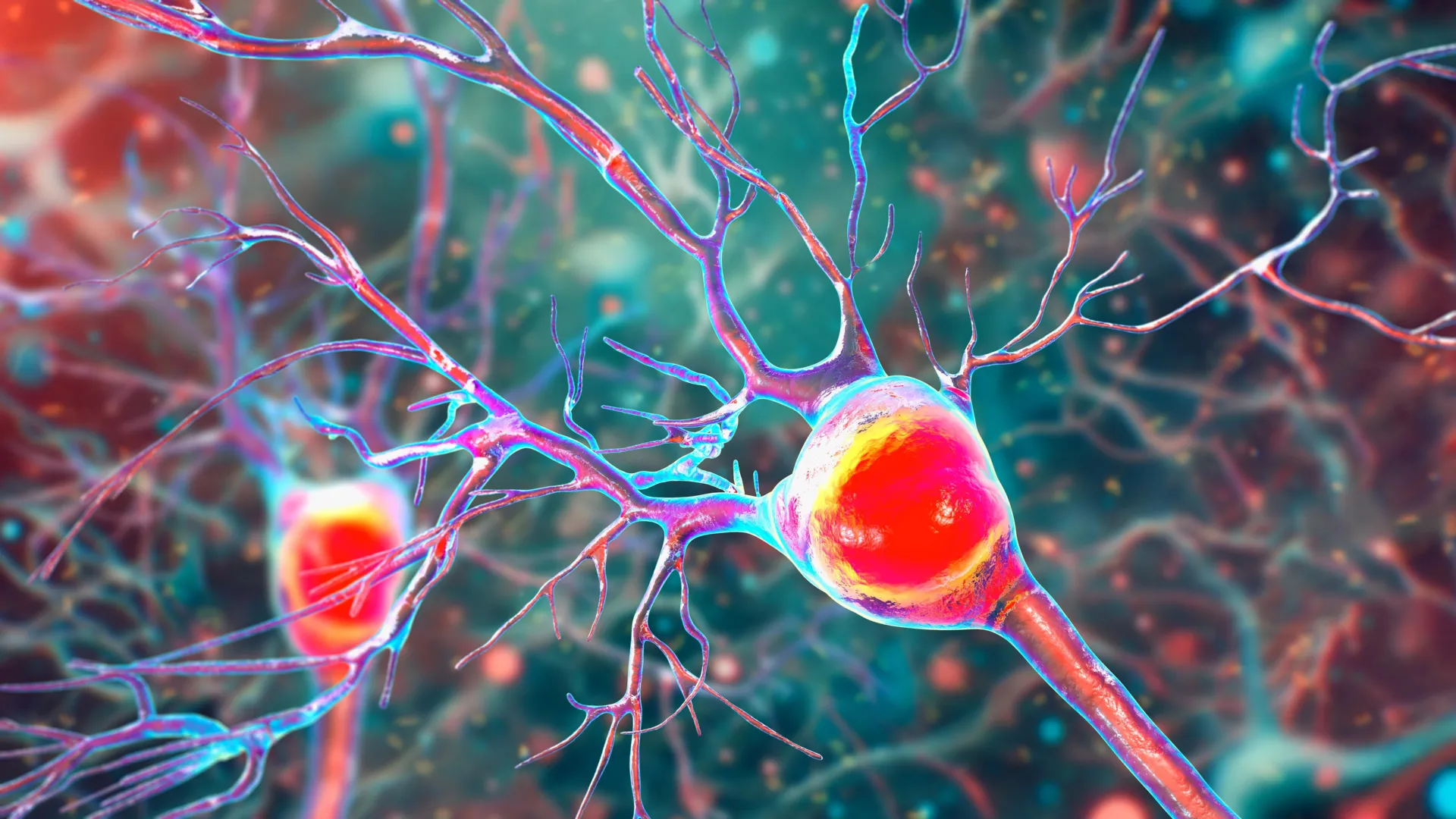
According to the UCR study, led by Seema Tiwari-Woodruff, a professor of biomedical sciences in the UC Riverside School of Medicine, the gradual loss of healthy cerebellar tissue is not a random occurrence but a specific failure of cellular energy. The research team focused on Purkinje cells, which are among the largest and most metabolically demanding neurons in the human body. These cells are essential for inhibitory signals that prevent jerky, uncoordinated movements. When Purkinje cells die, the brain loses its ability to calibrate motion, leading to the tremors and instability that define the advanced stages of MS.
The Mechanism of Decay: Demyelination and Mitochondrial Failure
Multiple sclerosis is traditionally defined by two hallmark processes: chronic inflammation and demyelination. The myelin sheath acts as an insulating layer around nerve fibers, allowing electrical impulses to travel at high speeds. In MS, the immune system mistakenly attacks this sheath, leaving nerves exposed. Without insulation, the electrical signals slow down or dissipate entirely, causing the "short-circuit" symptoms familiar to MS patients.
However, the UCR research suggests that demyelination is only the beginning of a more complex chain reaction. The study proposes that the loss of myelin places an immense metabolic strain on the underlying neuron. Without the efficiency provided by the myelin sheath, the neuron requires significantly more energy to transmit signals. This is where the mitochondria—the organelles responsible for producing Adenosine Triphosphate (ATP), the cell’s energy currency—come into play.
"Our study proposes that inflammation and demyelination in the cerebellum disrupt mitochondrial function, contributing to nerve damage and Purkinje cell loss," explained Professor Tiwari-Woodruff. The team observed a significant reduction in a specific mitochondrial protein known as COXIV (Cytochrome c oxidase subunit 4) within demyelinated Purkinje cells. COXIV is a critical component of the electron transport chain, the process by which mitochondria generate energy. When this protein is lost, the mitochondria become dysfunctional, leading to an "energy crisis" within the cell. Unable to meet its metabolic demands, the Purkinje cell eventually undergoes programmed cell death, or apoptosis.
Chronology of Disease Progression: From Inflammation to Atrophy
The research team utilized a dual approach to map the timeline of this cellular destruction. They analyzed postmortem cerebellar tissue from individuals who had lived with secondary progressive MS (SPMS)—a stage of the disease where disability increases regardless of relapses—and compared it with tissue from healthy donors. To observe the process in real-time, they also utilized an experimental autoimmune encephalomyelitis (EAE) mouse model, which mimics the clinical and pathological features of human MS.
The chronology identified by the researchers suggests a distinct three-stage process of cerebellar decline:
- Early-Stage Demyelination: In the initial phases of the disease, the immune system attacks the myelin surrounding the Purkinje cells. While the neurons remain intact at this stage, their ability to communicate begins to falter.
- Mitochondrial Impairment: As demyelination persists, the metabolic stress on the neuron increases. The researchers found that mitochondrial dysfunction, evidenced by the loss of the COXIV protein, begins early in the disease course, well before the neurons themselves disappear.
- Neuronal Atrophy and Death: The final stage is the physical loss of the Purkinje cells. The researchers noted that the surviving neurons in the cerebellum of MS patients had fewer "branches" (dendrites), further reducing their ability to process information. This cumulative damage results in the permanent loss of motor function and the onset of chronic ataxia.
By identifying that mitochondrial failure precedes cell death, the study highlights a critical "window of opportunity" for medical intervention. If the energy supply of the brain cells can be protected or restored early on, the irreversible loss of neurons might be prevented.
Supporting Data: The Role of COXIV and Purkinje Morphology
The data presented in the PNAS paper provides a stark visualization of the damage. In the human tissue samples obtained from the National Institutes of Health’s NeuroBioBank and the Cleveland Clinic, the researchers found that demyelinated regions of the cerebellum showed a dramatic decrease in the density of Purkinje cells compared to healthy controls. Furthermore, the surviving cells in these regions exhibited a "shriveled" appearance, with significantly reduced dendritic complexity.
In the EAE mouse models, the team was able to track the decline of mitochondrial activity through fluorescent labeling and protein analysis. They discovered that the reduction in COXIV protein levels directly correlated with the severity of the mice’s motor deficits. As COXIV levels dropped, the mice exhibited increased difficulty with balance and gait, mirroring the progression seen in human patients. This correlation provides strong evidence that the loss of mitochondrial integrity is not just a byproduct of MS, but a central driver of the disease’s physical manifestations.
Implications for Future Therapeutics: Beyond Immunomodulation
For decades, the standard of care for MS has focused on immunomodulatory therapies. These drugs work by suppressing or altering the immune system to reduce the frequency of inflammatory attacks (relapses). While highly effective for relapsing-remitting MS (RRMS), these treatments have historically shown limited efficacy in halting the progression of disability in the secondary progressive and primary progressive forms of the disease.
The UCR findings suggest that the next frontier of MS treatment must involve neuroprotection and metabolic support. "Targeting mitochondrial health may represent a promising strategy to slow or prevent neurological decline," said Tiwari-Woodruff. This could involve the development of drugs that boost COXIV expression, protect mitochondria from oxidative stress, or provide alternative energy sources to stressed neurons.
Furthermore, the study opens the door to "myelin repair" therapies. If the primary cause of mitochondrial failure is the metabolic strain caused by demyelination, then regenerating the myelin sheath could effectively "insulate" the neuron once more, reducing its energy demands and preventing cell death.
The Broader Impact and Continued Research
The research conducted by the UCR team, which included graduate student Kelley Atkinson and a diverse group of researchers such as Shane Desfor and Micah Feria, is now expanding to look at the "support staff" of the brain. The team is investigating whether mitochondrial damage also affects oligodendrocytes (the cells that produce myelin), astrocytes (which provide structural and metabolic support), and microglia (the brain’s resident immune cells).
Understanding how these different cell types interact during the energy crisis of MS is essential for creating a comprehensive treatment plan. For instance, if astrocytes also suffer from mitochondrial failure, they may lose their ability to provide vital nutrients to Purkinje cells, further accelerating their decline.
Professor Tiwari-Woodruff also used the publication of this study to emphasize the necessity of continued public and private investment in medical research. "Cutting funding to science only slows progress when we need it most," she stated, noting that the study was made possible by the National Multiple Sclerosis Society. "Public support for research matters now more than ever."
As the scientific community moves forward, the focus on the cerebellum and its metabolic health offers a new beacon of hope for the millions living with MS. By shifting the perspective from the immune system to the internal "powerhouses" of the brain, researchers are uncovering the mechanisms of disability and, more importantly, the potential pathways to stop it in its tracks. The UCR study stands as a significant milestone in the journey toward a future where MS no longer means a slow loss of independence and mobility.