A Legacy of Connectivity: Understanding AudioLink
AudioLink has long served as a vital bridge, ensuring seamless connectivity for users of MED-EL’s SONNET, SONNET 2, and RONDO 3 audio processors. Its primary role has been to facilitate wireless audio streaming and provide essential functionalities that enhance the user experience in various environments. It functions as a universal connectivity device, offering a reliable method for users to access audio from external sources. This has included its utility as a remote microphone, allowing individuals to better focus on conversations in challenging acoustic settings, and its capability to stream audio directly from non-smart televisions. The original AudioLink established a baseline for convenience and accessibility in audio processing accessories, setting the stage for further innovation.
The Arrival of AudioLink XT: A Leap Forward for SONNET 3 Users
The release of the SONNET 3 audio processor marked a significant milestone for MED-EL, and with it came the debut of AudioLink XT. While AudioLink XT is engineered for direct compatibility with the SONNET 3, it also offers backward compatibility for users of older audio processors through the AudioStream technology or the AudioStream Adapter. This thoughtful design ensures that a wider user base can benefit from its advanced features, preventing obsolescence and fostering continued technological engagement. The introduction of AudioLink XT signifies MED-EL’s commitment to ongoing product development and its dedication to providing cutting-edge solutions that adapt to the evolving needs of the hearing loss community.
Newly Integrated Features: Expanding Horizons of Sound
AudioLink XT introduces several key innovations that differentiate it from its predecessor, focusing on enhanced flexibility and user comfort. One of the most significant additions is the availability of an FM Adapter. This compact adapter simply plugs into the AudioLink XT, instantly enabling it to receive FM broadcasts. Previously, receiving FM signals with the original AudioLink required the use of a separate FM cover that attached directly to the audio processor. This new approach with AudioLink XT offers a more streamlined and discreet solution. The absence of an additional, bulkier component is particularly beneficial for younger users, as it minimizes added weight and enhances comfort, especially for children with developing auditory systems. This is a crucial consideration in pediatric audiology, where comfort and ease of use can directly impact a child’s willingness to wear and benefit from their assistive listening devices.
Another notable advancement within AudioLink XT is its integrated telecoil. This feature is especially valuable in large, reverberant environments such as auditoriums, lecture halls, or theaters. A telecoil is a small induction coil that receives electromagnetic signals from compatible sound systems, such as those found in many public venues. By receiving this direct audio signal, the telecoil bypasses ambient noise and room acoustics, delivering a clearer and more focused sound to the hearing device. This translates to a significantly improved listening experience in places where background noise and echoes can often make speech unintelligible. The inclusion of an integrated telecoil within AudioLink XT represents a significant upgrade for users who frequently navigate such challenging acoustic spaces.
Tried and True Features: Enduring Functionality
Despite the introduction of new capabilities, AudioLink XT retains the highly valued features that made the original AudioLink a trusted accessory for many. The ability to function as a remote microphone remains a cornerstone of both devices. This functionality is critical for individuals who struggle to isolate speech in noisy environments. By placing the AudioLink or AudioLink XT closer to the sound source, such as a speaker in a crowded restaurant or a presenter at a conference, users can effectively direct sound to their audio processor, enhancing comprehension and reducing listening fatigue.
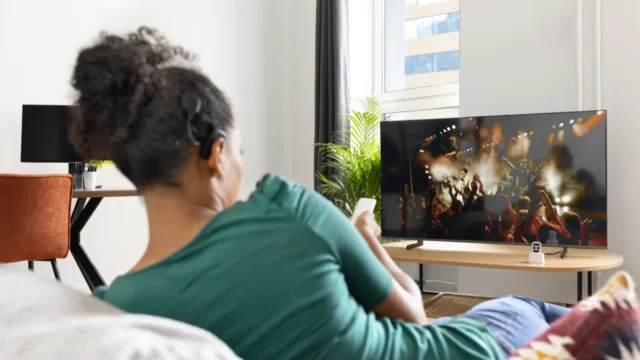
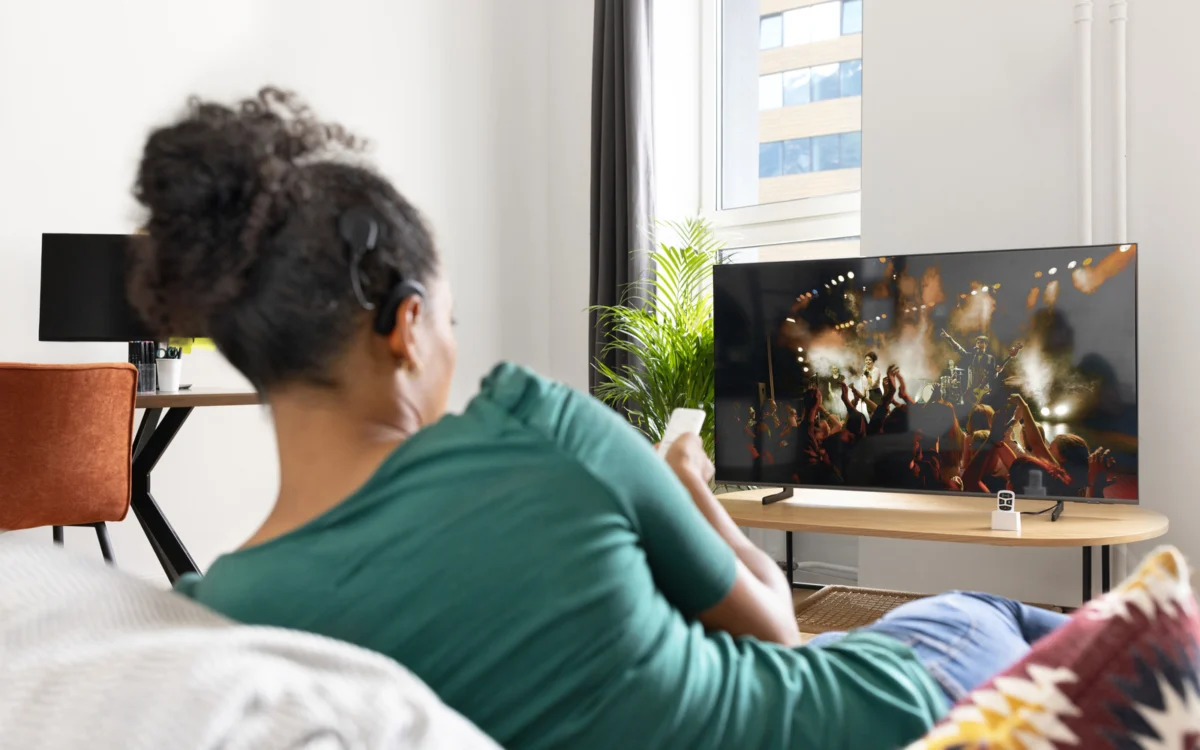
Furthermore, both AudioLink and AudioLink XT continue to offer the convenience of streaming audio from non-smart televisions. This feature addresses a common challenge for many individuals with hearing loss, as traditional television audio can be difficult to follow, especially at lower volumes. By enabling direct streaming, these devices ensure a clear and immersive audio experience, allowing users to enjoy their favorite programs without constant frustration. The preservation of these core functionalities ensures that users transitioning from the original AudioLink to AudioLink XT will not experience a loss of familiar and essential features.
Feature Comparison: A Clearer Picture of Advancements
To provide a comprehensive understanding of the enhancements offered by AudioLink XT, a comparative overview of key features is instructive:
| Feature | AudioLink | AudioLink XT |
|---|---|---|
| FM Connection | No | With FM Adapter |
| Range | 3 meters | 10-15 meters |
| Bimodal Compatibility | No | Yes, with ASHA-compatible hearing aids |
| SONNET 3 Compatibility | No | Yes |
| Integrated Telecoil | No | Yes |
This table highlights several key areas where AudioLink XT surpasses its predecessor. The most striking difference is the extended range of AudioLink XT, which boasts a range of 10-15 meters compared to the original AudioLink’s 3 meters. This significant increase in wireless connectivity allows users greater freedom of movement and a more robust connection in various settings. The introduction of bimodal compatibility with ASHA-compatible hearing aids is another transformative feature. This allows users who have a cochlear implant in one ear and a hearing aid in the other to stream audio directly to both devices simultaneously, creating a more balanced and immersive auditory experience. The direct SONNET 3 compatibility ensures that users of the latest audio processor can leverage its full potential with the most advanced accessory. Finally, the inclusion of an integrated telecoil, as previously discussed, significantly enhances usability in public venues.
Bimodal Connectivity: A Harmonious Integration of Sound
The advancements in bimodal connectivity with AudioLink XT are particularly noteworthy for individuals who utilize both a cochlear implant and a hearing aid. For these users, achieving a synchronized and high-quality audio experience across both devices has historically presented challenges. AudioLink XT, when paired with an ASHA-compatible phone and a hearing aid, enables direct streaming to the hearing aid. This capability simplifies the process of receiving audio from multiple sources and ensures that sound is delivered to both ears in a consistent and optimal manner. This integration is a significant step forward in providing a more natural and comprehensive hearing experience for bimodal users, allowing them to seamlessly transition between different listening environments and sources. The ability to stream to two separate hearing devices simultaneously removes a significant barrier to auditory participation and enjoyment.
Empowering Users with Resources: Video Tutorials and Expert Insights
MED-EL understands that the adoption of new technology can be enhanced with readily available support and educational resources. To help users maximize their experience with AudioLink XT, the company offers a suite of hands-on video tutorials. These videos provide clear, step-by-step instructions on how to use the various features of AudioLink XT, including its operation as a remote microphone. For those seeking a deeper understanding, an entire playlist of these helpful tutorials is accessible online, covering a comprehensive range of functionalities.
Beyond practical guidance, MED-EL also provides avenues for users to delve into the technological underpinnings and real-world applications of AudioLink XT. An episode of the MED-EL podcast features professional experts, including a bilateral cochlear implant user, who share their insights and experiences with the new device. This offers valuable perspectives and addresses potential user queries in an engaging and informative format. Furthermore, a dedicated support page on the MED-EL website offers additional assistance and resources for users who require further help in optimizing their AudioLink XT experience. This commitment to user education and support underscores MED-EL’s holistic approach to hearing technology, ensuring that users are not only provided with advanced devices but also the knowledge and tools to utilize them effectively.
The AudioKey 3 app further complements the AudioLink XT experience for cochlear implant users. This application offers a range of functionalities that can be utilized in conjunction with the audio processor and its accessories, allowing for personalized adjustments and enhanced control over the hearing experience. Information on how to leverage the combined power of SONNET 3, AudioLink XT, and AudioKey 3 is available through dedicated resources, empowering users to achieve the most from their advanced hearing solutions.
Broader Implications and Future Directions
The introduction of AudioLink XT represents more than just an incremental upgrade; it signifies a strategic advancement in assistive listening technology. By integrating features like an FM adapter and telecoil, and by enhancing wireless range and bimodal compatibility, MED-EL is directly addressing the diverse and evolving needs of cochlear implant recipients. The focus on user comfort, particularly for younger recipients, highlights a commitment to pediatric audiology and the long-term well-being of children with hearing loss.
The increased range and bimodal connectivity capabilities of AudioLink XT have significant implications for social inclusion and participation. Individuals with hearing loss often face barriers in communication and engagement in various social settings. Enhanced connectivity and clearer audio transmission can help to dismantle these barriers, enabling users to participate more fully in conversations, educational environments, and recreational activities. This, in turn, can lead to improved quality of life, increased confidence, and greater independence.
The ongoing development of accessories like AudioLink XT, alongside sophisticated audio processors like SONNET 3, demonstrates a clear trend towards more integrated and personalized hearing solutions. As technology continues to advance, we can anticipate further innovations that will seamlessly blend the digital and auditory worlds, offering even greater potential for restoring and enhancing hearing. The emphasis on user support and educational resources also sets a precedent for how technology companies can foster a supportive ecosystem around their products, ensuring that users are empowered to embrace and benefit from the latest advancements. MED-EL’s proactive approach in releasing these enhanced connectivity solutions positions them at the forefront of innovation in the field of cochlear implantation and hearing restoration.