
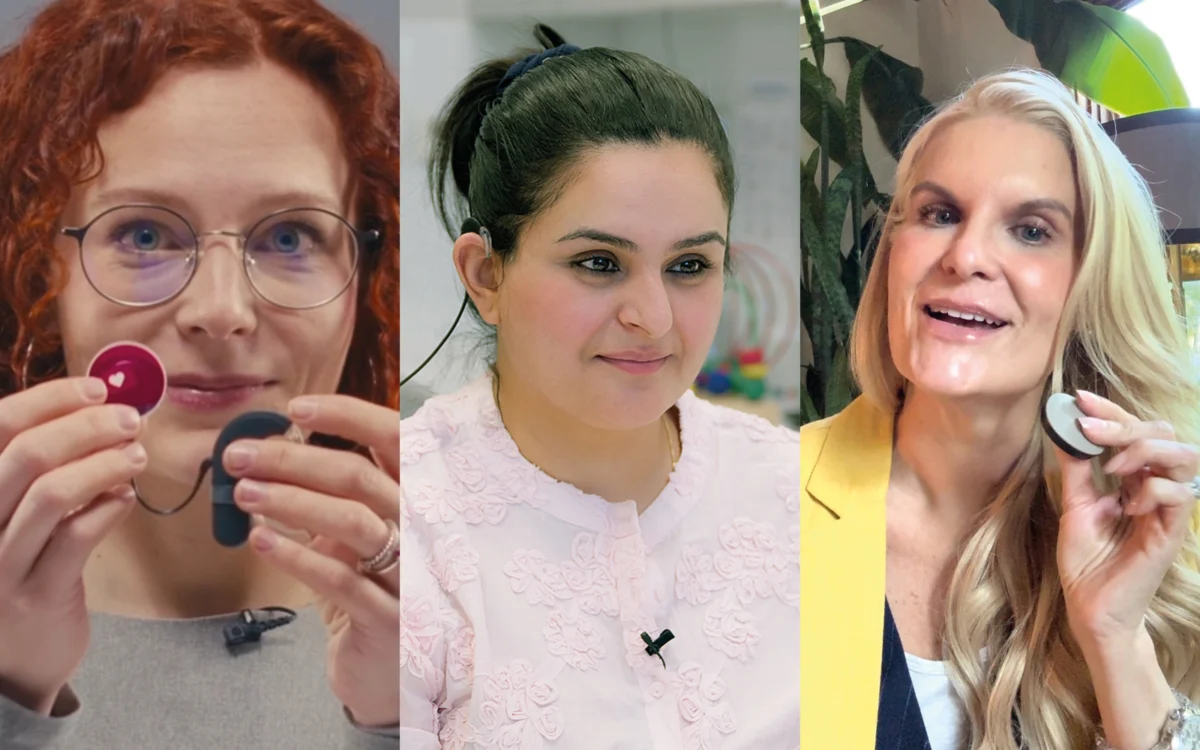
The transformative impact of ABF is vividly illustrated by the experiences of three distinct MED-EL users: Mariia, a neuroscientist from Russia who utilizes bilateral cochlear implants; Nandini, a bimodal user from the UK navigating lifelong progressive hearing loss; and Tracie, a user from the US living with single-sided deafness following a sudden hearing loss. Despite their diverse backgrounds, hearing journeys, and implant configurations, their testimonials consistently highlight a shared sentiment: ABF delivers a more natural, comfortable, and ultimately, life-enhancing auditory experience. These are not merely technical adjustments; they represent a profound shift in how users connect with the world around them, unlocking those "small but unforgettable moments" that define meaningful progress in hearing rehabilitation.
Understanding Anatomy-Based Fitting: A Precision Approach to Sound
At its core, natural hearing relies on a sophisticated tonotopic organization within the cochlea, where different frequencies are processed at specific locations along its spiral. Conventional cochlear implant fitting methods, while effective, often rely on generalized models to map sound frequencies to the electrode array implanted within the cochlea. Anatomy-based fitting, however, represents a significant leap forward by integrating post-operative imaging data, such as computed tomography (CT) scans, with advanced planning software like MED-EL’s OTOPLAN.
This sophisticated process allows audiologists to visualize the precise location of each electrode contact within the individual user’s cochlea. Armed with this detailed anatomical map, audiologists can then more accurately align the coded frequency information delivered by the cochlear implant to the specific neural pathways stimulated by each electrode. This personalized approach moves beyond a one-size-fits-all model, aiming to replicate the natural pitch perception of the cochlea with unprecedented precision. The result is a fitting that is not only more technically accurate but designed to foster a more intuitive and natural auditory perception.
The Profound Impact of Personalization: Beyond Technicality
The testimonials from Mariia, Nandini, and Tracie underscore a crucial insight: the true value of ABF lies not in its complex technical underpinnings, but in the profound sense of relief, ease, and familiarity it brings to users’ daily lives. These are not users discussing decibel levels or frequency ranges in isolation; they are speaking about the emotional and functional benefits of hearing that finally feels "right."
Mariia, who had years of experience with a conventional fitting on one side before embracing ABF, experienced a significant improvement in comfort. A subtle, persistent disharmony in her own voice, a common challenge for many cochlear implant users, vanished, replaced by a natural resonance. Music, too, became richer and more immersive. For Mariia, ABF didn’t introduce a miraculous new soundscape, but rather eliminated the last vestiges of artificiality, paving the way for a seamless and effortless hearing experience.
Nandini’s experience was marked by an almost immediate shift in sound quality. She described the sound as less "tinny" and "robotic," becoming smoother and less cognitively demanding. This wasn’t just a change in the perceived quality of sound, but a fundamental alteration in the very sensation of listening, leading to a profound sense of relief, as if her auditory system could finally relax.
Tracie’s journey with ABF introduced a different dimension. As a user with single-sided deafness, her experience with ABF initially required a period of adjustment and dedicated listening practice, particularly after months on a default fitting. However, her perseverance was driven by a keen awareness of ABF’s potential. Over time, she found that ABF significantly improved her ability to "twinning" – harmonizing the sound from her cochlear implant with her natural hearing ear. This enhanced synergy led to greater comfort and a remarkably natural sound quality, demonstrating ABF’s capacity to optimize hearing even in complex scenarios.
"Wow" Moments: Rediscovering the Nuances of Sound
The most compelling narratives of ABF’s impact often emerge from the re-discovery of everyday sounds, moments of unexpected clarity that reaffirm the richness of the auditory world.
For Mariia, a pivotal "wow" moment arrived when she heard her own voice and recognized it with absolute certainty: "That’s me." The constant presence of one’s own voice makes even the slightest auditory mismatch deeply noticeable. ABF’s precise fitting erased this subtle discord, restoring a sense of vocal authenticity. Furthermore, she observed that environmental sounds on her newly implanted side began to approximate natural perception much sooner than with her previous fitting.
Nandini’s unforgettable moment involved the simple act of opening a can of soda. Beyond the initial sound, she was able to discern the subtle fizz, the effervescent bubbles, and the textural details of the drink – nuances she had almost forgotten existed. This newfound appreciation for sonic detail transformed her perception of sound, rendering it less artificial and more profoundly natural.
Tracie’s breakthrough occurred in a bustling, crowded environment. Instead of being overwhelmed by a cacophony of sounds, she experienced a remarkable cognitive shift as her brain began to actively organize the auditory input. This transformation turned a potentially exhausting listening experience into a purposeful one, fostering new auditory skills and a burgeoning sense of confidence in challenging soundscapes.
User Ratings and Daily Life Integration
Across these diverse experiences, a consistent pattern emerges regarding the daily integration of ABF:
- Enhanced Comfort: Users frequently report a significant reduction in listening fatigue and a general sense of greater comfort, allowing for longer periods of engagement with auditory information.
- Improved Speech Understanding: While not solely a technical metric, the improved naturalness of sound often translates into better comprehension of speech, particularly in challenging listening environments.
- Richer Music Perception: The more precise pitch mapping and natural sound quality contribute to a more enjoyable and nuanced appreciation of music.
- Greater Confidence: The ability to navigate social situations, participate in conversations, and engage with the world more fully bolsters users’ overall confidence.
The Ongoing Role of Adaptation: A Collaborative Process
While ABF represents a significant advancement in personalized fitting, it is crucial to acknowledge that the brain’s capacity to adapt remains a cornerstone of successful cochlear implant rehabilitation. MED-EL’s ABF, while highly individualized, does not always yield instantaneous results for every user. The fitting is a sophisticated starting point, but the brain requires time and conscious effort to fully process and integrate the new auditory information.
Mariia experienced a rapid adjustment, integrating the new sounds within days. Nandini’s journey to her optimal hearing level spanned several months, highlighting a gradual acclimatization process. Tracie’s experience underscored the necessity of active listening practice, patience, and commitment, especially following a temporary recalibration of her auditory perception. The consistent advice across all users is clear: the fitting is a critical component, but the user’s engagement in the adaptation process is equally vital for unlocking ABF’s full potential. This often involves dedicated listening exercises, seeking regular follow-ups with audiologists, and actively engaging with the auditory world.
Why Users Champion Anatomy-Based Fitting
The overwhelming sentiment from users is that ABF is a worthwhile endeavor, driven by the pursuit of more than just access to sound, but a deeper, more fulfilling relationship with it. This includes:
- Reduced Auditory Strain: Less mental effort is required to process sound, leading to a more relaxed and enjoyable listening experience.
- Heightened Comfort: A greater sense of ease and naturalness pervades daily auditory interactions.
- More Accurate Pitch Perception: The precise mapping of frequencies contributes to a more natural representation of pitch.
- Authentic Vocal Identity: The sound of one’s own voice feels more familiar and genuine.
- Increased Confidence: Users report feeling more assured in communication, professional settings, and social engagements.
- Enhanced Music Appreciation: The nuances and complexities of music are more fully realized.
These experiences highlight three primary advantages of ABF:
- Unparalleled Personalization: ABF moves beyond generalized fitting protocols to create an auditory map tailored to the individual’s unique cochlear structure.
- Closer to Natural Hearing: By aligning sound coding with anatomical reality, ABF strives to replicate the intricate processes of natural hearing more closely.
- Empowered Listening: ABF empowers users to engage with the auditory world more effectively and with greater confidence, fostering a more active and rewarding listening experience.
For individuals willing to invest the necessary time and effort in the adaptation process, ABF offers a pathway to a profoundly more personalized and rewarding hearing journey with a cochlear implant.
The Future of Hearing: An Individualized Fit
At its essence, anatomy-based fitting embodies a fundamental principle: hearing should be as unique as the individual. By meticulously considering the intricate anatomical landscape of each cochlea, ABF brings the experience of hearing with a cochlear implant significantly closer to the natural auditory process, not only in terms of performance but also in its subjective feel.
For Mariia, Nandini, and Tracie, this paradigm shift has yielded tangible and deeply personal improvements. It has reshaped how they perceive sound, how they connect with others through communication, and how they experience the richness of the world around them. Ultimately, for these users and many others, the most significant transformation is not simply hearing more, but hearing in a way that finally feels profoundly and unequivocally right.
The ongoing advancements in cochlear implant technology, particularly in personalized fitting methodologies like ABF, signal a promising future for individuals seeking to regain not just audibility, but a truly natural and integrated auditory experience. As research continues and more users embrace these innovations, the landscape of hearing rehabilitation is poised for further evolution, prioritizing individual needs and fostering a deeper connection with the auditory world.