
The Nature of Mixed Hearing Loss
Mixed hearing loss, also referred to as mixed conductive and sensorineural hearing loss, signifies a pathology affecting two distinct parts of the auditory pathway within the same ear. Typically, the sensorineural component, related to the inner ear or hearing nerve, is permanent and may be progressive. In contrast, the conductive element, stemming from issues in the outer or middle ear, can sometimes be temporary or amenable to medical or surgical intervention. This duality distinguishes it from purely conductive or sensorineural hearing losses.
To illustrate the differences, consider the following comparison:
| Type of Hearing Loss | Location of Problem | Sound Transmission | Common Causes | Treatability |
|---|---|---|---|---|
| Conductive Hearing Loss | Outer or middle ear | Sound struggles to reach the inner ear efficiently. | Ear infections, middle ear fluid, earwax impaction, eardrum perforation. | Often treatable with medication or surgery. |
| Sensorineural Hearing Loss | Inner ear or auditory nerve | Sound reaches the inner ear but is processed poorly. | Age-related changes (presbycusis), noise-induced hearing loss, ototoxic medications, genetic predisposition. | Generally permanent; managed with hearing devices. |
| Mixed Hearing Loss | Outer/middle ear and inner ear or auditory nerve | Sound is both reduced in volume and distorted/unclear. | Combination of conductive and sensorineural causes, e.g., age-related loss compounded by an ear infection. | Conductive aspect may be treatable; sensorineural aspect managed with devices. Hearing aid benefits may be limited by the conductive component. |
Recognizing the Signs: Symptoms and Everyday Impact
The manifestations of mixed hearing loss can vary significantly in severity, from subtle difficulties to profound communication impairments. Individuals may experience a reduced perception of loudness for all sounds, alongside a noticeable lack of clarity. This can translate into several common symptoms:

- Difficulty understanding speech, particularly in noisy environments.
- Muffled or indistinct speech perception.
- The need to ask for repetition more frequently.
- Perceiving sounds as too quiet, even when others find them at a normal or loud volume.
- Tinnitus (ringing or buzzing in the ears).
- A feeling of fullness or pressure in the ear.
The impact of these symptoms extends beyond audiological concerns, affecting an individual’s emotional and social well-being. Everyday challenges can include:
- Social withdrawal due to the frustration of not being able to participate in conversations.
- Reduced confidence in social and professional settings.
- Increased feelings of isolation and loneliness.
- Fatigue from the constant effort of trying to hear and understand.
- Anxiety or stress related to communication breakdowns.
- Avoidance of certain activities that were once enjoyable.
These experiences underscore the importance of seeking professional evaluation when any signs of hearing loss are noticed. Hearing well is intrinsically linked to maintaining social connections, self-assurance, and a sense of inclusion in daily life.
Unraveling the Causes: Risk Factors and Etiology
Mixed hearing loss typically arises from a confluence of factors affecting different parts of the auditory system. It is often not attributable to a single cause but rather a cumulative effect of several issues over time.
Common contributing factors include:
- Age-Related Hearing Loss (Presbycusis): As individuals age, the delicate hair cells in the cochlea (inner ear) can degenerate, leading to sensorineural hearing loss. If an individual with presbycusis develops a middle ear issue, they will have mixed hearing loss.
- Chronic Ear Infections: Persistent or recurrent middle ear infections (otitis media) can lead to fluid buildup, scarring, and eardrum damage, causing conductive hearing loss. If these infections occur in an ear already affected by age-related or noise-induced sensorineural hearing loss, the result is mixed hearing loss.
- Otosclerosis: This condition involves abnormal bone growth in the middle ear, often affecting the stapes bone and hindering sound transmission. If otosclerosis is present in an ear with existing sensorineural loss, it creates a mixed picture.
- Trauma or Injury: Head injuries or direct trauma to the ear can damage either the middle ear structures or the inner ear, potentially leading to mixed hearing loss.
- Exposure to Loud Noise: Prolonged exposure to excessive noise levels can damage the hair cells in the cochlea, causing sensorineural hearing loss. If this occurs in conjunction with a conductive issue, mixed hearing loss results.
- Certain Medications (Ototoxicity): Some medications, particularly certain antibiotics, chemotherapy drugs, and high-dose aspirin, can be toxic to the inner ear, leading to sensorineural hearing loss.
- Genetic Predisposition: A family history of hearing loss can increase the risk of developing sensorineural hearing loss, which can then be compounded by conductive issues.
- Earwax Buildup: While typically easily treatable, significant earwax impaction can block the ear canal and impede sound conduction, contributing to the conductive component of mixed hearing loss.
- Eardrum Perforation: A hole in the eardrum, often caused by infection or injury, can impair the transmission of sound to the middle ear.
The gradual onset of mixed hearing loss means that a comprehensive medical evaluation is crucial to pinpoint the specific causes and determine which aspects are potentially treatable.

Pinpointing the Problem: Diagnosis of Mixed Hearing Loss
Accurate diagnosis of mixed hearing loss is paramount and typically involves a collaborative effort between an audiologist and an Ear, Nose, and Throat (ENT) physician. A thorough audiological assessment is the cornerstone of this process.
During a comprehensive hearing evaluation, individuals can expect:
- Otoscopy: A visual examination of the ear canal and eardrum by the audiologist or ENT doctor to identify any visible blockages, inflammation, or structural abnormalities.
- Pure-Tone Audiometry: This test measures the softest sounds an individual can hear at different frequencies. It involves presenting tones through headphones (air conduction) and a small vibrator placed on the mastoid bone behind the ear (bone conduction).
- Speech Audiometry: This assesses how well an individual can understand spoken words at various loudness levels, helping to gauge the functional impact of the hearing loss on communication.
- Tympanometry: This non-invasive test evaluates the function of the middle ear and eardrum by measuring their response to changes in air pressure. It can help identify issues like fluid buildup or eardrum immobility.
- Acoustic Reflex Testing: This assesses the function of the middle ear muscles and the auditory nerve.
The results of these tests are typically plotted on an audiogram, a graph that visually represents an individual’s hearing thresholds. The audiogram is instrumental in differentiating between conductive, sensorineural, and mixed hearing loss.
A key indicator of mixed hearing loss on an audiogram is the presence of an air-bone gap. This gap occurs when bone conduction thresholds (which reflect the function of the inner ear and auditory nerve) are significantly better than air conduction thresholds (which reflect the function of the entire auditory pathway, including the outer, middle, and inner ear). A substantial air-bone gap suggests that sound is not being conducted efficiently through the outer or middle ear to reach the inner ear.
Hearing loss is also classified by its severity, typically categorized as mild, moderate, severe, or profound, based on the air conduction thresholds on the audiogram. Only a professional audiological assessment can definitively diagnose mixed hearing loss and guide appropriate management strategies.
Tailored Solutions: Treatment Options for Mixed Hearing Loss
Addressing mixed hearing loss requires a multifaceted approach, targeting both the conductive and sensorineural components independently, based on their specific causes and severity.
Addressing the Conductive Component:
The initial focus for the conductive aspect of mixed hearing loss is often on medical or surgical interventions, if applicable. An ENT specialist will recommend the most appropriate course of action, which may include:
- Medication: For ear infections or inflammation, antibiotics or anti-inflammatory drugs may be prescribed.
- Earwax Removal: Professional removal of impacted earwax can restore normal sound conduction.
- Surgery: In cases of eardrum perforation, middle ear fluid (e.g., via a tympanostomy tube), or ossicular chain problems (in otosclerosis), surgical procedures can sometimes repair or improve the conductive pathway.
However, it’s important to note that in some instances, the conductive component may not be fully correctable through medical or surgical means. In such situations, the primary strategy shifts towards optimizing auditory rehabilitation and amplification.
Managing the Sensorineural Component and Overall Hearing:
When the conductive component is irreversible or when amplification is the main strategy, the focus turns to improving communication and enhancing the quality of life, primarily by addressing the sensorineural hearing loss.
Hearing Aids
For many individuals with mixed hearing loss, particularly those with a mild to moderate conductive component that is not surgically correctable, hearing aids can be a valuable first option. These devices work by amplifying sounds, making them louder and potentially clearer. However, the effectiveness of conventional hearing aids can be limited when:
- The conductive component is significant, meaning sound still struggles to reach the inner ear effectively even when amplified.
- The ear canal or middle ear anatomy has been altered by previous surgery, making it difficult to fit or use hearing aids properly.
- Bone conduction thresholds are severely impaired, indicating profound sensorineural loss that amplification alone cannot overcome.
Bone Conduction and Middle Ear Implants
When traditional hearing aids prove insufficient, or when anatomical issues in the outer or middle ear preclude their use, implantable hearing solutions may be considered. These technologies offer alternative pathways for sound to reach the inner ear:
- Bone Conduction Implants: These systems bypass the outer and middle ear entirely. A sound processor captures sound, converts it into vibrations, and transmits these vibrations through the bone directly to the inner ear. This can be particularly beneficial for mixed hearing loss where the conductive component is significant or when there are issues with the outer or middle ear.
- Middle Ear Implants: These devices are surgically placed within the middle ear to directly vibrate the ossicular chain or the round window of the cochlea, amplifying sound. They are designed for individuals with moderate to severe sensorineural hearing loss who cannot benefit sufficiently from conventional hearing aids or for those with mixed hearing loss where the conductive problem can be managed surgically.
The suitability for these implantable options is determined by a specialized hearing implant team through comprehensive hearing tests and a thorough medical assessment.
Cochlear Implants
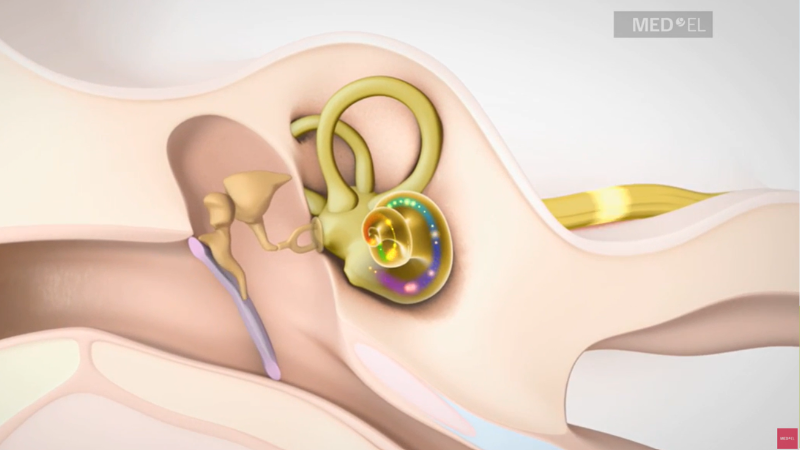
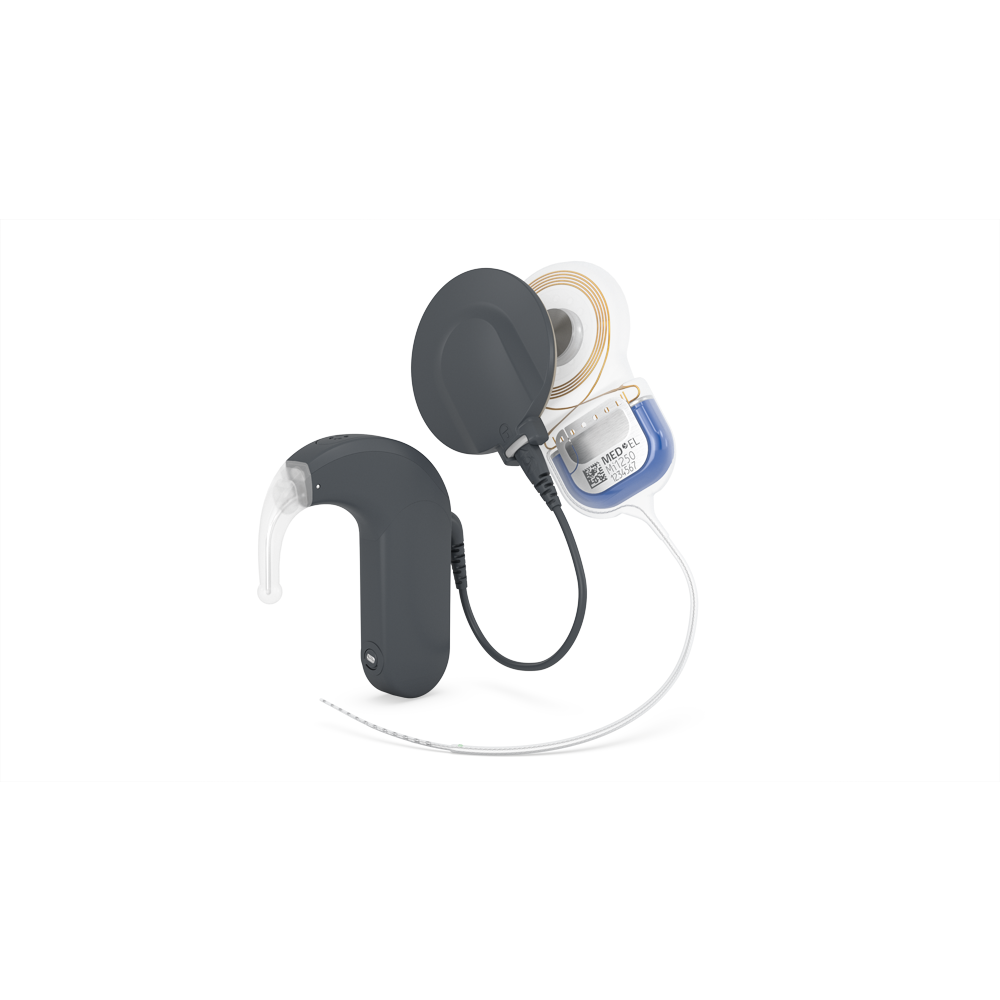
In cases where the sensorineural component of the hearing loss is severe to profound, and hearing aids or other implantable devices do not provide adequate benefit, a cochlear implant may be a viable option. Unlike hearing aids, which amplify sound, a cochlear implant bypasses the damaged parts of the inner ear (cochlea) and directly stimulates the auditory nerve. This is achieved through an internal implant surgically placed under the skin and an external sound processor. Candidacy for a cochlear implant is rigorously assessed based on the severity of the sensorineural hearing loss and the functional benefit derived from hearing aids.
The Evolving Landscape: A Timeline of Understanding and Intervention
The understanding and management of mixed hearing loss have evolved significantly over time, reflecting advancements in audiology and otology.
- Mid-20th Century: Early diagnostic tools for hearing loss emerged, with audiograms becoming standard. Treatment for conductive loss often focused on surgical correction of middle ear issues. Sensorineural loss was largely managed with limited amplification.
- Late 20th Century: The development of sophisticated hearing aids with improved amplification and noise reduction capabilities became widespread. Research into the underlying mechanisms of sensorineural hearing loss intensified.
- Late 1990s – Early 2000s: Cochlear implants gained wider acceptance and FDA approval for adults and later children with severe to profound sensorineural hearing loss. Bone conduction implants also began to emerge as an option for conductive and mixed hearing loss.
- 2010s – Present: Middle ear implants were developed and refined, offering additional choices for mixed hearing loss. Research continues to focus on personalized treatment approaches, improved implant technology, and the integration of AI in audiology for more precise diagnostics and rehabilitation. The emphasis has shifted towards a holistic approach, addressing not just the hearing impairment but also its impact on overall quality of life.
The ongoing development of minimally invasive surgical techniques and more advanced external sound processors for implantable devices continues to expand the possibilities for individuals with complex hearing needs, including mixed hearing loss.
Living with Mixed Hearing Loss: Charting the Path Forward
Navigating the challenges of mixed hearing loss can be daunting, but with the appropriate support, individuals can lead fulfilling and connected lives. The key lies in proactive engagement with healthcare professionals and embracing available resources.
If signs of mixed hearing loss are recognized, the crucial first step is to schedule an appointment with an audiologist or an ENT doctor. This professional consultation is indispensable for accurate diagnosis and personalized treatment planning.
Preparation for an appointment can enhance its effectiveness:

- Compile a list of symptoms: Note when and where hearing difficulties occur, and any associated symptoms like tinnitus or ear discomfort.
- Review medical history: Be prepared to discuss any past ear infections, surgeries, or known medical conditions.
- Identify medications: List all current medications, as some can affect hearing.
- Consider lifestyle impact: Think about how hearing loss affects daily activities, work, and social interactions.
Beyond the initial diagnosis and treatment, ongoing support is vital. This includes:
- Engaging in auditory rehabilitation programs: These programs, often recommended by audiologists, can help individuals retrain their brains to better interpret sounds and speech.
- Attending follow-up appointments: Regular check-ups are essential to monitor hearing changes and adjust treatment plans as needed.
- Exploring real-life stories: Connecting with others who have experienced similar hearing challenges and hearing implant journeys can provide valuable insights, emotional support, and practical advice. Trusted sources for rehabilitation tips and patient testimonials are invaluable resources.
The journey with mixed hearing loss is one of continuous adaptation and informed decision-making. Booking a hearing test is not merely a diagnostic step; it is a fundamental stride towards improved communication and an enhanced quality of life.
Conclusion: Empowering Communication and Connection
Mixed hearing loss presents a unique set of challenges, but the advancements in audiological diagnostics and therapeutic interventions offer substantial hope for improving auditory function and overall well-being. By understanding the intricate nature of this condition, recognizing its diverse symptoms, and actively engaging with the medical community, individuals can embark on a path towards clearer communication, greater confidence, and a more connected life. The MED-EL team remains committed to supporting individuals on this journey, offering expertise and resources to navigate the complexities of hearing loss and explore the most suitable solutions.
For those experiencing any signs of hearing impairment, seeking professional guidance from an audiologist or ENT specialist is the most critical next step. This proactive approach empowers individuals to take control of their hearing health and unlock the full potential of auditory communication.