

The Evolution of Auditory Restoration Technologies
The development of hearing implants is a testament to advancements in medical technology and our understanding of the human auditory system. For centuries, hearing loss was primarily managed through amplification devices, with early hearing aids resembling simple acoustic horns. The mid-20th century saw the advent of electronic hearing aids, significantly improving sound amplification. However, for individuals with severe to profound hearing loss, or those whose auditory pathways were damaged, these devices offered limited benefit.
The groundbreaking innovation came with the development of the cochlear implant in the 1960s. This revolutionary device offered a new paradigm by directly stimulating the auditory nerve, providing a sense of sound to individuals who were previously considered profoundly deaf. Since then, the field has expanded to include other implantable technologies, such as bone conduction implants and middle ear implants, each tailored to address specific types of hearing loss that conventional hearing aids cannot effectively manage. The journey from simple amplification to complex neural stimulation underscores a remarkable progression in restoring quality of life through enhanced communication.
What Are Hearing Implants?
At their core, hearing implants are advanced medical devices designed to improve hearing when traditional hearing aids are insufficient or unsuitable. These systems typically comprise an implanted component, surgically placed within the body, and an external audio processor that captures sound and transmits it to the internal device. The crucial distinction lies in their mechanism of action: they do not merely amplify sound but actively engage with the auditory pathway. This fundamental difference makes them distinct from hearing aids and addresses a wider range of hearing loss conditions. The terminology used can be broad, encompassing terms like "ear implants," "auditory implants," or "implantable hearing devices," all referring to the diverse technologies aimed at restoring auditory function.

Hearing Implants vs. Hearing Aids: A Clear Distinction
The functional disparity between hearing aids and hearing implants is pivotal to understanding their respective roles in auditory rehabilitation. Conventional hearing aids operate by amplifying ambient sounds and channeling them through the ear canal to the eardrum. This process relies on the natural hearing pathway, from the outer ear to the inner ear and brain, functioning adequately to process these amplified sounds. This approach is highly effective for individuals experiencing mild to moderate hearing loss, where the primary challenge is the reduced amplitude of sound signals.
Hearing implants, conversely, are engineered to circumvent or directly interface with specific, compromised segments of the auditory system. They are not simply more powerful versions of hearing aids; they represent a fundamental shift in how sound is perceived. For instance, cochlear implants bypass damaged hair cells in the cochlea, while bone conduction implants bypass issues in the outer or middle ear. This targeted approach allows individuals with more complex hearing loss profiles to access auditory information that would otherwise be inaccessible. While many individuals first explore hearing aids, the decision to consider an implantable solution is ultimately dictated by the specific nature, severity, and cause of their hearing loss, a determination made in consultation with hearing healthcare professionals.
| Solution | How They Work | When They May Be Considered |
|---|---|---|
| Hearing Aids | Amplify sound, which is then sent through the ear canal. | For mild and moderate degrees of hearing loss when amplified sound can still be processed effectively. |
| Hearing Implants | Bypass, stimulate, or directly activate parts of the hearing pathway. | When hearing aids do not provide adequate benefit, cannot be used, or are not appropriate for the type of hearing loss. |
The Main Types of Hearing Implants
The landscape of hearing implants is diverse, with several distinct categories each addressing unique auditory challenges. The selection of the most appropriate implant type is a highly individualized process, guided by a thorough audiological evaluation and consultation with a specialized hearing healthcare team.
Cochlear Implants (CIs)
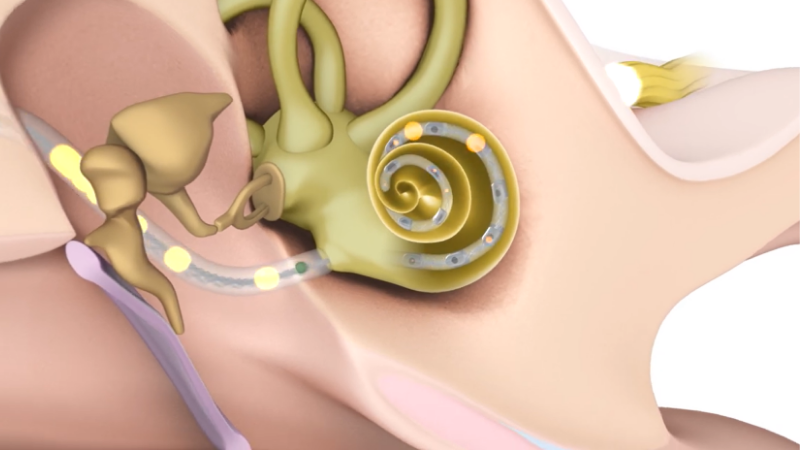
Cochlear implants are a well-established solution for individuals experiencing severe to profound sensorineural hearing loss, a condition where the inner ear’s sensory cells (hair cells) are damaged, rendering hearing aids ineffective. These sophisticated devices convert external sound into electrical signals that are then delivered directly to the cochlea via an implanted electrode array. This direct stimulation of the auditory nerve bypasses the damaged hair cells, allowing the brain to interpret these signals as sound.
The process of receiving a cochlear implant is comprehensive, involving several distinct stages. It begins with an in-depth evaluation to confirm candidacy. This is followed by surgery to place the internal components, including the receiver/stimulator and the electrode array. After a healing period, the external audio processor is activated, and the implant is programmed (fitted) to optimize sound perception. Crucially, auditory rehabilitation, a structured program of therapy and practice, is essential for recipients to learn to interpret and utilize the new auditory information effectively.

MED-EL, a leading innovator in hearing implant technology, emphasizes a philosophy of "closest to natural hearing" for cochlear implants. This approach focuses on technologies designed to support the natural representation of pitch, employing features such as long electrode arrays to stimulate a broader range of cochlear frequencies, advanced sound processing technologies like FineHearing, and highly individualized fitting strategies. These advancements aim to provide recipients with a richer, more nuanced auditory experience, enhancing their ability to understand speech and appreciate the complexities of sound.
Bone Conduction Implants
Bone conduction implants offer a vital alternative for individuals with conductive or mixed hearing loss, as well as those experiencing single-sided deafness. Unlike cochlear implants that stimulate the inner ear directly, bone conduction implants transmit sound through vibrations in the skull bone. These vibrations bypass any impediments in the outer or middle ear and are then perceived by the inner ear.
For conductive hearing loss, where the outer or middle ear is not functioning correctly, bone conduction provides a direct pathway to the inner ear. In cases of mixed hearing loss, where both conductive and sensorineural components are present, these implants can bypass the problematic outer or middle ear to stimulate the functioning inner ear. For individuals with single-sided deafness (SSD), where hearing is significantly impaired in one ear, bone conduction implants can transmit sound from the deaf ear across the skull to the hearing ear, providing a sense of sound awareness and improved spatial hearing.
While bone conduction hearing aids offer a non-surgical option for some individuals with conductive or mixed hearing loss, bone conduction implants provide a more permanent, implantable solution for selected candidates. This distinction is important, as both technologies leverage bone conduction but differ in their invasiveness and long-term application.
Middle Ear Implants
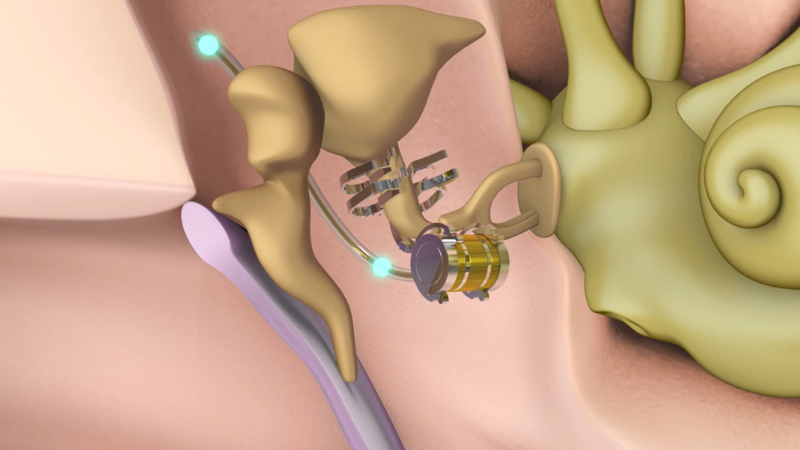
Middle ear implants represent another advanced solution designed for specific types of hearing loss, including conductive, mixed, and certain cases of mild-to-severe sensorineural hearing loss. Unlike hearing aids, which amplify sound, or cochlear implants, which directly stimulate the cochlea, middle ear implants work by mechanically stimulating the ossicular chain (the small bones in the middle ear) or the round window of the cochlea.
These implants are particularly beneficial for individuals who cannot wear conventional hearing aids due to allergies, skin irritation, chronic ear infections, or when hearing aids simply do not provide sufficient auditory benefit. They are designed to bypass issues in the outer or middle ear, or to provide a more direct sound pathway for individuals with sensorineural hearing loss when hearing aids are not optimal. There are both active and passive middle ear implant systems, and the choice between them depends on the individual’s specific hearing profile and the recommendation of their hearing specialist.
Auditory Brainstem Implants (ABIs)
Auditory Brainstem Implants (ABIs) are the most specialized type of hearing implant, reserved for rare and complex cases. Unlike other implants that target the cochlea or middle ear structures, ABIs directly stimulate specific areas of the brainstem. This approach is considered when the auditory nerve itself is absent, damaged, or cannot be effectively utilized. Such situations can arise from congenital abnormalities of the auditory nerve or inner ear, or following surgical interventions, such as the removal of certain tumors that necessitate sacrificing the auditory nerve.
Due to the intricate nature of brainstem surgery and the specialized neural pathways involved, ABIs are only recommended after extensive and comprehensive evaluations by a multidisciplinary team of specialists. The goal is to provide individuals with these unique challenges access to sound, offering a pathway to auditory awareness and communication where other interventions have proven unsuccessful.
Who Is a Candidate for Hearing Implants?
Determining candidacy for a hearing implant is a multifaceted process that extends beyond a simple hearing loss diagnosis. It involves a thorough assessment of the individual’s specific auditory condition, their overall health, and their personal communication goals. Generally, individuals who experience limited benefit from even the most advanced hearing aids, or who cannot wear them effectively, are primary candidates for further investigation.
Key factors influencing candidacy include:
- Type and Degree of Hearing Loss: Different implants are designed for specific types of hearing loss (sensorineural, conductive, mixed) and varying degrees of severity.
- Effectiveness of Hearing Aids: Candidates typically demonstrate that conventional hearing aids do not provide adequate functional hearing.
- Medical and Anatomical Suitability: The structure of the ear and the overall health of the individual must be conducive to surgical implantation.
- Auditory Nerve Function: For cochlear implants, the auditory nerve must be functional enough to transmit electrical signals to the brain. For ABIs, the auditory nerve may be non-functional or absent.
- Communication Goals and Lifestyle: An individual’s desire to improve communication, engage in social activities, and their overall lifestyle are considered.
- Commitment to Rehabilitation: Successful outcomes with hearing implants often depend on active participation in post-implantation auditory rehabilitation.
The diagnostic process typically involves a comprehensive audiological evaluation, including pure-tone audiometry, speech recognition tests, and tympanometry. Imaging studies, such as MRI or CT scans, may also be performed to assess the anatomy of the ear and auditory pathways. Furthermore, a medical evaluation by an Ear, Nose, and Throat (ENT) specialist is crucial to assess surgical candidacy and overall health. Age, hearing history, and the willingness to engage in the rehabilitation process are also critical considerations that guide treatment recommendations. Ultimately, only qualified audiologists and ENT specialists can definitively determine if a hearing implant is the most appropriate solution for an individual.
What Happens During Hearing Implant Surgery?
The surgical procedure for hearing implant placement varies significantly depending on the type of implant. However, a general framework encompasses several key stages. Prior to surgery, a detailed consultation with the surgical team will outline the specific procedure, expected recovery, and post-operative care tailored to the individual.
The typical surgical process involves:
- Anesthesia: The procedure is usually performed under general anesthesia to ensure patient comfort and safety.
- Incision and Preparation: A small incision is made behind the ear to access the area where the internal implant will be placed.
- Implant Placement: The internal component of the hearing implant is carefully positioned under the skin. For cochlear implants, an electrode array is then meticulously inserted into the cochlea. For bone conduction implants, a sound processor is attached to an abutment that passes through the skin, or a fully implantable system is placed. Middle ear implants involve precise placement to interact with the middle ear structures.
- Closure: The incision is closed with sutures, and the external components (if applicable) are attached or prepared for activation.
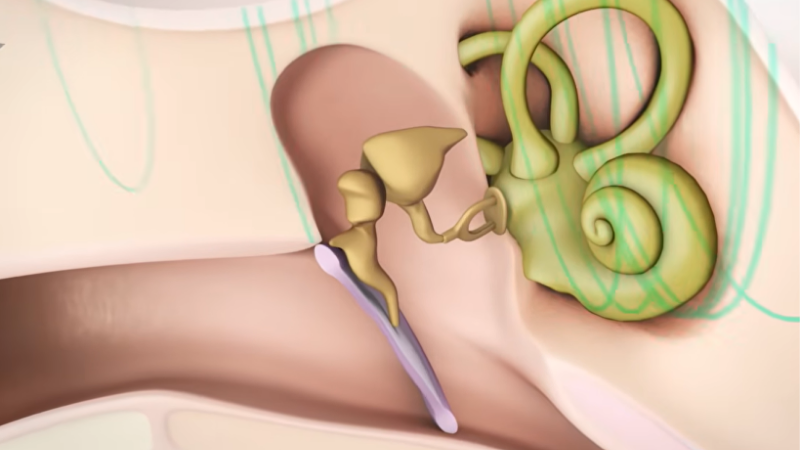
For cochlear implantation, the internal receiver/stimulator is secured beneath the skin, and the delicate electrode array is threaded into the cochlea, stimulating the auditory nerve. Bone conduction implants are designed to transmit sound vibrations through the skull bone to the inner ear. Middle ear implants work by mechanically stimulating the ossicles or the round window.
The recovery period varies but generally involves rest and adherence to specific post-operative instructions. The healthcare team will provide detailed guidance on wound care, activity restrictions, and pain management. Follow-up appointments are scheduled to monitor healing and prepare for the activation and fitting of the external sound processor.
Benefits of Hearing Implants
The benefits derived from hearing implants are profound and can significantly enhance an individual’s quality of life, opening doors to improved communication, social engagement, and overall well-being. While individual outcomes are influenced by numerous factors, including the type of implant, the duration and severity of hearing loss prior to implantation, the commitment to rehabilitation, and personal communication goals, the potential advantages are substantial.
Potential benefits often include:
- Improved Speech Understanding: Many recipients experience a marked improvement in their ability to understand spoken language, even in noisy environments. This can range from recognizing speech sounds to comprehending complex conversations.
- Enhanced Sound Awareness: Implants restore access to a wider range of sounds, including environmental noises like doorbells, alarms, and the sounds of nature, contributing to a greater sense of awareness and safety.
- Better Communication: The ability to understand speech more clearly facilitates more meaningful interactions with family, friends, and colleagues, reducing feelings of isolation.
- Improved Quality of Life: By enabling better communication and engagement, hearing implants can lead to increased confidence, reduced stress, and a greater overall sense of well-being.
- Support for Language Development in Children: For children born with severe to profound hearing loss, early implantation is critical for developing age-appropriate speech, language, and cognitive skills.
- Access to Music and Other Sounds: While not always fully restored to a pre-hearing loss level, many implant users can enjoy music and appreciate a richer auditory landscape.
A significant challenge for individuals with hearing loss is understanding speech in noisy environments such as restaurants, classrooms, or workplaces. Hearing implant technology, coupled with advanced signal processing features, aims to mitigate these challenges. Technologies such as automatic sound management, which adjusts settings based on the listening environment, directional microphones that focus on sound from the front, and noise reduction algorithms help to isolate speech from background noise. MED-EL’s commitment to natural sound quality through features like advanced signal processing and personalized fitting strategies further enhances the ability of users to navigate diverse soundscapes effectively.
How to Choose the Right Hearing Implant Option
The decision to pursue a hearing implant, and subsequently, which type of implant is most suitable, is a collaborative one made between the patient and their hearing healthcare team. This decision-making process is guided by a comprehensive understanding of the individual’s unique hearing profile and lifestyle needs.
Key factors considered by the hearing healthcare team include:
- Type and Severity of Hearing Loss: This is the primary determinant, as different implants are engineered for specific auditory deficits.
- Results of Audiological Tests: Detailed audiograms and speech understanding assessments provide objective data on hearing capabilities.
- Anatomy of the Ear: Imaging studies help assess the physical structure of the ear and its suitability for implantation.
- Medical History and Overall Health: Any existing medical conditions are evaluated for surgical risks and overall suitability.
- Communication Goals and Lifestyle: The individual’s aspirations for communication, their daily activities, and their social engagement patterns are important considerations.
- Willingness and Ability to Participate in Rehabilitation: Post-implantation auditory rehabilitation is crucial for optimal outcomes.
Individuals considering a hearing implant should engage actively in the process by asking pertinent questions, such as:
- What specific type of hearing loss do I have, and how does it affect my hearing?
- Which hearing implant technologies are most appropriate for my condition?
- What are the surgical risks and potential complications associated with each option?
- What can I realistically expect in terms of sound quality and speech understanding?
- What is the expected rehabilitation process, and what commitment will it require?
- What are the long-term maintenance and follow-up requirements?
Gathering information and having open discussions with audiologists and ENT specialists empowers individuals to make an informed decision that aligns with their personal needs and expectations for improved auditory function.
Key Takeaways About Hearing Implants
The realm of hearing implants offers a diverse array of solutions, each meticulously designed to address specific types of hearing loss. The four primary categories represent significant advancements in restoring auditory function:

- Cochlear Implants (CIs): For severe-to-profound sensorineural hearing loss, bypassing damaged inner ear structures.
- Bone Conduction Implants: For conductive, mixed hearing loss, or single-sided deafness, transmitting sound via bone vibrations.
- Middle Ear Implants: For conductive, mixed, or mild-to-severe sensorineural hearing loss, mechanically stimulating middle ear structures.
- Auditory Brainstem Implants (ABIs): For rare cases where the auditory nerve is non-functional or absent, directly stimulating the brainstem.
The selection of the most suitable implant is contingent upon a thorough understanding of the individual’s unique hearing loss profile, comprehensive audiological assessments, and expert evaluation by a specialist. The process typically involves surgery, followed by essential stages of activation, meticulous fitting, and dedicated auditory rehabilitation to maximize the benefits of the implant.
Frequently Asked Questions About Hearing Implants
Are hearing implants permanent?
Yes, the internal component of a hearing implant is designed for long-term use, typically remaining in place for many years. The external sound processor, which contains the microphone and speech processor, is removable and can be updated or replaced as technology advances.
Can children receive hearing implants?
Absolutely. Hearing implants are a common and highly effective solution for children with severe hearing loss. Early implantation is particularly crucial for supporting optimal speech, language, and cognitive development. Candidacy is determined through thorough medical and audiological evaluations.
Do hearing implants restore normal hearing?
Hearing implants do not restore hearing to its natural state. Instead, they provide access to sound by stimulating the auditory system in ways that allow the brain to interpret auditory signals. While they can significantly improve speech understanding and communication, individual results vary, and they are not a replacement for natural hearing.
How long does hearing implant surgery take?
The duration of hearing implant surgery typically ranges from one to three hours, depending on the specific implant type and the complexity of the procedure. Most surgeries are performed under general anesthesia, and patients often return home the same day or after a brief hospital stay.
Can you have an MRI with a hearing implant?
Yes, many modern hearing implants are designed to be MRI compatible under specific conditions. The safety and protocol for MRI scans depend on the particular implant model and the strength of the MRI scanner’s magnetic field. It is imperative to inform healthcare providers and imaging teams about the presence of a hearing implant before undergoing an MRI.

If you believe you or a loved one might benefit from a hearing implant, consulting with your local MED-EL team is a crucial first step. They can provide personalized guidance on the range of hearing solutions available and help determine which option best suits your specific needs and circumstances.
© MED-EL Medical Electronics. All rights reserved. The content on this website is for general informational purposes only and should not be taken as medical advice. Always consult your doctor or hearing specialist to learn what type of hearing solution suits your specific needs. Not all products, features, or indications are approved in all countries.