Dr. Nashlea Brogan, a 50-year-old resident of Canada, has dedicated more than 23 years to her profession as an audiologist, owning and operating her private practice. Her personal experience with hearing loss served as the foundational inspiration for her career path, culminating in a doctorate in audiology. Outside the professional sphere, Dr. Brogan has consistently maintained an active lifestyle, embracing pursuits such as skiing, extensive travel, and a deep appreciation for the outdoors, particularly activities involving water.
The Gradual Onset of Progressive Hearing Loss
Dr. Brogan’s hearing loss is rooted in a hereditary predisposition, a trait shared by two other family members who are also cochlear implant users. This condition manifested as a slow, progressive decline over many years. Her initial hearing assessment occurred at the age of 14, with her first hearing aids being fitted at 18.
One of Dr. Brogan’s earliest poignant memories of her hearing loss involved the simple act of driving. She recalls the stark realization that she could no longer hear passengers in the backseat. This auditory disconnect also impacted her passion for competitive Highland dancing, where the struggle to discern the bagpipes during competitions became a source of significant frustration.
By her late thirties, after two decades of managing progressive hearing loss while simultaneously raising two children and establishing her audiology clinic, Dr. Brogan found that conventional hearing aids were no longer sufficient to meet her auditory needs. This critical juncture prompted her decision to pursue bilateral cochlear implants, a decision that would profoundly alter her auditory experience and her ability to engage with the world.
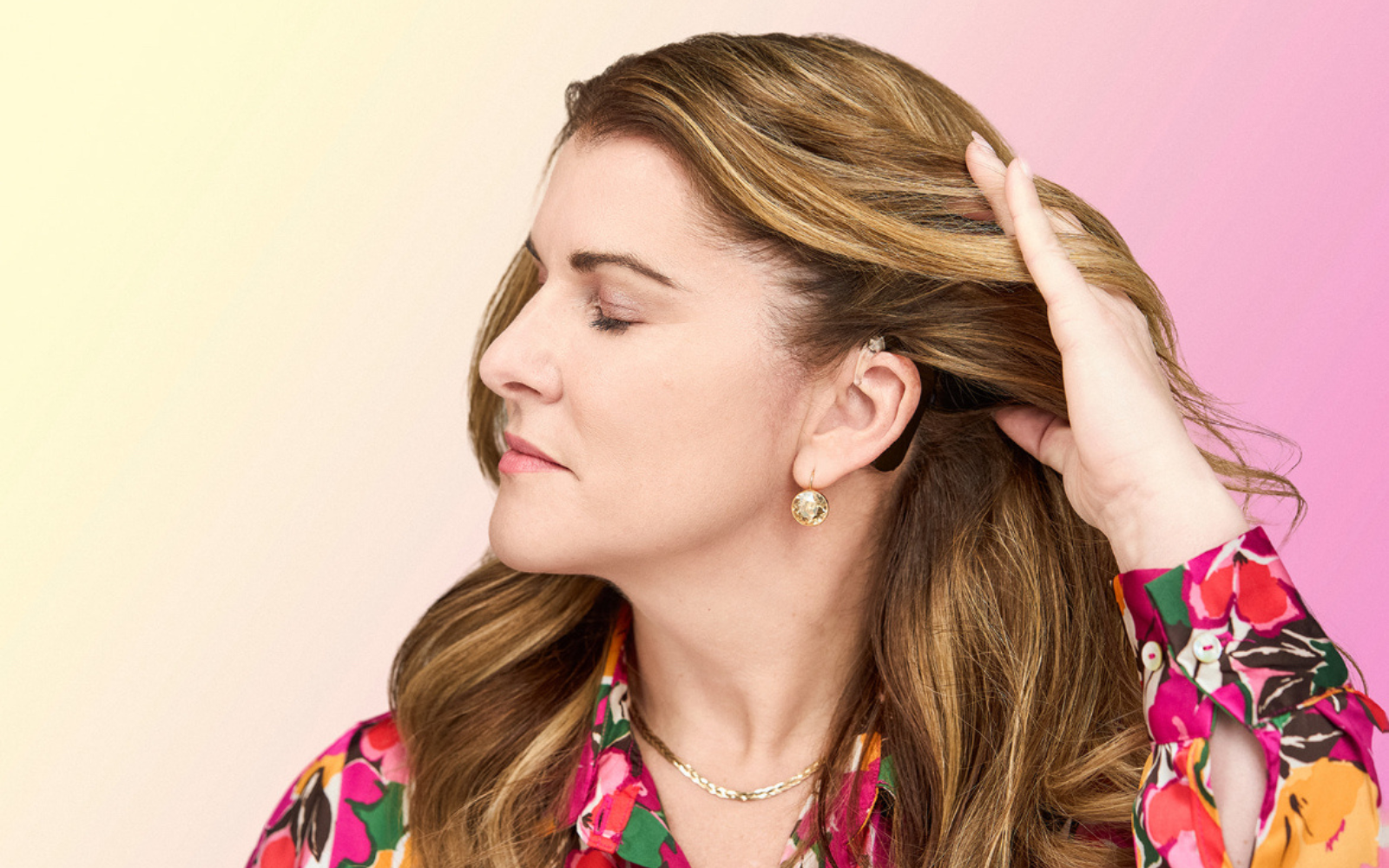
The Avoidance of Water Activities: A Consequence of Hearing Loss
Dr. Brogan has always harbored a deep affection for water and activities associated with it. However, for approximately 20 years, during her tenure with hearing aids, water gradually became a source of apprehension and avoidance. The primary concern was the potential damage to her devices if they became wet. Simultaneously, she harbored an equally potent fear of removing her hearing aids, as this would result in a complete loss of auditory input, rendering her unable to hear or communicate effectively. Consequently, each excursion to the beach, every boat trip, and every afternoon spent by the pool necessitated a difficult compromise: either protect her auditory devices and remain disconnected from sound, or risk damage to her technology while attempting to stay engaged with her surroundings. Over time, this recurring dilemma led to a gradual cessation of many activities she once cherished.
Understanding the Impact: Cochlear Implants and Water Exposure
For many individuals with bilateral cochlear implants, the removal of both audio processors results in a complete absence of sound perception. This underscores the critical role of waterproof solutions in enhancing the quality of life for CI users. Such accessories are not merely for recreational purposes; they are integral to facilitating communication and ensuring safety in and around water environments. The ability to maintain auditory connection while engaging in water activities can significantly mitigate risks and foster greater social inclusion.
A New Auditory Horizon: The First Underwater Hearing Experience
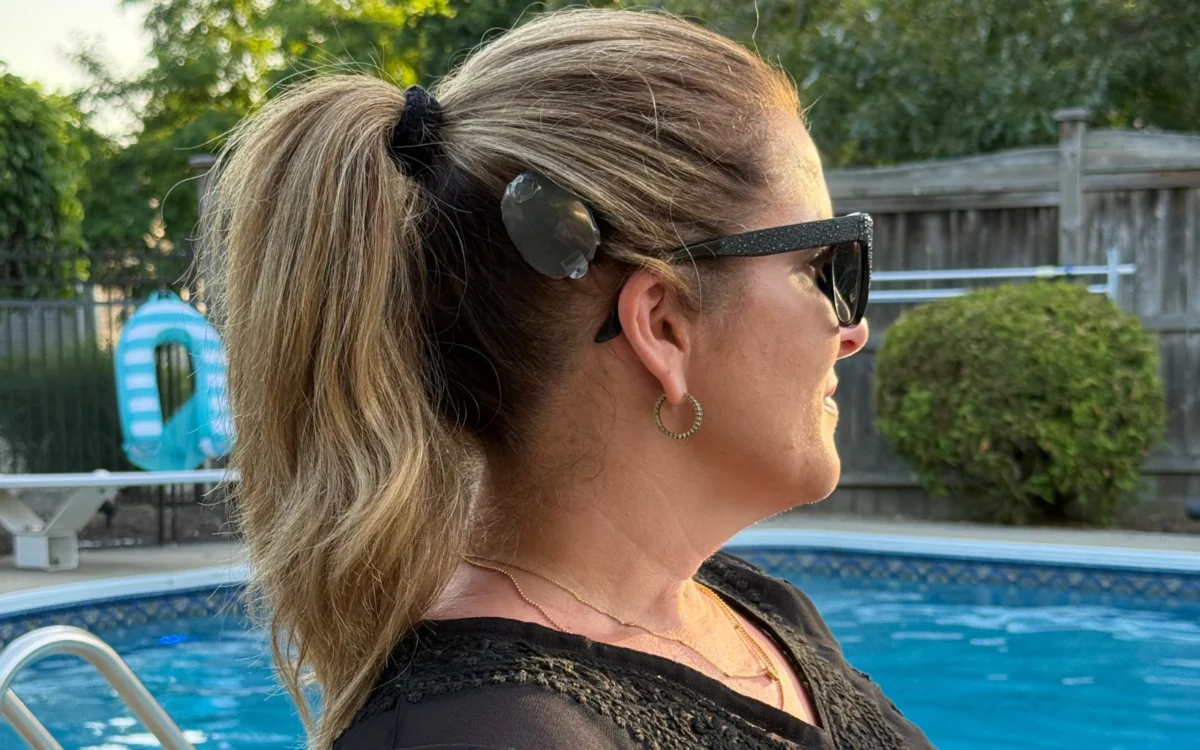
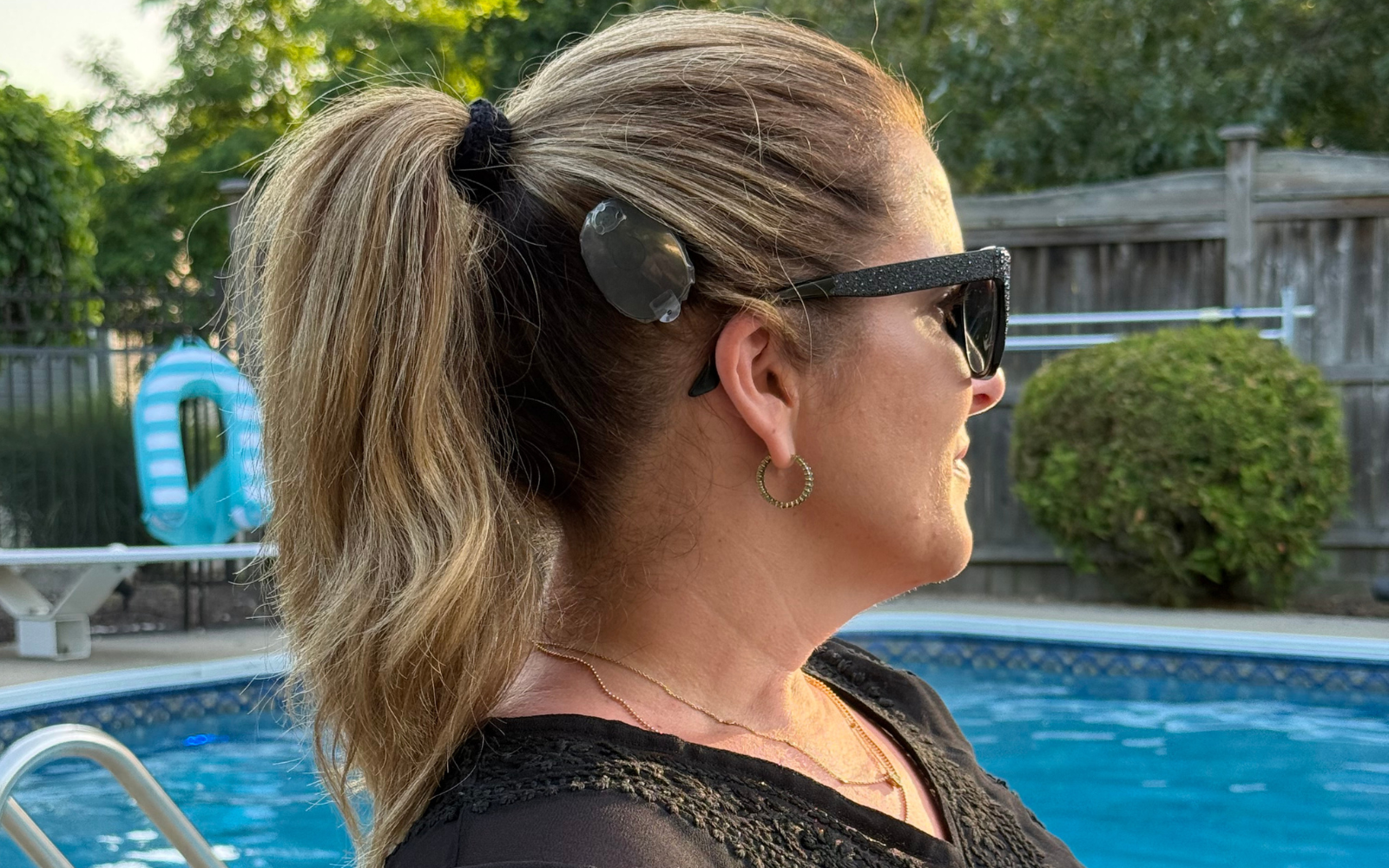
Dr. Brogan began utilizing MED-EL’s WaterWear accessory several years ago. One of the most astonishing revelations associated with this technology was the discovery that she could, in fact, hear while fully submerged in water. She vividly recalls the profound sense of wonder and amazement she experienced during her first underwater hearing event. This capability represented a paradigm shift, transforming her perception of what was possible with her cochlear implants.
One particularly cherished memory involving WaterWear captures the essence of this newfound freedom. Dr. Brogan recounts floating peacefully on an inflatable raft in her swimming pool, fully relaxed, while still being able to clearly hear her children’s joyful laughter and the playful splashing sounds around her. This simple yet profound experience highlights the emotional and social benefits of being able to remain audibly connected to loved ones during everyday moments.
The impact of WaterWear on Dr. Brogan’s life has been nothing short of life-changing. It has empowered her to spend time around the pool, immerse herself in water without the pervasive worry about her processors, and most importantly, to be fully present and engaged with her family.
Enhancing Travel Experiences: Uninterrupted Moments
Travel has always been an integral component of Dr. Brogan’s life, and WaterWear has become an indispensable travel companion. The accessory has fundamentally reshaped her experience of vacations. She can now confidently enjoy hotel pools, hot tubs, beaches, boats, and lakes without the constant mental preoccupation with her hearing equipment.

A particularly unforgettable memory occurred during a family trip to Arizona. While on a speedboat with her daughter wakeboarding behind them, the boat stopped to allow everyone to enjoy the lake. Previously, such an opportunity would have been met with hesitation. However, with WaterWear, Dr. Brogan was able to jump directly into the water and join her family, an experience she would have foregone before this technological advancement.
Beyond Waterproofing: Reconnecting with a Lost Lifestyle
As both a practicing audiologist and a cochlear implant user, Dr. Brogan frequently encounters individuals who express concerns about potential limitations on their lifestyle, particularly regarding swimming and other water activities, should they opt for hearing implants. She deeply empathizes with this apprehension, having experienced it herself.
For Dr. Brogan, WaterWear has served as the catalyst for reconnecting with activities she had actively avoided for over two decades. She emphasizes that accessories like WaterWear are crucial because they enable individuals to continue living their existing lives rather than being forced to adapt their lifestyles around their hearing technology. Whether she is paddleboarding, kayaking, boating, or simply enjoying an afternoon at the beach, she can now audibly perceive her surroundings.
This enhanced auditory awareness is not merely about enjoyment; it is also vital for communication and safety. With WaterWear, Dr. Brogan can hear conversations, the sounds of the boat, and remain an active participant in discussions. This ability to stay connected to her auditory environment significantly contributes to her overall well-being and security.
The Empowering Influence of Confidence
If there is one word that encapsulates the profound impact of cochlear implants and WaterWear on Dr. Brogan’s life, it is "confidence." This newfound confidence has empowered her to maintain a vibrant social life, granted her the freedom to explore new experiences, and allowed her to participate fully in activities rather than observing from the sidelines due to concerns about her hearing.
Prior to the advent of WaterWear, Dr. Brogan often found herself avoiding water-related situations because she anticipated the inevitable need to remove her processors. Now, instead of experiencing anxiety, she feels confident, connected, and liberated to partake in the activities she loves alongside her cherished family members.
Tips for First-Time WaterWear Users
Dr. Brogan offers valuable insights for individuals new to using WaterWear:
- Familiarize yourself with the product: Before embarking on water activities, take the time to understand how to properly attach and seal the WaterWear accessory to your audio processors.
- Test in a controlled environment: If possible, test the WaterWear in a shallow, controlled setting like a bathtub or a shallow end of a pool before engaging in more extensive water activities.
- Communicate your needs: Inform your family or companions that you are using WaterWear and that you can hear them, even when submerged.
- Enjoy the moment: Once you are comfortable and confident, relax and immerse yourself in the experience, knowing your hearing is protected and your auditory connection is maintained.
Embracing Life on Her Own Terms
When questioned about whether cochlear implants have imposed limitations on her lifestyle, Dr. Brogan’s response is consistently affirmative: there are very few aspects of her life that she has had to relinquish. She continues to ski, cycle, paddleboard, travel extensively, and spend considerable time outdoors. In fact, she believes her cochlear implants have broadened her horizons rather than restricted them.
The most rewarding aspect of her professional work, she states, is witnessing this same transformative journey unfold for other individuals. She observes how many people gradually withdraw from life due to hearing loss, only to regain lost moments, experience greater connection, increased confidence, and reduced fear after receiving an implant. Dr. Brogan’s personal journey, and the profound impact of technologies like WaterWear, serve as a powerful testament to the possibilities that emerge when technological innovation empowers individuals to live life to its fullest.
Addressing Frequently Asked Questions
Can you really hear while swimming?
Yes. One of the biggest surprises for me was realizing I could still hear even while fully submerged.
Is WaterWear only useful for swimming?
Not at all. I use it whenever I’m around water—on boats, paddleboards, at the beach, in hot tubs, at lakes, and during family vacations.
Who can benefit from WaterWear?
I think anyone who enjoys being active around water can benefit. Children playing at splash pads, families at the pool, people who love boating, kayaking, rafting, paddleboarding, cruises, or simply relaxing at the beach can all stay connected to the sounds around them.
Does WaterWear really make a difference?
Absolutely. For me, it wasn’t just about protecting my processors. WaterWear gave me the confidence to participate again instead of sitting on the sidelines.
The Broader Implications of Accessible Water Technology
The narrative of Dr. Nashlea Brogan highlights a critical advancement in assistive technology for individuals with hearing impairments. Historically, the fear of damaging expensive and essential auditory devices often dictated a more sedentary or restricted lifestyle. The development and widespread adoption of waterproof solutions like WaterWear signify a pivotal shift, moving beyond mere functional protection to encompass the restoration of social participation and recreational freedom.
From a public health perspective, enabling individuals with hearing implants to engage in water activities safely and audibly has significant implications. This includes improved social integration, reduced isolation, and enhanced opportunities for physical fitness, all of which contribute to overall well-being. Furthermore, for audiologists and other hearing healthcare professionals, Dr. Brogan’s testimonial serves as a powerful advocacy tool, allowing them to address patient concerns with firsthand experience and demonstrate the tangible benefits of such technological solutions.
The data suggests a growing awareness and demand for such accessories. While specific market penetration figures for water-specific CI accessories are not widely publicized, the increasing prevalence of cochlear implant surgeries globally, coupled with a growing emphasis on active lifestyles, indicates a substantial and expanding market. MED-EL, a leading innovator in this space, has consistently invested in research and development to ensure their products meet the evolving needs of users, including robust waterproofing and ease of use.
The implications extend to the tourism and recreation industries as well. As more individuals with hearing implants feel empowered to participate in water-based activities, there is a growing potential for these sectors to cater to a wider audience. This could involve increased accessibility features, clearer communication protocols around water bodies, and a general societal shift towards inclusivity in recreational pursuits.
Ultimately, Dr. Brogan’s story is a compelling illustration of how technological innovation, when thoughtfully designed and effectively implemented, can dismantle barriers and empower individuals to live richer, more fulfilling lives, unburdened by the limitations of their hearing loss.