
The Intricacies of Diplacusis: A Deeper Dive
The sensation of hearing sounds doubled, distorted, or out of tune can be profoundly unsettling, particularly when it emerges suddenly. Diplacusis is not merely an auditory anomaly; it’s a subjective experience that can significantly disrupt daily communication and engagement with the world. For instance, understanding conversations in noisy environments becomes an uphill battle, as the brain struggles to process the fragmented auditory input. Similarly, enjoying music, a source of pleasure and emotional connection for many, can become a discordant and frustrating experience. The ability to detect alarms, crucial for safety, can also be compromised.
The medical term "diplacusis" refers to a symptom arising from a mismatch in how sound information is processed and transmitted to the brain. This mismatch can occur at various points along the auditory pathway, including the ears themselves, the cochlea (the organ responsible for converting sound vibrations into electrical signals), the auditory nerve, or the central auditory processing centers within the brain. Consequently, diplacusis can be linked to a wide spectrum of underlying conditions, from simple yet impactful issues like earwax buildup to more complex neurological or inner ear disorders.

Unraveling the Soundscape: What Does Diplacusis Truly Sound Like?
Describing the subjective experience of diplacusis can be challenging for those affected. However, common descriptions point to several key auditory alterations:
- Pitch Discrepancies: One of the most prevalent symptoms is the perception of a single note or sound at two different pitches. This can make music sound jarringly out of tune, as melodies and harmonies are distorted.
- Echoes and Delays: Some individuals experience an echo-like repetition of sounds, where a sound seems to linger or repeat shortly after the initial perception. This can create a disorienting effect, particularly in spoken language.
- Volume Differences: In some cases, the perceived loudness of a sound can differ between the two ears or between the two perceived instances of a single sound.
- Timbral Changes: The quality or tone color of a sound might be altered, making familiar sounds seem unusual or "off."
These symptoms can be particularly pronounced when listening to pure tones, such as those used in hearing tests, or when exposed to specific types of audio, including music, phone conversations, alarms, or sounds delivered through headphones. The way the brain integrates auditory information from both ears is critical for a clear and unified listening experience, and diplacusis disrupts this delicate balance.
Categorizing the Phenomenon: Types of Diplacusis
Understanding the different forms of diplacusis is crucial for diagnosis and management. The condition is broadly categorized based on whether it affects one ear or both, and the nature of the auditory discrepancy:
Diplacusis Binauralis: The Dual-Ear Experience
This type of diplacusis occurs when there is a difference in the perception of the same sound between the two ears. It is further divided into two subtypes:

- Diplacusis Binauralis Echoica: This subtype is characterized by a perceived delay or echo. The same sound reaches both ears at slightly different times, leading to a sense of repetition or a trailing auditory effect. For example, a spoken word might sound as if it’s being repeated with a slight lag.
- Diplacusis Binauralis Dysharmonica: This is perhaps the most commonly discussed form, involving a pitch mismatch between the ears. A sound that is perceived at a certain pitch in one ear might be heard at a different pitch (higher or lower) in the other ear. This can lead to a disconcerting feeling that the world is "out of tune," particularly affecting the perception of music and speech intonation.
Diplacusis Monauralis: The Single-Ear Anomaly
Diplacusis monauralis, as the name suggests, affects only one ear. In this instance, a single sound is perceived as two distinct sounds within that same ear. This can manifest as hearing a double tone or a sound that seems to have an internal pitch discrepancy. This form can be particularly perplexing, as the affected ear deviates from the normal auditory processing of the unaffected ear.
Diplacusis Dysharmonica: The Pitch Mismatch Unveiled
Diplacusis dysharmonica, whether binaural or monaural, is often described as a "pitch problem." For individuals sensitive to pitch, such as musicians or avid music listeners, this can be profoundly disruptive. The experience is akin to listening to an instrument that is perpetually out of tune. This discrepancy can arise from asymmetrical hearing loss, where the degree of hearing loss differs between the ears, or from sensorineural hearing loss, which affects the inner ear and auditory nerve. While there is no single universal cure for diplacusis dysharmonica, treatment strategies are tailored to address the underlying cause, which could range from managing hearing loss to addressing other physiological factors.
Diplacusis Echoica: The Temporal Discrepancy
In contrast, diplacusis echoica centers on timing. The auditory system processes the same sound at different speeds or with a temporal lag between the ears. This leads to the perception of an echo or a sound that seems to trail off. This temporal distortion can significantly impair the ability to follow conversations, especially in environments with background noise, where the brain already has a complex task of separating speech from other sounds.
The Root of the Sound Distortion: Causes of Diplacusis
The underlying mechanisms that lead to diplacusis are varied, but they all fundamentally stem from a disruption in the way sound signals are processed or transmitted. Potential causes include:

- Earwax Blockage: Excessive earwax can physically obstruct the ear canal, altering the way sound waves enter the ear and reach the eardrum. This can lead to muffled hearing and, in some cases, perceived pitch shifts or echoes.
- Ear Infections and Inflammation: Infections or inflammation within the middle or inner ear can affect the delicate structures responsible for hearing, leading to temporary or persistent auditory distortions. Fluid buildup in the middle ear, often associated with infections, is a common culprit.
- Sudden Hearing Loss (Sudden Sensorineural Hearing Loss – SSNHL): This is a medical emergency where a person experiences a rapid loss of hearing, often in one ear. Diplacusis can be a prominent symptom of SSNHL, indicating damage to the inner ear or auditory nerve. Prompt medical attention is crucial in such cases to maximize the chances of recovery.
- Loud Noise Exposure (Acoustic Trauma): Exposure to extremely loud noises, whether from a single event (like an explosion) or prolonged exposure to high decibel levels (e.g., concerts, industrial machinery), can damage the hair cells in the cochlea, leading to hearing loss and associated symptoms like diplacusis.
- Meniere’s Disease: This inner ear disorder is characterized by a combination of symptoms including vertigo (dizziness), tinnitus (ringing in the ears), fluctuating hearing loss, and aural fullness. Diplacusis can occur as a result of the pressure fluctuations and damage within the inner ear.
- Ototoxic Medications: Certain medications can be toxic to the auditory system, causing damage to the inner ear and leading to hearing loss and other auditory disturbances, including diplacusis.
- Head Trauma: Injuries to the head can disrupt the auditory pathways, affecting the brain’s ability to process sound accurately.
- Acoustic Neuroma: This is a non-cancerous tumor that develops on the auditory nerve, which transmits sound information from the ear to the brain. As the tumor grows, it can compress the nerve, leading to progressive hearing loss, tinnitus, and sometimes diplacusis.
- Other Inner Ear Disorders: A range of other conditions affecting the inner ear, such as labyrinthitis or vestibular schwannoma, can also contribute to diplacusis.
It is important to note that diplacusis can be a temporary condition, resolving once the underlying cause is treated. However, in cases where it is linked to permanent hearing loss or damage to the auditory system, it may persist and require ongoing management.
Diplacusis in One Ear: A Specific Concern
The experience of diplacusis in a single ear, often referred to as monaural diplacusis, warrants particular attention. This can occur when one ear is significantly affected by issues such as blockage, infection, hearing loss, or trauma, while the other ear functions more normally. When there’s a significant difference in how the two ears process sound, the brain faces a greater challenge in integrating these disparate signals into a coherent auditory experience. This can exacerbate difficulties with sound localization and speech understanding, especially in complex listening environments. A professional hearing assessment is crucial to determine the nature of the issue in the affected ear, whether it is conductive (involving the outer or middle ear), sensorineural (involving the inner ear or auditory nerve), or mixed.
The Duration of Diplacusis: A Case-by-Case Reality
The lifespan of diplacusis is highly variable and directly correlates with its underlying cause. For transient issues like earwax impaction, congestion due to a cold, or a mild ear infection, symptoms of diplacusis may resolve within days or weeks as the primary condition is treated or naturally clears up.
However, if diplacusis is a consequence of more significant auditory system compromise, such as sudden sensorineural hearing loss, acoustic trauma, or a progressive form of hearing loss, the symptoms may be more persistent. In these scenarios, the auditory distortions might last longer, potentially requiring long-term management strategies.
Sudden onset, persistent symptoms, worsening auditory experiences, or diplacusis affecting only one ear are all indicators that warrant immediate professional medical attention. For individuals experiencing chronic diplacusis, adaptation is often possible through various forms of hearing support. These can include sound therapy, auditory rehabilitation programs, or other tailored strategies designed to help the brain better process and interpret auditory signals.
Diagnosing the Auditory Anomaly: The Path to Understanding
A thorough diagnostic process is essential for identifying the cause of diplacusis and guiding treatment. Clinicians will typically begin by gathering a detailed patient history, inquiring about:
- Onset and Duration: When did the symptoms begin? Have they been constant or intermittent?
- Laterality: Is the diplacusis experienced in one ear or both?
- Associated Symptoms: Are there other auditory issues present, such as tinnitus, a feeling of ear fullness, or pain? Are there any non-auditory symptoms like dizziness or vertigo?
- Potential Triggers: Have there been recent instances of loud noise exposure, head trauma, changes in medication, or signs of ear infection (fever, drainage)?
A physical examination of the ears is conducted to check for obvious issues like earwax buildup, fluid in the middle ear, or signs of infection. Following this, a series of audiological tests are performed. These may include:
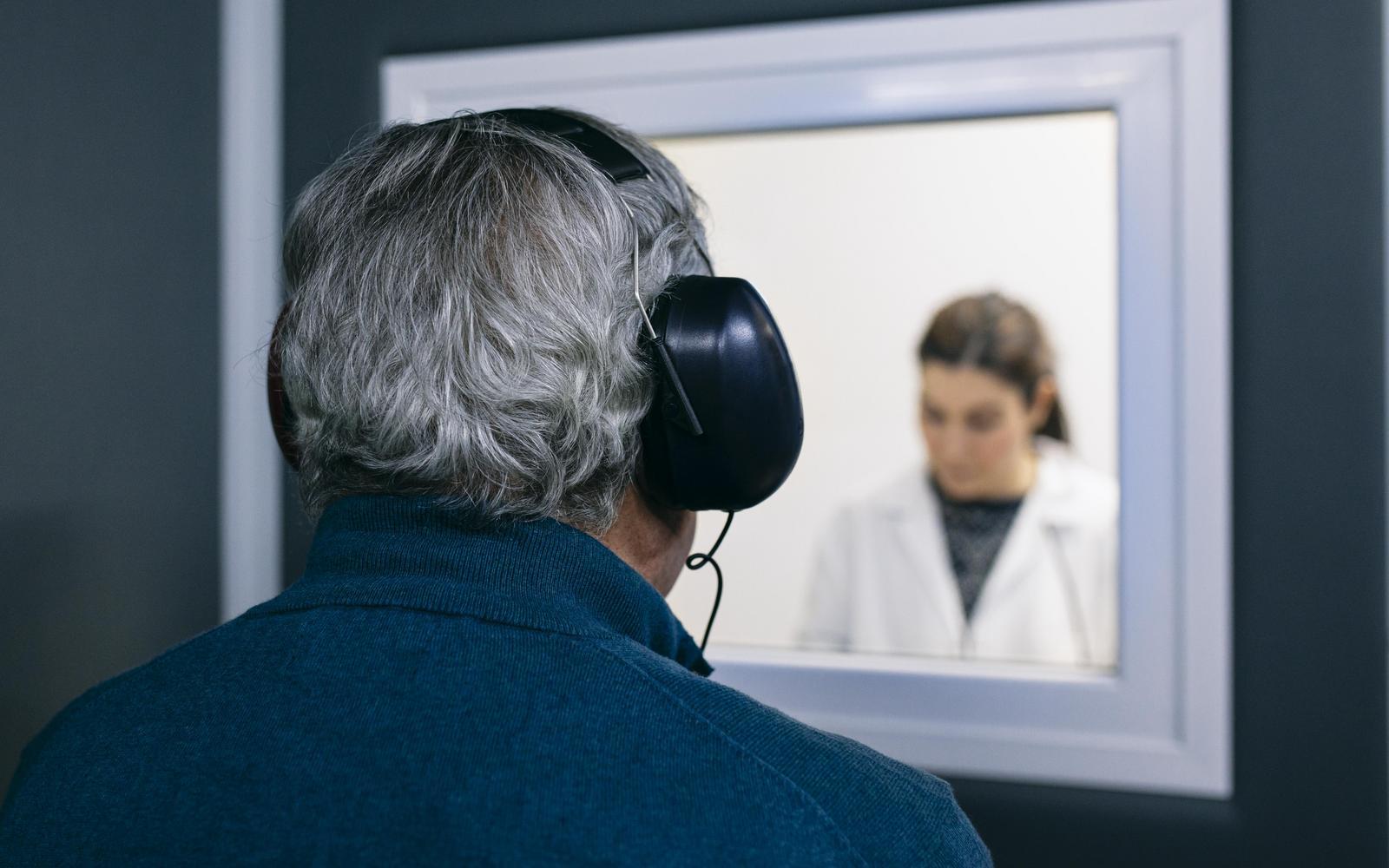
- Pure Tone Audiometry: This standard hearing test measures hearing thresholds across a range of frequencies, helping to identify any degree of hearing loss.
- Speech Audiometry: This assesses the ability to understand spoken words at different volumes, providing insight into how hearing loss affects communication.
- Pitch Matching Tests: For diplacusis, specific tests designed to evaluate pitch perception may be employed to quantify the degree of pitch discrepancy.
- Tympanometry: This test measures the function of the middle ear and eardrum.
In cases where symptoms are sudden, unilateral, medically complex, or accompanied by neurological signs, referral to an ENT specialist is often necessary. This specialist can conduct more in-depth investigations, potentially including imaging studies like MRI scans, to rule out conditions such as acoustic neuromas or other structural abnormalities.

Diplacusis Management: Tailored Strategies for Sound Restoration
The treatment and management of diplacusis are highly individualized, as there is no one-size-fits-all solution. The therapeutic approach is dictated by the specific underlying cause identified during the diagnostic process.
Addressing Temporary Causes
If diplacusis is attributed to temporary conditions, the management plan focuses on resolving the primary issue. This includes:
- Professional Earwax Removal: If impacted earwax is the culprit, a healthcare professional can safely and effectively remove it. It is crucial to avoid self-treatment with cotton swabs or ear candling, which can exacerbate irritation or cause injury.
- Medical Treatment for Infections: Antibiotics or other medications may be prescribed to clear ear infections or reduce inflammation.
- Medication Review: If ototoxic medications are suspected, a clinician may review the patient’s medication regimen and explore alternative treatments if possible.
Strategies for Hearing Loss
When hearing loss is a contributing factor to diplacusis, various interventions may be recommended:
- Hearing Aids: For individuals with mild to moderate hearing loss, hearing aids can amplify sounds, potentially improving the clarity and balance of auditory perception. While hearing aids do not "cure" diplacusis directly, they can enhance overall sound awareness and reduce the cognitive load associated with listening, thereby mitigating the impact of the auditory distortions.
- Auditory Rehabilitation and Sound Therapy: These programs involve structured exercises and techniques designed to retrain the brain to better process and interpret auditory information. They can help individuals adapt to hearing changes and improve listening skills.
- Tinnitus Management: Since tinnitus can sometimes co-occur with diplacusis, strategies for managing tinnitus, such as sound masking or cognitive behavioral therapy, may also be beneficial.
Advanced Hearing Solutions
In cases of severe to profound sensorineural hearing loss, or for individuals with single-sided deafness, more advanced hearing technologies might be considered after a thorough specialist assessment.
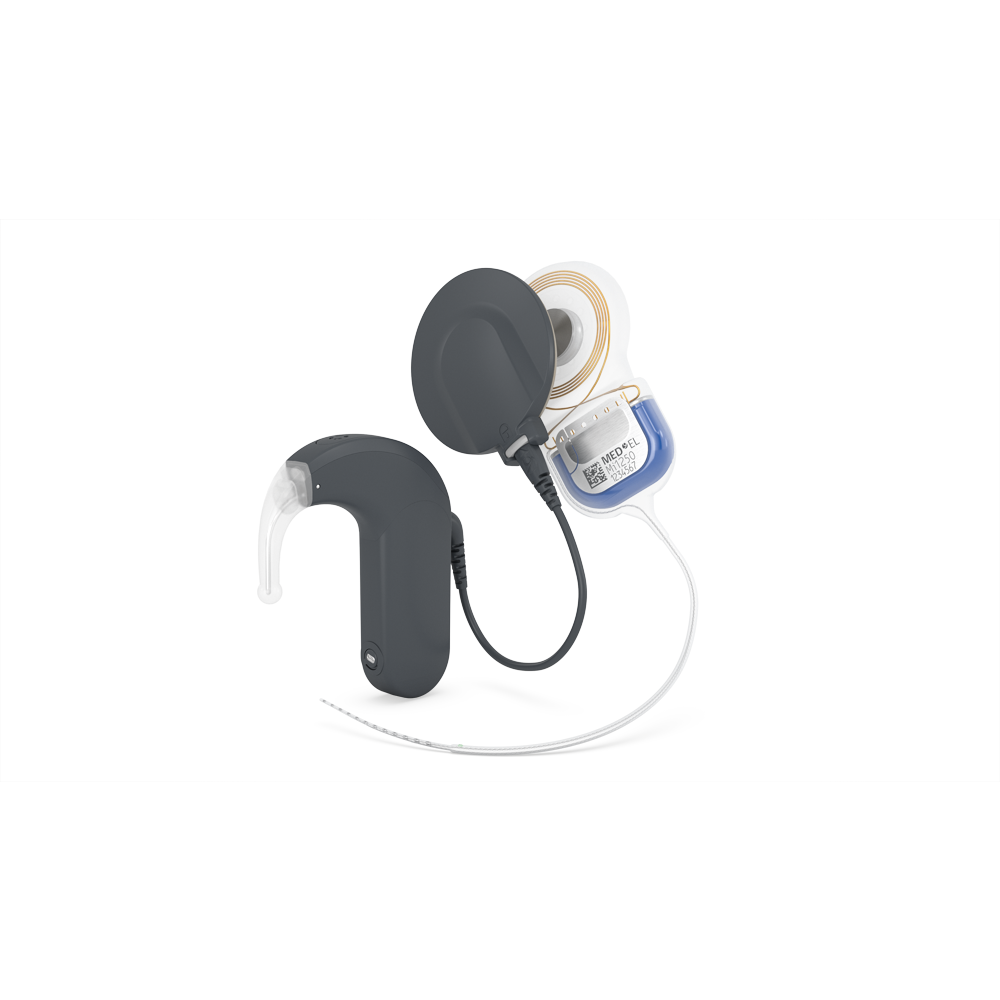
- Cochlear Implants: For certain candidates with significant hearing loss, cochlear implants can bypass damaged parts of the inner ear and directly stimulate the auditory nerve, offering a pathway to restoring a sense of hearing. These devices are typically considered for individuals who do not benefit sufficiently from hearing aids.
- Other Hearing Implant Options: Depending on the specific type and degree of hearing loss, other types of hearing implants, such as middle ear implants or bone-anchored hearing systems, might be explored.
It is important for patients to understand that hearing technologies are designed to improve access to sound and support listening, rather than offering a direct cure for diplacusis itself. However, by optimizing the auditory input, these devices can significantly enhance a person’s ability to communicate and engage with their environment.
When to Seek Urgent Medical Attention
Certain symptoms accompanying diplacusis signal a potential medical emergency and require immediate evaluation. Individuals should seek urgent or same-day medical attention if double hearing is accompanied by:
- Sudden onset of hearing loss
- Severe dizziness or vertigo
- Sudden facial weakness or numbness
- Severe headache
- Ear pain or drainage
- Neurological symptoms, such as difficulty speaking or loss of balance
If diplacusis persists, worsens, or significantly interferes with daily communication and quality of life, scheduling an appointment with an audiologist, ENT specialist, or other qualified healthcare professional is highly recommended.
Key Takeaways for Understanding Diplacusis
- Diplacusis is a symptom, not a diagnosis: It indicates an underlying issue within the auditory system.
- Perception varies: Sounds may be heard as doubled, echoed, or at different pitches.
- Causes are diverse: From simple earwax to complex inner ear disorders.
- Prompt evaluation is crucial: Especially for sudden or unilateral symptoms.
- Treatment is cause-dependent: Management strategies are tailored to the specific underlying issue.
- Professional help is essential: Audiologists and ENT specialists can accurately diagnose and guide treatment.
Frequently Asked Questions About Diplacusis
Is diplacusis the same as tinnitus?
No. Diplacusis and tinnitus are distinct conditions, although they can sometimes occur together. Tinnitus is the perception of sound (like ringing or buzzing) without an external sound source. Diplacusis, on the other hand, involves the misperception of an external sound, making it sound doubled, distorted, or echoed.

Can earwax cause double hearing?
Yes, earwax blockage can alter sound perception and contribute to symptoms like double hearing. The physical obstruction can change how sound waves travel into the ear. However, earwax is just one of many potential causes, and a professional examination is necessary to confirm its role.
Can diplacusis go away?
Diplacusis may resolve if its cause is temporary, such as earwax, fluid buildup, congestion, or an ear infection. If it is linked to permanent hearing loss or damage to the auditory system, it might require ongoing management rather than a complete cure. A professional evaluation is key to understanding the prognosis and appropriate next steps.