The Regulatory Landscape and Current Context
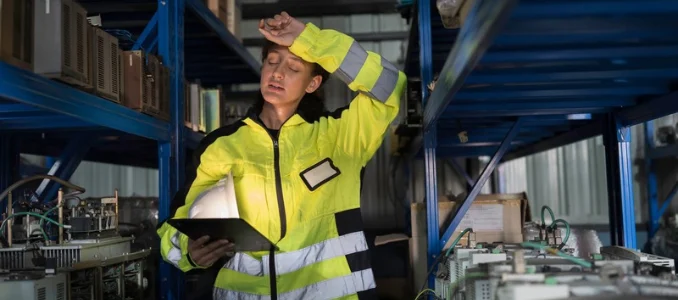
For decades, occupational safety standards have focused primarily on outdoor environments, such as construction sites and agricultural fields, where sun exposure and ambient heat are obvious hazards. However, the paradigm is shifting. Warehouses, commercial kitchens, laundries, and manufacturing facilities often lack the robust climate control systems necessary to offset the heat generated by heavy machinery, industrial processes, or simple lack of ventilation.
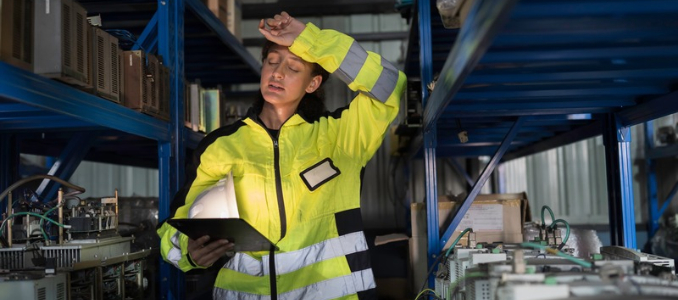
The Washington L&I’s decision to move toward indoor rulemaking is a response to both environmental shifts and historical data regarding worker health. According to recent climate assessments, the Pacific Northwest has experienced an increasing frequency of heat dome events, which strain infrastructure not originally designed for sustained high-temperature operations. While outdoor workers have long been protected by specific "heat stress" regulations, indoor employees have often had to rely on general "safe workplace" clauses, which can be vague and difficult for inspectors to enforce without specific temperature or humidity benchmarks.
Chronology of the Rulemaking Process
The current rulemaking process is structured to be comprehensive and transparent, aiming to avoid the legal pitfalls that have stalled similar regulations in other jurisdictions.
- August 18, 2026: The Department of Labor & Industries officially files the Pre-proposal Statement of Inquiry, marking the formal start of the rulemaking process.
- November 2026: The agency conducts four in-person public meetings and two virtual sessions. This phase is designed to gather primary data, anecdotal evidence from the field, and technical recommendations from industry experts.
- Early 2027: L&I will synthesize the input gathered in late 2026 to create a preliminary draft rule. This document will serve as the foundation for the next round of discussions.
- Mid-2027: A second round of stakeholder meetings will be held across various regions of Washington state. These sessions will focus on the feasibility and economic impact of the proposed draft.
- Post-2027: Following the final feedback loop, the agency will move toward finalizing the language, legal review, and eventual implementation.
Proposed Requirements and Technical Considerations
The agency has indicated that it is considering a wide array of protective measures. Central to the discussion is the concept of "trigger temperatures"—specific thermal thresholds that, once reached, would mandate immediate safety protocols. However, L&I is also exploring more nuanced metrics, such as the Wet Bulb Globe Temperature (WBGT), which accounts for temperature, humidity, wind speed, sun angle, and cloud cover. Unlike a standard thermometer, WBGT provides a more accurate reflection of how the human body processes heat stress in an industrial setting.

Beyond thermal thresholds, the potential rule may codify operational requirements, including:
- Hydration Access: Mandated access to cool, potable water at proximity to workstations.
- Rest Breaks: Structured, periodic intervals in cooled environments to allow for physiological recovery.
- Training and Education: Requirements for employers to train staff on the symptoms of heat exhaustion and heatstroke.
- Emergency Response Planning: Formalized protocols for medical intervention when a worker shows signs of heat-related distress.
- Facility Engineering: Potential requirements for improved ventilation, shading, or mechanical cooling in specific high-heat sectors.
Stakeholder Perspectives and Economic Implications
The reaction to these proposed rules has been mixed, reflecting the competing interests of labor protection and operational cost. Labor advocates argue that the cost of heat-related illness—which can include workers’ compensation claims, lost productivity, and long-term health complications—far outweighs the cost of compliance. They point to the "hidden" nature of heat stress, noting that many indoor workers do not realize they are at risk until they have reached a point of physical collapse.
Conversely, business representatives have raised concerns regarding the fiscal impact of these regulations, particularly for small-to-medium-sized enterprises (SMEs). For a small warehouse or a local manufacturing shop, retrofitting a building with industrial-grade HVAC systems could represent a significant capital expenditure. Industry groups are expected to lobby for flexibility, arguing that "one-size-fits-all" mandates may not be feasible for all building types or operational models.

Economic analysts suggest that if the final rule is too rigid, it could lead to increased operating costs that might be passed down to consumers. However, if the rule is well-crafted, it could lead to a net gain in workforce stability. Reduced absenteeism and higher employee morale during peak heat months are often cited as long-term benefits of robust heat-protection programs.
Data and Public Health Impact
The necessity for these regulations is backed by mounting data from the Occupational Safety and Health Administration (OSHA) and various public health agencies. Research indicates that cognitive performance declines significantly as indoor temperatures rise above 80°F (27°C), leading to an increase in workplace accidents. When temperatures climb above 90°F, the risk of heat-related medical emergencies increases exponentially.
In Washington, the state’s diverse geography means that a single, statewide standard must be flexible enough to handle the dry heat of Eastern Washington and the often humid, stagnant heat of the Western corridors. By holding meetings in multiple locations in 2027, L&I aims to ensure that the regulation is not just a document drafted in an office, but a practical set of guidelines that workers and employers in different climates can actually implement.

Broader Implications for Occupational Safety
Washington is not acting in a vacuum. As federal OSHA continues its own long-term, slow-moving process to establish a national standard for heat, states like Washington, California, and Oregon have taken the lead in crafting localized solutions. This "laboratories of democracy" approach allows states to pilot different methodologies for heat protection.
The success of the Washington initiative will likely be measured by its ability to balance rigorous safety standards with economic feasibility. If the state manages to create a clear, enforceable, and evidence-based rule, it could serve as a model for other states currently grappling with the same demographic and climate-related challenges.
Moving Forward: The Role of Public Participation
The upcoming November meetings represent a critical juncture in this process. For the agency to draft a rule that is both effective and legally sound, it requires the granular input of those on the front lines. Whether it is a line worker describing the lack of ventilation in a processing plant or a plant manager explaining the limitations of their current cooling infrastructure, this qualitative data is essential for shaping the regulatory language.

Interested parties, including safety directors, HR professionals, and concerned workers, are encouraged to participate in the upcoming sessions. The agency has emphasized that no final decisions have been made, and the current proposal remains a blank canvas. This is a rare opportunity for the private sector to shape the specific technical standards that will govern their operations for years to come.
As the state moves through the administrative steps of this rulemaking, the focus remains on the primary objective: ensuring that no worker in Washington has to suffer a preventable heat-related illness in the line of duty. The 2027 meetings will ultimately serve as the final filter for the proposals currently being developed, bringing the state one step closer to a formal, modern approach to the dangers of indoor heat. Through a blend of technical expertise, public engagement, and a commitment to worker welfare, the Department of Labor & Industries hopes to set a new standard for the changing nature of the American workplace.