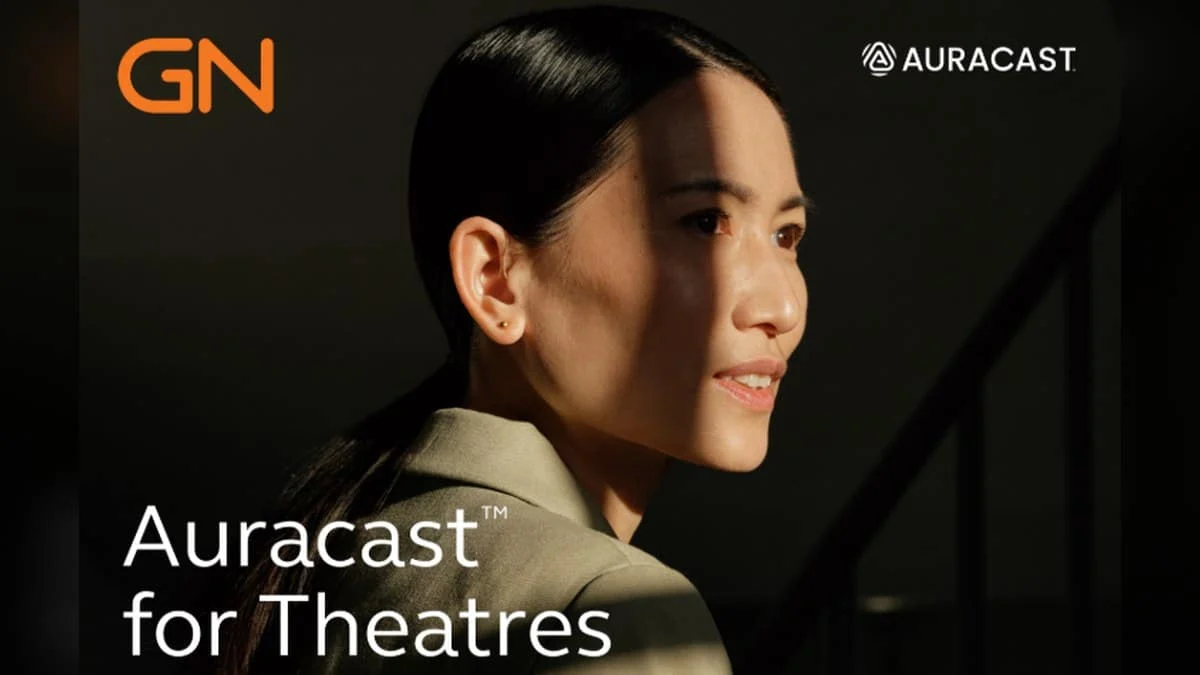
The initiative comes at a pivotal time, as global awareness of accessibility needs continues to grow, particularly within entertainment and cultural spheres. For a long time, individuals with hearing loss have faced significant barriers to fully enjoying live theatre. Issues such as distance from performers, intrusive background noise, and the often-unpredictable acoustics and reverberation within theatre spaces conspire to make following dialogue and appreciating the nuances of a performance incredibly challenging. While many venues have historically attempted to address these issues through various assistive listening systems (ALS), these solutions frequently present their own set of hurdles, including difficulties in locating, accessing, or even understanding how to operate the equipment, often leading to frustration and diminished enjoyment.
Understanding Auracast: A Paradigm Shift in Audio Broadcasting
Central to this new guide is Auracast broadcast audio technology, a feature of Bluetooth® LE Audio. Auracast represents a significant leap forward from previous wireless audio standards. Unlike traditional point-to-point Bluetooth connections, Auracast enables an audio source to broadcast an audio stream to an unlimited number of nearby compatible receiving devices. This means that a single audio transmitter in a theatre can send crystal-clear performance audio directly to a wide array of personal devices, including compatible hearing aids, cochlear implants, headphones, earbuds, and dedicated Auracast receivers.
The implications for accessibility are profound. Audiences can now potentially bypass cumbersome venue-provided equipment, connecting seamlessly with their own personal devices that are already optimized for their individual hearing needs. This direct transmission can dramatically improve speech clarity, reduce the impact of ambient noise, and mitigate the distortion often caused by poor acoustics. The technology promises a more personalized and high-fidelity listening experience, empowering users with greater independence and a higher quality of engagement.
The development of Bluetooth LE Audio, which underpins Auracast, was a multi-year effort by the Bluetooth Special Interest Group (SIG) and its members, reflecting a collective industry push to enhance wireless audio capabilities. Auracast specifically was envisioned to transform public audio environments, making shared listening experiences universally accessible. Its application in theatres is one of the most immediate and impactful uses, addressing a long-standing need for a more robust and user-friendly assistive listening solution than older technologies like induction loops (telecoils), which, while valuable, often suffer from limited coverage, interference, and varying quality.
The "Auracast for Theatres" Playbook: A Comprehensive Implementation Strategy
Developed by RNID with crucial support from GN Hearing, the "Auracast for Theatres" playbook is far more than just a technical manual. It is a holistic resource designed to guide venues through every stage of implementing Auracast, from initial conceptualization to daily operation and continuous improvement. The guide draws upon extensive independent research and invaluable input from a diverse group of stakeholders, including theatre customers with lived experience of hearing loss, dedicated venue personnel, and seasoned technical experts. This collaborative approach ensures that the recommendations are not only technically sound but also deeply empathetic to the real-world needs and challenges of both users and operators.
The playbook meticulously covers key operational aspects:
- Selection: Guidance on choosing the right Auracast system that aligns with a venue’s specific layout, capacity, and existing infrastructure.
- Installation: Best practices for deploying the technology to ensure optimal coverage and signal quality throughout the performance space.
- Operation: Protocols for managing the system during live performances, including troubleshooting and maintenance.
- Promotion: Strategies for effectively communicating the availability and benefits of Auracast to potential audiences.
A core tenet of the guide, and indeed the broader accessibility movement, is the emphasis that accessible listening experiences are not solely dependent on advanced audio technology. Equally vital are adequately trained staff, clear and consistent communication channels, and the meaningful involvement of people with hearing loss throughout the entire process. This human-centric approach acknowledges that technology, however sophisticated, is only as effective as its integration into a supportive and informed environment.
Bridging the Accessibility Gap: Beyond Traditional Systems
For the approximately 18 million people in the UK who are deaf, have hearing loss, or tinnitus, the magic of live theatre has often been elusive or significantly compromised. Alastair Moore, Technology Lead at RNID, underscored this critical issue: "Everyone should have the opportunity to enjoy the magic of live theatre, but for many people that’s simply not possible. Around 18 million people in the UK are deaf, have hearing loss or tinnitus, yet too often they are let down by assistive-listening systems that are difficult to access, poorly communicated or simply do not work when they arrive." Moore’s statement highlights the systemic failures that have historically marginalized a significant portion of the population from participating fully in cultural life.
The new guidance directly confronts these long-standing issues. By advocating for Auracast, it provides an alternative that can offer superior speech clarity and reduce reliance on often-flawed conventional venue-provided listening equipment. The guide’s grounding in independent research and the direct experiences of both theatre customers and venue teams is intended to equip venues with the tools to provide more reliable, welcoming, and ultimately, more enriching listening experiences. This shift from simply providing a system to ensuring a genuinely welcoming and functional experience is a hallmark of the playbook’s philosophy.
Operational Excellence and Communication as Cornerstones of Accessibility
The "Auracast for Theatres" playbook dedicates significant attention to considerations that extend beyond the technical installation itself, recognizing that successful implementation hinges on comprehensive operational and communication strategies.
One of the foremost recommendations is the involvement of people with hearing loss at every stage, from the initial selection and evaluation of systems to ongoing feedback. This co-creation approach ensures that accessibility solutions are genuinely user-centric and address real-world barriers that might otherwise be overlooked by technical planning alone. Their insights are invaluable for fine-tuning systems and improving the overall user journey.
Crucially, the guide stresses the importance of training front-of-house personnel. These staff members are often the first point of contact for visitors and play a vital role in assisting individuals with hearing loss, explaining the Auracast system, and troubleshooting any issues. Well-trained, empathetic staff can significantly enhance a visitor’s experience, reducing anxiety and fostering a more inclusive atmosphere.
Furthermore, the playbook strongly advocates for proactive and consistent communication of accessibility information. This means ensuring that details about accessible listening options are readily available well before audiences arrive at the venue. Communication channels should include booking platforms, official websites, customer emails, prominent signage within the venue, marketing and promotional materials, and direct interactions with staff. Clearly articulating whether a venue offers Auracast, what equipment is compatible, and how to access the broadcast is paramount to managing audience expectations and facilitating a seamless experience.
These operational and communication considerations are becoming increasingly vital as Auracast-enabled hearing aids, headphones, and other compatible consumer devices grow in prevalence. As more individuals acquire personal devices capable of receiving Auracast broadcasts, venues that have effectively integrated and communicated their Auracast offerings will stand out as truly accessible and inclusive destinations.
Laurel Christensen, Head of Global Audiology at GN, articulated the broader vision: "At GN, we believe accessibility should be a shared standard, not a privilege. Auracast has the potential to help transform how people experience sound in public spaces, but technology only makes a difference when it is implemented well, and people know it is available." Christensen emphasized GN’s commitment to supporting RNID in developing this independent resource, which is poised to help more people participate in shared cultural experiences.
The Audience Perspective: Real-World Impact and Independence
The project’s strength lies in its central element: the direct involvement of individuals with lived experience of hearing loss. Their feedback is instrumental in identifying and dismantling barriers that often escape notice during purely technical planning phases.
Gideon Hoffman, a 51-year-old hearing aid user from London who has had hearing loss since birth, offered a powerful testimony to the potential transformative value of improved audio accessibility in theatres. "It excites me that I may hear better in venues that I have not heard well in up to now. I normally rely on captions, but with Auracast I can hear the expression in actors’ voices," said Hoffman. His words highlight a profound benefit: moving beyond mere comprehension to fully experiencing the emotional depth and artistry of a live performance, a dimension often lost with less effective assistive technologies.
Hoffman also articulated a critical desire for greater independence, expressing hope that accessible broadcast audio could eventually allow audiences to connect to listening systems with minimal need to request assistance or obtain additional equipment. This aspiration underscores a key principle of universal design: creating environments and services that are usable by all people, to the greatest extent possible, without the need for adaptation or specialized design. Such independence not only improves the user experience but also reduces potential feelings of stigma or inconvenience associated with requiring special assistance.
Broader Impact and Implications for Public Spaces
The launch of "Auracast for Theatres" reflects a concerted and broader effort by RNID and GN Hearing to elevate awareness of Auracast technology and actively encourage its widespread adoption across various public venues. While the immediate focus is on theatres, many of the guide’s fundamental recommendations — concerning system reliability, comprehensive staff preparation, transparent communication, and iterative user testing — possess significant relevance for a much wider array of public spaces considering the implementation of broadcast audio technology. This includes concert halls, museums, lecture theatres, sports arenas, airports, and even public transport hubs.
The proliferation of accessible Auracast installations also presents a new opportunity for hearing care professionals. It enables them to educate their patients more effectively about the capabilities of compatible hearing technology in public settings, offering practical advice on how to connect and benefit from these systems. This could lead to increased patient satisfaction and a greater sense of integration into society.
From an economic perspective, venues that prioritize and effectively implement Auracast accessibility stand to benefit significantly. By removing barriers, they can attract a broader demographic of patrons, including the 18 million people in the UK with hearing loss, their families, and friends, who might otherwise avoid such venues. This expanded patronage can lead to increased revenue and a stronger connection with the community, enhancing the venue’s reputation as an inclusive and forward-thinking institution. Furthermore, the guide serves as a template for best practices, potentially accelerating the adoption of Auracast beyond the UK, fostering a global standard for audio accessibility in public spaces.
The "Auracast for Theatres" playbook, a crucial step towards a more inclusive future for live performance, became available for download on October 14, 2026, through RNID’s official website: www.rnid.org.uk/auracast-playbook/. Its release is anticipated to inspire a wave of accessibility enhancements across the theatre industry and beyond, setting a new benchmark for how cultural institutions engage with and serve all members of their audience.
Case Study: Auracast at Marriott Theatre in Illinois
As a testament to the practical application and positive impact of Auracast technology, early implementations in venues like the Marriott Theatre in Illinois provide compelling real-world examples. A video highlighting the Auracast deployment at the Marriott Theatre offers a behind-the-scenes look at the technology in action and captures firsthand reactions from audience members experiencing the system. This early success demonstrates the transformative potential that the "Auracast for Theatres" guide aims to replicate and standardize across a broader landscape of live performance venues. Such pioneering efforts underscore the feasibility and desirability of creating truly accessible auditory environments for all patrons.
About RNID
RNID is the national UK charity dedicated to supporting approximately 18 million people who are deaf, have hearing loss, or tinnitus. Established in 1911, the organization plays a vital role in improving accessibility, fostering cutting-edge hearing research, and advocating for the rights and needs of individuals affected by hearing conditions. More comprehensive information about their mission and initiatives can be found at www.rnid.org.uk.
About GN Hearing
GN Hearing is an integral part of the GN Group, a distinguished global leader in hearing and audio technology. Its esteemed portfolio of brands includes ReSound, Beltone, and Interton. GN is committed to pioneering the development of innovative hearing solutions and related technologies, all meticulously designed to enhance communication capabilities and expand access to sound for individuals worldwide. Further details about GN Hearing and its groundbreaking work are available at www.gn.com.
Source: GN, RNID