

The Scope of the Enforcement Initiative
The newly implemented strategy is not confined to major shipping terminals or large-scale industrial shipyards. It encompasses a broad spectrum of operations, including marine cargo handling, ship repair, vessel maintenance, and navigational services. Even small-scale enterprises, such as marinas specializing in recreational boat repair, fall under the jurisdiction of these enhanced inspection guidelines.
OSHA officials emphasize that the primary catalyst for this program is the statistically higher frequency of industrial hazards encountered on or near navigable U.S. waterways. These environments are inherently complex, involving heavy machinery, volatile chemical exposure, confined spaces, and the constant movement of large vessels. By subjecting these diverse workplaces to more frequent, targeted inspections, federal regulators aim to identify systemic safety gaps that have contributed to elevated injury rates.

Chronology of Regulatory Oversight in the Caribbean
The launch of this five-year plan follows a period of heightened scrutiny regarding the safety of workers in non-continental U.S. territories. While maritime regulations are standardized under federal law, the practical application of these rules in Puerto Rico and the U.S. Virgin Islands has faced challenges related to logistics, resource allocation, and the unique economic pressures of island-based industries.
Over the past decade, several incidents involving port-side accidents and vessel maintenance mishaps have highlighted the need for more localized, consistent oversight. The current initiative represents the culmination of a multi-year analysis conducted by regional safety boards, which concluded that sporadic, reactive inspections were insufficient to address the underlying risks. By establishing a formalized five-year framework, OSHA is shifting from a model of reactive investigation to one of proactive risk mitigation. This timeline ensures that businesses have a predictable schedule of oversight, allowing them to integrate safety improvements into their long-term operational planning.
Statistical Context and Workplace Hazards
Workplace injury data in the maritime industry consistently ranks among the highest in the labor sector. According to broader national trends, the maritime industry faces an injury rate nearly double that of the general construction or manufacturing industries. Factors contributing to this include the "triple threat" of environment, equipment, and movement.
In the Caribbean territories, specific variables exacerbate these risks. High humidity and salinity accelerate the degradation of equipment, leading to potential structural failures that might go unnoticed in less corrosive environments. Furthermore, the reliance on older vessel technology in some local operations presents unique mechanical hazards. The regional program will focus heavily on standard violations, including:

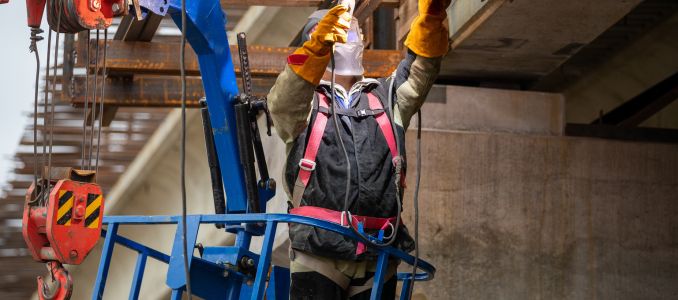
- Fall Protection: The most frequent violation in port operations, often stemming from working at heights on containers or vessel decks.
- Confined Space Entry: A critical risk in ship maintenance, where toxic atmospheres or oxygen-deficient environments remain a leading cause of fatalities.
- Machine Guarding: Inadequately protected gears and belts in shipyard machinery remain a persistent danger to workers.
- Material Handling: The improper use of cranes and rigging equipment, which is critical given the volume of cargo processed through Caribbean ports.
Proactive Outreach and Consultation Programs
A cornerstone of this federal initiative is the provision of free, confidential consultation services. Recognizing that many small and medium-sized maritime businesses lack the dedicated safety staff found in larger multinational corporations, OSHA is promoting the Puerto Rico OSHA Consultation Program and the U.S. Virgin Islands Safety in Paradise program.
These programs offer a "no-citation" pathway for businesses to improve their safety posture. By inviting consultants to their facilities, owners can identify potential violations and operational hazards without the threat of immediate federal fines. This strategy is designed to foster a collaborative rather than adversarial relationship between regulators and business owners. The goal is to move beyond the minimum requirements of the law and toward a culture of safety, where workers are empowered to flag hazards and management is equipped with the knowledge to remediate them effectively.

Industry Implications and Economic Impact
The tightening of safety standards carries significant implications for the economic stability of the Caribbean’s maritime sector. While the initial costs of compliance—such as equipment upgrades, mandatory training, and administrative oversight—may be significant for smaller operators, the long-term economic benefits are substantial.
High injury rates result in massive indirect costs, including lost labor hours, increased insurance premiums, potential legal liabilities, and the disruption of critical supply chains. In a region that relies heavily on imports for basic goods, a shutdown of port operations due to safety violations could have cascading effects on the local economy. By modernizing safety cultures, the initiative aims to stabilize operations and create a more resilient maritime infrastructure.

Furthermore, the emphasis on safety is likely to drive professionalization within the sector. As businesses invest in training and certification, the regional workforce will benefit from higher levels of technical expertise, which in turn improves the overall efficiency of port and shipyard operations.
Official Responses and Strategic Outlook
While specific statements from industry groups have yet to be formalized, early reactions from regional stakeholders suggest a mix of apprehension and cautious support. Industry representatives have previously expressed concerns regarding the cost of compliance in a competitive market where margins are often thin. However, there is a growing consensus that the status quo is unsustainable.

Federal officials maintain that the five-year window provides sufficient time for businesses to transition to higher safety standards. The success of the program will be measured not by the number of citations issued, but by the measurable reduction in injury and illness rates as reported to federal labor databases.
The integration of the Safety in Paradise program and the Puerto Rico Consultation services highlights a shift toward localized support. These programs are tailored to the specific needs of the Caribbean labor market, incorporating bilingual resources and an understanding of the regional cultural context. By leveraging these local partnerships, OSHA hopes to ensure that the message of safety is not lost in translation and that compliance becomes a shared community goal.
Future Projections and Conclusion
As the five-year plan progresses, federal authorities intend to publish annual reports detailing the program’s impact. These reports will be critical in determining whether the initiative requires further expansion or if the current framework is sufficient to sustain improvements.
The maritime sector in Puerto Rico and the U.S. Virgin Islands is entering a new era of accountability. The convergence of strict federal enforcement and robust, proactive consultation represents a comprehensive approach to a complex problem. By addressing the physical, systemic, and cultural aspects of workplace safety, this initiative aims to ensure that the vital maritime pathways of the Caribbean are not only efficient but fundamentally safe for the thousands of workers who depend on them for their livelihoods. The coming years will demonstrate whether this collaborative, rigorous framework can effectively reverse the trajectory of injury rates and set a new standard for maritime safety in the tropics.