The Chronology of Early Auditory Intervention
Marna’s developmental trajectory was shaped by a series of precisely timed clinical and educational milestones. Modern audiology protocols prioritize the “1-3-6” rule: screening by one month, diagnosis by three months, and intervention by six months. Marna’s care followed this rigorous timeline, beginning when she was fitted with her first set of hearing aids at just two months old. This rapid response allowed for immediate auditory stimulation during a critical period of neuroplasticity.
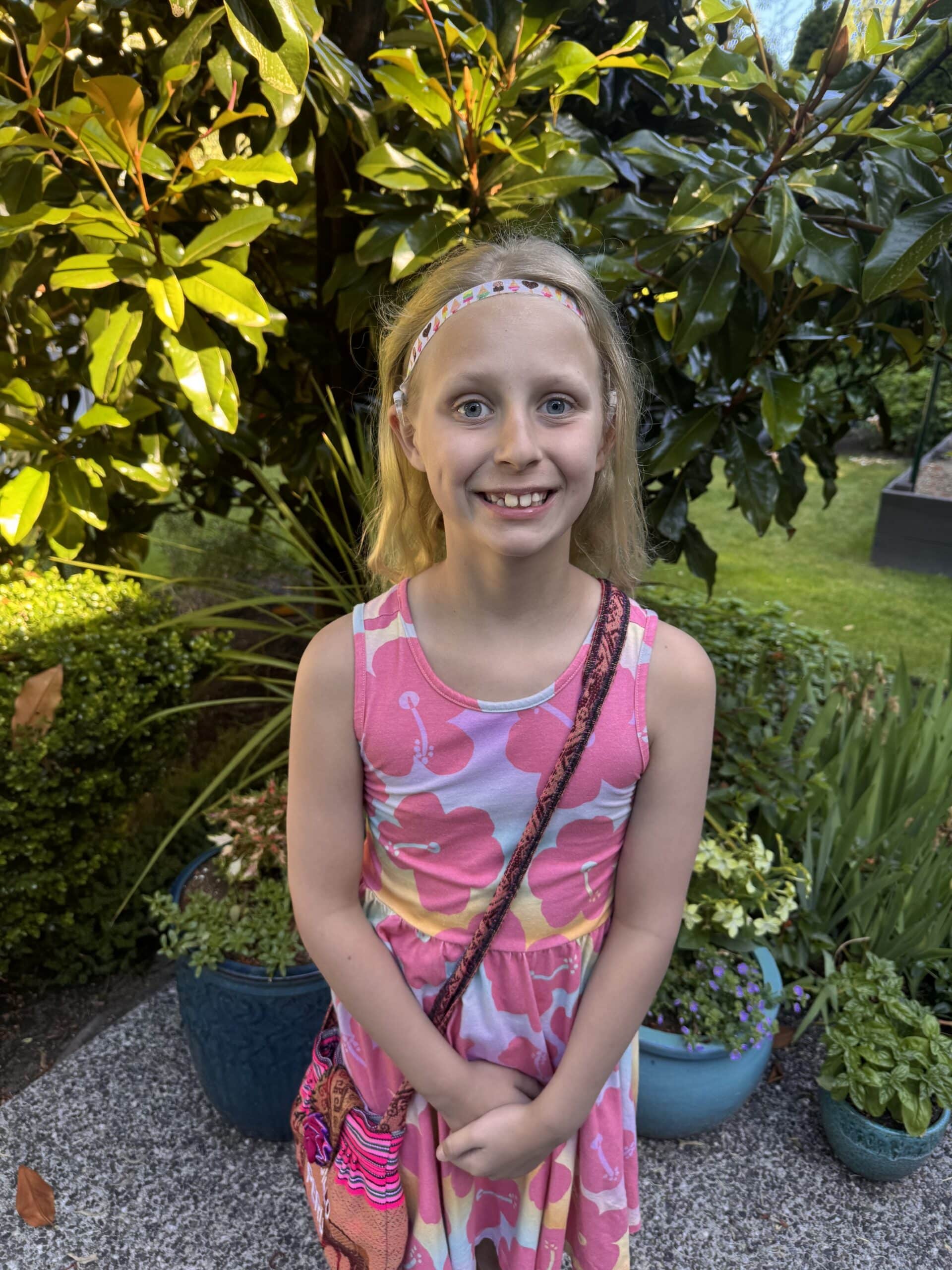
At twelve months of age, Marna received her first cochlear implant—a sophisticated electronic medical device that bypasses damaged hair cells in the cochlea to stimulate the auditory nerve directly. The integration of this technology continued when she received a second implant at age two, facilitating bilateral hearing. Bilateral cochlear implantation is widely recognized by clinical researchers for its role in improving sound localization and speech perception in noisy environments, both of which are essential for academic and social integration in school-aged children.
Following her surgical interventions, the Klein family engaged with Listen and Talk’s Birth-to-Three program. This phase involved intensive home-based visits where specialists worked with the family to integrate LSL strategies into daily life. By transitioning to a Blended Classroom model between the ages of three and five, Marna was provided with a specialized learning environment that facilitated the transition to mainstream education.
The Science of Listening and Spoken Language (LSL)
The LSL approach, which Marna’s family utilized, is an evidence-based practice that focuses on teaching children who are deaf or hard of hearing to listen and talk through the use of assistive technology and auditory-verbal therapy. Unlike traditional sign-language-only models, LSL emphasizes the development of spoken language as the primary mode of communication.

Research published in journals such as Pediatrics suggests that children who receive cochlear implants and participate in auditory-based therapy prior to age three perform significantly better on language and literacy assessments than their late-implanted peers. The neurological basis for this success lies in the brain’s "critical period," a window of time during which the auditory cortex is most receptive to stimulus. By providing consistent, high-quality auditory input, the LSL approach allows children like Marna to develop cognitive and linguistic skills that are on par with their hearing peers.
Institutional Support and Community Integration
The Listen and Talk educational model operates on the principle that family involvement is as critical as professional intervention. By incorporating parents into the classroom and home-visit structures, the program builds a support network that extends beyond the clinical setting.
Educational experts note that the "Blended Classroom" approach—which integrates children with hearing loss with their peers—serves as a vital bridge. For Marna, this environment offered more than just language acquisition; it provided a space for social-emotional development. During these formative years, children with hearing loss often face unique challenges regarding self-advocacy and self-identity. By engaging with a community of peers and teachers trained in hearing loss advocacy, Marna was able to cultivate a strong sense of self-esteem, transforming her relationship with her cochlear implants from a medical necessity into an integral part of her identity.

Supporting Data: The Broader Impact of Early Intervention
The financial and social implications of early intervention are profound. According to the National Institute on Deafness and Other Communication Disorders (NIDCD), approximately two to three out of every 1,000 children in the United States are born with a detectable level of hearing loss in one or both ears. Without intervention, these children face a high risk of significant delays in language development, which can lead to reduced academic achievement and limited employment opportunities in adulthood.
Data from the Alumni Family Giving Campaign indicate that sustained funding for these programs is essential to maintaining the high staff-to-student ratios required for effective LSL therapy. For every dollar invested in early intervention, society realizes a significant return, primarily through reduced reliance on special education services and increased long-term economic participation by the individual.
Official Perspectives and Alumni Advocacy
The Klein family’s ongoing involvement with the Alumni Family Giving Campaign serves as a public call to action for the preservation of these services. By sharing Marna’s success—her passion for reading, her participation in competitive sports like lacrosse and soccer, and her active social life—the family aims to destigmatize hearing loss and promote the vision that, with proper resources, no child is limited by a sensory impairment.

"Listen and Talk provided the foundation, but Marna provided the perseverance," says a spokesperson close to the program. "The goal of the alumni campaign is to ensure that the same level of expertise and community support is available to the next generation of families, regardless of their background or initial challenges."
Long-Term Implications for Pediatric Auditory Care
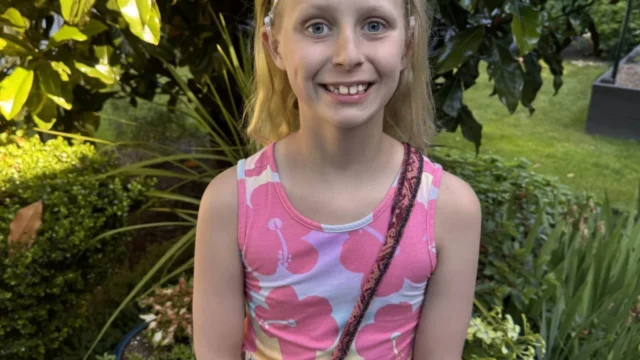
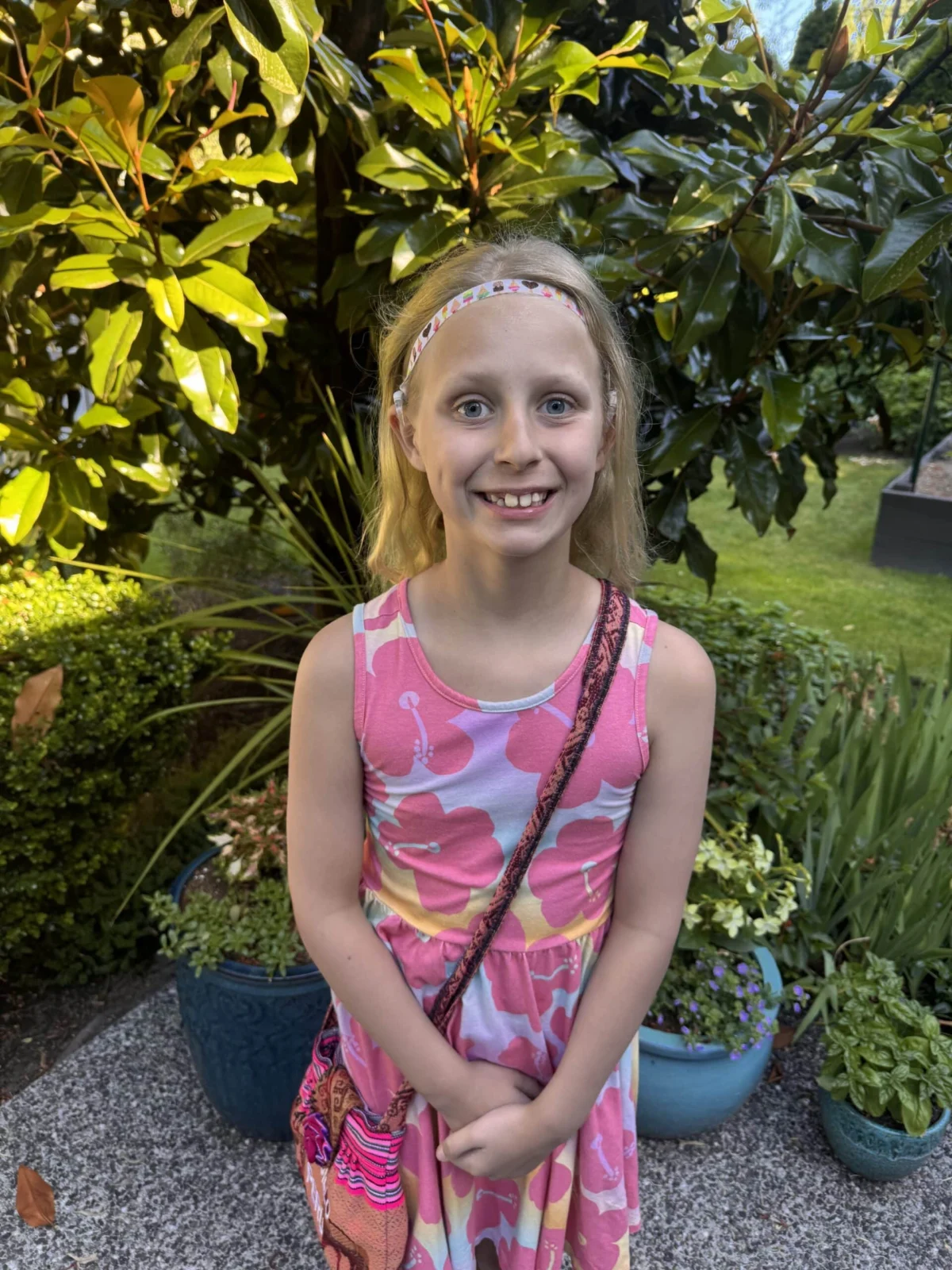
Marna Klein’s current status—as an active eight-year-old engaged in various extracurricular activities—is the desired outcome of the modern audiological model. However, the success of this model is highly contingent on the accessibility of specialized care. As technology continues to evolve, the challenge for institutions like Listen and Talk lies in keeping pace with the rapid advancements in cochlear implant processors and remote-learning support.
The success of the program is also a testament to the importance of "self-advocacy" training. By learning to navigate the complexities of her equipment at an early age, Marna has gained the agency to participate fully in mainstream sports and academic settings. Her journey illustrates that the ultimate goal of early intervention is not merely the restoration of hearing, but the empowerment of the individual to thrive in a hearing world without limitations.
Conclusion
The story of Marna Klein serves as a microcosm of the potential inherent in modern pediatric medicine and education. By bridging the gap between clinical intervention and social integration, programs like Listen and Talk have successfully shifted the narrative around childhood deafness. While the path requires significant commitment from both families and providers, the results—measured in self-confidence, academic performance, and social participation—provide a robust argument for the continued expansion and funding of early auditory intervention initiatives nationwide.
As the Alumni Family Giving Campaign continues to solicit support, the broader community is reminded that the investment in a child’s early years is the most reliable predictor of their lifelong success. Marna’s story is not an outlier, but a reflection of what is possible when early identification is met with comprehensive, compassionate, and expert-led support systems.