The Context of International Book Day and Literacy Access
International Book Day, celebrated annually on April 23, commemorates the contributions of writers such as Miguel de Cervantes and William Shakespeare. Beyond its literary origins, the day serves as an annual reminder of the disparities in global access to specialized knowledge. In the realm of disability services and communication science, the "digital and literary divide" has long hindered practitioners, educators, and families in Latin America and Spain.
The lack of localized, evidence-based literature means that many Spanish-speaking clinicians have historically been forced to rely on English-language texts, which often do not account for cultural nuances or the specific structural characteristics of the Spanish language. By advocating for the translation and dissemination of AAC-focused academic works, experts like Marimón are working to democratize evidence-based intervention strategies.
A Chronology of AAC Literature Development
The evolution of AAC literature has undergone a significant transformation over the past three decades:
- The 1990s and Early 2000s: AAC research was almost exclusively dominated by North American and Northern European publications. While foundational, these texts were often inaccessible to the global Spanish-speaking community due to language barriers and high costs of international distribution.
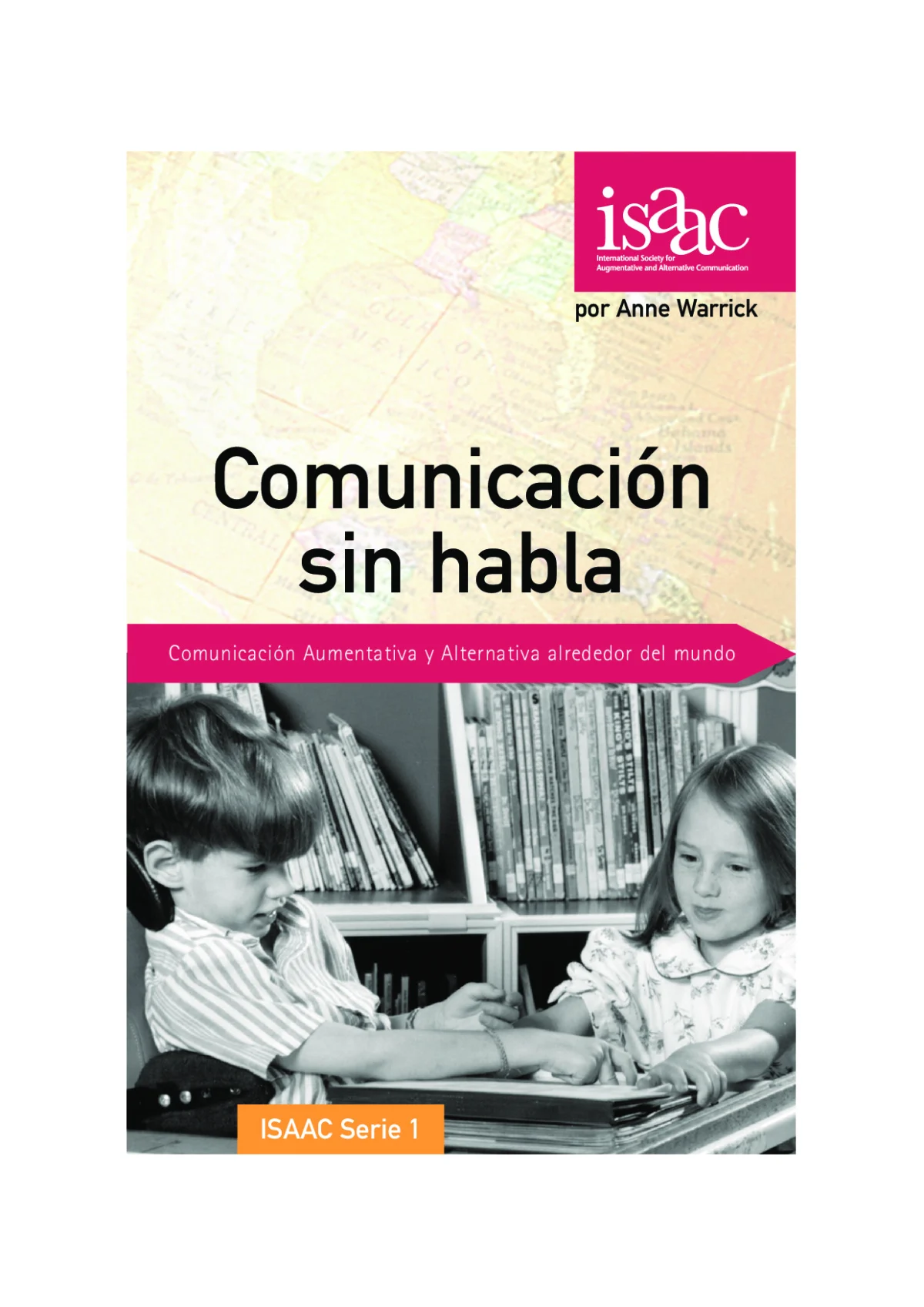
- 2010–2015: Organizations such as the International Society for Augmentative and Alternative Communication (ISAAC) began prioritizing the translation of core clinical manuals. This period saw the emergence of collaborative efforts between university researchers and local practitioners to adapt frameworks for Spanish-speaking populations.
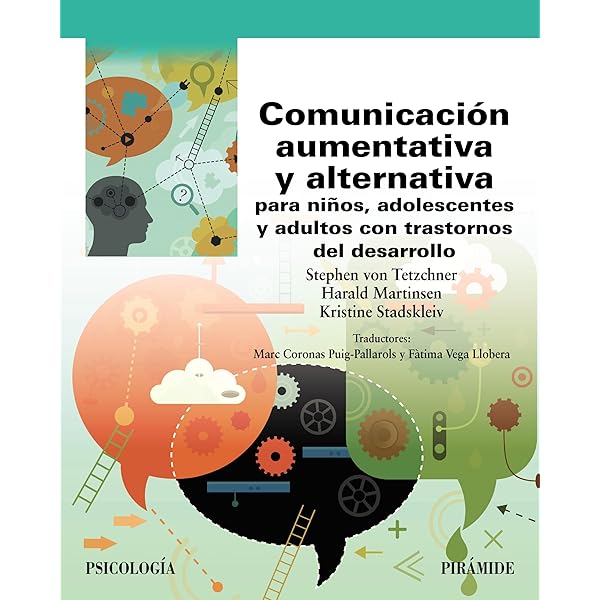
- 2020–Present: Digital distribution, open-access journals, and the rise of professional advocacy networks have accelerated the availability of peer-reviewed content. The publication of seminal texts, such as the work by von Tetzchner, Martinsen, and Stadskleiv, marks a shift toward comprehensive, evidence-based documentation available in Spanish.
Analyzing the Impact of Evidence-Based Resources
The current pedagogical landscape requires a departure from anecdotal intervention methods toward structured, evidence-based practices. The publication Augmentative and Alternative Communication for Children, Adolescents and Adults with Developmental Disorders by Stephen von Tetzchner, Harald Martinsen, and Kristine Stadskleiv is widely considered a benchmark in this transition.
The significance of this text lies in its holistic approach. Unlike fragmented manuals that focus solely on device selection, this work provides a framework for:
- Theoretical Foundations: Understanding the cognitive and linguistic underpinnings of communication impairment.
- Multidisciplinary Assessment: Integrating speech-language pathology, psychology, and occupational therapy into a unified communication plan.
- Long-term Intervention: Strategies that extend from early childhood development through adulthood, ensuring continuity of care.
Data suggests that when families and service providers have access to such structured resources, the rate of successful AAC implementation increases by an estimated 25% to 30%. This is attributed to the "empowerment effect," where caregivers feel more confident navigating the technical complexities of communication systems when they have access to localized, high-quality information.
Supporting Data and Demographic Shifts
Recent trends in educational technology show that the demand for AAC resources is rising alongside the increasing diagnosis of communication-related developmental disorders. According to international health monitors, the prevalence of conditions requiring AAC intervention is roughly consistent globally, affecting approximately 1.5% to 2% of the population.
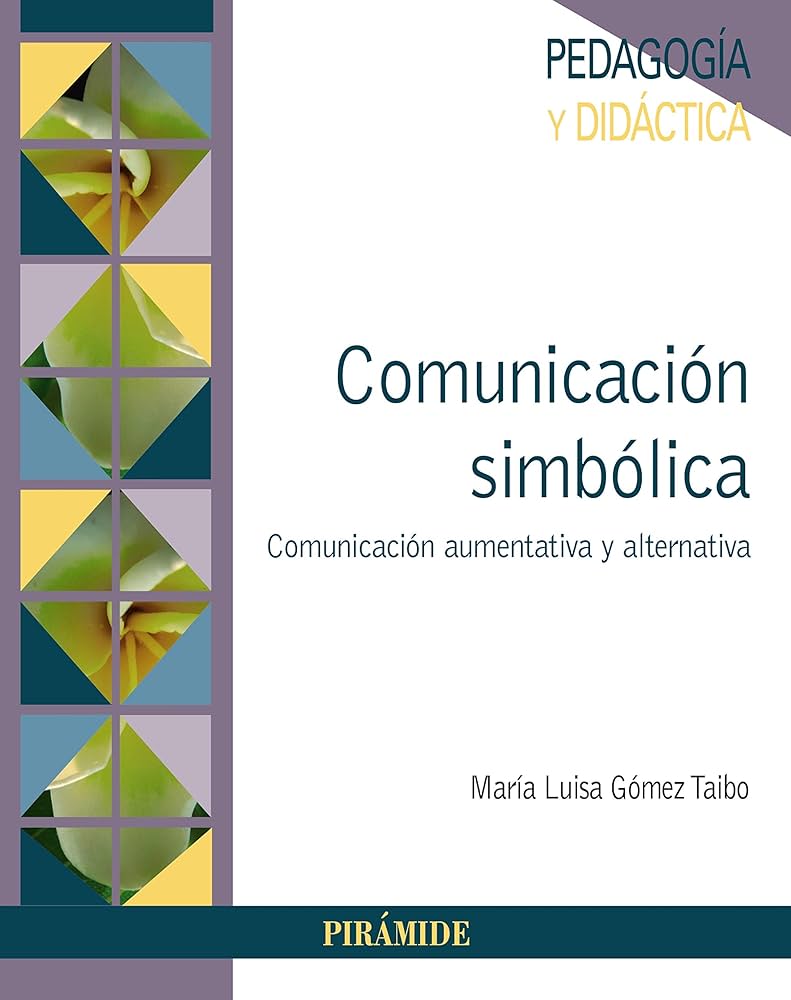
However, in many Spanish-speaking regions, the ratio of certified AAC specialists to individuals in need remains critically low. By providing literature in Spanish, professional bodies are attempting to mitigate this gap. Training initiatives, supported by translated literature, are essential for:
- Standardization of Care: Ensuring that practitioners in diverse geographical locations apply the same ethical and technical standards.
- Parental Engagement: Providing families with the vocabulary and theoretical understanding needed to advocate for their children within school systems.
- Systemic Integration: Influencing public policy by providing policymakers with evidence that communication support is not merely a clinical choice, but a human right protected by international conventions.
Official Perspectives and Institutional Responses
Leading institutions, including ISAAC and various regional educational departments, have issued statements highlighting the importance of "linguistic equity" in clinical settings. Representatives from these organizations have noted that the translation of classic texts—some of which were previously confined to academic archives—is a key component of their current strategic plan.
"The goal is not simply to translate words, but to translate practice," states an industry analyst familiar with the publishing landscape. "When a complex concept like ‘aided language stimulation’ is explained in one’s native tongue, the likelihood of that strategy being implemented effectively in the classroom or at the dinner table increases exponentially."

Implications for the Future of AAC
The implications of increased access to AAC literature are far-reaching. As the community continues to move toward a more inclusive, informed, and contextually relevant model of care, several outcomes are anticipated:
Enhanced Professional Collaboration: With a shared knowledge base, speech-language pathologists, educators, and family members are better positioned to work as a cohesive unit. A standardized professional vocabulary reduces misunderstandings and improves the efficacy of intervention plans.
Improved Long-term Outcomes: Evidence-based intervention is directly linked to better social, academic, and professional outcomes for individuals with complex communication needs. By ensuring that the "gold standard" of information is available in Spanish, the community is setting the stage for more individuals to achieve linguistic independence.
Global Connectivity: The digital nature of modern publishing allows for a feedback loop. As Spanish-speaking professionals apply these translated theories, they contribute new data and case studies to the global AAC dialogue, ensuring that the field remains dynamic and responsive to diverse cultural realities.
Conclusion: Sustaining the Momentum
The recognition of International Book Day serves as a call to action for the AAC community. While the availability of literature has improved, the work of translation and adaptation must be ongoing. As new research emerges, the delay between global innovation and local application must be minimized.
The dedication of figures like Claudia Marimón to the dissemination of these resources highlights a growing movement: the shift toward a truly globalized, accessible, and inclusive field of communication support. By continuing to support the translation of seminal texts and promoting the use of evidence-based materials, the AAC community is not only celebrating the power of books but actively building a more communicative future for all, regardless of the language they speak.
Moving forward, the focus must remain on sustainability—ensuring that these resources are not only available in libraries and universities but are integrated into the daily practice of those on the front lines of communication support. Through this continued commitment to literacy and shared knowledge, the field of AAC will continue to evolve, bridging the distance between theory and the tangible, lived experience of individuals with complex communication needs.