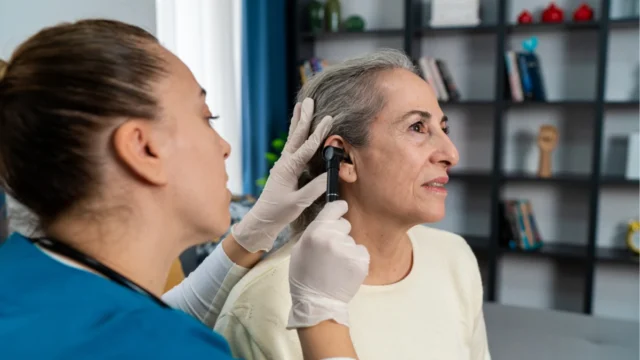

The unsettling sensation of hearing sounds as doubled, distorted, or out of tune can be profoundly disorienting, particularly when it arises abruptly. Diplacusis itself is generally considered a symptom or a subjective auditory experience rather than a standalone diagnosis. Identification of its root cause and exploration of potential treatment or management strategies typically involve the expertise of an audiologist, an Ear, Nose, and Throat (ENT) specialist, or another qualified healthcare professional.
Defining Diplacusis: Beyond the Common Term "Double Hearing"
Medically termed diplacusis, the phenomenon of hearing a single sound as two distinct auditory events—either at different pitches or with an echoic quality—is a significant auditory anomaly. While some individuals may refer to this as "double hearing syndrome," the established medical terminology remains diplacusis. This perceptual distortion can profoundly impact various aspects of daily life, including the comprehension of spoken language, the enjoyment of music, telephonic communication, the recognition of alarms, and the ability to engage in conversations within noisy environments.

The physiological basis of diplacusis often lies in the transmission of mismatched auditory information from the ears, cochlea, auditory nerve, or along the neural pathways to the brain. Potential contributing factors range from common issues like earwax blockage and ear infections to more complex conditions such as inner-ear disorders, sudden noise exposure, or progressive hearing loss.
The Subjective Experience of Diplacusis: What Does Double Hearing Sound Like?
Describing the experience of double hearing can be challenging for those affected. Common subjective reports include:
- Perceived Pitch Differences: A single sound, such as a musical note or a spoken word, is heard at two distinct pitches simultaneously, one often higher or lower than the other.
- Echoic Quality: A sound is perceived as having a delayed repetition or an echo, as if it were bouncing off a surface.
- Auditory Distortion: Sounds may appear warped, unclear, or "out of tune," particularly noticeable in complex auditory stimuli like music.
- Asymmetrical Perception: The "doubling" effect might be more pronounced or solely present in one ear, leading to a stark contrast in auditory perception between the left and right sides.
These symptoms are often most apparent when listening to pure tones, music, alarms, speech, or audio transmitted through headphones, where subtle pitch or timing discrepancies become more easily detectable. The prevalence of diplacusis is not extensively documented in large-scale epidemiological studies, but it is recognized as a notable symptom that warrants medical investigation, especially when it is a new onset or significantly impacts quality of life.
Categorizing Diplacusis: Monaural and Binaural Manifestations
Diplacusis can be broadly classified based on whether it affects one ear or both, and the nature of the auditory distortion experienced. The primary categories are:

| Main Category | Subtype | Description | Perceptual Experience |
|---|---|---|---|
| Diplacusis Binauralis | Echoica | The same sound reaches the two ears at perceptibly different times. | Sounds may seem delayed, creating an echo-like effect or a sense of disjointed auditory input between the ears. |
| Diplacusis Binauralis | Dysharmonica | The same sound is perceived at different pitches in the two ears. | Music or voices may sound discordant, out of tune, or as if there’s a constant pitch mismatch between left and right. |
| Diplacusis Monauralis | Dysharmonica | Within a single ear, a single sound is perceived as two distinct tones or pitches. | One ear may experience a double sound or an out-of-tune auditory sensation independently of the other ear. |
Diplacusis Dysharmonica: The Pitch Mismatch Phenomenon
Diplacusis dysharmonica is characterized by a discrepancy in pitch perception. One ear might register a sound at its expected frequency, while the other perceives the same sound as higher, lower, or less distinct. This form of diplacusis can be particularly distressing for musicians, singers, or individuals with a heightened sensitivity to pitch accuracy. It is frequently associated with asymmetrical hearing loss, where the degree or type of hearing loss differs between the ears, or with sensorineural hearing loss, which affects the inner ear or auditory nerve. Currently, there is no universally guaranteed treatment for diplacusis dysharmonica; management is contingent upon addressing the underlying cause.
Diplacusis Echoica: The Temporal Discrepancy
Diplacusis echoica arises from a difference in the timing of sound perception between the ears. A single external sound may be heard as a repetition or an echo, or it may arrive at slightly offset times in each ear. This temporal disparity can significantly impede speech intelligibility, especially in environments already challenged by background noise, as the brain struggles to segregate the primary speech signal from its delayed or echoed components.
Unraveling the Causes of Diplacusis: A Multifaceted Origin
The fundamental mechanism behind diplacusis involves the auditory system’s inability to process and transmit synchronized and accurate sound information to the brain. This can stem from a variety of factors impacting the auditory pathway:
- Earwax Impaction: A significant buildup of cerumen can physically obstruct the ear canal, altering sound conduction and potentially leading to diplacusis.
- Ear Infections: Otitis media (middle ear infection) or other infections can cause fluid accumulation or inflammation, affecting the mechanics of hearing.
- Congestion: Nasal or sinus congestion can sometimes lead to pressure changes in the middle ear, impacting hearing.
- Sudden Sensorineural Hearing Loss (SSNHL): This is a critical cause that requires immediate medical attention. SSNHL is defined as a rapid loss of hearing, usually in one ear, occurring over 72 hours or less. Diplacusis can be a prominent symptom alongside the hearing loss itself.
- Noise-Induced Hearing Loss: Exposure to excessively loud sounds, whether from a single acute event (acoustic trauma) or prolonged exposure, can damage the delicate hair cells in the cochlea, leading to various auditory distortions, including diplacusis.
- Ototoxic Medications: Certain drugs, such as some antibiotics and chemotherapy agents, can damage the inner ear and result in hearing loss and related symptoms like diplacusis.
- Meniere’s Disease: This inner ear disorder is characterized by episodes of vertigo, tinnitus, hearing loss, and aural fullness, and can also manifest with diplacusis.
- Acoustic Neuroma: A benign tumor on the auditory nerve can compress the nerve, leading to gradual hearing loss, tinnitus, and sometimes diplacusis.
- Head Trauma: Injuries to the head can affect the structures of the ear or the auditory pathways in the brain.
- Neurological Conditions: Certain neurological disorders can impact auditory processing.
- Age-Related Hearing Loss (Presbycusis): While typically characterized by a gradual decline in high-frequency hearing, presbycusis can sometimes present with more complex perceptual distortions.
The transient nature of some causes, such as earwax, congestion, or acute infections, means that diplacusis symptoms may resolve once the underlying issue is addressed. However, when diplacusis is associated with more persistent conditions like sudden hearing loss or permanent auditory damage, it may require ongoing management. The abrupt onset of double hearing, especially when accompanied by sudden hearing loss or sudden muffled hearing in one ear, necessitates prompt medical evaluation to rule out serious conditions.

Diplacusis in a Single Ear: Monaural Diplacusis Explained
The occurrence of double hearing in one ear, known as monaural diplacusis, is a recognized clinical presentation. This can arise when a single ear is affected by factors such as blockage, infection, hearing loss, trauma, or other localized auditory problems. When one ear perceives sound differently from the other, the brain’s ability to fuse these disparate signals into a coherent auditory experience is compromised, leading to a diminished sense of auditory clarity and spatial awareness. Symptoms experienced in just one ear should not be overlooked, particularly if they manifest suddenly. A comprehensive hearing assessment is crucial to determine whether the issue is conductive, sensorineural, mixed, or has another underlying medical etiology.
Duration of Diplacusis: A Cause-Dependent Variable
The duration of diplacusis is highly variable and intrinsically linked to its underlying cause. For temporary conditions such as earwax impaction, middle ear fluid, or nasal congestion, symptoms may subside within days or weeks as the causative factor is resolved. Conversely, if diplacusis is a consequence of more enduring issues like sudden sensorineural hearing loss, acoustic trauma, or progressive hearing impairment, the symptoms may persist and necessitate long-term management strategies.
When to Seek Immediate Medical Attention
The sudden onset of diplacusis, especially when accompanied by other concerning symptoms, warrants urgent medical attention. These red flags include:
- Sudden hearing loss
- Sudden muffled hearing in one ear
- Severe dizziness or vertigo
- Sudden onset of severe tinnitus
- Facial numbness or weakness
- Severe ear pain
- Discharge from the ear
- Neurological symptoms, such as difficulty speaking or swallowing
For persistent, worsening, or significantly bothersome diplacusis symptoms, scheduling an appointment with an audiologist, ENT specialist, or other qualified healthcare professional is advisable. Early intervention can be critical for identifying the cause and initiating appropriate management.
Diagnosing Diplacusis: A Comprehensive Approach
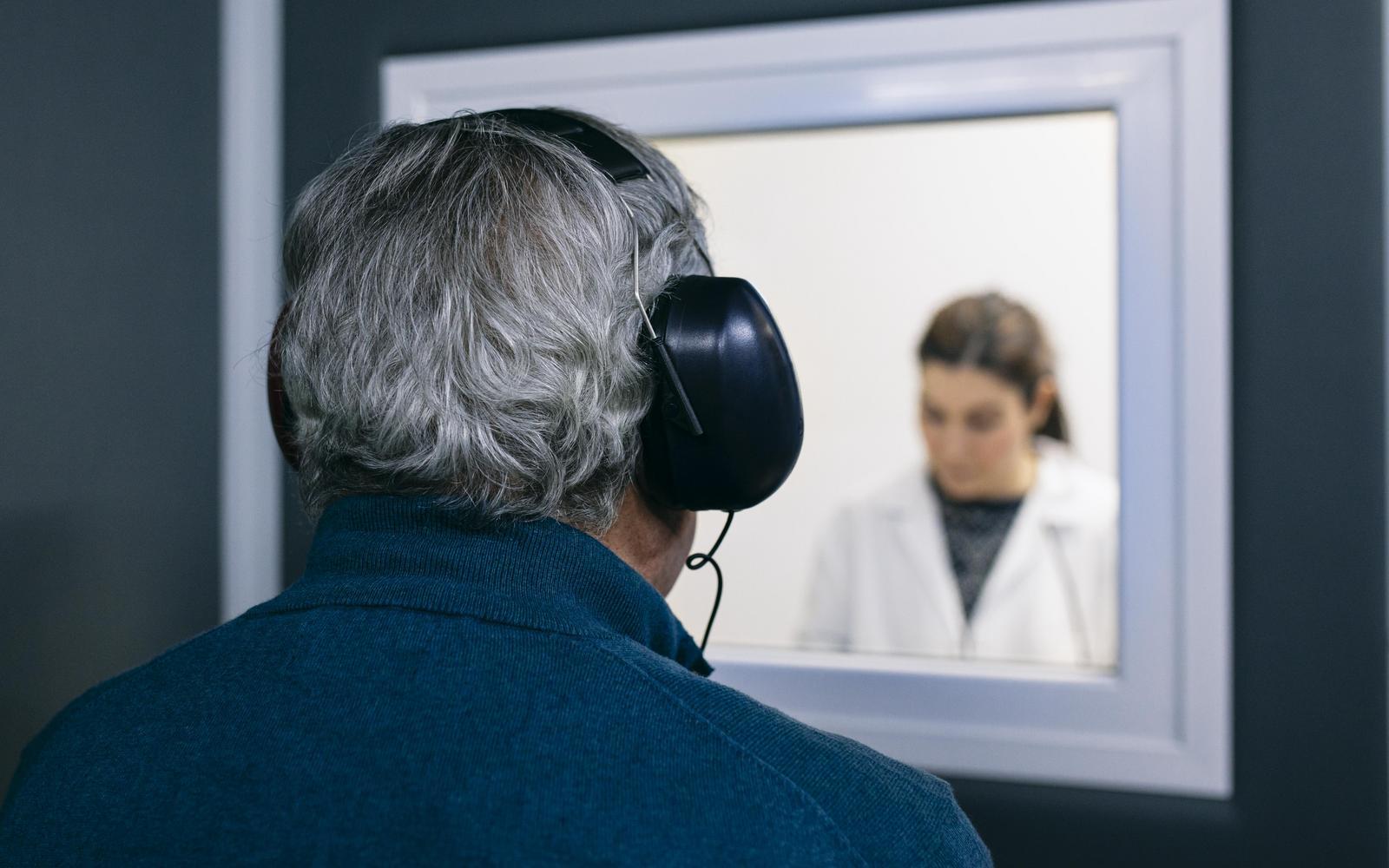
The diagnostic process for diplacusis typically involves a thorough clinical history and a battery of audiological and medical evaluations. Clinicians will inquire about the onset and nature of the symptoms, whether one or both ears are affected, and the presence of associated symptoms such as tinnitus, dizziness, ear fullness, ear pain, recent exposure to loud noise, head trauma, or changes in medication.
A physical examination of the ear canal and eardrum is conducted to identify potential issues like earwax, fluid, or signs of infection. Hearing tests, including pure tone audiometry and speech audiometry, are essential for quantifying hearing thresholds and assessing speech understanding. Specialized audiological tests, such as pitch matching or binaural hearing assessments, may be employed to further characterize the diplacusis.
Referral to an ENT specialist may be necessary if the symptoms are sudden, unilateral, medically complex, or accompanied by dizziness, pain, drainage, or neurological signs. Advanced imaging, such as an MRI, might be considered if an acoustic neuroma or other structural abnormalities are suspected.
Diplacusis Treatment and Management Options: Tailored to the Cause
There is no singular treatment protocol for diplacusis, as the most effective approach is dictated by the underlying cause. Management strategies can include:

- Professional Earwax Removal: Safely removing impacted earwax by a healthcare professional can quickly resolve diplacusis if it is the primary cause.
- Medical Treatment for Infections: Antibiotics or other medications may be prescribed to treat ear infections or inflammation.
- Medication Review: If ototoxic medications are suspected, a review with the prescribing physician may lead to adjustments or substitutions.
- Hearing Protection: In cases of noise-induced hearing loss, consistent use of hearing protection in noisy environments is crucial to prevent further damage.
- Hearing Aids: For individuals with accompanying hearing loss, hearing aids can amplify sounds, potentially improving overall auditory perception and reducing the impact of diplacusis. While hearing aids do not directly "cure" diplacusis, they can enhance access to sound and support listening balance.
- Sound Therapy and Auditory Training: These rehabilitative approaches can help the brain adapt to altered auditory input and improve listening skills.
- Tinnitus Management: If tinnitus is a co-occurring symptom, strategies to manage tinnitus may also provide some relief or improve coping mechanisms.
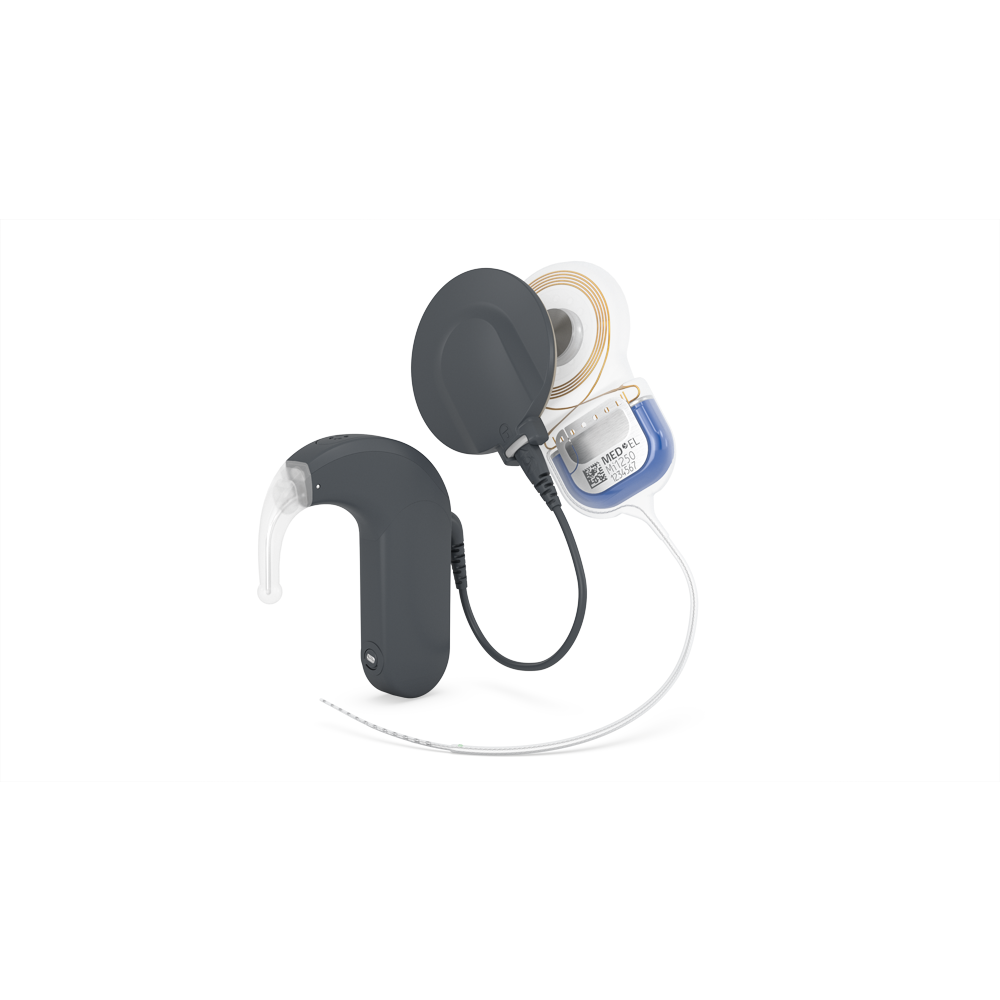
- Hearing Implants: In cases of severe-to-profound sensorineural hearing loss or single-sided deafness, advanced solutions like cochlear implants may be considered after thorough specialist assessment. Cochlear implants bypass damaged parts of the inner ear and directly stimulate the auditory nerve, potentially restoring a sense of hearing.
Addressing Temporary Causes
When diplacusis stems from temporary issues like earwax, fluid, or congestion, symptom resolution often follows the successful treatment of the primary condition. It is strongly advised to avoid home remedies such as cotton swabs, ear candling, or aggressive removal techniques, as these can exacerbate irritation, cause injury, or push wax further into the ear canal. A healthcare professional can safely assess and manage these issues.
Managing Diplacusis Associated with Hearing Loss
For individuals experiencing diplacusis alongside hearing loss, an audiologist or ENT specialist will explore various audiological interventions. These may include:
- Hearing Aids: As mentioned, these devices can improve sound clarity and balance.
- Assistive Listening Devices (ALDs): ALDs, such as FM systems or amplified telephones, can further enhance communication in specific situations.
- Auditory Rehabilitation: This involves training and strategies to improve listening skills and maximize the use of residual hearing.
- Hearing Implants: For more severe forms of hearing loss, cochlear implants or other implantable hearing solutions may be a viable option.
It is important to reiterate that hearing technology does not typically "cure" diplacusis directly. Instead, it aims to improve the overall auditory experience, mitigate the impact of hearing loss, and support the brain’s ability to process sound more effectively.
The Role of Hearing Technology
In situations where diplacusis is linked to permanent hearing loss, a hearing specialist might discuss the potential benefits of hearing aids, auditory rehabilitation programs, or hearing implants. For individuals with severe-to-profound sensorineural hearing loss or single-sided deafness, cochlear implants can offer significant improvements in hearing and communication. The decision to pursue such advanced interventions is made on a case-by-case basis following a comprehensive evaluation by a qualified medical professional.
Frequently Asked Questions About Diplacusis
Is diplacusis the same as tinnitus?
No, diplacusis and tinnitus are distinct conditions, although they can coexist. Tinnitus is the perception of sound (e.g., ringing, buzzing) without an external source. Diplacusis, conversely, involves the distorted perception of an actual external sound, heard as doubled, echoed, or at different pitches, often between the ears.
Can earwax cause double hearing?
Yes, impacted earwax can alter sound conduction and lead to a perception of double hearing. However, earwax is only one of several potential causes. A professional ear examination is necessary to determine if earwax, fluid, infection, hearing loss, or another condition is responsible for the symptoms.
Can diplacusis resolve on its own?
Diplacusis may improve if the underlying cause is temporary, such as earwax impaction, middle ear fluid, or an infection. If it is related to permanent hearing loss, symptoms might require ongoing management rather than a complete resolution. A professional diagnosis is key to understanding the prognosis and appropriate next steps.
Conclusion: Navigating the Auditory Landscape of Diplacusis
Diplacusis, or double hearing, presents a complex auditory challenge characterized by the perception of single sounds as two, often with differing pitches or an echoic quality. While unsettling, it is a symptom that typically signals an underlying issue within the auditory system, ranging from easily treatable conditions like earwax to more significant problems such as sudden hearing loss. Prompt and accurate diagnosis by audiologists and ENT specialists is paramount for identifying the root cause and developing a personalized management plan. Through a combination of medical treatment, rehabilitative strategies, and potentially advanced hearing technology, individuals experiencing diplacusis can work towards restoring clearer, more unified auditory perception and improving their overall quality of life. The key lies in understanding the diverse origins of this condition and seeking timely professional guidance.