A Chronology of Diagnosis and Intervention
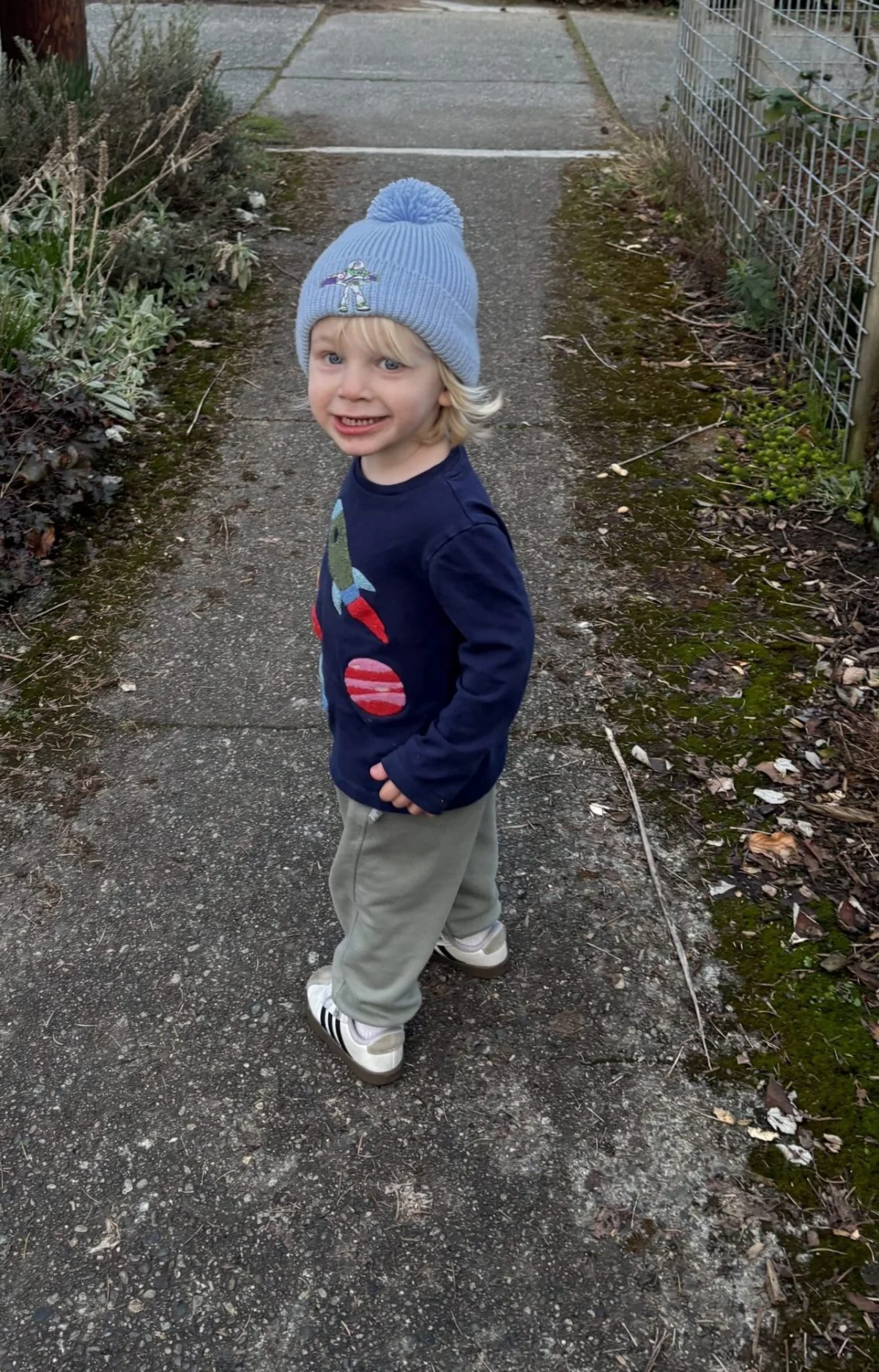
Landon’s experience with the healthcare system began at just two months of age. Following an initial failure during a routine newborn hearing screening, his parents embarked on a rigorous diagnostic odyssey. This process is common for families of children with hearing loss; data from the Centers for Disease Control and Prevention (CDC) indicates that while many children are screened at birth, the transition from screening to diagnosis and then to the initiation of early intervention services (EIS) can often be fraught with logistical delays.
For Landon, the diagnosis was identified as mild-to-moderate bilateral sensorineural hearing loss. Further genetic testing revealed a specific chromosomal deletion involving both the STRC and CATSPER2 genes. This genetic profile explains his specific clinical presentation, particularly the difficulty in accessing higher-frequency sounds—such as the sibilant "s" sound or the ambient noise of running water—which are essential for standard language acquisition.
The timeline of his intervention underscores the importance of the "Birth to Three" model:
- 2 Months: Initial diagnostic confirmation following a failed newborn hearing screen.
- 3 Months: Enrollment in Listen and Talk early intervention services.
- 17 Months: Initial fitting and consistent use of hearing aids.
- Preschool Years: Transition into a blended, inclusive classroom environment.
The Role of Specialized Early Intervention
Early intervention programs, as defined by the Individuals with Disabilities Education Act (IDEA) Part C, are designed to support children from birth to age three who have developmental delays or disabilities. In Landon’s case, the involvement of a specialist—Meghan—provided more than just clinical guidance; it acted as a stabilizing force for the family.
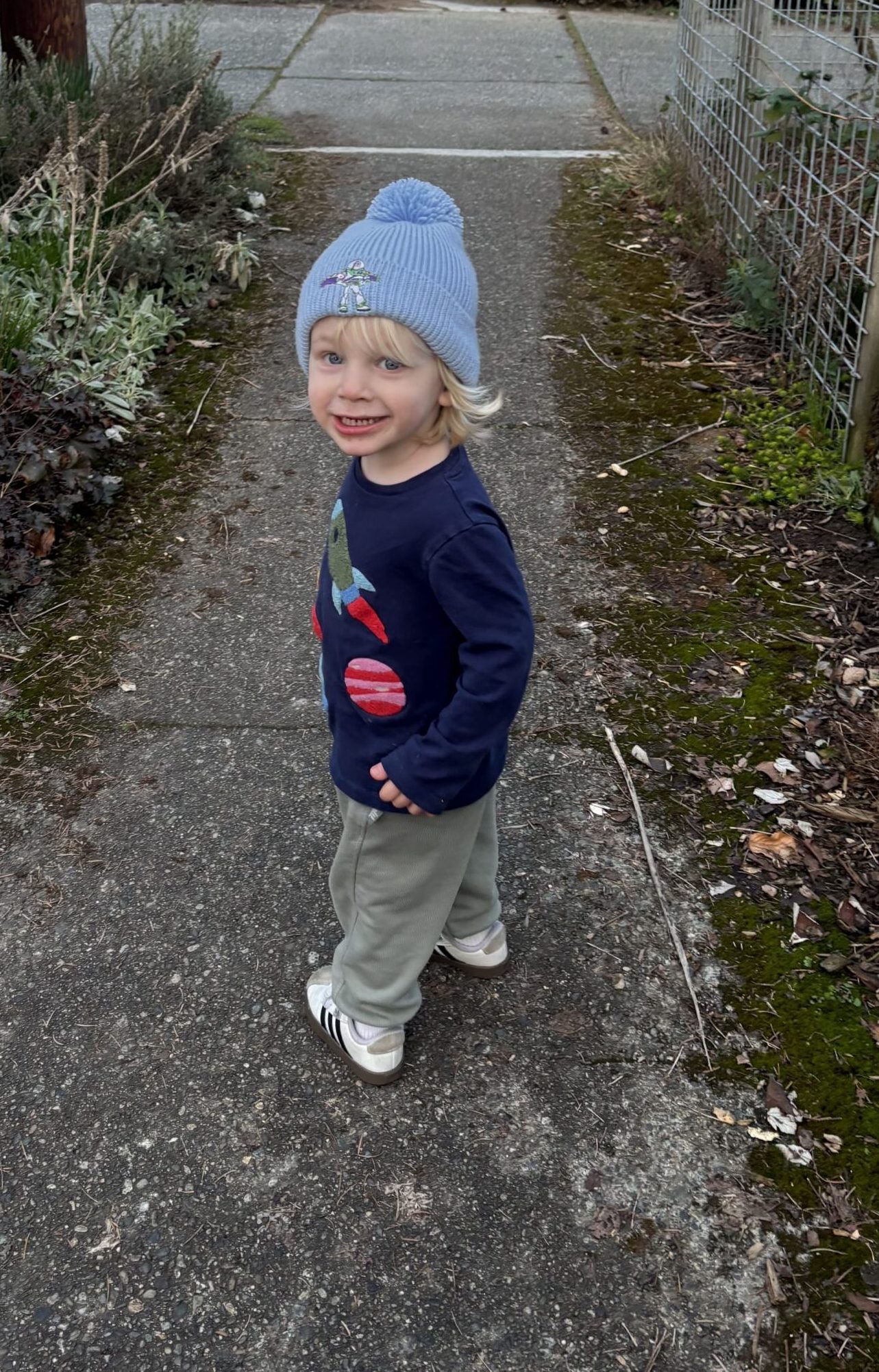
The support provided by early interventionists often bridges the gap between clinical settings and the home environment. For Landon’s family, this included training in speech-sound access, structured reading techniques, and the technical maintenance of hearing aids. Furthermore, the specialist extended this support to the preschool setting. The strategies implemented by the specialist for Landon’s teachers—such as optimizing seating arrangements to minimize distance from the speaker, controlling ambient noise levels, and recognizing signs of "hearing fatigue"—are evidence-based practices that significantly improve educational outcomes for children with hearing loss.
The Blended Classroom Model: Evidence and Impact
A key element in Landon’s developmental success has been his participation in a "blended classroom." This model integrates children with hearing loss with typically hearing peers. The pedagogical theory behind this approach is that auditory-rich environments, when combined with professional support, normalize the use of assistive technology and foster the development of self-advocacy skills.
Research suggests that children with hearing loss who are educated in inclusive settings often show higher levels of social-emotional development compared to those in isolated environments. By being in a classroom where they must navigate both their hearing aids and the social complexities of their peers, children learn to advocate for their needs early. This is a foundational skill for success in kindergarten and the broader K-12 school system, ensuring that when these children enter traditional classrooms, they are prepared to negotiate access to information with teachers and peers.
Statistical Context of Pediatric Hearing Loss
According to the National Institute on Deafness and Other Communication Disorders (NIDCD), approximately 1.7 per 1,000 infants are born with permanent hearing loss in one or both ears. When left unaddressed, this loss can lead to significant delays in speech and language development, which in turn impacts academic performance and long-term economic potential.
The economic and social impact of these programs is substantial. Studies have shown that for every dollar invested in high-quality early intervention for children with hearing loss, there is a significant long-term return on investment in the form of reduced reliance on special education services and increased workforce participation in adulthood. Organizations like Listen and Talk operate as social impact enterprises, utilizing funding to subsidize audiology testing, speech therapy, and parent education, effectively filling the gaps that often exist in the public health system.
The Physiological and Technical Challenges
Landon’s condition, related to the STRC (stereocilin) gene, is a known cause of non-syndromic hearing loss. Stereocilin is a protein critical to the function of hair cells in the inner ear, which convert mechanical sound waves into electrical signals for the brain. When this gene is deleted or mutated, the inner ear’s ability to process high-frequency sounds is compromised.
Modern hearing aids, while highly advanced, do not "cure" the underlying physiology. Instead, they require a constant calibration process. For a preschooler, this involves not only the physical maintenance of the devices but also the child’s psychological acceptance of wearing them. The "ecstatic" reaction Landon displays when his specialist visits suggests that the therapy is viewed by the child as a positive, supportive interaction rather than a medical burden. This psychological framing is essential for compliance and long-term success in wearing hearing devices.
Implications for Policy and Parental Support
The success of Landon’s development highlights a broader requirement for robust support systems for parents of newly diagnosed children. The period following a diagnosis is often described by clinicians as one of high emotional stress, characterized by frequent medical appointments and a steep learning curve regarding audiology and speech pathology.
The integration of emotional support for parents—not just technical training—is a hallmark of effective early intervention. By treating the family unit as the primary patient, organizations can ensure that the home environment remains conducive to the child’s auditory development. This includes educating parents on how to troubleshoot equipment, how to engage in auditory-verbal therapy during play, and how to monitor progress through standardized assessment tools.
Conclusion: Ensuring Future Access
As Landon progresses toward his next educational milestones, his case remains a benchmark for the effectiveness of integrated early intervention. However, the scalability of such programs remains a challenge for the public health sector. The reliance on private social impact enterprises to provide these services underscores the importance of public awareness and philanthropic support.
The vision that "no child is limited by hearing loss" is a goal that requires the alignment of medical technology, pedagogical innovation, and family-centered support. Landon’s vocabulary growth and improved articulation, as measured by consistent testing, serve as a testament to the fact that with the right resources provided at the right time, the barriers typically associated with sensorineural hearing loss can be significantly lowered. For stakeholders in the education and health sectors, the lesson is clear: early, consistent, and collaborative intervention is the most effective tool available to ensure that children with hearing loss can participate fully in the world around them. As society moves forward, the focus must remain on ensuring these high-quality resources are accessible to all families, regardless of their background or geographic location, to ensure that the progress seen in children like Landon becomes the standard rather than the exception.