Understanding the Anatomy of Microtia and Atresia
Microtia refers to the congenital underdevelopment of the outer ear, ranging from mild structural abnormalities to the complete absence of the pinna (anotia). Atresia, which often occurs in conjunction with microtia, involves the absence or narrowing of the external ear canal. When these conditions present together, they frequently lead to unilateral hearing loss (UHL) or single-sided deafness (SSD), as sound cannot effectively reach the middle and inner ear.
While medical advancements have allowed for sophisticated surgical and non-surgical interventions, the primary challenge remains the long-term auditory development of the child. When a child experiences unilateral hearing loss, they lose the benefit of binaural hearing—the brain’s ability to process sound from both ears simultaneously. This deficit can lead to profound difficulties in sound localization, the ability to filter background noise, and the overall perception of speech in dynamic environments, such as a bustling classroom or a playground.
The Evolution of Diagnostic and Educational Standards
Historically, unilateral hearing loss was frequently categorized as a "minor" impairment. Many medical practitioners and educators operated under the assumption that because a child possessed one "good" ear, they would naturally compensate for the loss in the other. However, modern research has fundamentally shifted this perspective. Current studies indicate that children with UHL are at a significantly higher risk for academic, social, and linguistic delays compared to their peers with bilateral hearing.
In a typical classroom environment, the signal-to-noise ratio is a critical factor for success. For a student with UHL, the background noise generated by HVAC systems, student movement, and group discussions can mask the teacher’s voice. Data from audiological studies suggest that students with UHL often exhibit higher levels of listening fatigue, a state where the cognitive load required to process speech is so taxing that it leads to reduced engagement and exhaustion by the end of the school day.
The Role of Listening and Spoken Language (LSL) Education
To mitigate these challenges, experts increasingly turn to Listening and Spoken Language (LSL) therapy. This educational framework is not merely about speech correction; it is a holistic approach designed to maximize the brain’s neuroplasticity. LSL emphasizes the development of the auditory cortex by providing children with consistent, high-quality auditory input through appropriate technology, such as bone-conduction hearing devices or hearing aids.
The methodology is rooted in the belief that children who are deaf or hard of hearing can learn to listen and talk with the same level of proficiency as their hearing peers, provided they are given access to the right auditory tools and intensive support. Programs like those offered at Listen and Talk integrate audiology, speech-language pathology, and classroom instruction to create a cohesive support system. By coaching families to become their child’s first teachers, LSL practitioners help bridge the gap between clinical diagnosis and daily functional success.
A Case Study in Resilience: The Journey of Adeline
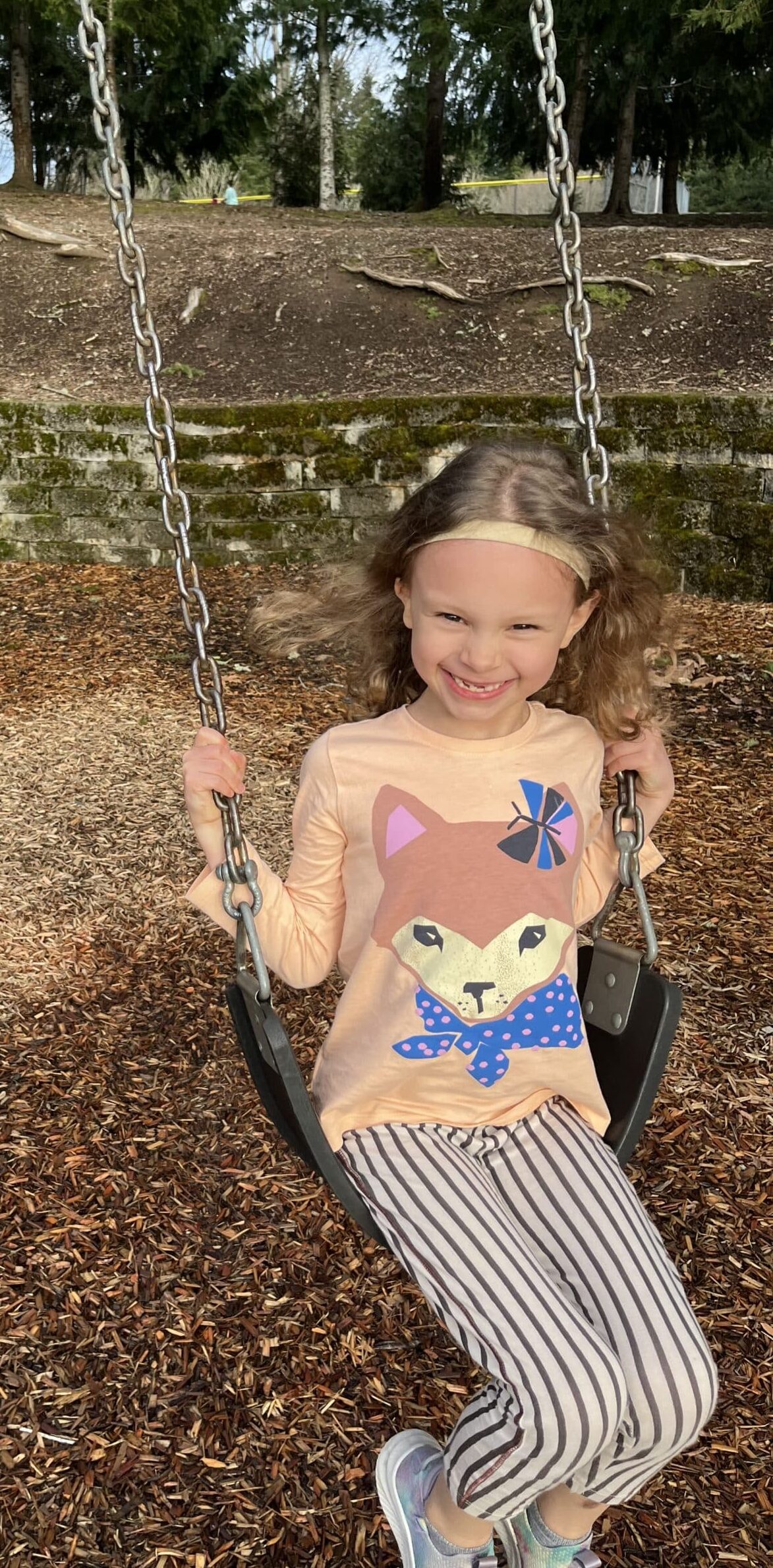
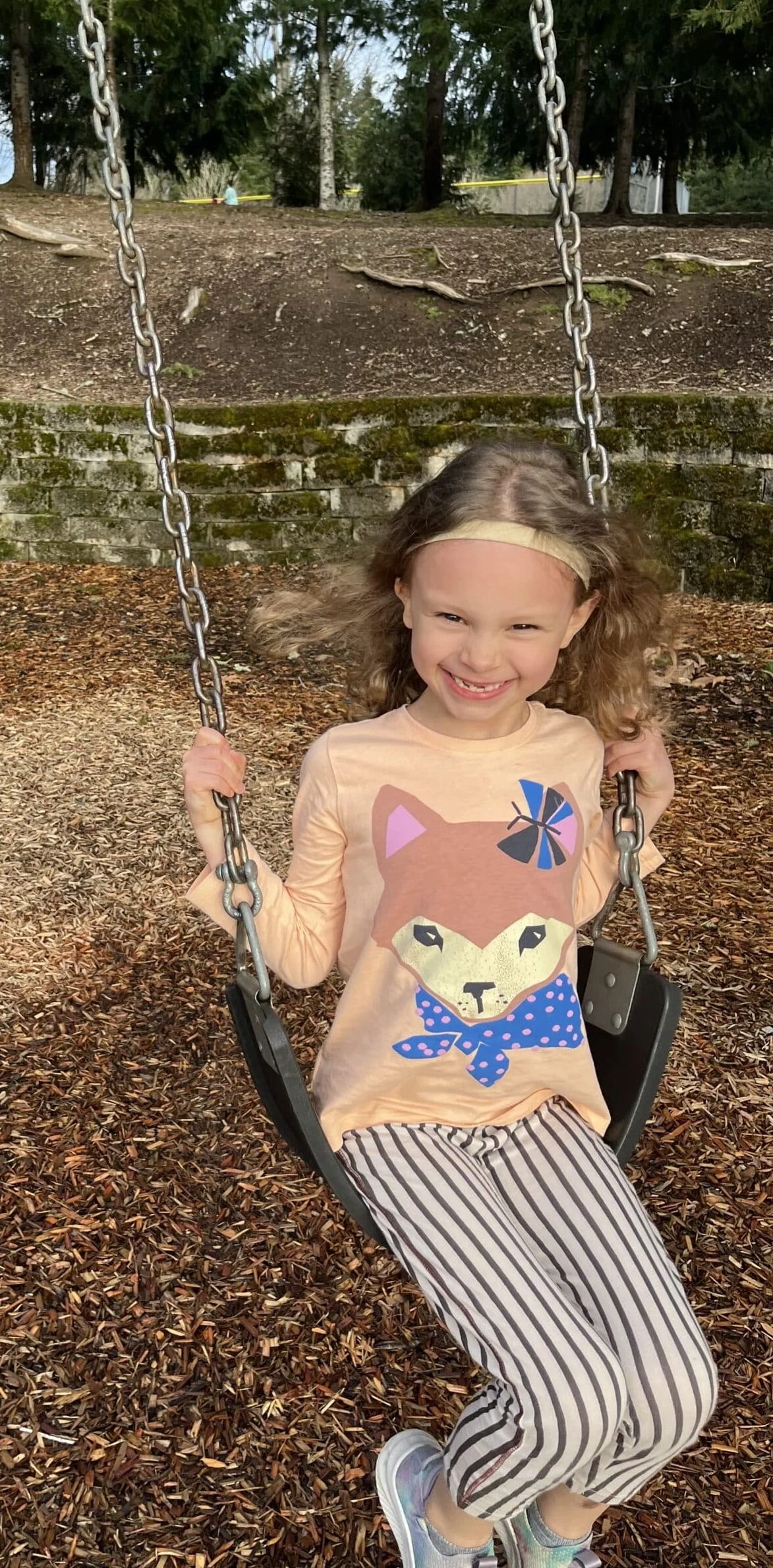
The real-world impact of early intervention is perhaps best illustrated by the story of Adeline, a young student who exemplifies the efficacy of consistent support. Diagnosed at five weeks old with moderate-to-severe conductive hearing loss in her right ear, Adeline’s path to development was initially shrouded in uncertainty. At age four, diagnostic imaging confirmed the presence of solid bone where an ear canal should have been—a classic presentation of atresia.
Adeline’s mother, Jessie, recalls the early years as a period of significant navigation through a complex medical and educational landscape. “Adeline has had to work much harder to communicate and learn,” Jessie notes. “She struggled to localize sound and often retreated within her comfort zones to avoid the exhaustion of listening in loud environments.”
The family sought out Listen and Talk, an organization that specializes in LSL, to provide the necessary structure to guide Adeline’s development. The partnership went beyond traditional therapy; it provided the family with the language to advocate for Adeline’s needs within the public school system. This transition from dependence to self-advocacy is a cornerstone of the LSL approach. By the time Adeline entered kindergarten, she was equipped not just with hearing technology—a Ponto bone-conduction device—but with the self-assurance to explain her condition to her peers. Today, as a first-grader, she is a vibrant participant in her school’s choir, an achievement that would have been significantly more difficult without the foundational support provided in her early years.
Implications for Policy and Public Health
The success of individual students like Adeline highlights a broader systemic need for earlier screening and more robust support frameworks. While newborn hearing screenings are standard in most states, the follow-up care for children diagnosed with microtia and atresia remains inconsistent. Experts argue that public policy should prioritize access to LSL specialists, as the "wait and see" approach often results in the loss of critical developmental windows for language acquisition.
Furthermore, the integration of assistive technologies in schools must be prioritized. Devices such as FM systems, which stream the teacher’s voice directly into a child’s hearing device, are essential tools that level the playing field. When educational institutions fail to implement these accommodations, they inadvertently create an environment where children with UHL are at a permanent disadvantage.
Supporting the Future of Auditory Health
As National Microtia Atresia Awareness Day continues to gain momentum, the focus is shifting toward sustainable support. Organizations such as Listen and Talk, along with groups like Washington Hands and Voices, are working to create networks that provide families with the resources to navigate these challenges. These resources include informational guides, legal advocacy assistance, and peer support groups that connect families navigating similar medical journeys.
Financial support remains a critical bottleneck in the delivery of these services. Donations to non-profit entities are often the lifeblood of early intervention programs, funding everything from audiological assessments to the specialized training required for LSL instructors. By supporting these organizations, stakeholders are not just funding therapy; they are investing in the long-term potential of children who might otherwise be limited by their hearing loss.
A Commitment to Inclusivity
The vision that "no child is limited by hearing loss" is a standard that requires constant vigilance and institutional support. As medical technology continues to evolve—with advancements in reconstructive surgery and digital hearing aids—the human component remains the most important factor. The combination of early identification, family-centered education, and a commitment to self-advocacy provides a roadmap for children with microtia and atresia to lead full, productive, and confident lives.
For parents currently navigating a new diagnosis, the message is one of cautious optimism. The path may require more effort and intentionality than it would for a typically hearing child, but the outcomes of early and consistent intervention are clear. With the right tools and the right support, the limitations once associated with microtia and atresia are being rewritten, one word, one sound, and one conversation at a time. The work being done today, from the therapy room to the classroom, ensures that the next generation of children with hearing loss will have the agency and the opportunity to define their own futures, unconstrained by the physical structure of their ears.