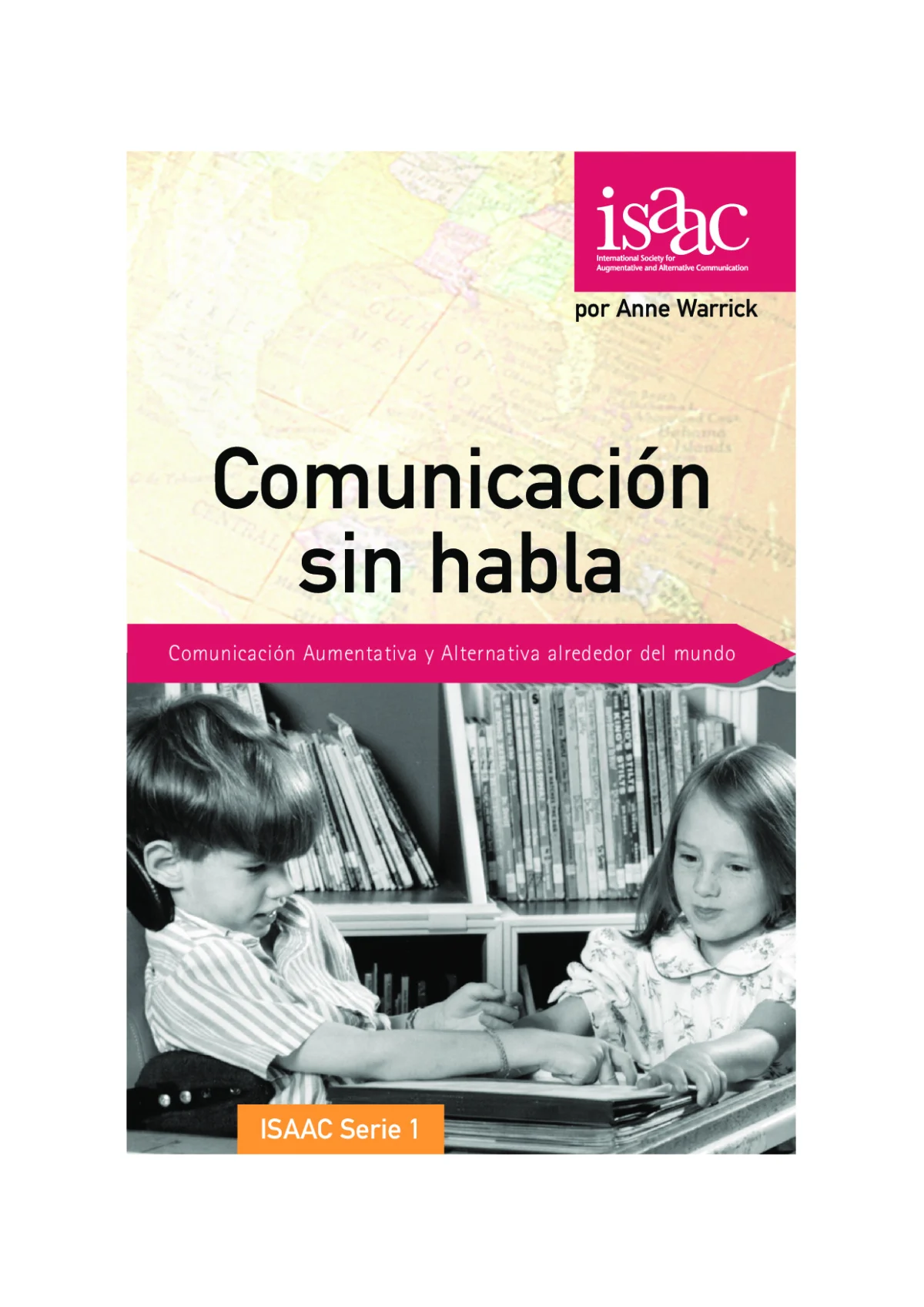
The Evolution of AAC Literature and Global Accessibility
Augmentative and Alternative Communication encompasses a wide range of strategies, from low-tech picture boards to high-tech speech-generating devices, designed to assist individuals with complex communication needs (CCN). For decades, the primary body of literature regarding AAC intervention, evidence-based practices, and pedagogical frameworks was published almost exclusively in English. This linguistic barrier created a significant disparity in service delivery, as practitioners in Latin America and Spain were often forced to rely on translations of varying quality or navigate English-language academic journals that did not always reflect local cultural nuances or economic realities.
The landscape began to shift in the early 21st century as global organizations, most notably the International Society for Augmentative and Alternative Communication (ISAAC), intensified their efforts to localize critical resources. The translation of seminal texts has not merely been an act of linguistic conversion but an effort to standardize clinical expectations and training protocols across international borders.
Landmark Publications and Evidence-Based Practice
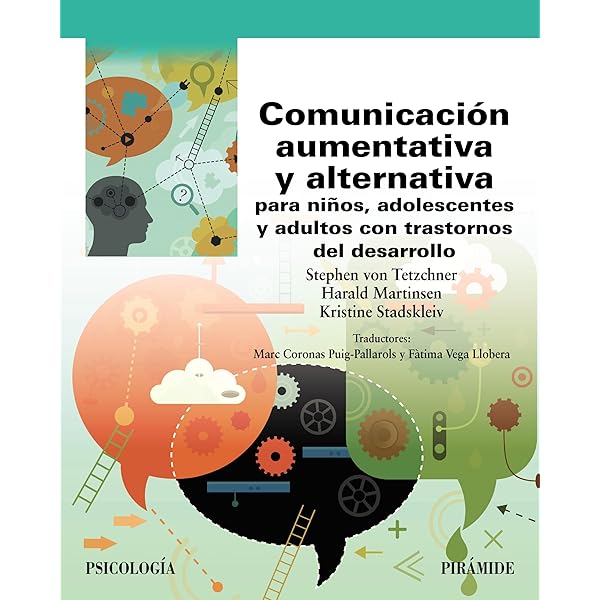
A focal point of this shift is the publication of Comunicación aumentativa y alternativa para niños, adolescentes y adultos con trastornos del desarrollo, authored by Stephen von Tetzchner, Harald Martinsen, and Kristine Stadskleiv. This text has emerged as a cornerstone of the field, offering a rigorous, evidence-based overview of the development of language in individuals with developmental disabilities.
The significance of this work lies in its comprehensive scope. Rather than focusing on a single tool or technology, the authors provide a multi-dimensional analysis of the developmental pathways of AAC users. The text covers:
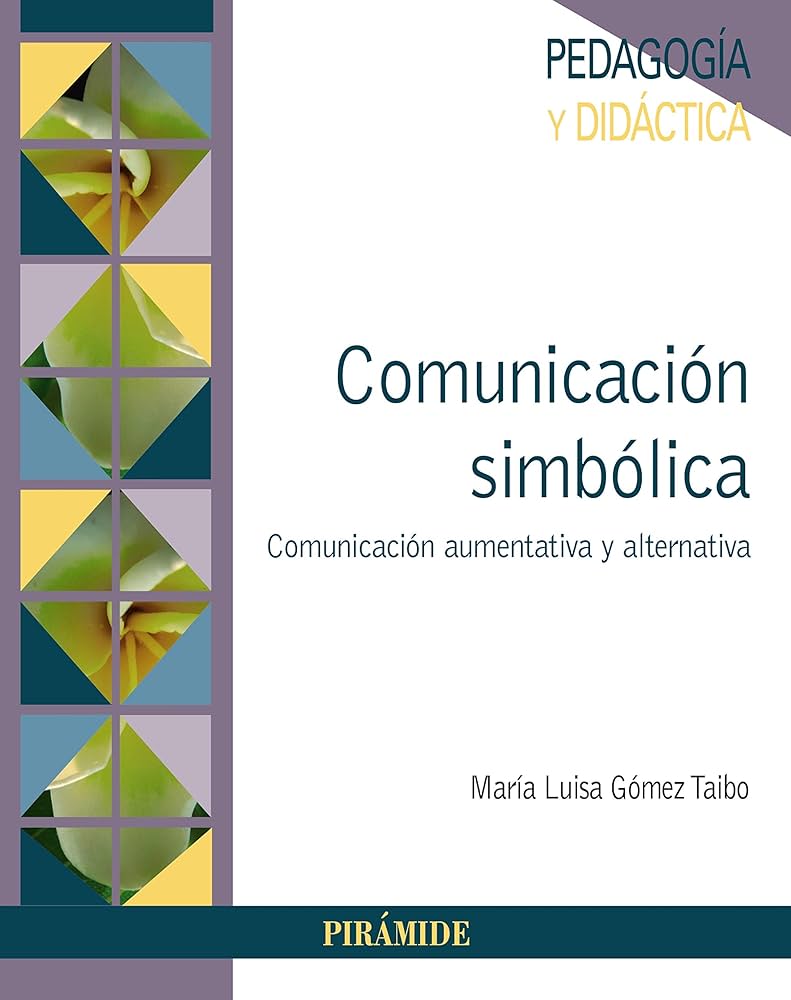
- Theoretical Foundations: The intersection of linguistics, psychology, and assistive technology.
- Assessment Methodologies: Evidence-based approaches to identifying the unique communication profiles of individuals with CCN.
- Intervention Strategies: Practical applications for home, school, and community settings.
- Long-term Outcomes: A look at how early intervention impacts social inclusion and autonomy in adulthood.
By establishing these pillars in Spanish, the field of AAC is moving toward a more cohesive global standard, ensuring that a speech-language pathologist in Madrid or an educator in Buenos Aires has access to the same foundational knowledge as their counterparts in North America or Northern Europe.
A Chronology of Access: From Isolation to Integration
The trajectory of AAC development in Spanish-speaking regions can be viewed through several distinct phases:
- The Foundational Era (Pre-2000): AAC was largely a niche practice in the Spanish-speaking world. Resources were scarce, and many families relied on improvised, home-made communication boards.
- The Networking Phase (2000–2010): The establishment of ISAAC chapters in countries like Argentina, Chile, and Mexico began to facilitate the exchange of information. Professionals began to organize national conferences, raising the profile of AAC.
- The Digital Transition (2010–2020): The advent of tablets and mobile applications lowered the barrier to entry for many families, though the lack of localized software and support materials remained a challenge.
- The Knowledge Explosion (2020–Present): A concerted effort toward translating major textbooks and establishing regional research networks has solidified the academic standing of AAC in Spanish-speaking universities and clinical settings.
Data-Driven Implications for Inclusive Education
The impact of having high-quality, Spanish-language resources cannot be overstated. According to recent demographic data from the World Health Organization (WHO), approximately 15% of the world’s population lives with some form of disability, a significant portion of whom require some form of communication support. In regions where Spanish is the primary language, the ability to access evidence-based literature directly correlates with the quality of inclusive education.

When teachers are equipped with literature that details how to integrate AAC into the standard curriculum, students with communication disabilities are more likely to participate in general education classrooms. Studies have indicated that when communication interventions are supported by professional-level literature, the "communication gap"—the discrepancy between what a student knows and what they can express—is significantly narrowed.
Furthermore, the availability of these resources in Spanish empowers parents and caregivers. The primary challenge for many families is the isolation that accompanies a diagnosis. By reading about the success of others and understanding the theoretical mechanisms of AAC, families transition from passive recipients of therapy to active participants in their loved one’s development.
Official Perspectives and Industry Reactions
Leading organizations in the field, including ISAAC and various regional associations for speech-language pathology, have noted that the "book-centered" approach remains vital even in an era of digital information. While online forums and social media offer rapid peer-to-peer support, the formal textbook provides a depth of analysis and a degree of peer-reviewed vetting that is essential for clinical and educational training.
"We are witnessing a democratization of knowledge," says one expert involved in the dissemination of AAC resources in Latin America. "By formalizing the language of our field in Spanish, we are doing more than just translating words; we are building a professional identity that is distinct, valid, and highly capable of meeting the needs of our specific populations."
Broader Societal Impact and Future Directions
The implications of this development extend far beyond the clinic or the classroom. Effective communication is a fundamental human right. When a person is unable to express their needs, thoughts, or feelings, they are systematically excluded from the social contract. By ensuring that practitioners and families have the tools to facilitate this communication, society is taking a necessary step toward the full inclusion of people with complex communication needs.
Looking forward, the challenge remains to continue the translation of research papers and to foster original research conducted by Spanish-speaking professionals. While translating existing works is a vital first step, the field must eventually shift toward producing original, context-specific research that addresses the unique cultural and socioeconomic factors present in Spanish-speaking countries.
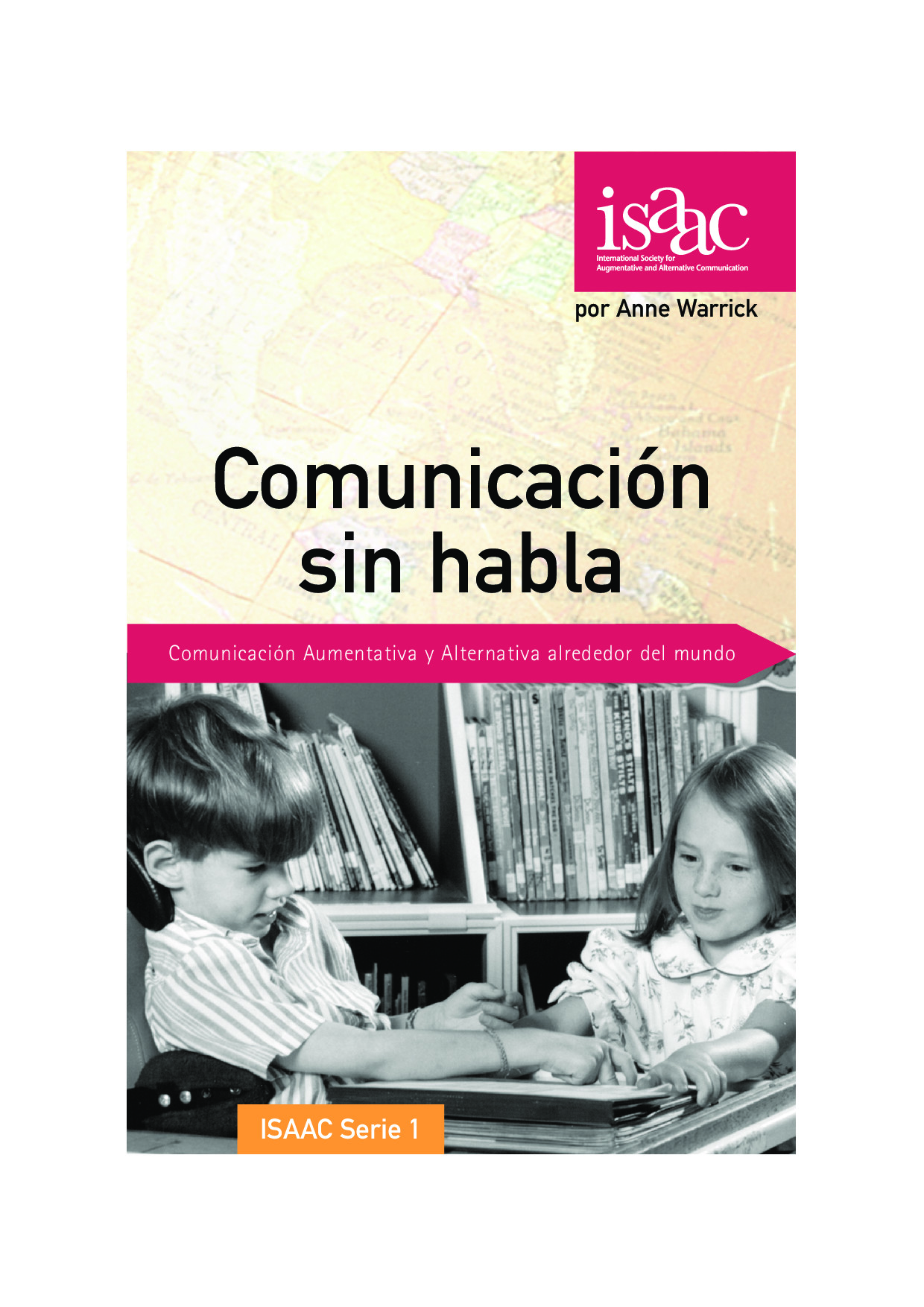
In conclusion, the recognition of International Book Day in the context of AAC serves as a reminder that literacy—both the ability to read and the access to reading materials—is the backbone of advocacy. As more resources become available in Spanish, the global AAC community moves closer to a reality where communication barriers are not an insurmountable obstacle, but a challenge that can be met with the right knowledge, the right training, and the right tools. The current momentum in the translation and publication of these resources is not merely a service to the professional community; it is an essential investment in the human rights and potential of millions of individuals worldwide.