The Significance of International Book Day in Specialized Education
International Book Day, celebrated annually on April 23 under the auspices of UNESCO, commemorates the cultural and educational importance of literature. For the AAC community, the day transcends traditional literary appreciation, serving as a platform to highlight "accessible literacy." For individuals who utilize AAC—whether through low-tech symbols, communication boards, or high-tech speech-generating devices—the right to read and the right to communicate are inextricably linked. The advocacy for accessible formats, such as Easy Read versions and symbol-supported texts, has historically gained momentum during this period, reinforcing the necessity of literature that accommodates diverse sensory and cognitive profiles.
Historical Context and the Evolution of AAC Literature
The history of AAC literature is rooted in the late 20th century, primarily within English-speaking academic institutions in North America and Europe. For decades, the barrier to implementation in Latin America and Spain was not a lack of interest, but a lack of linguistically and culturally adapted training materials.
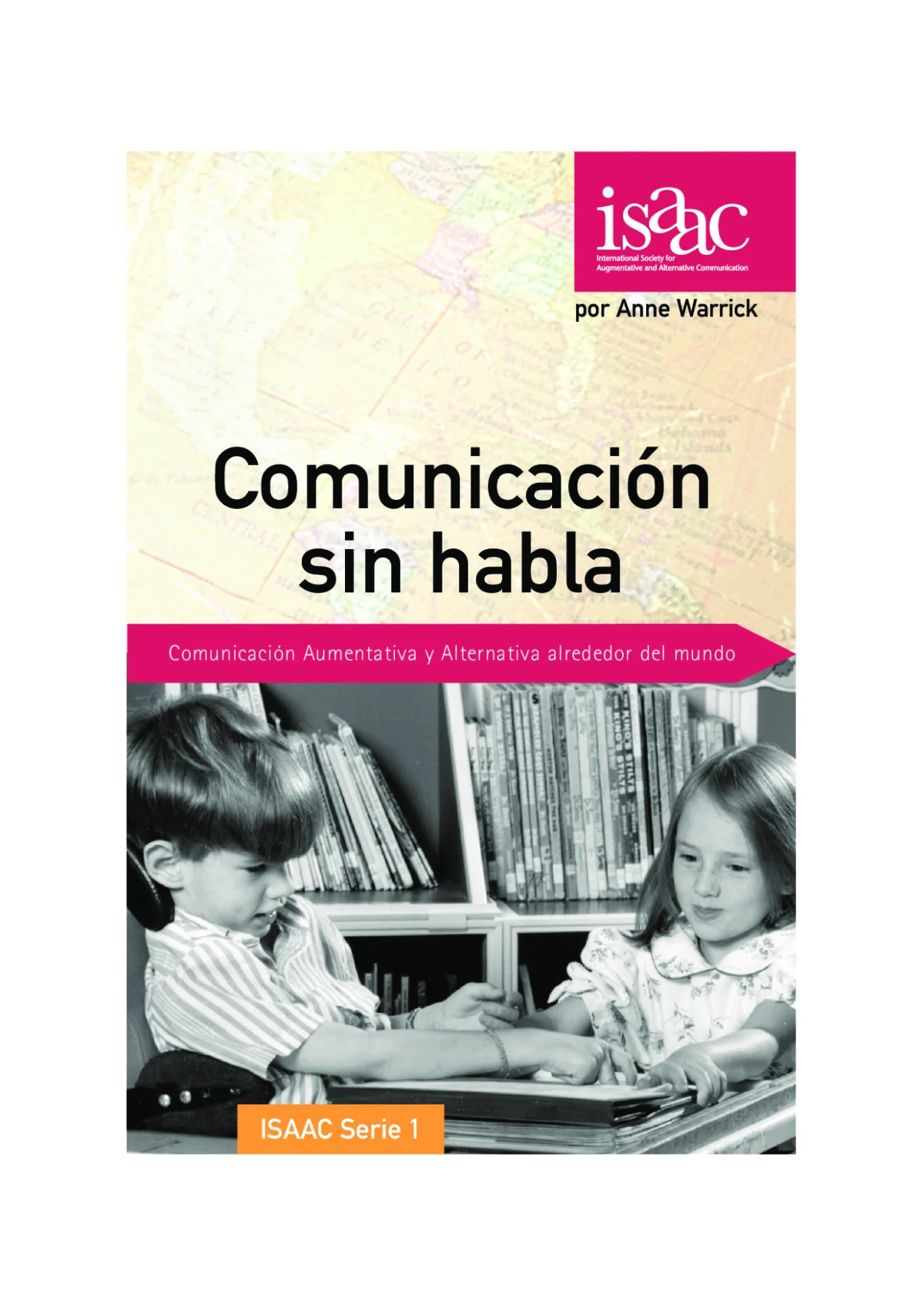
In the early 1990s, the emergence of the International Society for Augmentative and Alternative Communication (ISAAC) began to bridge this gap. ISAAC’s role has been instrumental in facilitating the translation of seminal research. The chronology of this progress is marked by several key phases:
- The Foundational Era (1980s–1990s): Initial dissemination of AAC concepts primarily through English-language journals and manuals, limiting adoption in non-English speaking regions.
- The Institutionalization Phase (2000s): The establishment of national chapters of organizations like ISAAC in countries such as Argentina, Chile, Spain, and Mexico, which began the localized translation of intervention protocols.
- The Current Digital Expansion (2015–Present): The rise of digital publishing and global knowledge-sharing platforms, which have allowed for the rapid distribution of evidence-based practices and updated clinical guidelines in Spanish.
Analysis of Key Foundational Texts
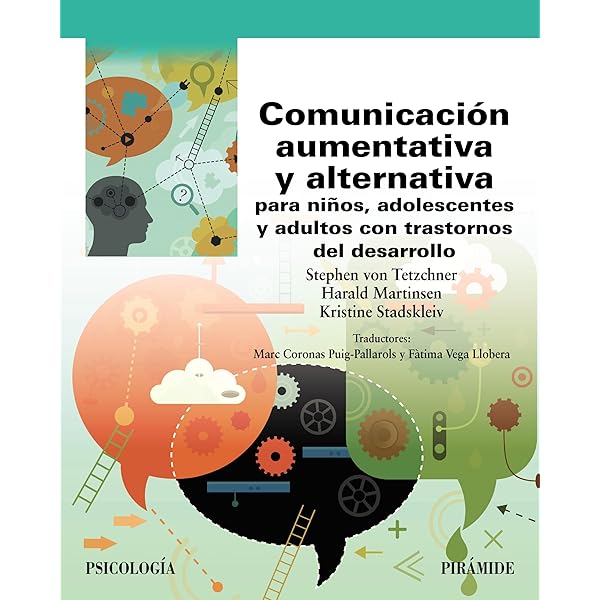
One of the most significant developments in recent years is the publication of Augmentative and Alternative Communication for Children, Adolescents and Adults with Developmental Disorders, authored by Stephen von Tetzchner, Harald Martinsen, and Kristine Stadskleiv. This text serves as a cornerstone for contemporary practice.
The work provides a comprehensive framework that moves beyond basic intervention techniques to address the intersection of neurodevelopmental disorders and linguistic competence. By covering the theoretical underpinnings of communicative intent, the cognitive load of symbol usage, and the long-term trajectory of language development, the text offers a roadmap for clinicians. Its availability in Spanish is a turning point, as it provides a standardized reference for university curricula and hospital training programs across the Spanish-speaking world, ensuring that the "gold standard" of care is not gated by language barriers.
Supporting Data: The Global Communication Need
Data from the World Health Organization (WHO) and various international disability advocacy groups indicate that approximately 1% of the global population experiences significant communication disabilities that require specialized support. When extrapolated to the Spanish-speaking population—which exceeds 500 million people globally—the number of individuals who could benefit from formal, evidence-based AAC intervention is substantial.
Despite this, access to specialized training remains uneven. A recent survey of special education providers in Latin America revealed that while 85% of respondents recognize the importance of AAC, less than 40% report having access to academic textbooks in their native language that are less than five years old. This "knowledge gap" directly impacts the efficacy of intervention. When practitioners rely on outdated or non-localized information, the risk of "implementation drift"—where the application of a technique deviates from its evidence-based roots—increases significantly.

Implications for Practitioners and Families
The movement to provide Spanish-language resources has profound implications for three distinct groups:
- Professionals (Speech-Language Pathologists and Occupational Therapists): Access to localized, peer-reviewed texts allows for more accurate clinical decision-making and the ability to cite evidence-based practices in legal and educational reports, which is vital for securing funding for devices and services.
- Educators: Teachers in inclusive classrooms require pedagogical resources that explain how to integrate AAC into the general curriculum. Translated literature provides the necessary instructional design strategies to facilitate peer-to-peer interaction between AAC users and their neurotypical classmates.
- Families: Perhaps most importantly, families are the primary communication partners. Access to materials in their mother tongue empowers parents to transition from "passive observers" of therapy to "active facilitators" of their child’s communication development at home.
Official Perspectives and Future Directions
Leaders in the field, including regional experts like Claudia Marimón, have consistently emphasized that the translation of theory into practice is a social justice issue. The argument presented by these advocates is clear: communication is a human right. When the tools to facilitate that communication—and the knowledge to apply those tools—are unavailable in the user’s primary language, the right is effectively curtailed.
Looking forward, the sector is moving toward a model of "co-creation." This involves not just translating existing English texts, but developing original research within Spanish-speaking contexts. This shift acknowledges that linguistic nuance, cultural communication styles, and varying socioeconomic realities in Latin America and Spain require unique approaches to AAC that are not always captured in Northern European or North American models.
Conclusion
The recent commemoration of International Book Day has served as a catalyst for recognizing the progress made in the AAC field while highlighting the work that remains. The transition from a landscape dominated by English-language exclusivity to one that prioritizes multilingual, evidence-based resources is essential for the future of inclusive communication. As more foundational texts become available in Spanish, the community of practitioners and families will be better equipped to foster an environment where every individual, regardless of their developmental profile, can participate fully in society. The continued support of organizations like ISAAC, combined with the efforts of individual scholars and advocates, ensures that the evolution of AAC remains a dynamic, global, and inclusive endeavor.