Understanding Auditory Neuropathy Spectrum Disorder
ANSD is a distinct hearing disorder where the outer hair cells in the cochlea function normally, but the sound information is not properly transmitted from the inner hair cells to the auditory nerve. According to the National Institute on Deafness and Other Communication Disorders (NIDCD), this condition can occur at any age and may be caused by genetic factors, low birth weight, or premature birth. Unlike sensorineural hearing loss, which is often characterized by a loss of sensitivity to sound, individuals with ANSD often experience significant difficulties with speech perception, particularly in noisy environments.
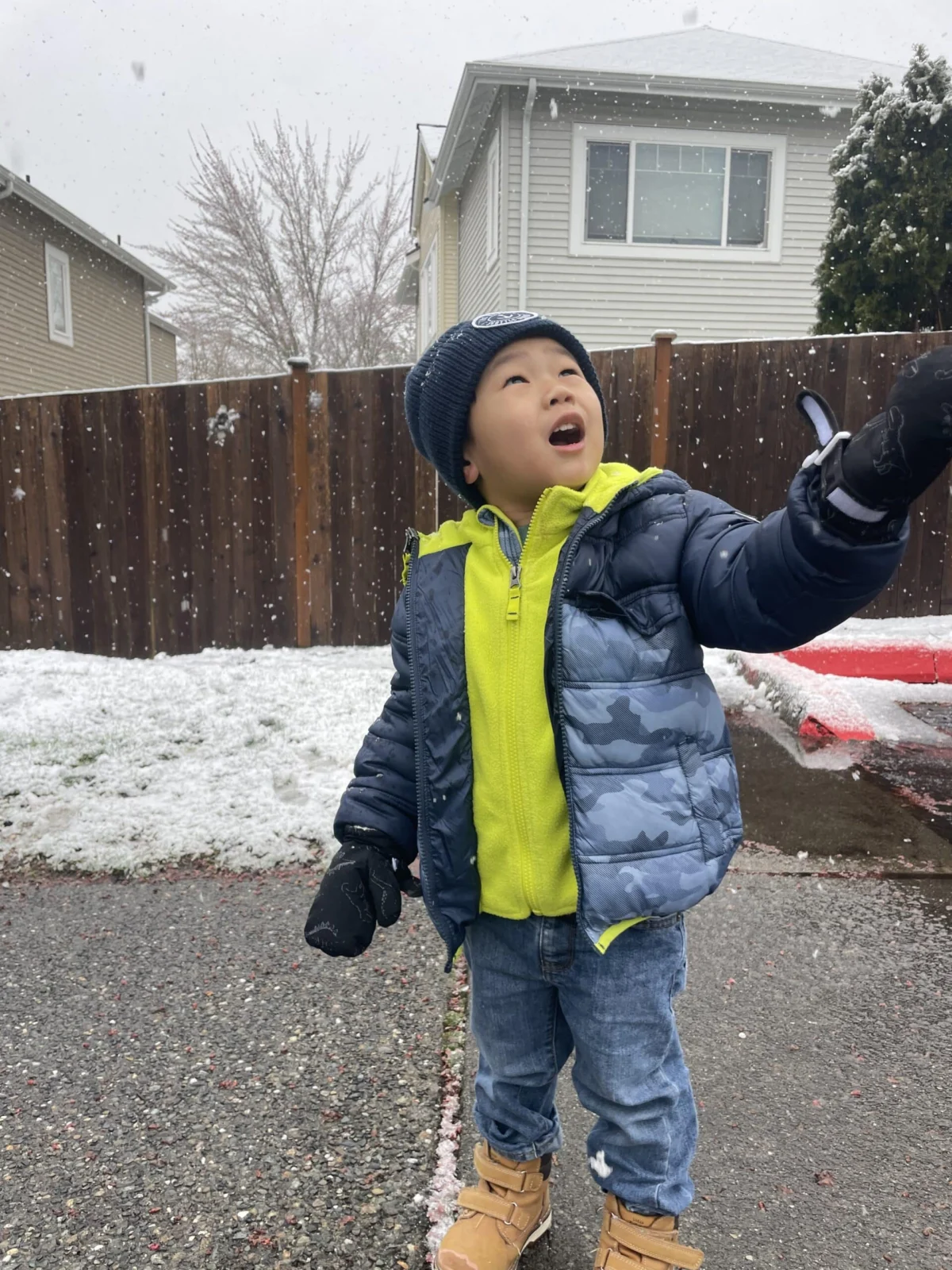
For parents, the clinical nature of an ANSD diagnosis can be overwhelming. Raiden’s family noted that his condition resulted in moderate to severe hearing loss at specific frequencies, which directly contributed to delays in his speech and communication milestones. Early intervention is critical because the human brain is most plastic during the first five years of life. During this period, the auditory cortex is primed to develop the neural pathways necessary for language acquisition. If these pathways are not stimulated through amplification or therapeutic intervention, the child risks permanent delays in cognitive and social development.
The Evolution of the Blended Classroom Model
The pedagogical approach at Listen & Talk represents a growing movement toward "blended" or "inclusive" classrooms. Unlike segregated special education environments, the blended model integrates children who are deaf or hard of hearing (DHH) with their typically hearing peers. This environment provides a naturally rich auditory landscape that encourages DHH children to model their speech and social interactions after their hearing counterparts.
The decision to choose such a program often requires significant sacrifice, including long commutes. For Raiden’s family, the hour-long daily journey to campus was weighed against the necessity of specialized infrastructure. The facility provides on-site audiology services, advanced hearing amplification technology integrated into the classroom architecture, and a curriculum specifically designed to foster self-advocacy. This trifecta of support—clinical, technological, and educational—creates a safety net that traditional preschool settings often lack.
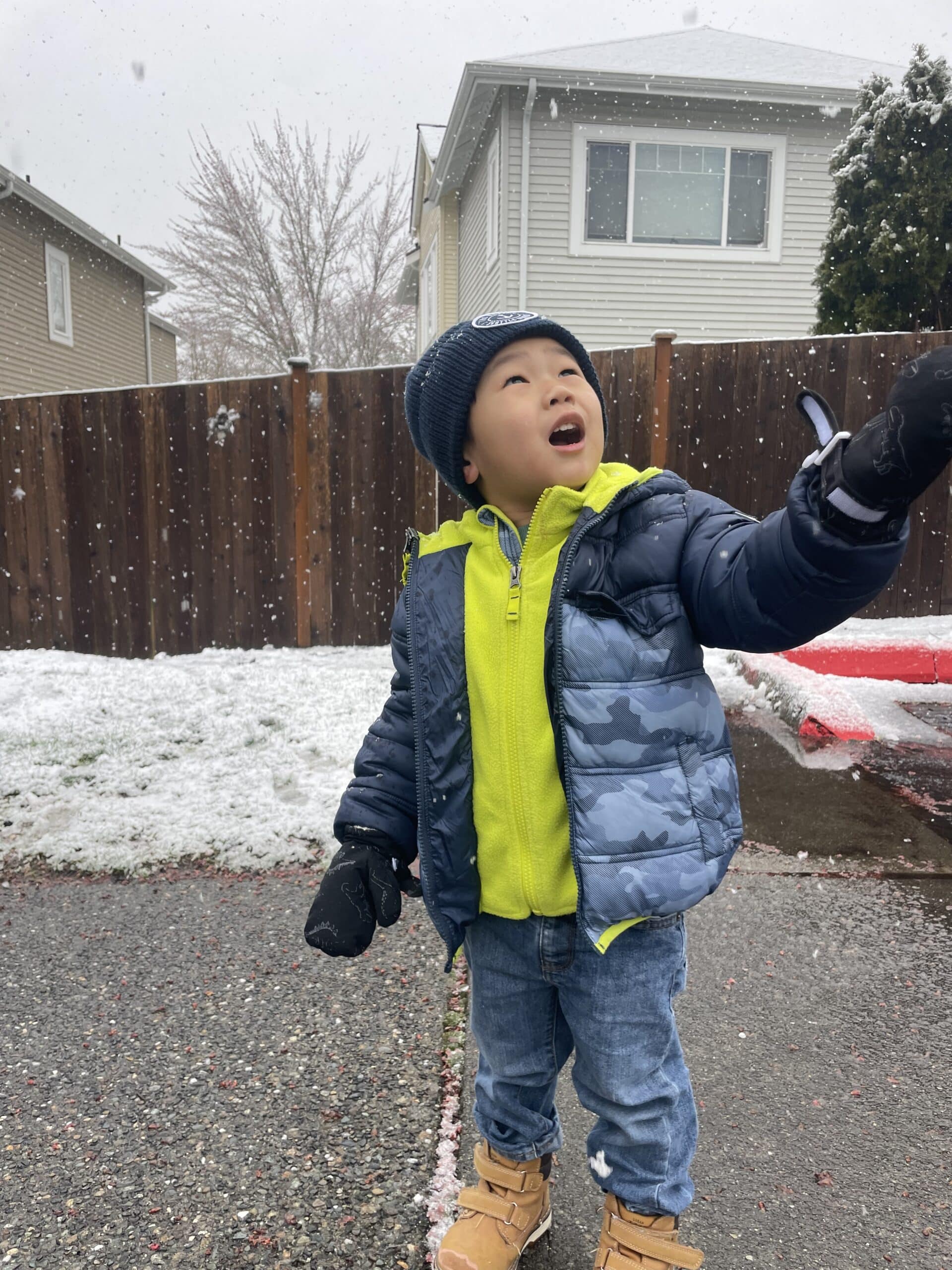
Chronology of Progress: From Diagnosis to Fluency
The timeline of Raiden’s development highlights the efficacy of consistent, early-stage intervention.
- Post-Birth: Clinical diagnosis of ANSD in the right ear.
- Early Infancy: Initial assessment of speech delays and the introduction of a hearing aid to support auditory development.
- Autumn (Year of Enrollment): Transition into the Listen & Talk Blended Classroom.
- First Three Months: Implementation of behavioral strategies to reduce "ear defensiveness," a common sensory reaction in children acclimating to hearing aids.
- Current Status: Measurable linguistic growth, with speech patterns advancing from single-word utterances to complex, three-to-four-word conversational phrases.
The transition from 1-2 word phrases to initiating full conversations represents a statistically significant leap in communication proficiency. In the context of early childhood development, this shift is not merely academic; it is the foundation for social integration and long-term academic success.
Technological and Therapeutic Implications
The integration of hearing technology in a classroom setting is a sophisticated process. Modern classrooms for DHH students now utilize frequency-modulated (FM) systems or digital modulation (DM) systems. These technologies transmit the teacher’s voice directly to the student’s hearing aid, effectively bypassing background noise—a critical factor for students with ANSD.
Beyond the technology, the therapeutic component is essential. "Ear defensiveness," as described by Raiden’s mother, Lace Yamamoto, is a physiological response to the sensory input provided by a hearing aid. By working with speech-language pathologists, parents learn techniques to help children normalize this sensory input. The ability to keep a hearing aid on for extended periods is a primary indicator of a child’s comfort and, consequently, their access to the speech environment around them.
Advocacy as a Life Skill
A defining feature of the Listen & Talk program is the emphasis on advocacy. As children with hearing loss prepare to transition into the mainstream school system, they must possess the vocabulary and confidence to articulate their needs. Whether it is informing a future coach about the necessity of facing them while speaking or alerting a teacher that their FM system is not working, these advocacy skills act as a bridge to independent living.
Research in the field of pediatric audiology indicates that students who learn to advocate for their hearing needs in early childhood show higher levels of self-esteem and better academic performance in later years. By normalizing the use of assistive devices in a blended environment, the school removes the social stigma often associated with hearing loss, allowing the child to view their technology as an empowering tool rather than a limitation.

Broader Impact on Public Health and Education
The broader implications of programs like the one offered at Listen & Talk are significant. Currently, approximately 2 to 3 out of every 1,000 children in the United States are born with a detectable level of hearing loss in one or both ears. As early newborn hearing screenings become more universal, the demand for specialized early intervention programs continues to outpace supply.
Social impact enterprises and non-profit educational organizations play a vital role in filling these gaps. Funding for such programs typically relies on a combination of private donations, state-funded early intervention grants, and family contributions. These funds are used to maintain high-tech audiology booths, support the specialized training of faculty, and provide parent education classes. The goal, as stated by the organization’s mission, is to reach a future where "no child is limited by hearing loss."
The Economic and Social Necessity of Early Support
The long-term economic impact of failing to provide early intervention for children with hearing loss is well-documented. Children who receive timely, high-quality interventions are more likely to achieve age-appropriate reading levels, graduate from secondary education, and enter the workforce as fully contributing members of society. Conversely, the costs associated with remedial education, specialized support services in high school, and lost economic potential are substantial.
The success observed in cases like Raiden’s underscores the necessity of a multidisciplinary approach. It is not enough to simply provide a hearing aid; one must provide the auditory environment and the therapeutic guidance to ensure the child can utilize that device effectively. When schools, parents, and clinical audiologists collaborate, the barrier between the child and the world of sound begins to dissolve.
Conclusion
The journey of a child with Auditory Neuropathy Spectrum Disorder is rarely linear, but as evidenced by the progress made in the Blended Classroom program, it is one characterized by resilience and potential. By prioritizing early diagnosis, investing in inclusive educational environments, and fostering self-advocacy from the earliest stages of development, parents and educators can ensure that hearing loss becomes a manageable aspect of a child’s identity rather than a ceiling on their achievements. As society continues to refine its approach to pediatric hearing health, the integration of technology and compassion remains the most effective blueprint for ensuring every child has the opportunity to communicate, learn, and thrive.