Defining the Condition and Clinical Prevalence
Microtia and atresia occur along a spectrum of severity. Microtia is clinically categorized into four grades, ranging from minor structural abnormalities to anotia, the complete absence of the ear. Atresia typically involves the absence of the external auditory canal and, in many cases, malformation of the middle ear structures. Epidemiological data suggests that microtia occurs in approximately 1 out of every 6,000 to 12,000 births.
When these conditions manifest as unilateral hearing loss, the impact is frequently underestimated. For decades, the medical consensus often suggested that children with one functioning ear would naturally compensate for their deficit. However, modern audiological research has shifted this perspective, revealing that unilateral hearing loss creates significant challenges in sound localization and speech discrimination, particularly in environments with high background noise, such as classrooms or social gatherings.
The Evolution of Intervention: The LSL Approach
The landscape of early intervention has been transformed by the adoption of Listening and Spoken Language (LSL) education. Unlike traditional models that might wait for a child to reach school age, LSL emphasizes the "neuroplasticity window"—the critical period during early childhood when the brain is most capable of developing auditory pathways.
LSL practitioners focus on training the brain to interpret sound through residual hearing, aided by appropriate technology such as bone-conduction hearing devices (often referred to as "Ponto" or similar systems). The goal is to ensure that children with MA receive consistent, high-quality auditory input, allowing them to develop age-appropriate language skills, academic proficiency, and social confidence. Organizations like Listen and Talk have pioneered these methodologies through specialized programs ranging from "Birth to Three" initiatives to blended classroom settings that integrate auditory therapy with standard educational curricula.
Chronology of Care: The Case of Adeline
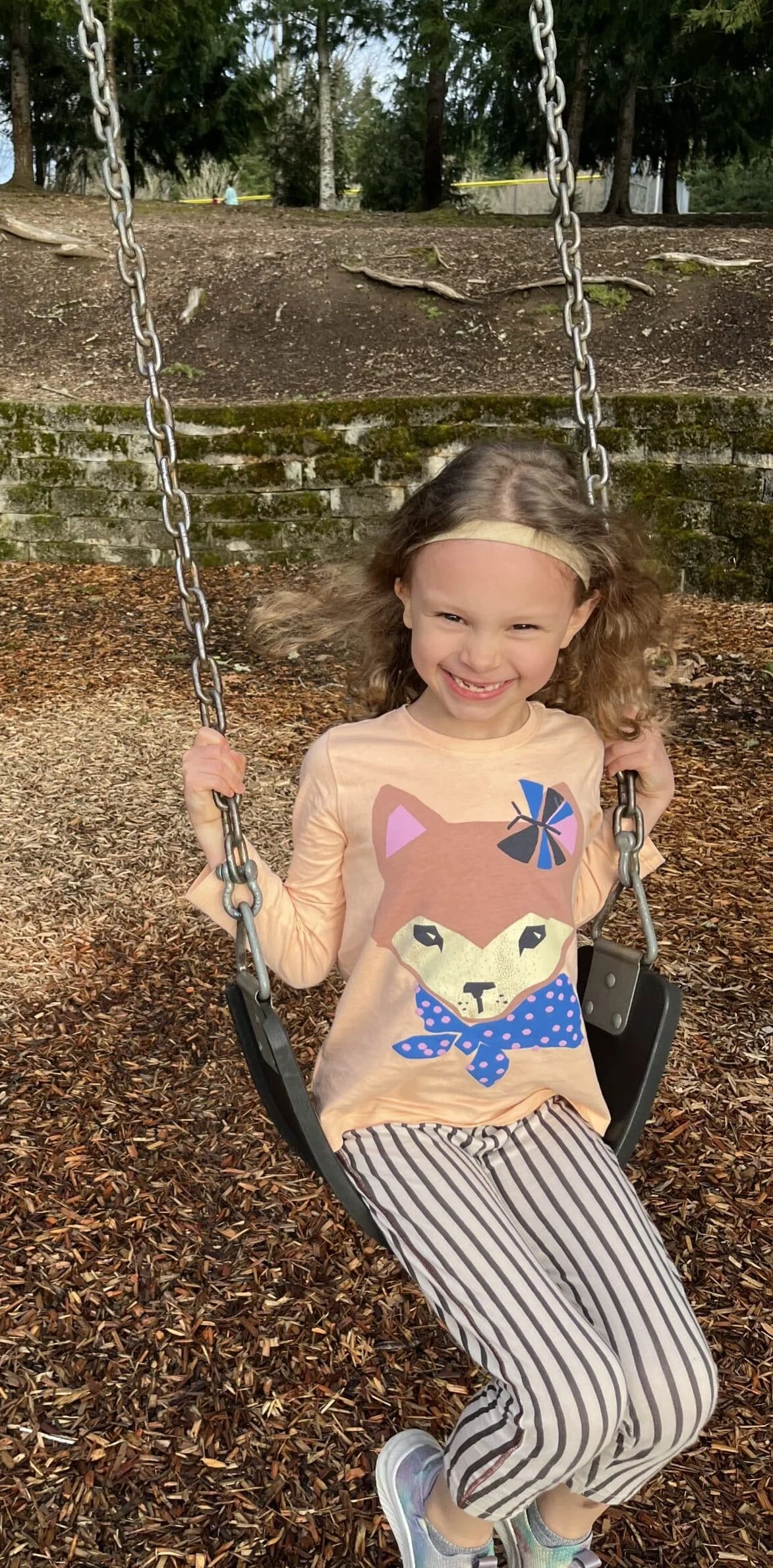
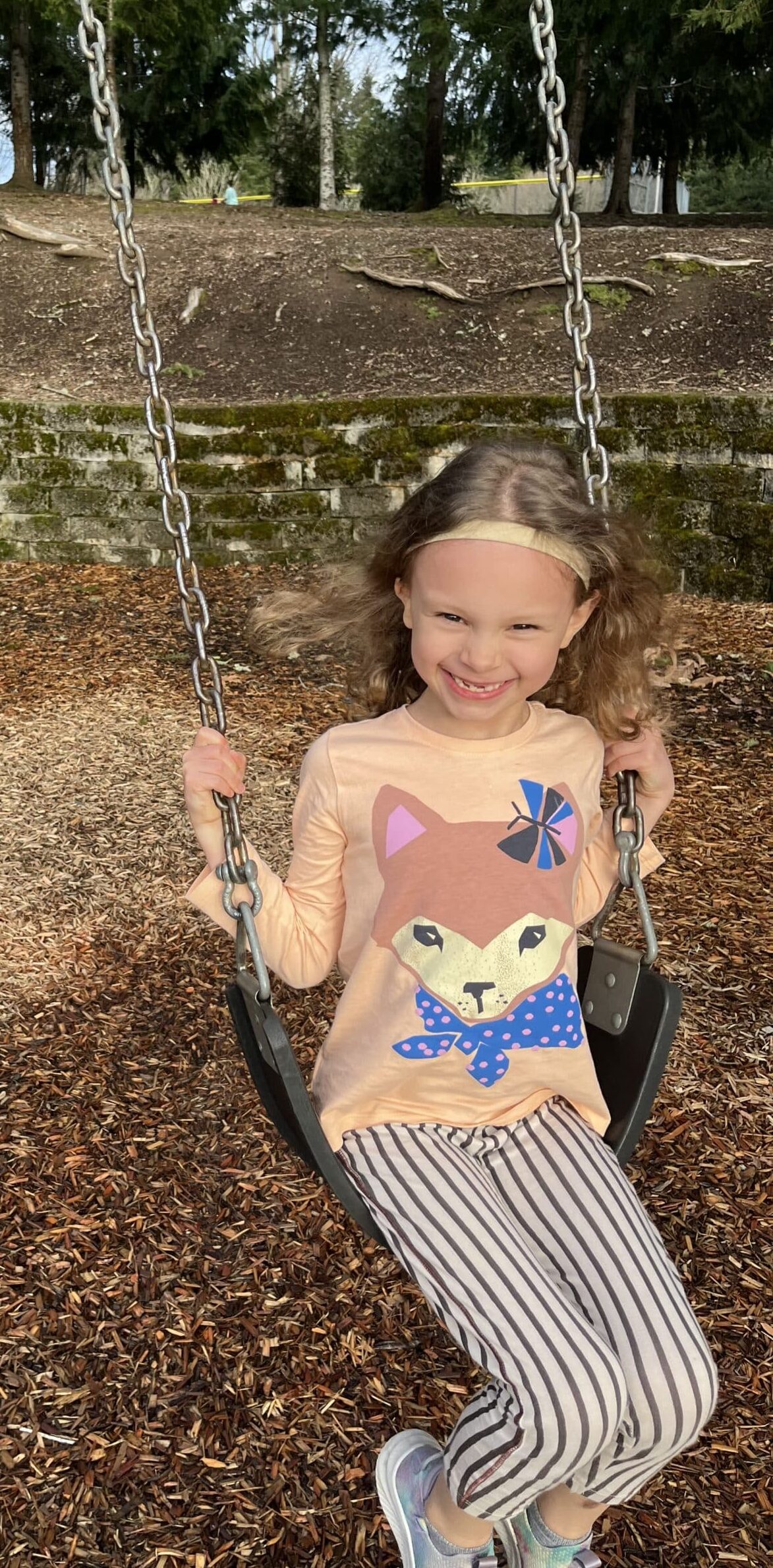
The journey of young Adeline serves as a poignant case study in the necessity of early, proactive intervention. Her path highlights the typical timeline a family might follow when navigating a diagnosis of unilateral moderate to severe conductive hearing loss.
- Birth (Five Weeks Old): Initial diagnosis of unilateral hearing loss in the right ear.
- Early Childhood: The family grapples with the complexities of the diagnosis, facing the challenges of sound localization. During this period, Adeline exhibits "listening fatigue"—a clinical phenomenon where children with hearing loss exert significantly more cognitive effort than their peers to process speech, often leading to frustration and social withdrawal.
- The Intervention Phase: The family connects with Listen and Talk. Through a series of guided therapy sessions, the focus shifts from passive acceptance of the condition to active advocacy. Parents are trained to navigate educational systems and manage hearing technology.
- School Age (Kindergarten to First Grade): Adeline enters the public school system. Having built a strong foundation in self-advocacy, she successfully integrates into a traditional classroom, participates in extracurricular activities like the choir, and demonstrates the ability to explain her hearing technology to peers.
Supporting Data and Auditory Challenges
The necessity for specialized support is grounded in the functional deficits associated with UHL. Research indicates that children with unilateral loss face three primary hurdles:
- Localization: Without binaural hearing, the brain struggles to determine the direction of a sound source, a skill vital for safety and navigation in dynamic environments.
- Speech Perception in Noise: The "head shadow effect" prevents high-frequency sounds from reaching the affected ear, making it difficult to isolate a single voice in a crowded room.
- Increased Cognitive Load: Because the brain must work harder to interpret sound, children with UHL often experience greater exhaustion, which can impact academic performance and emotional regulation.
Data from the American Speech-Language-Hearing Association (ASHA) suggests that children with UHL are at a higher risk for academic failure if appropriate accommodations—such as sound-field amplification systems or individualized education plans (IEPs)—are not implemented early.
Official Responses and Community Advocacy
The advocacy community, led by organizations like the Ear Community and regional support networks such as Washington Hands and Voices, emphasizes that awareness is only the first step. The broader objective is to shift the legislative and educational framework to ensure that children with MA are not left behind.
"Listen and Talk stepped in alongside our family as we were navigating a new diagnosis that we knew nothing about," says Jessie, Adeline’s mother. "They gave us the resources to inform our decision-making and helped us navigate confusing systems. They advocated for Adeline before we could find our voice, and then taught us how to be her advocate."
This shift from passive care to proactive advocacy is a hallmark of modern LSL programs. By empowering parents, these organizations ensure that children transition from needing external support to becoming their own best advocates, a critical milestone for long-term success.
Broader Implications and Future Outlook
The implications of National Microtia Atresia Awareness Day extend beyond the medical community. As more children with MA integrate into mainstream education, the need for public literacy regarding hearing technology becomes paramount. Whether it is a bone-conduction headband or an implanted device, understanding that these tools are not merely "medical accessories" but essential learning instruments is vital.
The economic and social impact of failing to provide early intervention is significant, potentially leading to long-term language delays and reduced self-esteem. Conversely, investments in early intervention, audiology, and parent education yield substantial dividends in the form of confident, capable, and communicative individuals.
Moving Forward: Accessing Resources
For families recently diagnosed with MA, the path forward involves a multi-disciplinary approach. Experts recommend the following steps:
- Early Evaluation: Secure a comprehensive audiometric assessment by a specialist familiar with conductive hearing loss.
- Professional Connection: Engage with LSL-certified professionals who can provide a structured roadmap for development.
- Community Networking: Utilize resources like Washington Hands and Voices to connect with other families who have successfully navigated the system.
- Educational Advocacy: Proactively engage with school districts to ensure that the classroom environment is optimized for auditory input.
As the advocacy landscape continues to evolve, the mission remains consistent: to ensure that no child is limited by their hearing loss. The success of children like Adeline proves that with the right combination of clinical intervention, family support, and community awareness, the obstacles presented by microtia and atresia are surmountable. Through ongoing research, sustained funding for programs like those offered by Listen and Talk, and a commitment to public education, the future for children born with these conditions is brighter than ever before.
As we observe this awareness day, it is a reminder that while the condition may be congenital, the support system surrounding the child is a choice—and one that determines the trajectory of their future.