The Foundation of Core Vocabulary Instruction
The initiative to centralize these resources arose from the recognition that clinicians and educators often struggle to find consistent, high-quality materials to facilitate ongoing language development. By creating a monthly, scaffolded curriculum, these programs ensure that learners are exposed to essential vocabulary in a predictable, repetitive, and meaningful manner.
A Chronology of Collaborative Development
The development of these resources has been a multi-year effort involving a coalition of AAC specialists. The project began with an initial series focused on foundational core words, providing a baseline for early intervention. Following the success of this inaugural set, a second series was launched to expand the lexicon, introducing new words and more complex linguistic concepts.

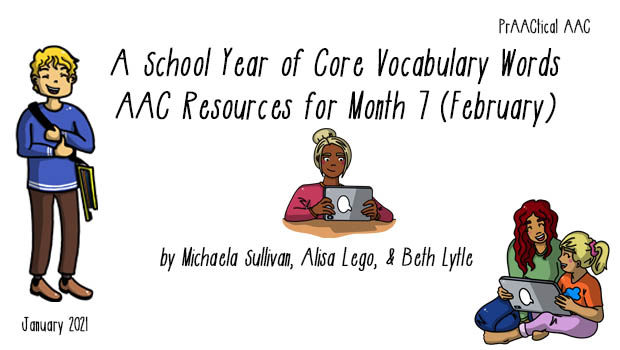
In 2020, the project expanded its scope with the introduction of "The School Year of Core Vocabulary Words." This phase of the project marked a significant shift toward classroom-based integration. Authored by Michaela Sullivan, Alisa Lego, and Beth Lytle, this curriculum was designed to bridge the gap between clinical intervention and the school environment, ensuring that teachers could seamlessly incorporate AAC instruction into daily lesson plans.
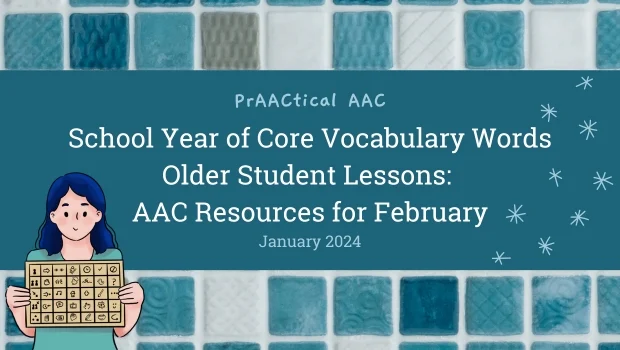
The most recent evolution occurred between 2023 and 2024, when the project pivoted to address the specific needs of older students. Recognizing that adolescents and young adults require age-appropriate, academically relevant content, contributors Michaela Sullivan and Lindsay Dougherty developed a specialized curriculum that maintains the core vocabulary focus while utilizing maturity-appropriate themes and communication scenarios.
Supporting Data and Pedagogical Efficacy
Research into AAC implementation consistently indicates that aided language stimulation—a strategy where communication partners model the use of AAC devices during natural interaction—is most effective when it is planned and intentional. The "Year of Core Vocabulary" resources provide the structure necessary for this type of modeling.
According to data from the National Joint Committee for the Communication Needs of Persons with Severe Disabilities (NJC), effective communication intervention must be based on a robust language system and the provision of consistent, evidence-based instructional supports. By standardizing the words introduced each month, the "Year of Core Vocabulary" program allows for cumulative learning. A student who begins with basic requests in the fall is systematically guided toward more complex sentence structures and pragmatic functions by the spring.
Furthermore, the integration of activity calendars, spearheaded by speech-language pathologist and co-founder of Talking AAC, Rachael Langley, has provided a tangible tool for data tracking and classroom management. These calendars enable educators to log progress, monitor student engagement, and adjust instruction based on observed communication outcomes.
Professional Perspectives and Collaborative Impact
The success of these resources is largely attributed to the collaborative nature of their creation. By engaging guest contributors with diverse expertise—ranging from early childhood development to high school transition services—the project ensures that the materials are adaptable to a wide range of learning profiles.
"The consistency provided by these monthly frameworks allows for the ‘dosage’ of language exposure that is so critical for AAC users," noted one industry analyst familiar with the project. "When a student knows they will be focusing on a set of core words for four weeks, they have the opportunity to move from receptive understanding to expressive mastery. This is the cornerstone of effective AAC intervention."
The involvement of practitioners like Michaela Sullivan and Alisa Lego has been pivotal in maintaining the clinical integrity of the resources. Their contributions reflect a deep understanding of the intersection between linguistics and neurodiversity, emphasizing that communication is not merely about pressing buttons on a device, but about developing the social and cognitive capacity to interact with the world.
Implications for the AAC Community
The publication of these February resources serves as a call to action for school districts and therapy clinics. As the school year progresses, the shift from foundational to specialized vocabulary in the older student lessons demonstrates a commitment to long-term academic growth.
The implications of this structured approach are twofold:
- Teacher Efficacy: By providing ready-to-use lesson plans and activities, these resources reduce the administrative and planning burden on educators, allowing them to focus on the quality of their interactions with students.
- Student Outcomes: A consistent, evidence-based curriculum decreases the likelihood of "communication gaps," where a student might receive high-quality support in one setting but little to none in another.
Moreover, the availability of these resources in a digital, printer-friendly format ensures that they remain accessible to families, who play a critical role as the primary communication partners for many AAC users. By aligning the home and school environments through shared vocabulary, the program creates a "total communication" environment that maximizes the student’s potential for success.
Future Directions and Sustainability
As the initiative moves forward, the focus remains on accessibility and iteration. The ongoing efforts to update these materials suggest a model of "living curriculum," where resources are refined based on feedback from the field.
The importance of this work cannot be overstated. For millions of individuals who rely on AAC to express their thoughts, needs, and desires, these core vocabulary resources are more than just pedagogical tools; they are the keys to social participation. By providing a pathway for systematic instruction, the contributors behind the "Year of Core Vocabulary" are effectively lowering the barriers to entry for complex communication.
In conclusion, the resources available for February—and throughout the year—represent a significant contribution to the field of assistive technology. They provide a roadmap for educators and clinicians to foster language growth in a way that is consistent, research-driven, and highly adaptive. As the AAC community continues to prioritize these frameworks, the standard of care for non-speaking students will likely continue to rise, ensuring that every learner has the opportunity to find their voice through the power of core vocabulary. Through continued collaboration and a steadfast commitment to evidence-based practice, these resources will undoubtedly remain a vital asset for the years to come.