A Chronology of Early Intervention
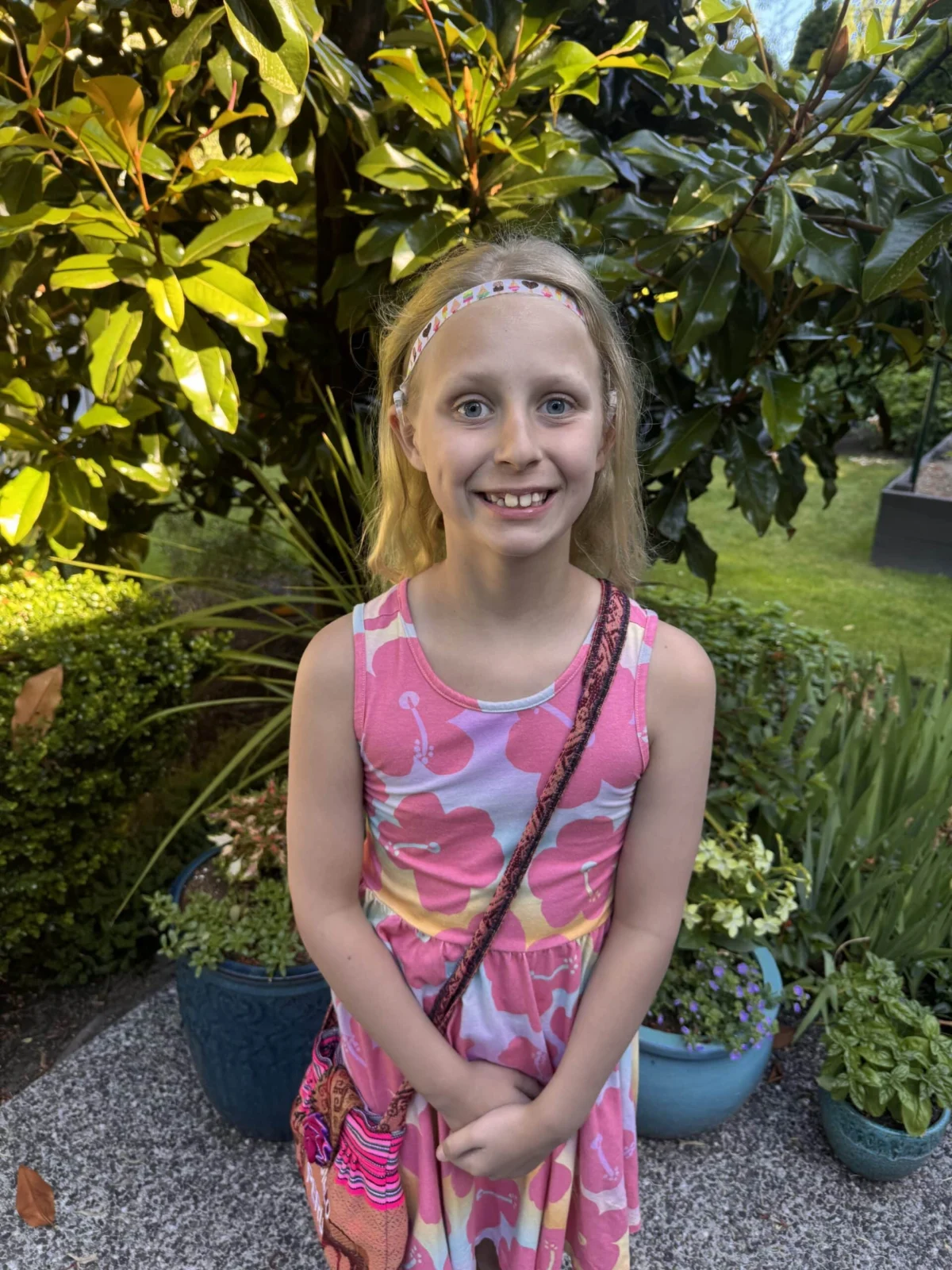
Marna’s path to linguistic and academic success began with a proactive approach to identification and treatment. Auditory health experts generally agree that the "critical period" for language acquisition occurs within the first three years of life. Marna’s timeline aligns with the gold standard for clinical intervention. At two months of age, she was fitted with her first pair of hearing aids, providing the necessary sensory input to stimulate her auditory pathways.
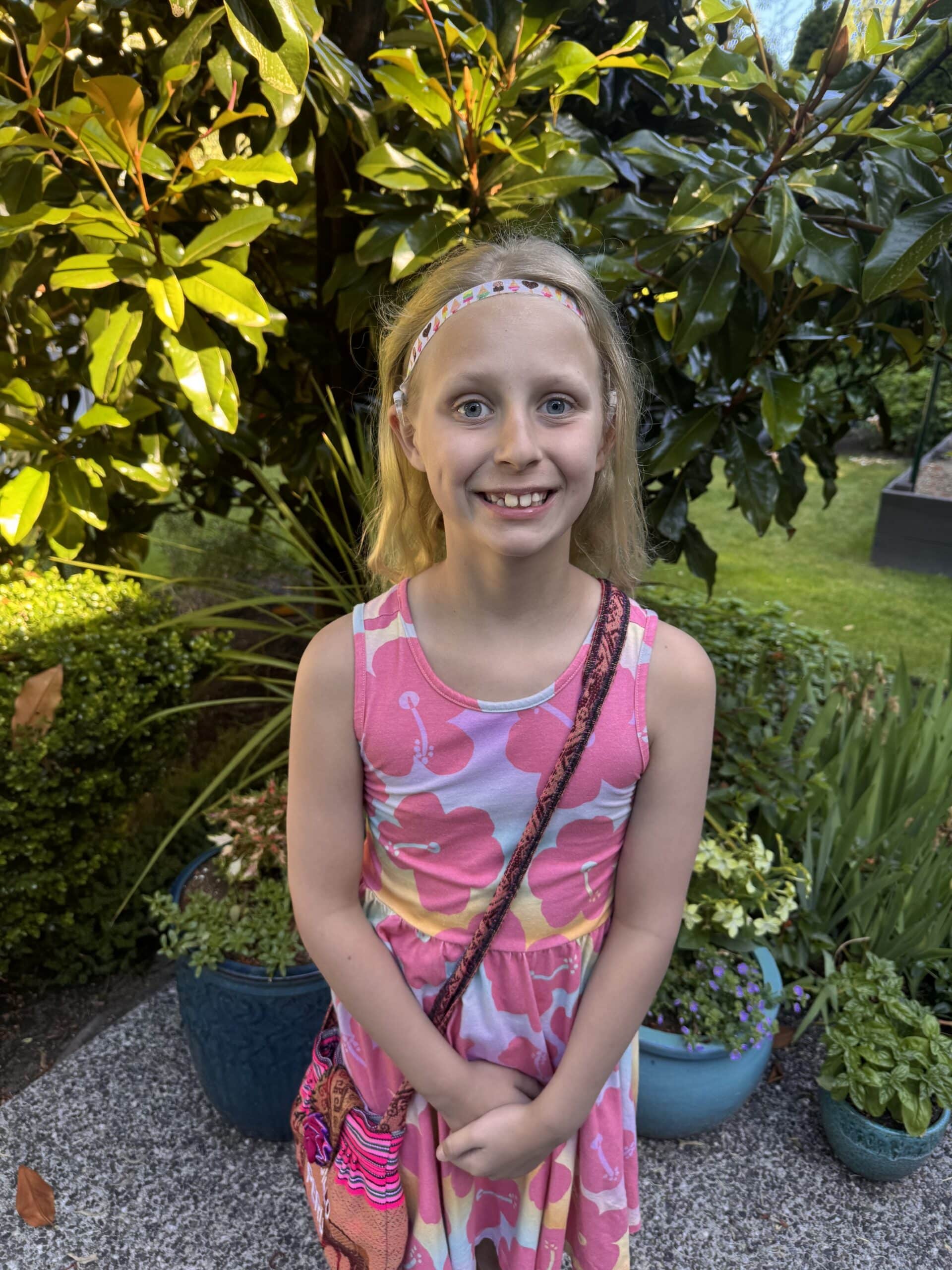
By twelve months, the decision was made to proceed with the first cochlear implant, a device that bypasses damaged hair cells in the cochlea to stimulate the auditory nerve directly. The second implant followed at age two, providing bilateral input, which is essential for sound localization and speech comprehension in noisy environments. During this formative window, the Klein family engaged with Listen and Talk’s Birth-to-3 Program. This stage of the process emphasized parent coaching, where specialists conducted home visits to train caregivers in the specific strategies required to foster a language-rich environment. This approach is rooted in the philosophy that the parent is the primary facilitator of a child’s language development, rather than a passive observer of clinical therapy.
The Blended Classroom Model
Following her foundational years in the Birth-to-3 program, Marna transitioned into the Listen and Talk Blended Classroom model between the ages of three and five. This educational framework is designed to integrate children with hearing loss into a setting that combines specialized auditory-verbal therapy with traditional peer-based learning.
The efficacy of this model lies in its ability to normalize the use of assistive technology while providing a scaffolded environment. Teachers in these programs are uniquely trained to facilitate incidental learning—the process by which children acquire knowledge through spontaneous social interaction. For Marna, this environment offered more than just speech therapy; it provided a social laboratory where she could develop self-advocacy skills. By interacting with peers who also utilized cochlear implants, she gained a sense of community that mitigated the isolation often reported by children with hearing disabilities in mainstream settings.
The Clinical Significance of LSL and Cochlear Implants
The medical and pedagogical approach utilized in Marna’s case—Listening and Spoken Language—is supported by a growing body of clinical evidence. According to the American Cochlear Implant Alliance, children who receive cochlear implants early and participate in intensive LSL programs demonstrate language scores that frequently fall within the average range of their hearing peers by the time they enter elementary school.
The technology itself has undergone significant evolution. Modern cochlear implants provide a broader spectrum of frequency representation than those available two decades ago, allowing for better music appreciation and speech recognition. However, the hardware is only one component of the success equation. Data from longitudinal studies indicate that the "input" a child receives—the volume, quality, and consistency of the language they are exposed to—is the most significant predictor of their long-term outcomes. The Listen and Talk program acts as a catalyst for this input, ensuring that the "full volume" life Marna leads is not merely a result of the device, but a result of the linguistic foundation built during her formative years.
Economic and Social Implications of Early Intervention
The investment in early intervention programs carries substantial downstream benefits. Research from the Early Hearing Detection and Intervention (EHDI) programs suggests that children who receive consistent, high-quality intervention are significantly more likely to succeed in general education classrooms without the need for extensive special education resources.

From an economic standpoint, the cost of early intervention is often offset by the long-term reduction in the need for specialized educational support services later in a child’s life. Beyond the fiscal metrics, there is a profound social shift occurring. As the current generation of children like Marna reaches school age, they are increasingly demonstrating that they are not limited by their sensory impairment. They are participating in extracurricular activities—from soccer and lacrosse to competitive swimming—that require complex communication and social integration. This participation is a testament to the success of mainstreaming efforts that prioritize confidence-building and self-advocacy from an early age.
The Role of Advocacy and Alumni Support
The ongoing sustainability of such specialized programs is largely dependent on community and alumni engagement. The Listen and Talk Alumni Family Giving Campaign, which Marna’s family is currently supporting, highlights the transition of these programs from purely clinical entities to community-based support networks.
By engaging families who have already navigated the system, these campaigns create a sustainable loop of mentorship and funding. For parents currently facing a new diagnosis, the presence of alumni families provides empirical proof of success. It offers a vision of the future that is often obscured by the immediate stressors of a medical diagnosis. The campaign’s stated goal—that "no child is limited by hearing loss"—is a benchmark for modern inclusive education. It represents a shift from a medical model of "fixing" a disability to a developmental model of empowering the individual to navigate the world with the same opportunities as their hearing counterparts.

Broader Impact on Pediatric Audiology
The broader implications of Marna’s story extend to the future of audiology and pediatric policy. As newborn hearing screening protocols become more sophisticated and globally adopted, the demand for early intervention centers like Listen and Talk is projected to increase. The challenges these organizations face include staffing shortages for specialized educators and the need to keep pace with rapid technological advancements in the field of bionics and digital signal processing.
Furthermore, the integration of children with hearing loss into diverse social and athletic environments provides a positive feedback loop for society at large. When peers without hearing loss interact with children like Marna, it fosters a culture of inclusivity that starts in the classroom and carries over into the workplace. Marna’s story serves as a reminder that the "full volume" life she enjoys is the result of a deliberate, multi-year process of professional support, family dedication, and technological integration.
As the Alumni Family Giving Campaign moves forward, the focus remains on ensuring that these resources are available to families regardless of their starting point. By standardizing the quality of care and expanding access to programs that emphasize auditory development, organizations are effectively changing the narrative for thousands of children. The success of an individual, like Marna Klein, is a singular accomplishment, but it is also a representative data point in a larger movement toward a more accessible and inclusive educational landscape. The combination of early medical intervention and specialized pedagogy remains the most effective strategy for ensuring that hearing loss does not become a barrier to a child’s potential, allowing them to participate fully in the rich, auditory world around them.