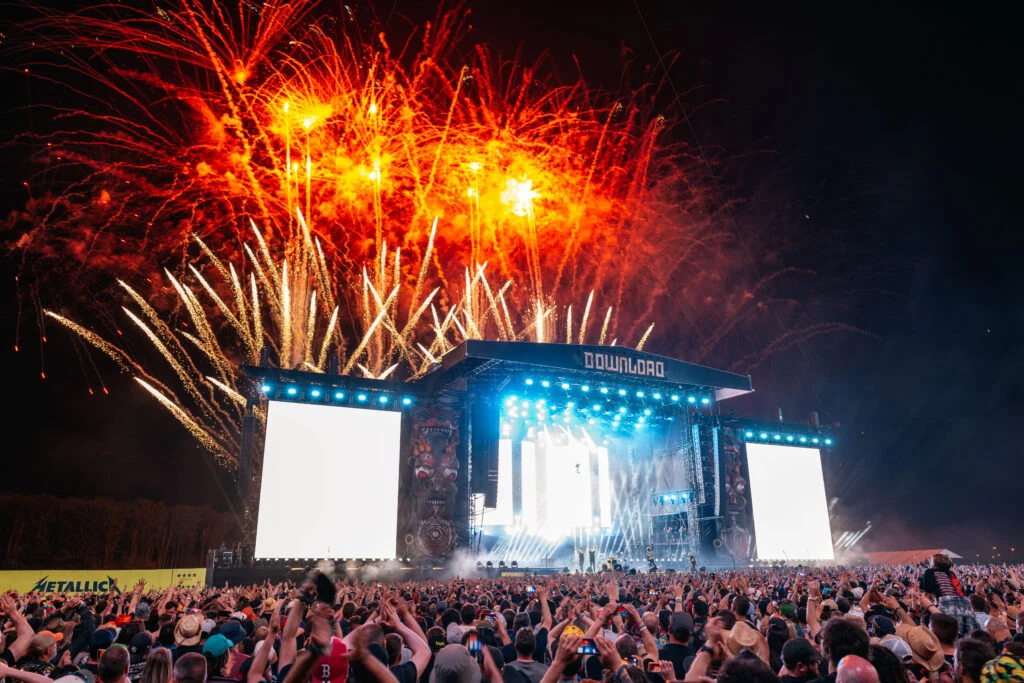
The core objective of this collaboration was to address a pervasive contradiction in the concert experience: the fact that the very medium providing profound community and emotional resonance—loud music—poses a consistent threat to the physiological mechanism required to enjoy it. With one in seven adults in the UK currently living with tinnitus and a significantly higher prevalence among musicians, the intervention at Download was not merely educational but necessary. By establishing a physical presence, Tinnitus UK sought to shift the perception of hearing protection from an afterthought to an essential component of festival preparation.
A Chronology of the Initiative
The presence of Tinnitus UK at Donington Park was the culmination of months of logistical planning. The collaboration began in the early months of 2026, shortly after the successful conclusion of Tinnitus Week, where data suggested an unprecedented public appetite for information regarding noise-induced hearing loss.
In the lead-up to the June festival, organizers implemented several accessibility measures. These included the installation of British Sign Language (BSL) interpreters at primary stages and the deployment of hearing loops, which provided a more inclusive environment for those with existing hearing impairments. Throughout the three-day event, Tinnitus UK representatives engaged in a series of "listening sessions" with performers, technical crews, and fans. These interactions were recorded and analyzed to better understand the barriers preventing the widespread adoption of earplugs, such as aesthetic concerns, perceived loss of audio fidelity, and social stigma.
The Scope of the Auditory Health Crisis
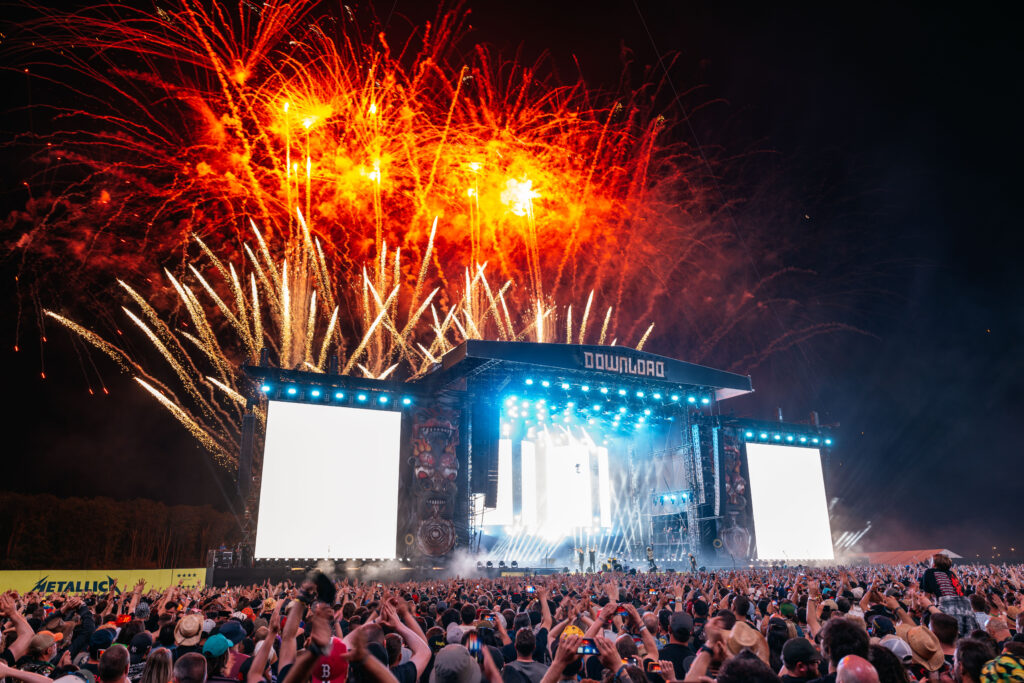
The necessity for this campaign is underscored by sobering statistical data regarding noise exposure. According to the World Health Organization (WHO), over 1.1 billion young people are at risk of hearing loss due to prolonged and excessive exposure to music and other recreational sounds. In a live music setting, where sound levels frequently exceed 100 decibels, the threshold for irreversible damage can be reached in as little as 15 minutes without protection.
Musicians themselves are uniquely vulnerable. Research indicates that one in three professional musicians suffers from some form of tinnitus or hearing loss. The industry’s historical tendency to view loud volume as an inherent feature of artistic expression has often obscured the reality that such exposure is a cumulative, degenerative risk. The testimonies gathered at Download highlighted a generational shift in how this risk is managed. While older industry veterans frequently spoke of "learning the hard way," younger artists and fans demonstrated a more proactive approach, treating high-fidelity earplugs as standard performance gear.
Artist Perspectives and the Changing Culture
The discourse surrounding hearing health was elevated by the candid reflections of various artists performing at the festival. Ali and Foley, members of the band As It Is, provided perhaps the most cautionary evidence of the stakes involved. Foley, who suffers from perforated eardrums due to decades of unprotected exposure, emphasized that the damage is cumulative and often silent until it becomes debilitating. "If I could rewind the clock," Foley noted, "I would have prioritized my hearing health from the start. Once the damage is done, it is permanent."
This sentiment was echoed by other performers who have integrated protective measures into their professional habits. Alice from Lake Malice described the necessity of custom-fitted, high-fidelity in-ear monitors, which allow for a balanced mix while maintaining a safe decibel level. The normalization of these devices is a significant trend; whereas custom monitors were once exclusive to arena-level acts, they are increasingly accessible to touring musicians at all tiers of the industry.
Beyond the stage, influencers and mental health advocates like Robyn Ward (The Metal Therapist) emphasized the social aspect of ear protection. Ward noted that for many, the barrier to using earplugs is the fear of being seen as "lesser" fans of the music. By framing the use of earplugs as a tool for longevity—ensuring that one can continue to attend gigs for decades rather than years—the campaign successfully reframed the behavior as a form of self-care rather than a restriction.
Practical Implementation and Accessibility
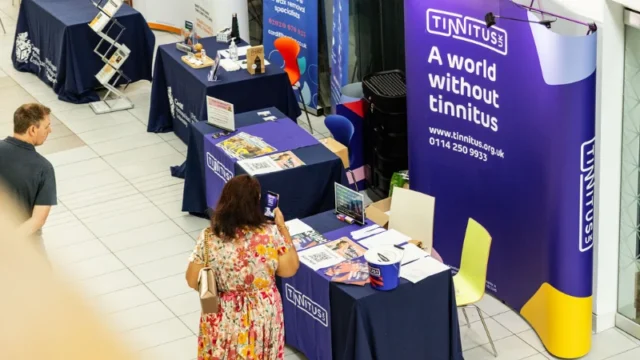
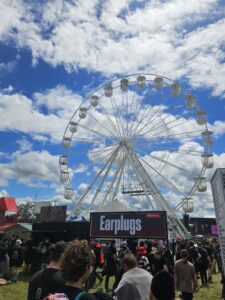
A major component of the Tinnitus UK initiative was the provision of free earplugs at key locations throughout the festival site. By making these devices readily available, the festival removed the common friction points of forgetting to pack them or being unable to source them in the middle of a crowd.
This structural approach mirrors the shift in other areas of public health, such as the provision of hydration stations or sunscreen. By placing hearing health within the context of basic festival welfare, Live Nation and Tinnitus UK established a precedent that other major promoters are now expected to follow. The feedback from festival-goers was overwhelmingly positive, with many noting that the presence of the charity booths served as a visual reminder to prioritize their health. Some attendees even highlighted that modern earplugs have become a part of "festival style," with designs that are discreet or even aesthetically complementary to their outfits, further reducing the stigma of wearing them.
Analysis: The Future of Live Music Safety
The long-term implications of this partnership are significant. The music industry is entering a phase where "safety" is being redefined to include not just physical crowd management, but the long-term biological health of the audience. The success of the Download campaign suggests that fans are not only receptive to health-related messaging but are actively seeking out resources to protect their hearing.
For concert promoters, the business case for this shift is clear. Sustaining a loyal fan base requires ensuring that those fans are physically capable of attending events over the course of a lifetime. If the industry ignores the rising prevalence of hearing loss, it risks creating a "lost generation" of concert-goers who can no longer tolerate the decibel levels required for the live experience.
Moreover, the integration of technology—such as advanced sound-dampening systems that maintain frequency clarity—is likely to become a focal point of future festival engineering. As Tinnitus UK continues to advocate for better awareness, the goal is to shift from voluntary, intermittent protection to a standard industry expectation where high-fidelity hearing protection is as ubiquitous as wristbands or event security.
Broader Industry Impact and Conclusion
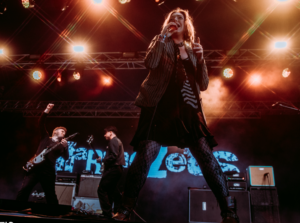
The collaboration at Download 2026 has provided a template for how health charities and corporate event entities can work together to solve systemic issues. By moving the conversation out of clinics and into the field, Tinnitus UK has managed to reach a demographic that is typically underserved by traditional health awareness campaigns.
As the industry looks toward the 2027 festival season, the lessons learned at Donington Park will likely be implemented elsewhere. The focus will shift from simple education to structural change: implementing standardized volume monitoring, expanding the availability of hearing-accessible areas, and continuing to platform artists who act as ambassadors for hearing safety.
Ultimately, the goal is to decouple the "intensity" of live music from the "damage" associated with it. Through continued advocacy, technological integration, and a cultural shift that views hearing health as a prerequisite for the enjoyment of music, the industry can ensure that the communal, visceral experience of a live concert remains a lifelong privilege rather than a source of long-term health complications. The partnership between Tinnitus UK and Download Festival stands as a testament to the fact that, with the right approach, the live music industry can protect its greatest asset: the hearing of its audience.