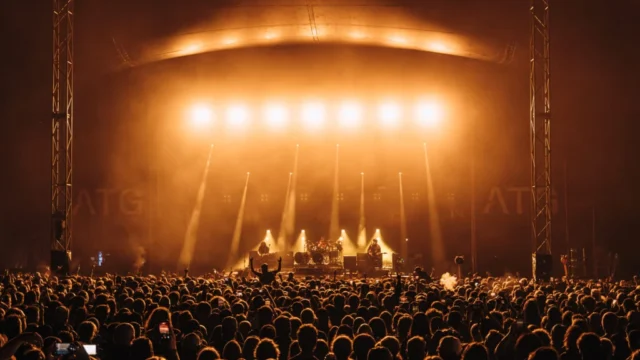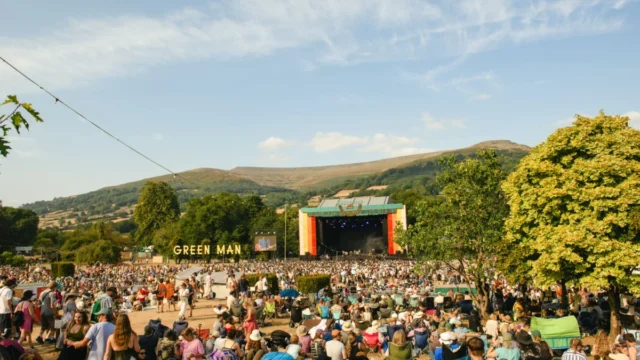
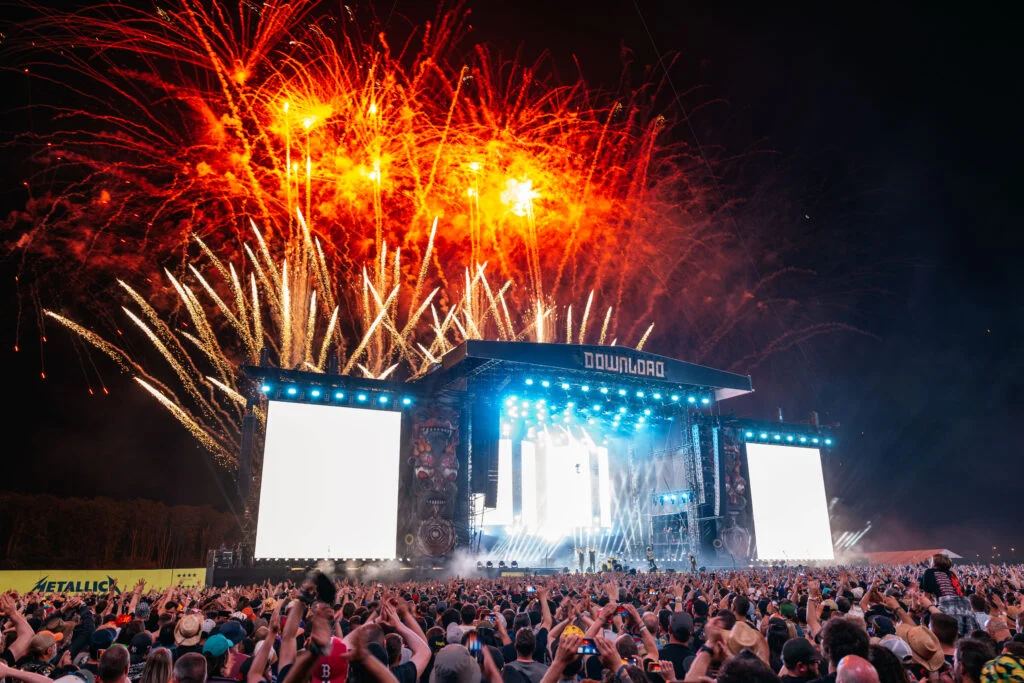
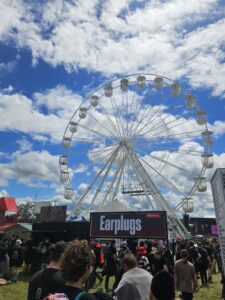
The collaboration represents the first time such an extensive hearing health outreach program has been embedded on-site at an event of this scale. While festivals have historically focused on physical security and crowd management, the inclusion of hearing protection as a primary pillar of audience welfare signals an evolution in industry standards. By offering free earplugs, providing educational resources, and engaging in direct dialogue with artists and fans, the partnership aimed to dismantle the stigma often associated with wearing hearing protection in loud environments.
The Auditory Crisis: Understanding the Risks
To understand the necessity of this intervention, one must look at the data surrounding hearing health in the modern age. According to global health statistics, approximately one in seven adults suffers from tinnitus—a persistent ringing or buzzing in the ears that can be debilitating. Within the professional music industry, this figure rises to one in three, highlighting a systemic issue that has been ignored for decades.
Exposure to high-decibel sound remains one of the leading, yet entirely preventable, causes of permanent hearing damage. In a festival setting, where sound levels frequently exceed 100 decibels, the ears are subjected to acoustic pressure that can cause instantaneous damage if not managed correctly. Despite the clear medical risks, hearing protection has long been viewed as an "afterthought"—a clumsy or "un-cool" accessory that distracts from the raw, immersive experience of a live performance. Tinnitus UK’s mission at Download was to rebrand this perception, repositioning earplugs as an essential tool for longevity rather than a barrier to enjoyment.
A Chronology of Engagement
The journey to this year’s festival began during Tinnitus Week 2026, a national awareness campaign that galvanized public interest. Following that success, the decision to bring the campaign to the field was finalized in early spring. The timeline for the project was aggressive:
- February 2026: Tinnitus Week launched nationwide, sparking a 40% increase in inquiries regarding clinical hearing protection.
- April 2026: Preliminary meetings between Tinnitus UK and Live Nation established the framework for the on-site collaboration.
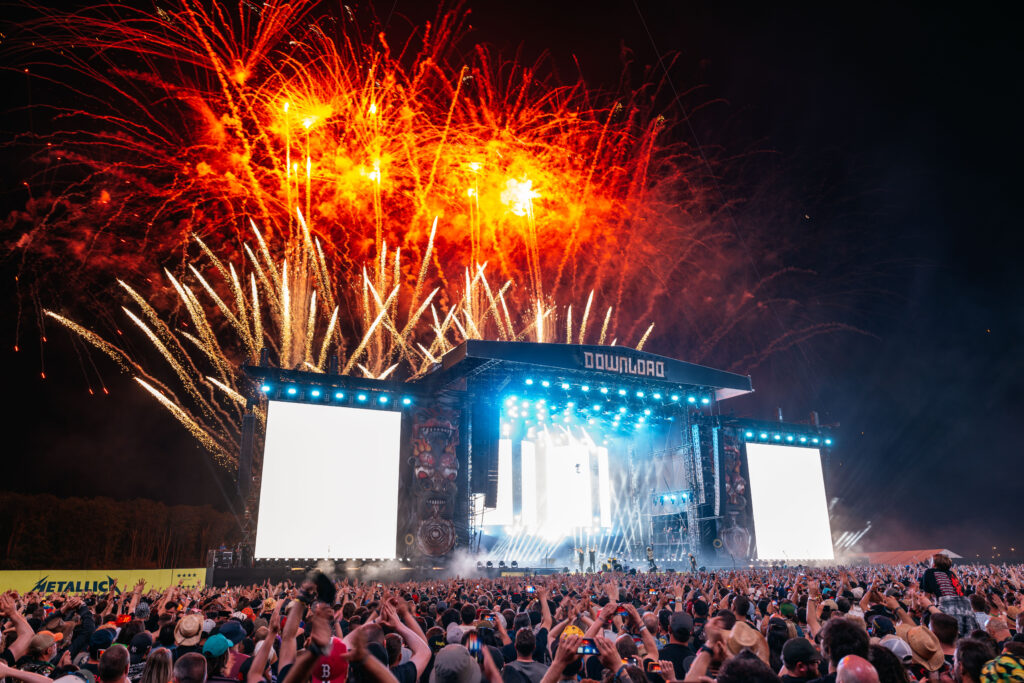
- June 2026: Deployment of the hearing health outreach program at Download Festival, including the distribution of thousands of units of ear protection.
- Post-Festival Analysis: Ongoing data collection regarding attendee reception and the efficacy of the on-site education kiosks.
This structured rollout ensured that the initiative was not merely a superficial marketing campaign but a functional, data-driven effort to reach the demographic most at risk: young adults and career musicians.
Industry Perspectives: The Shift in Artist Advocacy
The success of the initiative was bolstered by the participation of several prominent artists, many of whom have transitioned from viewing hearing protection as an optional accessory to a non-negotiable requirement. The conversations held behind the scenes at the festival stages revealed a recurring theme: the "toughening it out" mentality of the past is being replaced by a culture of pragmatic self-care.
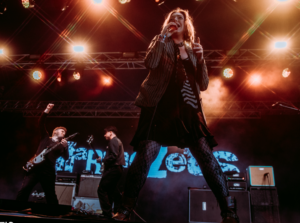
Alice from Lake Malice underscored this shift, noting that even for high-energy performances, technical aids are vital. "I wear my moulded in-ear monitors at gigs, they help so much," she noted, emphasizing that professional equipment allows her to perform at the highest level without sacrificing her long-term auditory capacity. Similarly, Becca from Marmozets described a transformation in her habits, moving from negligence to vigilance. "It’s always on my mind now," she remarked, highlighting how normalized behavior—such as keeping earplugs on one’s keys—can serve as a life-long safeguard.
Perhaps most poignant were the accounts from veterans of the industry. Foley, drummer for As It Is, provided a stark warning to younger musicians, citing two perforated eardrums as the direct result of years of unprotected exposure. His narrative serves as a sobering case study: the damage caused by loud, unshielded noise is cumulative and irreversible. "If I could rewind the clock, I would have protected my ears more efficiently earlier on," Foley stated. His experience, mirrored by his bandmate Ali, who was told by audiologists that his hearing profile resembled that of someone with a degenerative condition, serves as the strongest possible endorsement for early intervention.
Implications for the Live Music Ecosystem
The implications of this partnership extend far beyond a single weekend in Donington. By normalizing the presence of earplugs, Download Festival is setting a precedent that other major promoters are expected to follow. If festivals of this magnitude can integrate hearing loops, British Sign Language (BSL) interpretation, and free earplugs as standard amenities, it creates a new "gold standard" for accessibility and health.
From a public health perspective, the analysis is clear: early prevention is significantly more cost-effective and successful than late-stage clinical treatment. The music industry, often criticized for its high-risk environment, is now uniquely positioned to lead a public health movement. When influencers like Katie Pepper or creators like The Metal Therapist advocate for ear protection, they provide a cultural imprimatur that medical professionals simply cannot replicate. They are bridging the gap between clinical necessity and lifestyle choice.
Technical Accessibility and Cultural Integration
The practical steps taken by Download—specifically the provision of free earplugs—serve as a model for "low-friction" health interventions. Accessibility in a festival context is often defined by physical infrastructure, such as ramps and viewing platforms. However, the 2026 collaboration demonstrates that accessibility also includes the sensory experience. By ensuring that hearing protection is available to every attendee, the festival has effectively widened its inclusive reach, allowing those with hyperacusis or existing tinnitus to participate in the music culture without fear of further trauma.
Moreover, the aesthetic normalization mentioned by attendees like Stephanie—who noted that earplugs can be styled to match an outfit—suggests that the industry is moving toward a future where hearing protection is a standard part of the "festival kit," alongside waterproofs and hydration packs.
A Path Forward
As the dust settles on the 2026 season, the evidence suggests that the partnership between Tinnitus UK and Download has successfully planted the seeds for a long-term cultural shift. The challenge now remains for the rest of the industry to adopt these standards. Data shows that when information is presented in a non-judgmental, accessible format, the public is highly receptive to behavioral change.
The long-term goal is to make the "hearing-conscious" music fan the norm, rather than the exception. By fostering an environment where musicians openly discuss their hearing loss and fans are provided with the tools to protect their own, the music industry is finally beginning to treat the "sound" it sells as a resource that must be managed, rather than a commodity that can be spent recklessly.
The collaboration at Download serves as a blueprint for future events. It proves that safety does not necessitate a sacrifice in enjoyment; rather, it ensures that the music can continue for generations. As more festivals embrace these measures, the goal of a hearing-safe music culture—where the thrill of the live experience is preserved without the cost of permanent damage—becomes increasingly attainable. The music is, after all, only as good as the ears that hear it.