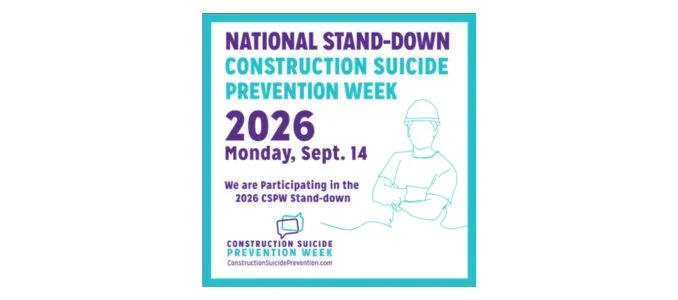
The national stand-down serves as a solemn tribute to those lost to suicide while simultaneously reinforcing the principle that mental health is a fundamental component of job site safety. For too long, the construction industry has operated under a culture that prioritizes physical safety—such as fall protection, heavy machinery operation, and personal protective equipment—while frequently overlooking the psychological toll of the work. As the industry faces a critical shortage of skilled labor, the imperative to support the holistic health of the existing workforce has never been more pressing.
The Scope of the Crisis: Industry Data and Demographics
The construction industry consistently ranks among the U.S. sectors with the highest suicide rates. According to data provided by the Centers for Disease Control and Prevention (CDC), the rate of suicide among males in the construction and extraction industry is significantly higher than the national average for the civilian workforce. Experts point to a complex interplay of factors that contribute to these alarming statistics.

The high-pressure nature of construction work often involves long hours, seasonal instability, and physical isolation on remote job sites. Furthermore, the industry’s traditional culture—often characterized by a stoic "tough it out" mentality—creates significant barriers to seeking help. When workers feel that discussing anxiety, depression, or substance abuse is a sign of weakness, they are less likely to utilize the resources available to them. The current initiative seeks to dismantle this stigma, framing mental health support as a necessary tool for professional and personal resilience, much like a hard hat or a safety harness.
Chronology of the Initiative
The movement toward a national stand-down began as a grassroots effort by safety coalitions and industry associations concerned about the rising numbers of mental health-related fatalities.

- Pre-2018: Mental health was largely absent from formal Occupational Safety and Health Administration (OSHA) and private sector safety discussions.
- 2018–2020: Increased advocacy from organizations like the Construction Industry Alliance for Suicide Prevention (CIASP) brought the issue to the national stage. Data analyses began to clearly link high-stress work environments with elevated suicide risk.
- 2021: The inaugural Construction Suicide Prevention Week was established, encouraging companies to hold "toolbox talks"—short, focused discussions—about mental health.
- 2023–2025: The movement expanded into a standardized, week-long curriculum of events, culminating in the annual nationwide stand-down.
- 2026: The current iteration of the event sees unprecedented participation from major unions, multinational construction firms, and governmental safety agencies, focusing on integrating long-term mental health infrastructure into daily operations.
Strategic Objectives of the Sept. 14–18 Week
The focus of the week is not merely symbolic. Throughout the five-day period, industry leaders are encouraged to move beyond abstract awareness and into actionable policy. Organizations participating in the initiative are provided with comprehensive toolkits that include crisis response guides, educational webinars, and communication strategies for management.
Key activities recommended for the week include:

- Safety Meeting Integration: Shifting the focus of daily morning safety briefings to include mental health, providing space for workers to share their experiences and learn about available resources.
- Resource Distribution: Ensuring every worker on a site has direct access to contact information for Employee Assistance Programs (EAPs) and the 988 Suicide & Crisis Lifeline.
- Supervisory Training: Equipping foremen and site managers with the training to identify early warning signs of distress, such as changes in work performance, increased absenteeism, or social withdrawal.
- Policy Review: Re-evaluating company health benefits to ensure that mental health coverage is as accessible and robust as physical health benefits.
The Role of Crisis Response and Institutional Support
Central to the week’s mission is the promotion of the 988 Suicide & Crisis Lifeline. The lifeline provides 24/7, free, and confidential support to individuals in distress, as well as prevention and crisis resources for families and employers. By normalizing the use of such services, the construction industry hopes to bridge the gap between initial distress and professional intervention.
Professional health organizations and mental health advocates have lauded these efforts. Dr. Elena Rodriguez, a clinical psychologist specializing in occupational health, notes that "when an industry as large as construction formally acknowledges that its workers are at risk, it creates a cultural permission structure. It allows a worker to say ‘I’m struggling’ without fear of losing their job or their reputation among their peers."

Broader Implications for Workplace Safety
The implications of this movement extend far beyond the third week of September. By institutionalizing mental health as a core component of safety, companies are finding that they are not only saving lives but also improving productivity and retention. Chronic stress and untreated mental health issues are significant contributors to on-site accidents; therefore, a workforce that is mentally healthy is, by definition, a safer workforce.
The shift is also impacting how companies approach insurance and liability. As firms demonstrate a proactive commitment to mental health, they are increasingly able to negotiate better terms with insurers who recognize that comprehensive wellness programs reduce the frequency and severity of workplace incidents.

Challenges and Future Outlook
Despite the progress, the industry faces significant hurdles. Implementing mental health support in a highly decentralized workforce—where workers move from project to project—remains a logistical challenge. Small and mid-sized contractors often lack the internal HR infrastructure to implement complex wellness programs, requiring the industry to rely on regional associations and unions to provide shared resources.
Looking ahead, the goal is to weave mental health advocacy into the very fabric of construction safety certifications. If mental health training becomes as mandatory as OSHA 10-hour or 30-hour training, the industry could see a permanent reduction in the risk factors currently plaguing the trade.

As the industry prepares for the moment of silence on Sept. 14, the message from leadership is clear: the most important safety equipment on any job site is the support provided by one worker to another. By fostering an environment where mental health is treated with the same urgency as physical safety, the construction industry is embarking on a vital, life-saving transformation.
The efforts surrounding this year’s stand-down represent a significant milestone in a long-term cultural shift. As firms continue to align their operational priorities with the mental well-being of their workforce, they are setting a new standard for what it means to be a safe, responsible, and modern construction organization. Through continued outreach, education, and the persistent removal of stigma, the industry is moving closer to a future where no worker feels that they must face their struggles in isolation.