
The intricate architecture of a home, from high ceilings that amplify sound to hard surfaces that create reverberation, can transform a familiar space into an acoustically demanding environment. This phenomenon, known as echo and reverberation, significantly degrades speech intelligibility, making it difficult for anyone, and particularly for those with hearing impairments, to follow conversations. Furthermore, critical auditory signals, such as smoke alarms or the ringing of a doorbell, may go unnoticed, posing potential safety risks. MED-EL’s insights underscore a proactive approach to mitigating these challenges, offering a roadmap for creating a more inclusive and supportive living space.

Understanding the Acoustic Landscape of the Home
The original article points to a common issue: "High ceilings and hard floors can create echo and reverberation that make speech harder to understand." This is a well-documented phenomenon in acoustics. Sound waves reflect off hard surfaces, creating multiple copies of the original sound that arrive at the listener’s ear at slightly different times. This temporal smearing disrupts the clarity of speech, particularly consonant sounds, which are crucial for distinguishing words. Research in audiology has consistently shown that environments with high levels of reverberation can reduce speech understanding scores by as much as 15-30% for individuals with hearing loss, even with advanced hearing aids or cochlear implants.
The implications extend beyond mere inconvenience. The constant cognitive effort required to decipher sounds in a challenging acoustic environment can lead to listening fatigue, increased stress, and social withdrawal. This underscores the importance of addressing the problem at its source—the home environment itself.

A Strategic Approach to Home Auditory Enhancement
MED-EL’s recommendations focus on a multi-faceted strategy, addressing both the transmission of sound and the user’s ability to perceive it. These strategies are designed to empower individuals by giving them greater control over their auditory experience.
1. Direct Sound Streaming: Bridging the Digital Divide
One of the most impactful advancements for hearing implant users is the ability to stream audio directly from electronic devices to their audio processors. This technology bypasses environmental noise and acoustic challenges, delivering pristine sound directly to the user’s ear. MED-EL highlights accessories like AudioLink and AudioLink XT as key enablers of this connectivity.

- Background Context: The development of wireless audio streaming protocols, such as Bluetooth, has revolutionized personal audio. For hearing implant manufacturers, integrating these technologies has been a priority to enhance the functionality and user experience of their devices. This allows for seamless integration with smartphones, televisions, computers, and other audio sources.
- Supporting Data: Studies on the efficacy of direct audio streaming for cochlear implant users have demonstrated significant improvements in speech recognition in quiet listening conditions compared to listening via the device’s telecoil or an external microphone. For instance, a study published in the Journal of the American Academy of Audiology found that direct audio streaming via Bluetooth improved word recognition scores by an average of 10-15% in quiet environments for cochlear implant users.
- Analysis of Implications: Direct streaming not only enhances enjoyment of media like music and television but also dramatically improves communication in specific scenarios. Using AudioLink as a remote microphone, for example, allows a user to clearly hear a speaker across a crowded room or at a noisy family gathering, fostering more inclusive social interactions. This technology effectively creates a personal "bubble" of clear sound, regardless of the surrounding auditory chaos.
2. Mitigating Echo and Reverberation: The Power of Soft Furnishings
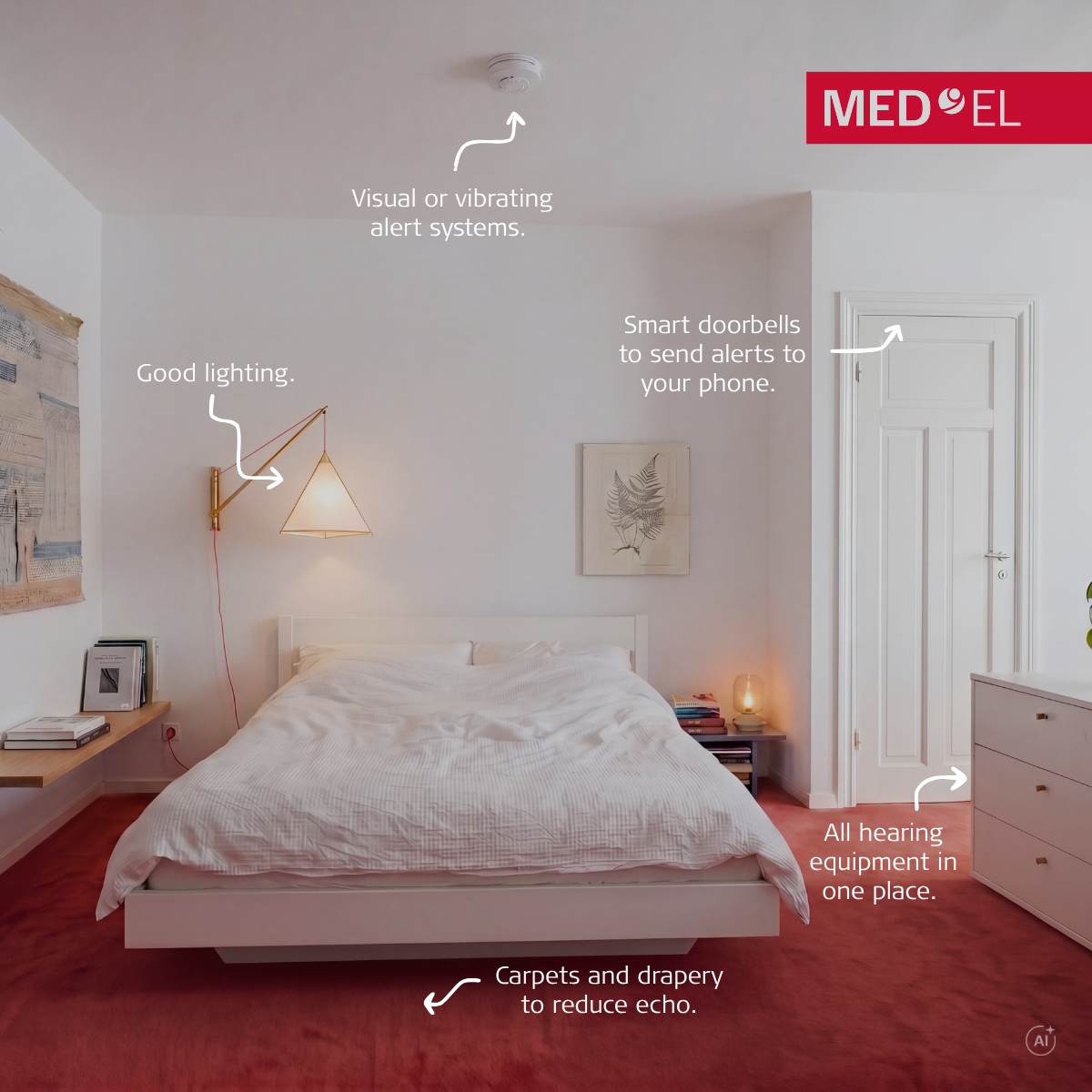
The architectural elements of a room are significant contributors to its acoustic properties. Hard, reflective surfaces like bare walls, tile floors, and large windows bounce sound waves around, leading to echo and reverberation. MED-EL suggests a straightforward solution: incorporating soft, sound-absorbing materials.
- Practical Applications: The article recommends the strategic use of carpets, rugs, and drapery. These materials have a porous structure that traps sound waves, converting their energy into heat and thus reducing the amount of sound that is reflected back into the room.
- Acoustic Principles: The effectiveness of these materials is rooted in the principle of sound absorption. Different materials have varying sound absorption coefficients, with soft, fibrous materials generally exhibiting higher coefficients than hard, dense materials. For example, a thick carpet can absorb a significant portion of mid and high-frequency sounds, while heavy curtains can dampen reflections from windows.
- Broader Impact: Beyond improving speech clarity, reducing reverberation can create a more calming and less fatiguing auditory environment. This can be particularly beneficial for individuals who experience auditory processing difficulties, as it lessens the cognitive load associated with listening.
3. Optimizing Visual Cues: The Role of Lighting in Communication
For many individuals with hearing loss, visual cues play a vital role in understanding conversations. Lipreading, or speechreading, is a complementary skill that significantly aids comprehension, especially in noisy environments. MED-EL rightly emphasizes the importance of good lighting to facilitate this.
- The Science of Speechreading: Speechreading relies on the ability to observe a speaker’s facial expressions, mouth movements, and gestures. Shadows cast on the face can obscure these critical visual cues, making it difficult to follow the nuances of speech.
- Recommendations for Home: Ensuring that faces are evenly lit, with no harsh shadows, is paramount. This can be achieved through strategic placement of lamps, avoiding backlighting, and utilizing natural light sources effectively.
- Interdisciplinary Perspective: Speech and language therapists, like Natalie Teakle, often incorporate speechreading training into rehabilitation programs. The emphasis on lighting in this context highlights the interconnectedness of auditory and visual communication strategies for individuals with hearing impairments.
4. Smart Alerts for Enhanced Safety and Independence
The ability to reliably detect important auditory signals is crucial for safety and independence. MED-EL addresses the potential for missed alerts by recommending assistive alert systems that do not solely rely on sound.

- Types of Smart Alerts: This category includes visual alert systems, such as strobe light smoke detectors or flashing doorbells, and vibrating alerts, like those integrated into smartwatches or specialized alert devices.
- Chronology of Innovation: The development of such assistive technologies has evolved alongside advancements in hearing implant technology and broader smart home innovations. Early systems might have been standalone devices, while modern solutions often integrate with smartphone apps, offering greater flexibility and customization.
- Analysis of Implications: These systems are particularly critical for moments when a hearing implant user might not be wearing their audio processor, such as during sleep or while showering. The ability to receive alerts through alternative sensory channels ensures that essential safety information is not missed, thereby enhancing personal security and reducing reliance on others. The integration of smart doorbells, which provide visual notifications and smartphone alerts, further extends this safety net, ensuring that individuals remain connected to their environment and visitors.
5. Organizing Hearing Equipment: A Foundation for Preparedness
Maintaining hearing implant equipment requires diligence. MED-EL suggests a practical organizational strategy: dedicating a specific space for all hearing-related items.
- Rationale: This simple measure helps prevent the misplacement of essential components, such as backup processors, drying systems, battery chargers, and cleaning supplies. Knowing where these items are readily available ensures that users can quickly and efficiently manage their equipment.
- User Experience: For individuals who rely on their hearing implants for daily functioning, the ability to quickly locate and maintain their equipment contributes to a sense of control and reduces potential stress or disruption.
- Broader Context: This advice aligns with general principles of assistive technology management, emphasizing user-centered design and practical support for daily living.
Expert Insights and the Future of Home Auditory Health
Natalie Teakle’s role as a Speech and Language Therapist and Rehabilitation Manager at MED-EL provides a unique perspective on the challenges and solutions for individuals with hearing loss. Her expertise in providing global training and mentoring underscores the widespread need for accessible and practical advice on managing hearing loss.
"Small changes can make a big difference in how you hear and communicate at home," Teakle states. This sentiment encapsulates the core message of the MED-EL guidance. It moves beyond the purely technological aspects of hearing implants to address the holistic integration of these devices into daily life. By creating a "more hearing-friendly environment," individuals can not only "enjoy conversations more easily" but also "feel more secure in their daily routine."
The implications of these home modifications extend beyond individual users. As society increasingly recognizes the importance of inclusivity and accessibility, creating environments that cater to diverse sensory needs becomes a collective responsibility. The strategies outlined by MED-EL offer a blueprint for architects, interior designers, and individuals alike to foster more supportive and functional living spaces for all.
Looking ahead, the integration of artificial intelligence and advanced sensor technology in smart home systems could further revolutionize auditory accessibility. Imagine homes that can dynamically adjust their acoustics based on the number of occupants or the type of activity, or alert systems that can intelligently distinguish between different types of sounds. The proactive steps being advocated by organizations like MED-EL are laying the groundwork for such an integrated and empowering future for individuals with hearing loss. The focus remains on empowering users with knowledge and practical tools to not just hear, but to truly connect and thrive within their own homes.