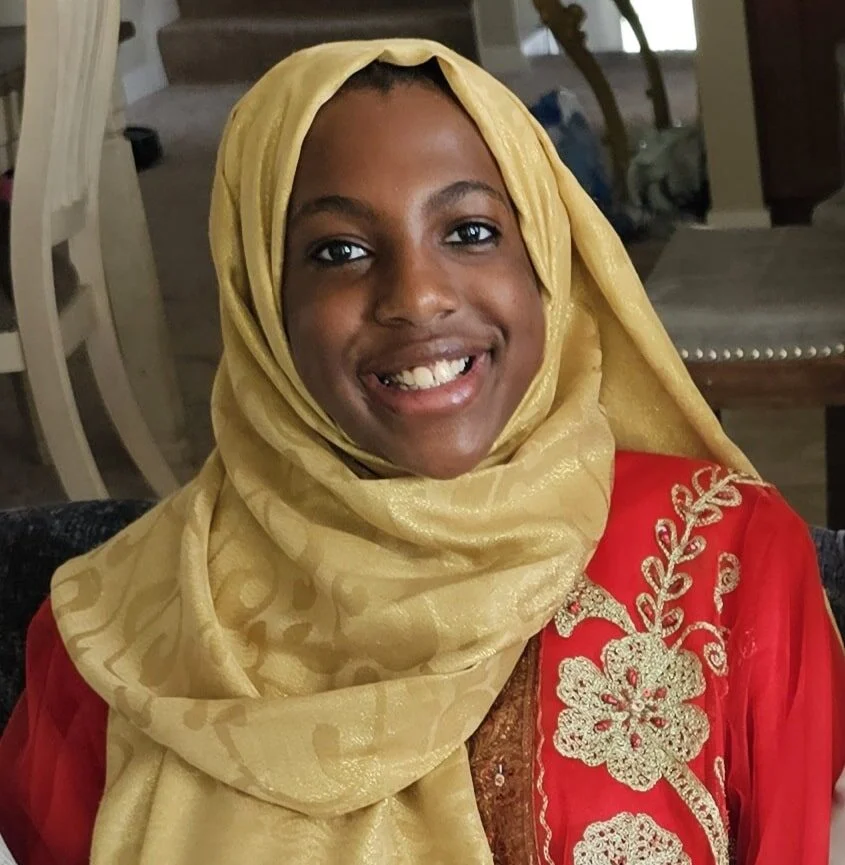
The Critical Window of Early Intervention
Sensorineural hearing loss (SNHL), which occurs when there is damage to the inner ear or the nerve pathways from the inner ear to the brain, affects a significant portion of the pediatric population. According to data from the Centers for Disease Control and Prevention (CDC), hearing loss is one of the most common congenital conditions in the United States, occurring in approximately 1.7 per 1,000 live births. When left unaddressed, SNHL can lead to significant delays in speech, language, and cognitive development.
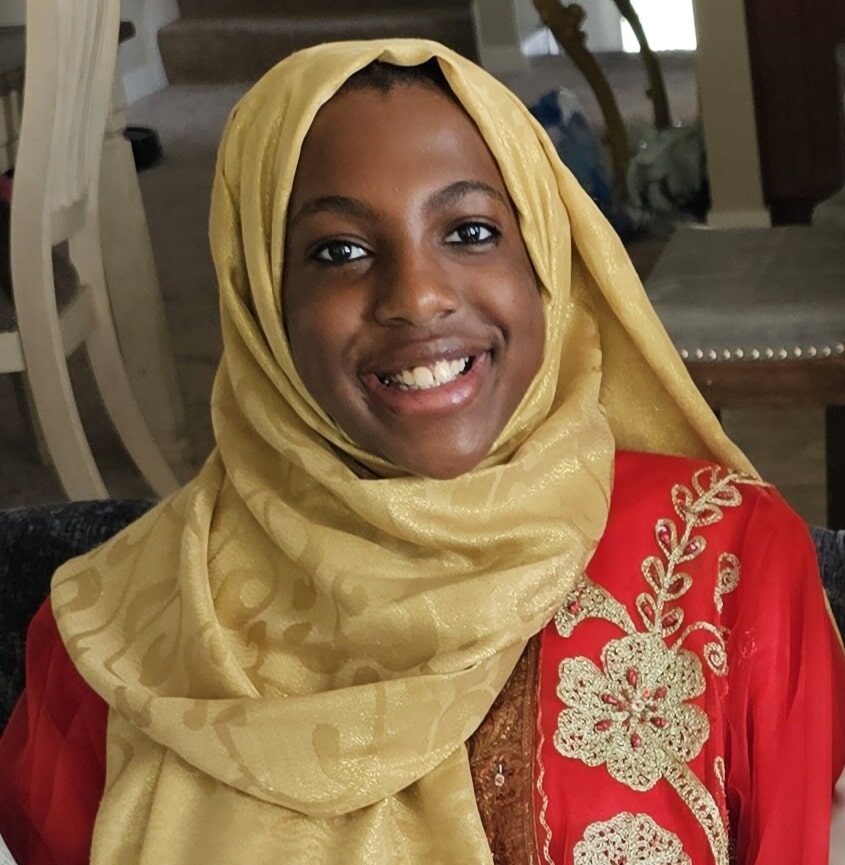
For Amalia, the decision to pursue a listening and spoken language (LSL) approach was immediate. This methodology emphasizes the development of spoken communication through the use of assistive technology—in this case, cochlear implants—and specialized auditory-verbal therapy. Listen and Talk, the organization that facilitated her development, focuses on creating an environment where children with hearing loss can learn to listen and talk in the same way their hearing peers do.
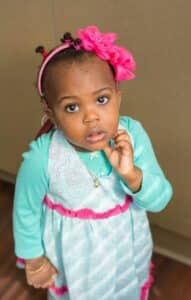
The timeline of Amalia’s intervention began shortly after her birth. The receipt of cochlear implants at 10 months is considered optimal by pediatric audiologists. Research consistently shows that children who receive cochlear implants before the age of 12 to 18 months demonstrate significantly higher language scores compared to those who receive them later in childhood. This early access to sound allows the brain to map auditory input during the most sensitive period for language acquisition.
Chronology of Development and Educational Integration
Amalia’s educational journey can be divided into three distinct phases: the foundational early intervention phase, the classroom integration phase, and the current phase of social and physical independence.
- Birth to Three (0–36 months): During this phase, Amalia received intensive, family-centered services. The curriculum focused on parent coaching, auditory skill development, and the normalization of daily communication.
- Blended Classroom (Preschool/Early Primary): Transitioning into a blended classroom setting, Amalia began interacting with both hearing peers and other children with hearing loss. This environment provided a controlled, supportive space to refine social pragmatics—the ability to navigate conversation and social cues.
- General Education (Middle/High School): By moving into a standard general education curriculum, Amalia successfully bypassed the typical barriers faced by students with sensory disabilities. Her ability to thrive in a mainstream environment is a testament to the durability of the language foundations built during her early years.
Quantitative Benefits of Specialized Intervention
The broader implications of programs like Listen and Talk are reflected in longitudinal studies regarding the success of children with cochlear implants. While individual results vary, data from the National Institute on Deafness and Other Communication Disorders (NIDCD) indicates that early intervention can close the "gap" in vocabulary and reading readiness. By the time children enter primary school, those who have undergone consistent LSL therapy often perform within the average range for their age group on standardized tests.
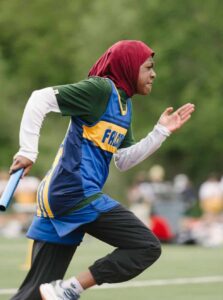
Beyond standardized metrics, the social impact is equally profound. A significant hurdle for children with hearing loss is the potential for social isolation or difficulties in peer-group integration. Amalia’s active participation in diverse extracurricular activities—including swimming, track and field, and basketball—demonstrates that communication proficiency is the cornerstone of social self-efficacy. By mastering the ability to listen and speak, Amalia has gained the autonomy to pursue interests that require high levels of coordination, teamwork, and real-time auditory processing.
Official Perspectives and Institutional Impact
The success of individual students is often the primary metric used by organizations like Listen and Talk to secure ongoing funding and institutional support. The "Alumni Family Giving Campaign" currently being promoted by the organization serves as both a fundraising vehicle and an awareness initiative. By highlighting success stories like Amalia’s, the organization provides evidence of the long-term return on investment (ROI) that early intervention provides for society.
Educational psychologists note that the presence of "alumni" in mainstream educational settings serves as a powerful validation of the LSL approach. "When we see a student like Amalia transitioning from early intervention into a competitive sports environment or a standard high school classroom, it proves that the barrier of hearing loss is not a ceiling on achievement," notes an independent observer familiar with pediatric hearing advocacy.
Broader Implications for Healthcare Policy
The case of Amalia Faraji also reflects the necessity of public health policy regarding newborn hearing screenings. Since the universal implementation of the Newborn Hearing Screening (NHS) program in the late 1990s, the age of diagnosis has dropped precipitously. This policy shift has been the primary driver for the improved outcomes seen in modern cohorts of children with hearing loss.
However, the cost of technology and the specialized therapy required remains a barrier for many families. Cochlear implants and the subsequent years of auditory-verbal therapy represent a significant financial undertaking. Organizations that provide subsidies, expert guidance, and community support act as a necessary bridge between medical diagnosis and long-term integration. The reliance on private giving campaigns highlights the ongoing need for a robust support network that extends beyond the clinical setting.
Future Trajectories and Sustaining Success
As Amalia continues her education, the focus shifts from "acquisition" of language to "application." The skills she developed—persistence, auditory focus, and the ability to advocate for her own needs—are transferable skills that will serve her in higher education and the workforce. The "no child is limited by hearing loss" vision championed by the Listen and Talk program is rooted in the philosophy that if the sensory deficit is managed early and correctly, the child’s potential is no different from that of a hearing peer.
The success of this model relies on the ongoing partnership between parents, educators, and audiologists. The "Alumni Family Giving Campaign" is not merely an appeal for financial resources; it is an appeal for the perpetuation of a system that has demonstrably changed the developmental trajectory of children like Amalia. By investing in these programs, the community ensures that the infrastructure for early diagnosis and intervention remains accessible to the next generation of families facing similar diagnoses.
In conclusion, Amalia Faraji’s journey is a validation of the intersection between advanced medical technology and dedicated educational support. Her ability to lead a full, active life is a direct result of the early intervention strategies employed during her most formative years. As the landscape of pediatric audiology continues to evolve, the lessons learned from her case provide a roadmap for future efforts to support children with hearing loss in reaching their full, limitless potential.