
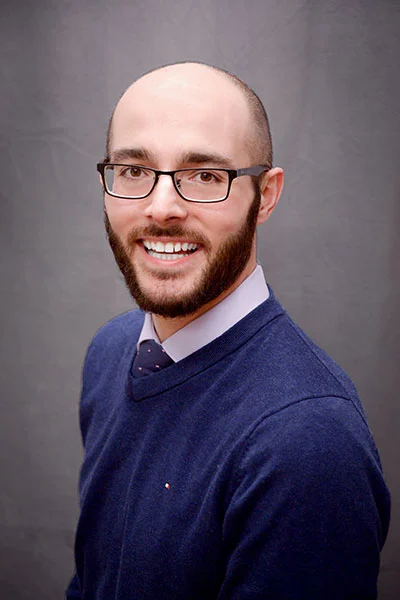
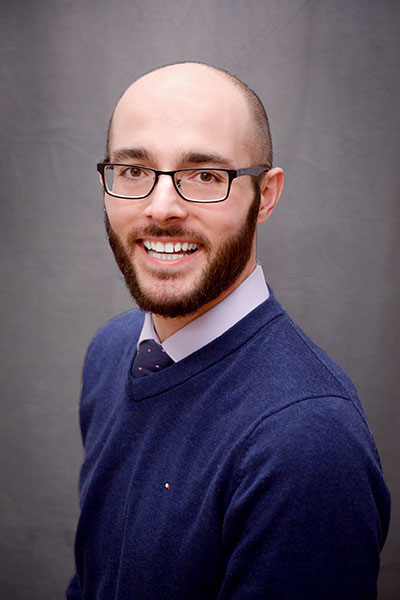
The VR SIG serves as a cornerstone for physical therapists and healthcare professionals dedicated to the niche field of vestibular rehabilitation. As chair, McPherson will oversee a platform designed to facilitate the exchange of high-level clinical knowledge and the advancement of evidence-based treatments. His appointment is seen by industry experts as a strategic move to bridge the gap between academic research and clinical application, particularly as the prevalence of vestibular dysfunction continues to pose significant public health challenges.
A Strategic Vision for Vestibular Rehabilitation
The Vestibular Rehabilitation Special Interest Group is one of eight specialized cohorts within the ANPT, a professional membership community focused on optimizing movement and well-being for individuals impacted by neurologic conditions. Under McPherson’s leadership, the VR SIG is expected to intensify its efforts in providing clinicians with the tools necessary to navigate the complexities of the human balance system. The group’s mission is deeply intertwined with that of the broader Academy, which leverages advocacy, education, and research to improve patient outcomes.
McPherson’s agenda for the VR SIG includes the continuation and expansion of several key initiatives. Among these is the "Abstract of the Week," a curated evidence update that keeps clinicians abreast of the latest peer-reviewed literature. Additionally, the group produces the peer-edited "Topics in Vestibular Therapy" newsletter and maintains a robust library of patient education fact sheets. These resources are critical in a field where patients often see multiple providers over several months before receiving an accurate diagnosis for conditions such as Benign Paroxysmal Positional Vertigo (BPPV), Meniere’s disease, or vestibular neuritis.
The collaboration between the VR SIG and VeDA is particularly significant. VeDA, a leading international advocacy organization, provides the patient-centric perspective necessary to ensure that clinical advancements translate into improved quality of life. By aligning the VR SIG’s professional expertise with VeDA’s outreach capabilities, the two organizations aim to reduce the time to diagnosis and increase the availability of specialized care.
Professional Background and Academic Contributions
Jake McPherson brings a wealth of clinical and academic experience to the chairmanship. Currently serving as a Clinical Associate Professor at the University at Buffalo, McPherson has dedicated much of his career to the intersection of education and neurologic physical therapy. His work at the university involves training the next generation of physical therapists, focusing on the intricate mechanics of the vestibular system and the neurologic pathways that govern balance and spatial orientation.
McPherson’s expertise is not confined to the classroom. He is a prominent figure in the University at Buffalo’s Comprehensive Concussion Management and Research Center. His research interests are specifically focused on the effects of concussion on vestibular and oculomotor function. This area of study has gained significant traction in recent years as the medical community seeks to better understand the long-term implications of mild traumatic brain injuries (mTBI) on balance and visual stability.
In addition to his academic roles, McPherson has been a vocal proponent of interdisciplinary collaboration. He has developed and led numerous continuing education programs for healthcare professionals, emphasizing that the management of dizziness and balance disorders requires a unified approach involving neurology, otolaryngology, primary care, and sports medicine. His ability to navigate these diverse medical specialties is expected to be a major asset in his new role as Chair of the VR SIG.
The Growing Burden of Vestibular Disorders
The appointment of new leadership within the VR SIG arrives as epidemiological data highlights the urgent need for specialized vestibular care. According to data from the National Institute on Deafness and Other Communication Disorders (NIDCD), approximately 35% of adults aged 40 years and older in the United States—roughly 69 million people—have experienced some form of vestibular dysfunction. The impact of these disorders extends beyond physical symptoms; vestibular issues are a leading cause of falls in the elderly, which in turn contribute to significant morbidity and healthcare costs.
Furthermore, the economic burden of vestibular disorders is substantial. Chronic dizziness often leads to lost productivity, increased disability claims, and a reliance on emergency department services for acute episodes. By advancing the standard of vestibular rehabilitation, the VR SIG aims to mitigate these costs through more effective, evidence-based interventions. McPherson’s focus on concussion-related vestibular issues also addresses a growing demographic of younger patients, including athletes and military personnel, who require specialized rehabilitation to return to work and sport.
Organizational Structure and Advocacy Initiatives
The Academy of Neurologic Physical Therapy, the parent organization of the VR SIG, operates as a vital component of the American Physical Therapy Association (APTA). The Academy’s structure is designed to address the highly specialized needs of various patient populations. In addition to Vestibular Rehabilitation, the Academy hosts SIGs focused on:
- Assistive Technology/Seating & Wheeled Mobility
- Balance and Falls
- Brain Injury
- Degenerative Diseases
- Spinal Cord Injury
- Stroke
- Residency & Fellowship
This multifaceted structure allows the ANPT to advocate for policy changes at the national level while providing granular support for clinicians in the field. The VR SIG, specifically, provides a forum for discussing the challenges of patient care, such as the management of complex cases involving central vestibular disorders or the integration of new technologies like virtual reality (VR) and wearable sensors in rehabilitation protocols.
McPherson’s role will involve coordinating with the chairs of these other SIGs to ensure a holistic approach to neurologic health. For instance, the overlap between the "Balance and Falls" SIG and the "Vestibular Rehabilitation" SIG is significant, as vestibular deficits are a primary contributor to postural instability.
Looking Ahead: The 2026 ANPT Annual Conference
A major milestone on the horizon for the VR SIG and the broader neurologic physical therapy community is the 2026 ANPT Annual Conference. Scheduled to take place from September 17-19, 2026, in Minneapolis, Minnesota, the conference serves as the premier gathering for professionals in the field. VeDA has already confirmed its role as a conference sponsor, signaling its continued commitment to supporting the professional development of vestibular therapists.
The conference is expected to feature a wide array of programming, including platform presentations on the latest research findings, instructional courses on advanced clinical techniques, and networking sessions designed to foster collaboration across geographic regions. For the VR SIG, the conference represents an opportunity to showcase new clinical guidelines and to engage with members on the future direction of the specialty.
Under McPherson’s guidance, the VR SIG is likely to emphasize the importance of "knowledge translation"—the process of ensuring that scientific discoveries are effectively communicated to and implemented by frontline clinicians. This is particularly relevant as the field moves toward more personalized medicine, where rehabilitation programs are tailored to the specific physiologic and neurologic profile of the individual patient.
Implications for Clinical Practice and Patient Care
The leadership of Jake McPherson is expected to have a tangible impact on how vestibular rehabilitation is practiced. One of the primary goals of the VR SIG under his tenure will be to promote the use of standardized outcome measures. By encouraging clinicians to use consistent metrics to track patient progress, the SIG helps build a more robust body of data that can be used to advocate for the efficacy of physical therapy interventions to payers and policy makers.
Moreover, the emphasis on interdisciplinary care is likely to improve the patient experience. When physical therapists, ENTs, and neurologists work in concert, patients receive more comprehensive care that addresses both the underlying pathology and the functional impairments resulting from it. McPherson’s history of working with the University at Buffalo’s concussion center provides a template for this type of collaborative model.
As the VR SIG enters this new chapter, the focus remains steadfast on the mission of the ANPT: to optimize movement and well-being for those at risk for or impacted by neurologic conditions. With a combination of academic rigor, clinical expertise, and a commitment to advocacy, Jake McPherson is positioned to lead the VR SIG toward a future where high-quality vestibular care is accessible to all who need it.
The transition in leadership reflects a broader trend within the healthcare industry toward specialization and the elevation of evidence-based practice. As vestibular rehabilitation continues to evolve, the efforts of the VR SIG, supported by organizations like VeDA, will remain essential in navigating the complexities of the human balance system and improving the lives of millions of individuals worldwide.