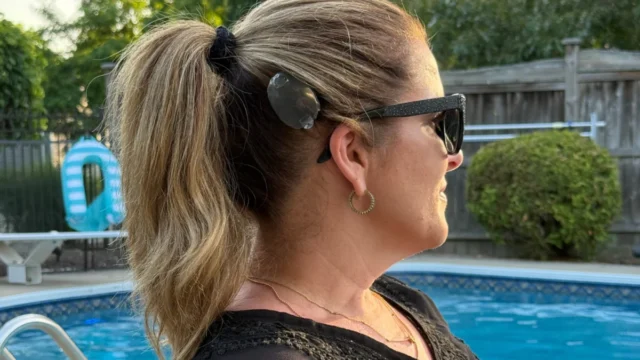

Understanding the Cochlear Implant Landscape
Cochlear implants are sophisticated electronic devices that bypass damaged parts of the ear to directly stimulate the auditory nerve, offering a pathway to sound and speech understanding for individuals with severe to profound sensorineural hearing loss who do not benefit sufficiently from conventional hearing aids. The journey typically begins with a thorough audiological evaluation, followed by medical consultations to determine candidacy. Once deemed suitable, the implantation surgery is performed, and after a period of healing, the external sound processor is activated. The subsequent rehabilitation phase, which involves extensive auditory training and practice, is paramount to achieving optimal results. This period of adaptation and learning is where individual expectations play a significant role in shaping the overall experience and outcomes.
The Expectations Questionnaire: A Tool for Informed Engagement
The questionnaire, a cornerstone of this proactive approach, is designed to facilitate a deep dive into an individual’s perceptions and aspirations regarding cochlear implantation. It delves into sixteen key statements, prompting users to consider their beliefs and hopes across various facets of post-implantation life. Each statement serves as a springboard for contemplation, encouraging a realistic assessment of what the cochlear implant can and cannot achieve, and what personal investment is required for success.
The statements within the questionnaire cover a broad spectrum of potential experiences, including:
- Daily Wear and Adjustment: Understanding the necessity of consistent wear of the external device for optimal benefit, and acknowledging that an adjustment period is a normal and expected part of the process.
- Rehabilitation and Support: Recognizing the critical role of dedicated listening training and the invaluable support from family and caregivers in developing auditory skills.
- Auditory Perception: Exploring expectations regarding the ability to hear quiet sounds, localize sound sources, and the nuances of speech understanding, including comprehension in noisy environments and participation in group conversations.
- Speech and Language Development: Addressing the potential for improved speech and language skills, particularly for individuals where these are current concerns.
- Quality of Life Enhancements: Considering the enjoyment of music and the ability to utilize the telephone effectively.
- Bilateral Implantation Considerations: Acknowledging the potential benefits and considerations of wearing a hearing device in the other ear, if applicable.
By encouraging users to respond to these statements, the questionnaire aims to bridge any potential disconnect between perceived outcomes and the realities of the cochlear implant journey. This proactive self-assessment can help manage expectations, foster a sense of agency, and ultimately contribute to a more positive and successful rehabilitation experience.
The Significance of Setting Realistic Expectations
The importance of realistic expectations in the cochlear implant journey cannot be overstated. While cochlear implants can be life-changing technologies, they are not a magical cure for hearing loss. Success is a collaborative effort between the technology, the surgical outcome, and the individual’s commitment to rehabilitation.
Supporting Data and Research: Studies have consistently shown that individuals who approach cochlear implantation with realistic expectations tend to report higher levels of satisfaction and greater functional gains. For instance, research published in journals such as the Journal of the American Academy of Audiology has highlighted the correlation between pre-operative expectation management and post-operative outcomes, including improved speech perception and overall quality of life. A meta-analysis of several studies indicated that patients who received comprehensive pre-implant counseling, including detailed discussions about potential outcomes and rehabilitation requirements, demonstrated significantly better adaptation and reported fewer instances of unmet expectations.
Furthermore, the timeline for achieving optimal results can vary considerably. While some individuals begin to notice significant improvements within weeks of activation, for others, it can take several months, or even up to a year, of consistent practice and auditory training to fully adapt to their new hearing experience. The questionnaire implicitly guides users to consider this temporal aspect, encouraging them to anticipate a process rather than an instant transformation.
Chronology of the Cochlear Implant Journey and Expectation Management
The journey typically unfolds across several key stages, each offering an opportunity for expectation refinement:
- Initial Consultation and Evaluation: This is the first point of contact where candidacy is assessed. Audiologists and surgeons discuss the nature of hearing loss, the potential benefits of a cochlear implant, and the initial surgical process.
- Pre-Operative Counseling: Following candidacy confirmation, more in-depth counseling occurs. This is a crucial period for introducing tools like the expectations questionnaire, allowing individuals and their families to explore their hopes and concerns. Information regarding rehabilitation protocols, potential challenges, and realistic timelines is provided.
- Surgery: The surgical implantation of the device.
- Healing Period: A period of several weeks where the surgical site heals before the external processor is activated.
- Activation and Initial Fitting: The external sound processor is switched on. This is often a gradual process, with initial sound impressions being refined over subsequent appointments.
- Auditory Rehabilitation and Therapy: This ongoing phase is critical. It involves structured listening exercises, speech therapy, and strategies for integrating sound into daily life. The effectiveness of this stage is heavily influenced by the individual’s commitment and their pre-established expectations.
- Long-Term Follow-Up: Regular appointments with the audiology team to monitor device performance, adjust programming, and address any ongoing concerns.
The expectations questionnaire is most impactful when integrated into the pre-operative counseling phase. By completing it prior to activation, individuals can have their responses reviewed with their care team, allowing for a personalized discussion about their specific hopes and any potential misalignments with established evidence-based outcomes.
Official Responses and Expert Perspectives
Medical professionals and organizations involved in cochlear implantation universally endorse the principle of managing patient expectations. Dr. Eleanor Vance, a leading audiologist specializing in cochlear implants at a prominent metropolitan hospital, commented, "The ‘expectations questionnaire’ is an invaluable tool. It proactively addresses potential anxieties and misconceptions that can arise. When patients have a clearer understanding of what to anticipate – the effort involved in rehabilitation, the gradual nature of progress, and the fact that hearing with a cochlear implant is different from typical hearing – they are better equipped to navigate the process successfully. We often see that individuals who engage with these types of tools report higher satisfaction levels and a greater sense of control over their hearing journey."
The MED-EL Corporation, a global leader in hearing implant solutions, consistently emphasizes the importance of patient education and support. Their commitment to developing such resources underscores a broader industry understanding that technological innovation must be paired with robust patient engagement strategies to achieve optimal therapeutic benefits. A spokesperson for MED-EL stated, "Our goal is to empower individuals with hearing loss to regain access to sound and improve their quality of life. This involves not only providing cutting-edge technology but also equipping them with the knowledge and tools to navigate their unique journey. The expectations questionnaire aligns perfectly with this philosophy, fostering informed decision-making and setting the stage for successful rehabilitation."
Broader Impact and Implications for Hearing Healthcare
The implications of tools like the expectations questionnaire extend beyond individual patient outcomes. They contribute to a more efficient and effective healthcare system by:
- Reducing Patient Dissatisfaction: By aligning expectations with reality, the likelihood of post-operative disappointment is significantly diminished, leading to greater patient satisfaction and trust in the healthcare provider.
- Optimizing Rehabilitation Resources: When patients have a clearer understanding of the rehabilitation process, they are more likely to be engaged and committed, making the most of therapy sessions and ultimately requiring less intensive intervention over time.
- Enhancing the Patient-Provider Relationship: Open and honest discussions about expectations, facilitated by tools like the questionnaire, foster a stronger and more collaborative relationship between patients and their care teams.
- Informing Future Technological Development: Feedback gathered from patients using such questionnaires can provide valuable insights to manufacturers and researchers, helping to refine implant technologies and rehabilitation strategies.
The 16-item questionnaire serves as a vital bridge, connecting the complex reality of cochlear implantation with the deeply personal hopes and aspirations of individuals seeking to restore their hearing. By encouraging reflection, fostering informed dialogue, and promoting active participation in the rehabilitation process, this tool represents a significant step forward in ensuring that the transformative potential of cochlear implantation is fully realized for every recipient. It underscores a patient-centered approach, where understanding and preparation are as crucial as the technological advancements themselves.
© MED-EL Medical Electronics. All rights reserved. The content on this website is for general informational purposes only and should not be taken as medical advice. Contact your doctor or hearing specialist to learn what type of hearing solution suits your specific needs. Not all products, features, or indications are approved in all countries.