The Genesis of Anatomy-Based Fitting: A Quest for Natural Sound
For decades, the primary goal of cochlear implant technology has been to restore a sense of hearing to individuals with severe to profound hearing loss. While advancements have been significant, the perceived "artificiality" of the sound has remained a persistent challenge for many. Traditional fitting methods, while effective, often relied on generalized models of the cochlea and auditory pathways. This could lead to a disconnect between the electrical stimulation delivered by the implant and the natural tonotopic organization of the cochlea, where different frequencies are processed at specific locations.
The development of MED-EL’s Anatomy-Based Fitting (ABF) represents a pivotal evolution in this landscape. It emerged from a growing understanding of the critical importance of individual cochlear anatomy and the desire to create a more intuitive and comfortable auditory experience. The core principle of ABF is to move beyond generic fitting strategies and embrace a highly personalized approach. This is achieved by utilizing post-operative imaging of the cochlea, coupled with sophisticated software like MED-EL’s OTOPLAN. This technology allows audiologists to visualize the precise location of each electrode contact within the patient’s unique cochlear structure. By mapping sound frequencies to these specific electrode positions, ABF aims to more closely replicate the natural tonotopic mapping of sound within the cochlea. This meticulous alignment is intended to create a sound experience that is not just clearer or louder, but fundamentally more natural and intuitive.
User Testimonials: A Tapestry of Transformed Hearing Experiences
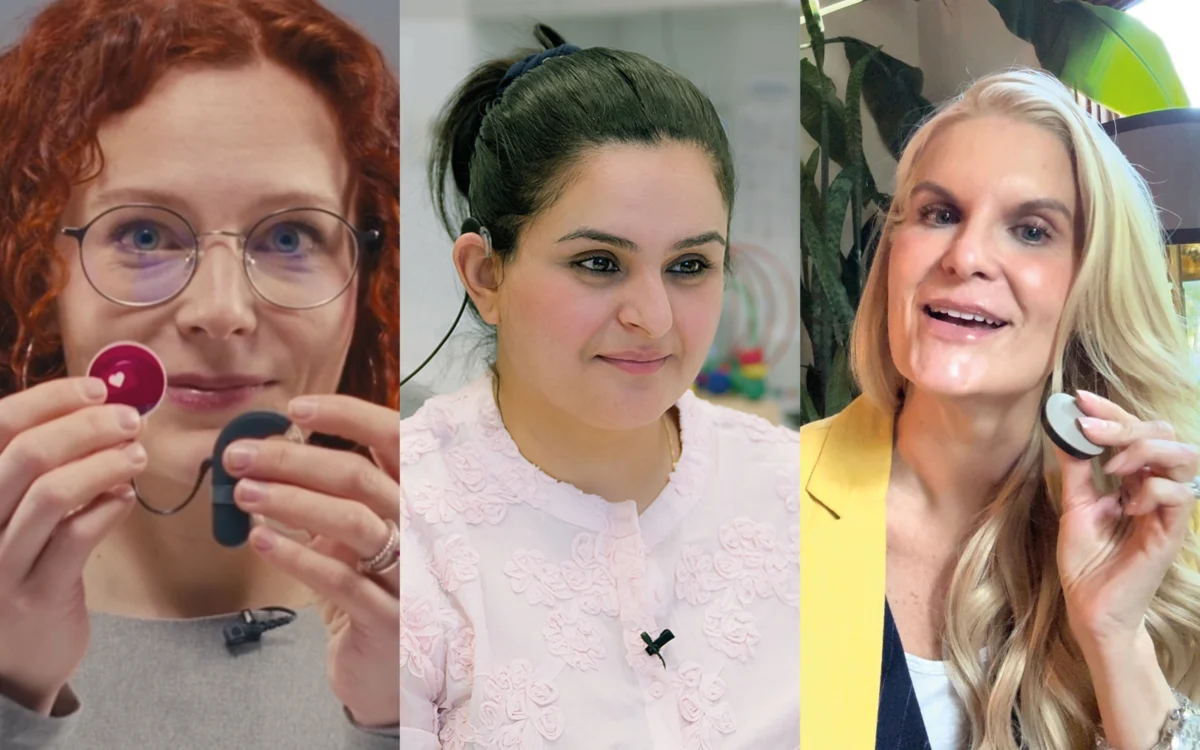
The true impact of ABF is best understood through the lived experiences of those who have embraced it. Mariia, Nandini, and Tracie, each with a distinct hearing journey, offer compelling accounts of how ABF has reshaped their auditory perception.
Mariia: Reclaiming the Natural Cadence of Voice and Music
Mariia, a neuroscientist and bilateral cochlear implant user from Russia, had previously relied on conventional fitting methods for years. Her transition to ABF marked a significant shift, primarily characterized by a newfound sense of comfort. "The biggest change was comfort," she stated. For Mariia, a subtle but persistent mismatch in the sound of her own voice had been a long-standing concern. With ABF, this dissonance vanished. "My own voice, which had sounded slightly off for years, suddenly sounded natural again." This restoration of familiarity extended to her appreciation of music, which she now describes as "fuller." For Mariia, ABF didn’t deliver a miraculous overhaul but rather a sophisticated refinement, removing the last vestiges of auditory strangeness and ushering in an era of effortless listening. Her experience highlights how subtle improvements in sound quality can have a profound impact on overall well-being and self-perception.
Nandini: A Seamless Integration of Sound and Sensation
Nandini, a bimodal user from the UK who has experienced lifelong progressive hearing loss, noticed the benefits of ABF almost immediately. Her description emphasizes a qualitative transformation in the soundscape: "The sound felt less tinny, less robotic, smoother, and easier on the brain." This shift transcended mere auditory perception, influencing her entire sensory experience. "For her, ABF didn’t just change the sound—it changed how listening felt in her whole body." She characterized this as a profound sense of "relief," as if her auditory system had finally found a state of equilibrium. This suggests that ABF’s ability to align sound coding more naturally can reduce the cognitive load associated with processing sound, leading to a more relaxed and integrated listening experience.
Tracie: Bridging the Gap Between Natural and Implanted Hearing
Tracie, a user from the US with single-sided deafness whose hearing loss was sudden, offers a perspective on ABF’s adaptive capabilities. Initially, after months on a default map, ABF required a period of adjustment and "fresh effort." However, Tracie’s perseverance was driven by an intuitive understanding of ABF’s potential. Over time, the results were transformative, enabling her implant to better "twin" with her natural hearing ear. This synergy significantly improved her comfort and allowed her to experience sound quality that she rated as "very natural." Tracie’s experience underscores that while ABF is designed for immediate benefits, its full potential can be realized through active engagement and a willingness to adapt to a more finely tuned auditory input.
The Science Behind the Natural Sound: How ABF Works
Anatomy-Based Fitting is not a mere technological enhancement; it is a fundamentally different approach to programming cochlear implants. The natural auditory system operates on a principle known as tonotopicity, where different frequencies are processed by specific regions along the basilar membrane within the cochlea. High frequencies are typically processed near the base, while low frequencies are processed near the apex.
ABF seeks to replicate this natural tonotopic organization with unprecedented precision. The process begins with post-operative imaging, often employing high-resolution CT scans. These scans provide a detailed 3D map of the individual’s cochlea, including the precise placement of the cochlear implant’s electrode array. MED-EL’s OTOPLAN software then utilizes this imaging data to create a personalized map. This map guides the audiologist in aligning the electrical stimulation delivered by the implant to the specific locations of the electrode contacts. Instead of relying on generalized assumptions about electrode positions, ABF uses the actual anatomical data. This allows for a more accurate mapping of frequency bands to electrode stimulation, thereby mimicking the natural tonotopic gradient of the cochlea. This sophisticated level of personalization aims to reduce the "smearing" of sound frequencies that can occur with less precise fitting methods, leading to improved sound quality and a more natural listening experience.
The "Wow" Moments: Unforgettable Encounters with Sound
Beyond the technical advancements, the most compelling evidence of ABF’s efficacy lies in the spontaneous expressions of delight and rediscovery reported by users. These "wow" moments, often occurring during everyday activities, highlight the profound impact of natural-sounding audio.
For Mariia, a pivotal moment was the simple act of hearing her own voice and recognizing it with absolute certainty: "That’s me." The constant presence of one’s own voice makes even minor auditory mismatches highly noticeable. ABF’s ability to restore the natural resonance of her voice eliminated this subtle but persistent intrusion. Furthermore, she observed that environmental sounds on her newly implanted side began to sound "closer to natural sooner" than with her previous fitting, accelerating her integration into the auditory world.
Nandini’s memorable experience involved not just the sound of a can of soda being opened, but the nuanced "fizz" of the beverage. This detailed auditory perception, encompassing the tiny bubbles and textural nuances, represented a rediscovery of sensory information she had long missed. She summarized this transformation as sound becoming "less artificial, less robotic, and more natural."
Tracie’s "wow" moment occurred in a challenging, noisy environment. Instead of being overwhelmed by a cacophony of sounds, she experienced her brain actively organizing the auditory input. This shift transformed complex listening from an exhausting ordeal into a "purposeful" activity, fostering new auditory skills and building confidence in her ability to navigate loud social settings. This suggests ABF’s contribution to enhanced auditory processing and cognitive engagement.
Adaptation and the Brain’s Role: A Collaborative Journey
While ABF offers a highly personalized starting point, it is crucial to recognize that the brain remains the ultimate processor of sound. The full benefits of ABF are not always instantaneous and require a period of adaptation. MED-EL emphasizes that ABF is a sophisticated, individualized fitting after surgery, but the brain’s capacity to learn and adapt plays an equally vital role.
Mariia experienced a swift adjustment period, finding her optimal listening experience within days. Nandini, on the other hand, noted that reaching her peak auditory performance took several months. Tracie described the initial transition as a "temporary reset" that necessitated active listening practice, patience, and commitment. Across these diverse experiences, a consistent message emerges: while ABF provides a superior foundation, the user’s dedication to the adaptation process is paramount. This involves consistent listening, engaging in auditory rehabilitation exercises, and working closely with their audiologist to fine-tune the device settings as their brain becomes more accustomed to the natural sound input.
User Recommendations and the Broader Impact of ABF
The consistent positive feedback from users like Mariia, Nandini, and Tracie has led to strong recommendations for Anatomy-Based Fitting. The core appeal of ABF lies in its ability to facilitate a "better relationship with sound." Users report reduced listening strain, enhanced comfort, more realistic pitch perception, a voice that feels authentically their own, and increased confidence in various social and professional situations. The enhanced appreciation for music is also a frequently cited benefit.
Three key advantages consistently emerge from user feedback:
- Enhanced Sound Quality: ABF’s precise mapping leads to clearer, more natural, and less distorted sound, allowing users to perceive a wider range of auditory details.
- Improved Comfort and Reduced Listening Effort: By better mimicking natural auditory processing, ABF reduces the cognitive load associated with listening, making extended periods of sound perception more comfortable and less fatiguing.
- Greater Personalization and Naturalness: The individual-specific approach ensures that the fitting aligns with the unique anatomy of each cochlea, leading to a hearing experience that feels more intuitive and less artificial.
For individuals willing to invest the time and effort in the adaptation process, ABF offers a more personalized and ultimately more rewarding hearing experience. This can significantly improve quality of life, enabling greater participation in social activities, enhanced communication, and a richer engagement with the world.
The Future of Cochlear Implantation: Hearing That Truly Fits
At its heart, Anatomy-Based Fitting embodies a fundamental shift in the philosophy of cochlear implantation: hearing should be as unique as the individual. By meticulously considering the intricate architecture of each cochlea, ABF moves cochlear implant technology closer to replicating the nuances of natural hearing, not just in its functional output but in its very feel.
The transformative experiences of Mariia, Nandini, and Tracie are not isolated incidents but indicators of a broader trend. This technology is not merely about restoring hearing; it is about restoring a natural, comfortable, and deeply personal connection to the auditory world. For individuals who have lived with hearing loss, this shift can profoundly alter how they perceive their environment, communicate with others, and experience the richness of life. As ABF continues to evolve and become more widely adopted, it promises a future where cochlear implants offer not just sound, but a truly personalized and natural hearing experience that resonates with each individual’s unique being. The ongoing advancements in this field suggest that the pursuit of hearing that "finally feels right" is no longer a distant aspiration but an increasingly attainable reality for cochlear implant users worldwide.