Defining the Condition: Microtia and Atresia
Microtia is a congenital deformity characterized by an underdeveloped or absent external ear (pinna), while atresia refers to the absence or blockage of the ear canal. These conditions often occur concurrently, resulting in varying degrees of conductive hearing loss. When this occurs in only one ear, it is clinically identified as unilateral hearing loss (UHL) or single-sided deafness (SSD).
For decades, the medical community largely viewed unilateral hearing loss as a "mild" condition that did not necessitate aggressive intervention. However, recent longitudinal studies have fundamentally shifted this clinical perspective. Data now indicate that children with UHL face significant developmental hurdles compared to their peers with bilateral hearing, particularly in complex acoustic environments such as noisy classrooms or social settings where sound localization and signal-to-noise ratio management are essential.
The Developmental Timeline and Clinical Implications
The implications of untreated UHL are cumulative. In early childhood, the brain’s neuroplasticity is at its peak, making the first three years of life the most critical period for auditory development. Without adequate auditory input, a child may struggle with spatial awareness, the ability to isolate specific voices from background noise, and the incidental learning that typically occurs through overhearing conversations.
As children enter the school system, the challenges often become more pronounced. Research suggests that students with UHL are at an increased risk for academic fatigue, as the cognitive load required to compensate for a lack of binaural input—the brain’s ability to process sound from both ears simultaneously—can lead to exhaustion. Left unaddressed, these difficulties can manifest as delayed expressive language skills, lower self-esteem, and social withdrawal, as children may feel overwhelmed by the effort required to participate in group interactions.
The Role of Listening and Spoken Language (LSL)
Listening and Spoken Language (LSL) education has emerged as a gold-standard approach for children navigating these challenges. LSL emphasizes the development of brain-based listening skills, utilizing residual hearing—often augmented by hearing technology—to foster the acquisition of spoken language.
The methodology is not merely about amplification; it is a pedagogical strategy that coaches families to optimize the child’s home and school environment. By integrating audiology, speech-language pathology, and early education, LSL programs provide a scaffolding that allows children to transition from passive listeners to active, confident communicators. Programs such as those offered by Listen and Talk, a specialized social impact enterprise, represent this multidisciplinary approach, offering birth-to-three services, blended classrooms, and clinical audiology support designed to bridge the gap between diagnosis and functional independence.
Case Study: The Journey of Adeline
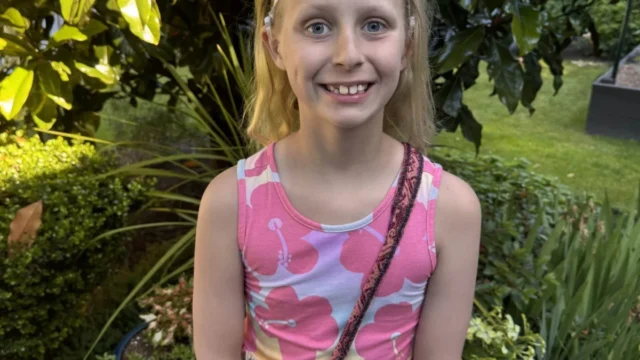
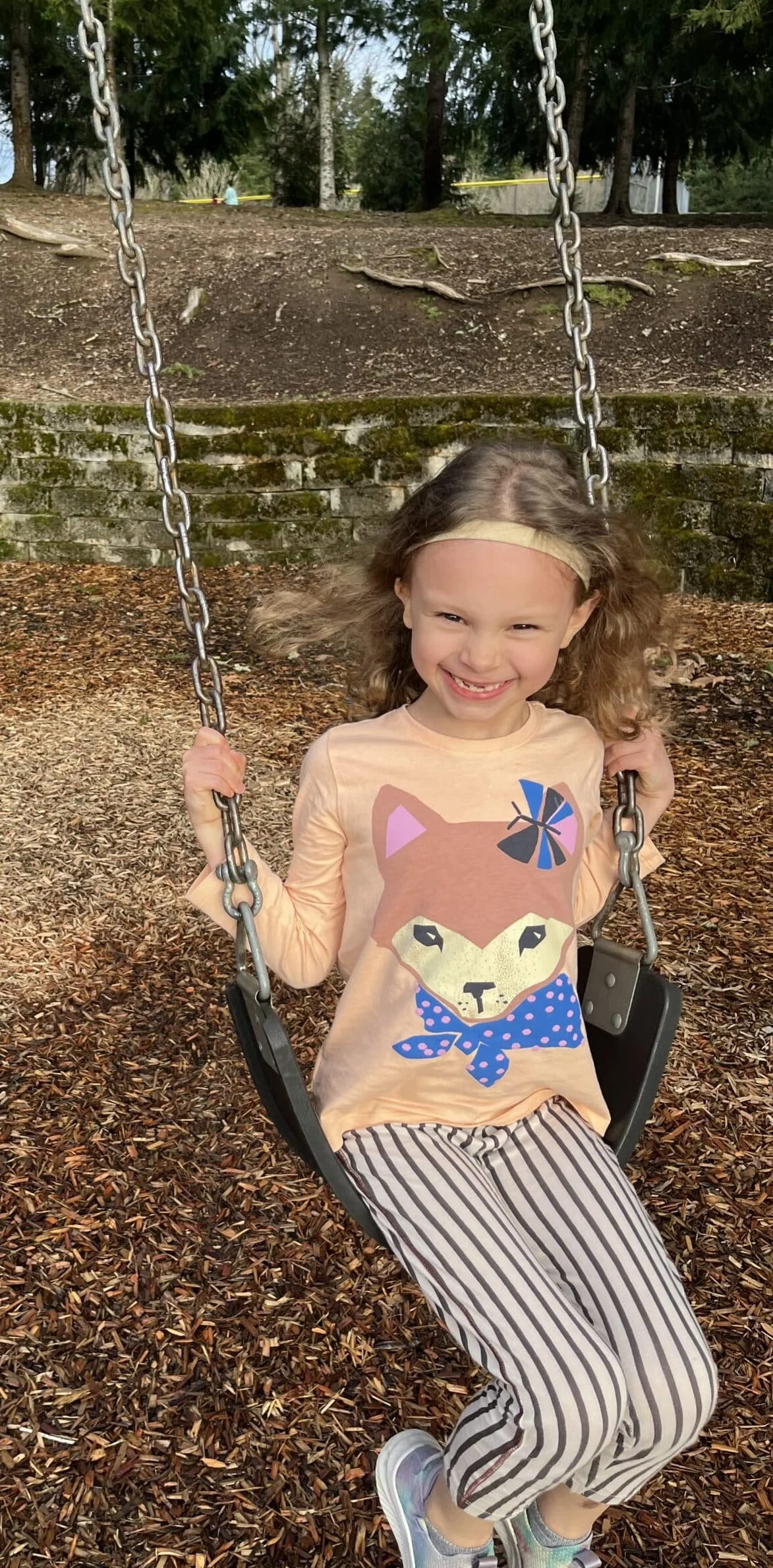
The effectiveness of these interventions is best illustrated through individual patient journeys. Adeline, a young girl diagnosed with unilateral moderate-to-severe conductive hearing loss at five weeks of age, serves as a case study for the success of early intervention. Subsequent diagnostics revealed that her condition was exacerbated by atresia, with the middle ear bones fused to her skull and a complete absence of an ear canal.
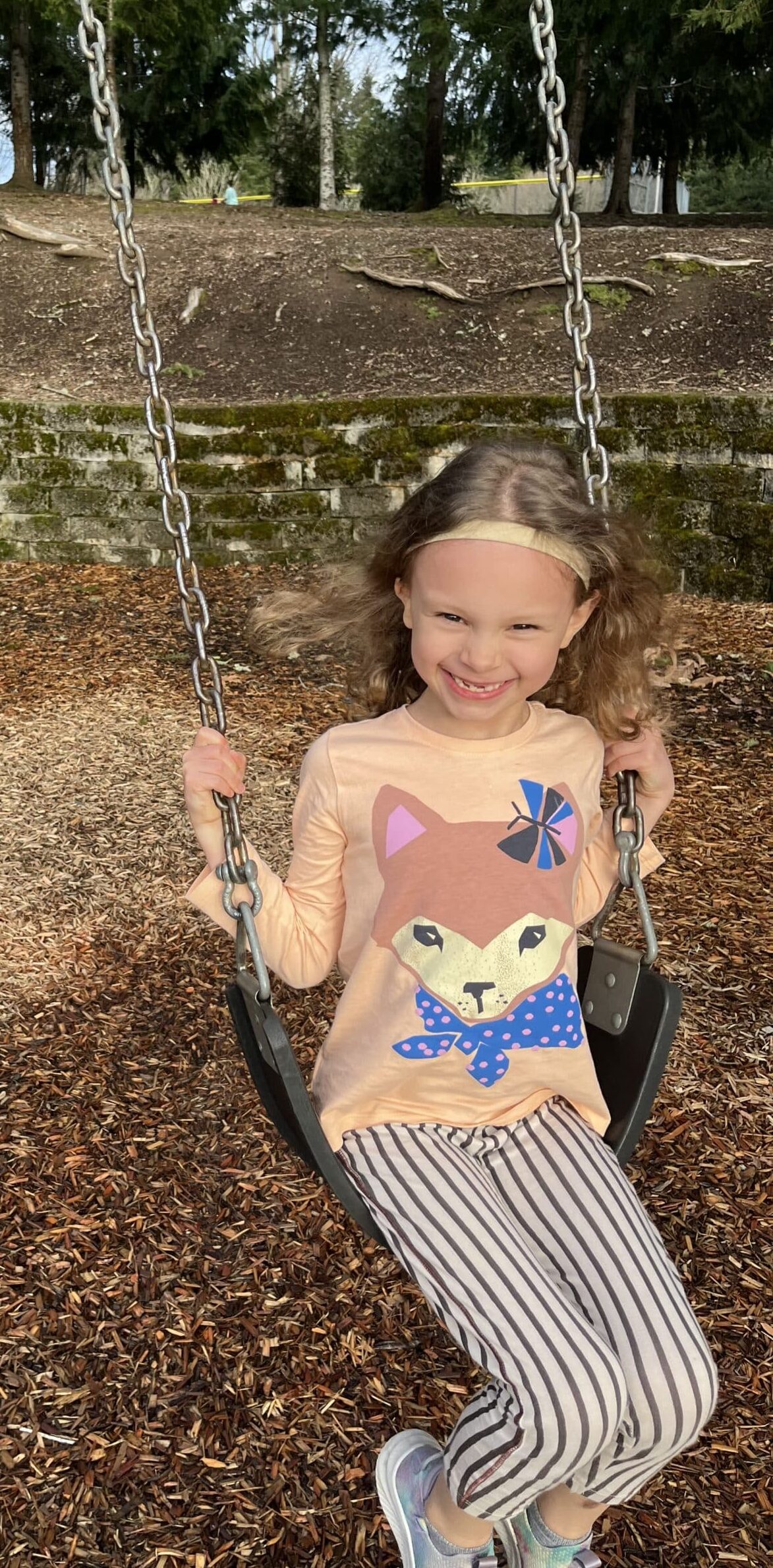
For Adeline’s family, the initial diagnosis was a period of significant uncertainty. Her mother, Jessie, recalls the initial challenges: "Adeline had to work much harder to communicate and learn. She struggled to localize sound, and she would rarely communicate outside of our immediate, safe spaces. We saw clear signs of listening fatigue—she would become frustrated when she couldn’t parse the noise in a room, and that fatigue would often manifest as social anxiety."
The intervention provided by specialized educators focused on two fronts: immediate support and long-term advocacy. By teaching the family how to navigate healthcare and educational systems, the therapy team transitioned from primary guides to empowering coaches. Today, as a thriving first grader, Adeline serves as an example of what is possible when professional support aligns with early, consistent advocacy. She is currently a member of her school choir and possesses the self-advocacy skills to explain her condition and her Ponto hearing technology to peers and educators alike.
Analytical Overview: Why Early Intervention Matters
The broader impact of National Microtia Atresia Awareness Day lies in its call to action for early screening and professional intervention. According to industry data, early detection programs in hospitals have drastically reduced the age of diagnosis, yet the transition from diagnosis to consistent, evidence-based therapy remains a bottleneck for many families.
The analysis of current trends suggests three primary benefits to the LSL approach:
- Auditory Brain Development: By stimulating the auditory pathways early, children develop the ability to process sound more efficiently, even with a single functioning ear.
- Cognitive Efficiency: Targeted strategies reduce the "listening effort" required in noisy environments, allowing the child to reserve mental energy for learning and academic tasks.
- Psychosocial Resilience: Providing a child with the vocabulary to explain their own hearing needs fosters independence and self-advocacy, which are essential for long-term social and academic success.
Resources and the Future of Support
For families currently navigating a diagnosis of microtia and atresia, the path forward involves a combination of medical consultation, educational advocacy, and local support networks. Organizations such as Washington Hands and Voices and clinical centers like Listen and Talk provide frameworks that move beyond medical management to focus on the holistic growth of the child.
As we look to the future, the focus is shifting toward "no child is limited by hearing loss." This vision requires sustained funding for early intervention, research into the efficacy of bone-anchored hearing systems, and, crucially, a shift in public perception. Awareness is the first step in ensuring that children like Adeline are not just integrated into society, but are empowered to lead, perform, and communicate with the same confidence as their hearing peers.
Supporting the Infrastructure of Care
The sustainability of these programs relies heavily on public and private contributions. Social impact enterprises that offer speech therapy, audiologic testing, and parent education classes face the constant challenge of resource allocation. Funding allows these organizations to offer scholarships and outreach services that ensure quality care is not limited by a family’s socioeconomic status.
As National Microtia Atresia Awareness Day continues to grow, it serves as a reminder that congenital conditions like MA are not merely medical diagnoses but life-altering experiences that require a village of support. By investing in the tools of communication, society ensures that the potential of every child remains boundless, regardless of their auditory profile. Whether through donating to support specialized classrooms or advocating for better screening protocols, the collective effort of the community remains the most effective engine for progress in the field of pediatric hearing loss.