
The Evolution of Tinnitus Advocacy and Support
The history of organized tinnitus advocacy in the UK dates back several decades, emerging from the necessity to provide clinical guidance in an era where medical understanding of the condition was largely fragmented. Tinnitus UK, formerly known as the British Tinnitus Association, has spent years building a repository of knowledge that bridges the gap between complex audiological research and patient-centered daily management.
The current membership model represents an evolution of this service, moving from a static information provider to an interactive ecosystem. Over the past twenty-four months, the organization has shifted its strategic focus toward digital accessibility. This transition responds to data indicating that digital literacy among tinnitus patients has increased, as has the demand for on-demand expert consultation. The introduction of the membership pack—a blend of physical resources and digital access—serves to formalize this commitment to both legacy support methods and modern technological engagement.
Core Pillars of the Membership Program
The membership framework is built upon five foundational pillars, each designed to address a specific aspect of the tinnitus experience, from initial diagnosis to long-term wellbeing.
1. The Welcome Pack: A Foundation of Understanding
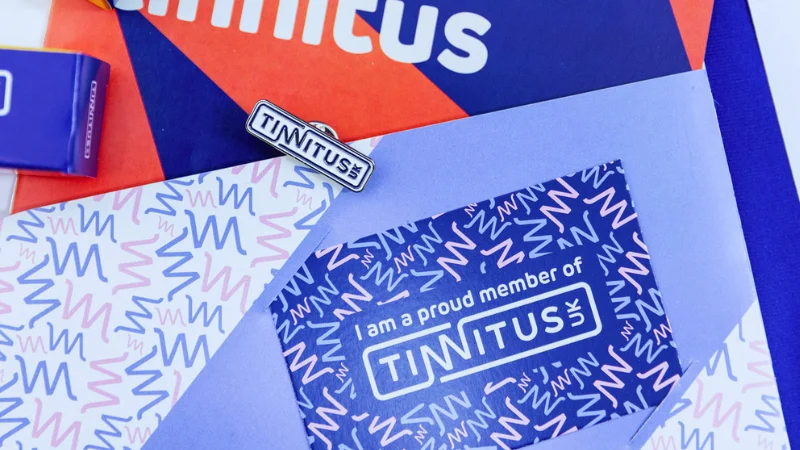
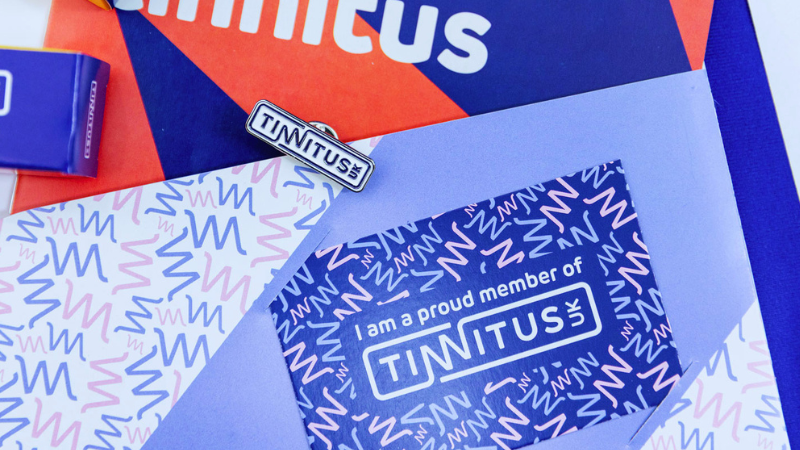
Upon registration, members receive a physical welcome kit, which acts as a tangible point of entry. Included is a personal welcome letter, a membership card, and an official Tinnitus UK pin badge. Perhaps most critically, the pack features the "Living with Tinnitus" guide. This document is the result of years of collaborative work between audiologists, psychologists, and patient advocacy groups. It serves as a comprehensive primer for those who have recently been diagnosed, offering evidence-based strategies for habituation—a psychological process that allows the brain to filter out the sound of tinnitus over time.
2. Expert-Led Live Webinars
One of the most significant advantages for members is the exclusive access to live webinar sessions. These are not general information sessions; they are curated events hosted by recognized experts in the fields of audiology, cognitive behavioral therapy (CBT), and otolaryngology. Data suggests that patients who engage in structured educational programs report lower levels of distress compared to those who seek unverified information online. By providing a platform where members can ask questions directly to clinicians, Tinnitus UK is effectively democratizing access to high-level specialized care. Furthermore, the inclusion of an on-demand archive in the members’ hub ensures that participants can revisit topics such as sound therapy techniques or stress management strategies at their own pace.
3. QUIET Magazine: Research and Personal Narratives
The annual publication, QUIET magazine, functions as the heartbeat of the community. It serves a dual purpose: disseminating the latest clinical research in an accessible format and sharing personal stories that combat the isolation often felt by those with the condition. The inclusion of free access to previous editions ensures that new members can immediately benefit from a historical archive of management tips, expert interviews, and news regarding advancements in medical treatments.
4. The FOCUS Newsletter: Staying Informed
Information on tinnitus research is fast-moving, yet often sequestered within academic journals that are inaccessible to the general public. The monthly FOCUS newsletter synthesizes this research, providing members with timely updates on ongoing trials, legislative changes affecting hearing health, and local support group events. For professionals—including audiologists and general practitioners—the specific professional edition of the newsletter serves as a vital bridge to continuing professional development (CPD) opportunities, ensuring that those treating patients are informed of the latest best practices in the field.

5. Democratic Participation: The AGM
Perhaps the most distinct aspect of the membership is the right to vote in the Annual General Meeting (AGM). This ensures that the charity remains accountable to those it serves. By participating in the AGM, members play a role in defining the strategic direction of Tinnitus UK, effectively influencing the priorities of the organization for the coming year.
Strategic Implications and Analytical Context
From an analytical perspective, the Tinnitus UK membership model is a strategic response to the increasing burden of tinnitus on public health systems. With NHS waiting lists for audiology services remaining under pressure, charitable organizations have become critical partners in the continuum of care. By offering a membership at a cost of £30 per year, the charity is able to subsidize its core functions—such as lobbying for research funding and maintaining the national helpline—while providing direct value to the subscriber.
The economic implications are clear: the cost-to-benefit ratio for members is high. Access to expert webinars and proprietary literature often exceeds the annual fee, particularly when compared to the cost of private consultations. More importantly, the social capital gained by joining a community of like-minded individuals is a significant factor in the mental health outcomes of patients. Research consistently shows that peer support and active community participation are predictors of successful long-term management of chronic auditory conditions.

Official Stance and Future Projections
Representatives from the organization emphasize that while the £30 fee covers administrative and resource costs, the primary objective remains the pursuit of a cure. "Our vision is a world without tinnitus," a spokesperson noted during a recent briefing. "Every member who joins helps us move closer to that reality, not just through their contribution, but by strengthening the collective voice of the tinnitus community. When we speak as a unified group, we are better positioned to influence government policy and push for greater investment in research."
The timeline for these initiatives is set against a backdrop of increasing innovation in the field of tinnitus treatment. Following advancements in neuromodulation and the development of new sound-therapy applications, the next decade is expected to be a period of significant progress. By fostering a large, informed, and active membership base, Tinnitus UK is positioning itself as the primary stakeholder in this transition.
Conclusion: Joining the Effort
For individuals living with tinnitus, the choice to become a member is both a personal decision regarding their own care and a broader contribution to the national discourse on hearing health. By providing tools for self-management, access to professional insights, and a platform for democratic involvement, Tinnitus UK has created a comprehensive framework that addresses both the psychological and practical challenges of the condition. As the organization continues to grow its reach, the value of this membership is likely to increase, cementing its role as an essential resource for the millions of people in the UK navigating life with tinnitus. Those interested in the program can register via the official Tinnitus UK portal, securing their place in a growing network dedicated to quietening the noise.