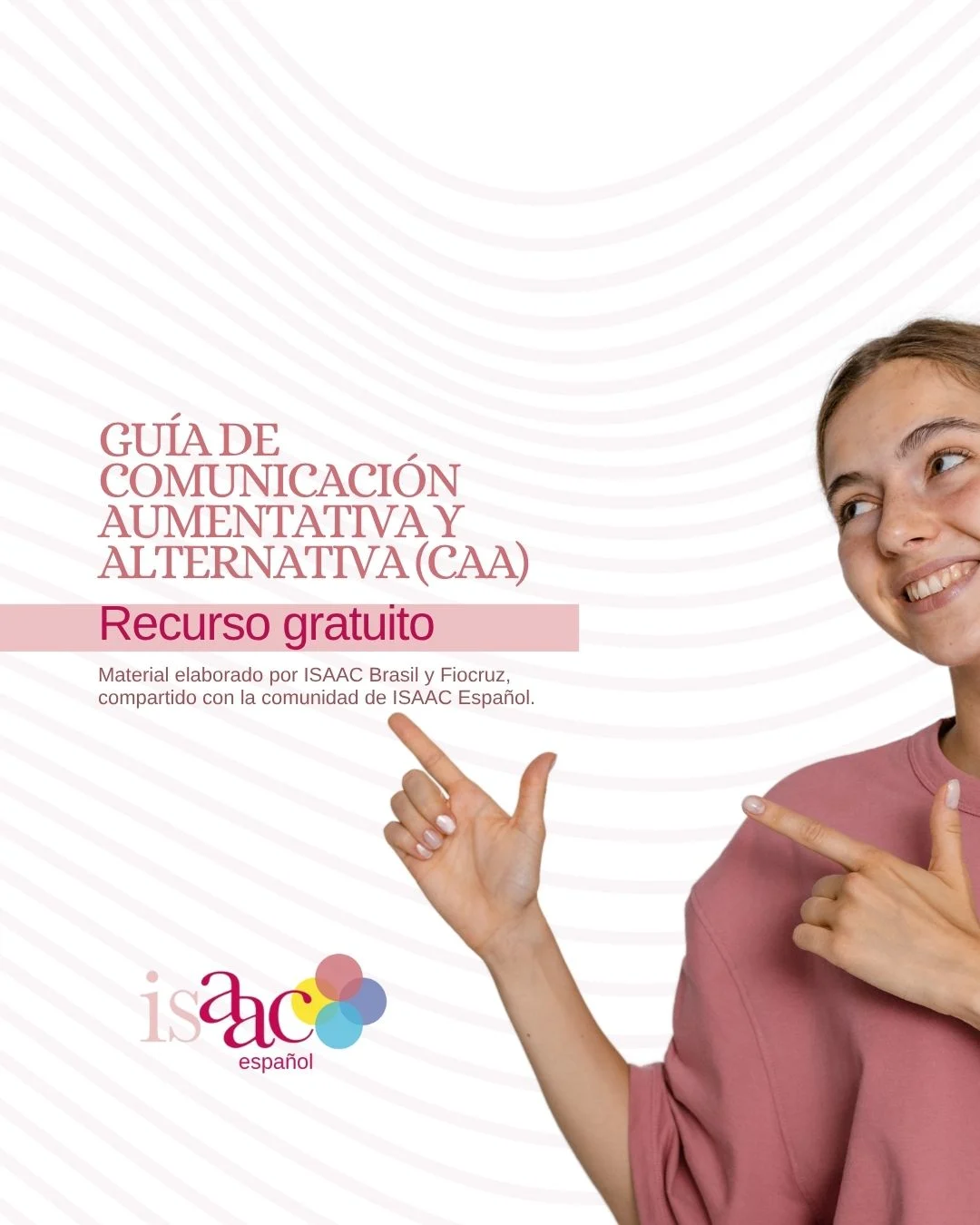
The Genesis of the Collaborative Initiative
The development of this guide originated from the recognition that while AAC technologies have evolved rapidly over the last decade, the distribution of high-quality, evidence-based educational material remains inconsistent across different regions. ISAAC Brazil, the regional chapter of the International Society for Augmentative and Alternative Communication, identified a critical need for a standardized, accessible introductory document.
Partnering with Fiocruz—a premier public health research institution in Brazil—allowed the project to leverage both clinical expertise and public health policy infrastructure. The original Portuguese manuscript was designed to serve as a foundational text for stakeholders who often lack access to formal training. Recognizing the vast potential for impact within Latin America and Spain, the project leads initiated a translation and localization process, ensuring that the terminology and cultural context remained accurate for the Spanish-speaking community.
Chronology of AAC Development and Outreach
The evolution of this guide follows a broader historical trend of increasing global attention to communication rights. In the early 2000s, AAC was largely perceived as a niche therapeutic intervention. However, over the past 25 years, international bodies—including the United Nations through the Convention on the Rights of Persons with Disabilities (CRPD)—have elevated communication as a fundamental human right.
- 2010–2015: Increased advocacy for inclusive education and the integration of AAC devices in public healthcare settings.
- 2018–2022: ISAAC chapters began standardizing digital resource sharing, moving away from localized print-only manuals toward universal digital access.
- 2024: Commencement of the joint research project between Fiocruz and ISAAC Brazil to distill complex clinical methodologies into a user-friendly public guide.
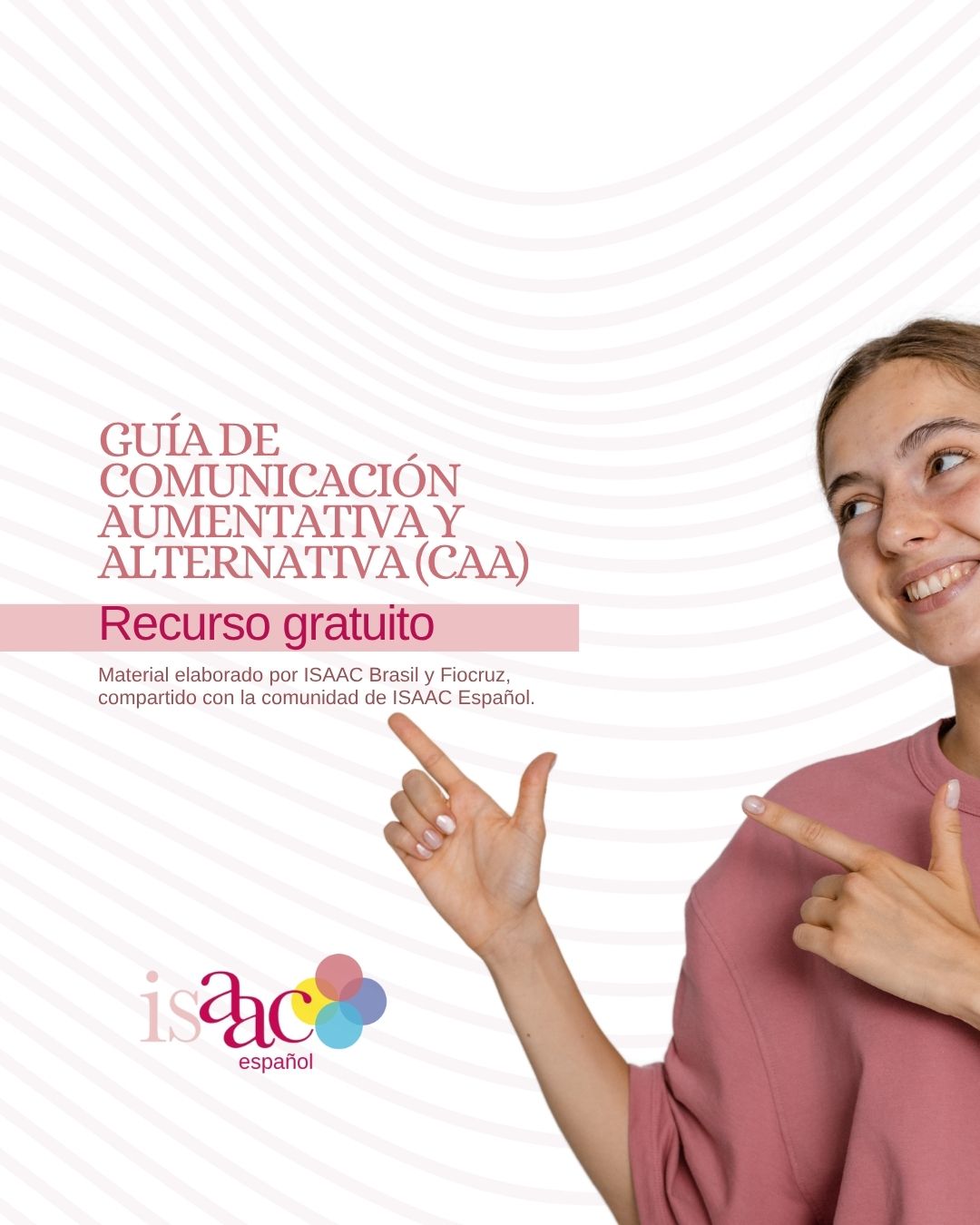
- April 2026: Official release of the bilingual resource, coinciding with global awareness initiatives for inclusive communication.
Data-Driven Need for Accessible Resources
The necessity for such a guide is underscored by global disability statistics. According to World Health Organization (WHO) estimates, more than 1 billion people live with some form of disability, a significant portion of whom experience communication barriers. Research indicates that early intervention with AAC systems correlates with improved long-term outcomes in academic performance, social integration, and psychological well-being.
Despite these benefits, surveys conducted by professional organizations suggest that in many regions, up to 70% of caregivers and service providers report a lack of confidence in implementing AAC systems. This gap is not necessarily due to a lack of technology, but rather a lack of "know-how"—the ability to implement communication strategies in daily life. By providing a free, open-access guide, the collaboration between ISAAC and Fiocruz addresses the "implementation gap" that frequently stalls progress in clinical and home environments.
Core Components of the Educational Framework
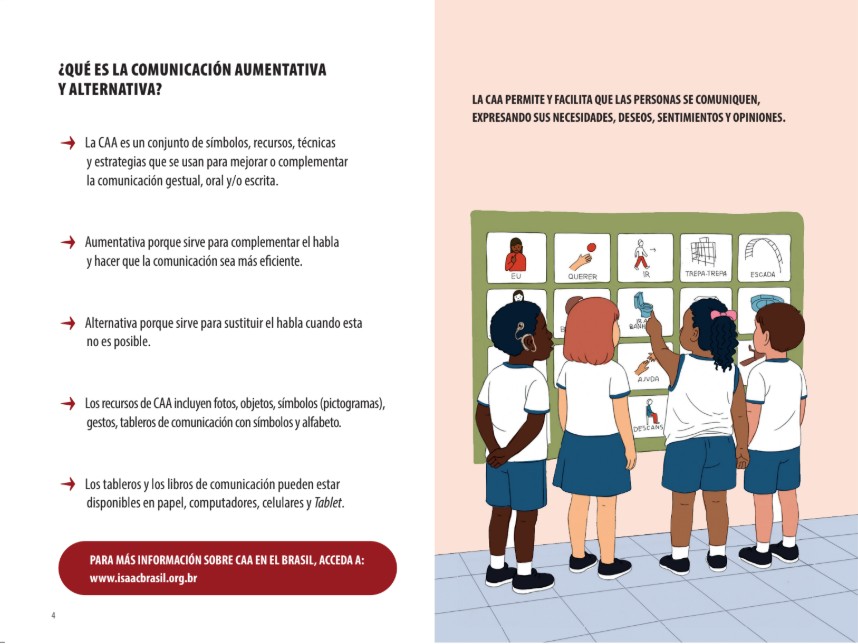
The guide is structured to demystify the complexities of AAC. Rather than focusing solely on hardware or software, it prioritizes the methodology of communication. Its content is organized into several key domains:

- Fundamental Rights: A legal and ethical overview of why every individual, regardless of their speech capabilities, is entitled to effective communication methods.
- AAC Concepts: A primer on the various types of AAC, ranging from "no-tech" (gestures, signs) to "high-tech" (dedicated speech-generating devices and apps).
- Implementation Strategies: Actionable advice for family members on how to model language for AAC users, emphasizing that communication is a two-way process.
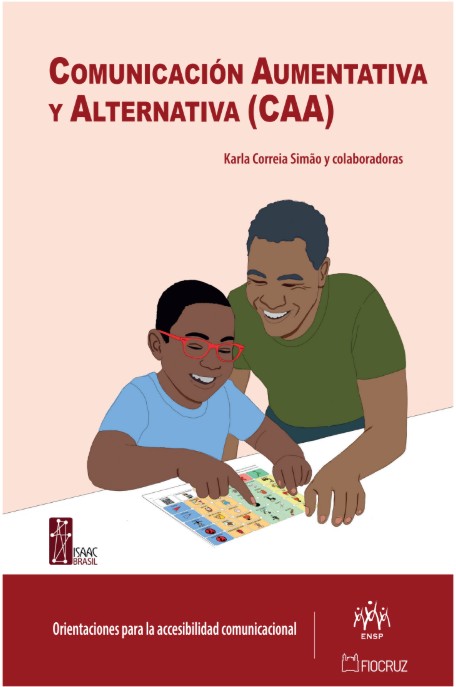
- Community Representation: A unique aspect of this guide is its commitment to inclusivity. The illustrations featured throughout the document represent real-life AAC users, ensuring that the guide reflects the diversity of the community it serves.
Reactions from the Professional Community
The release has been met with enthusiasm from international advocacy groups. While official statements from global health organizations are forthcoming, regional coordinators for ISAAC have highlighted the importance of "translated accessibility."
"The barrier is rarely the technology itself," noted one consultant involved in the regional rollout. "The barrier is often the perception that AAC is too complex for the average family to manage without constant professional oversight. This guide shifts the power back to the families, providing them with the tools to become the primary facilitators of their loved one’s communication."
The decision to make the guide available via a QR-code distribution system and social media platforms—such as Instagram and Facebook—reflects a modern approach to dissemination. By bypassing traditional publishing hurdles, the authors ensure that the information reaches users in remote or underserved areas where formal training might be unavailable.
Broader Impact and Long-term Implications
The launch of this guide serves as a case study for how non-profit and public health entities can collaborate to address global equity issues. The implications of this project are twofold:
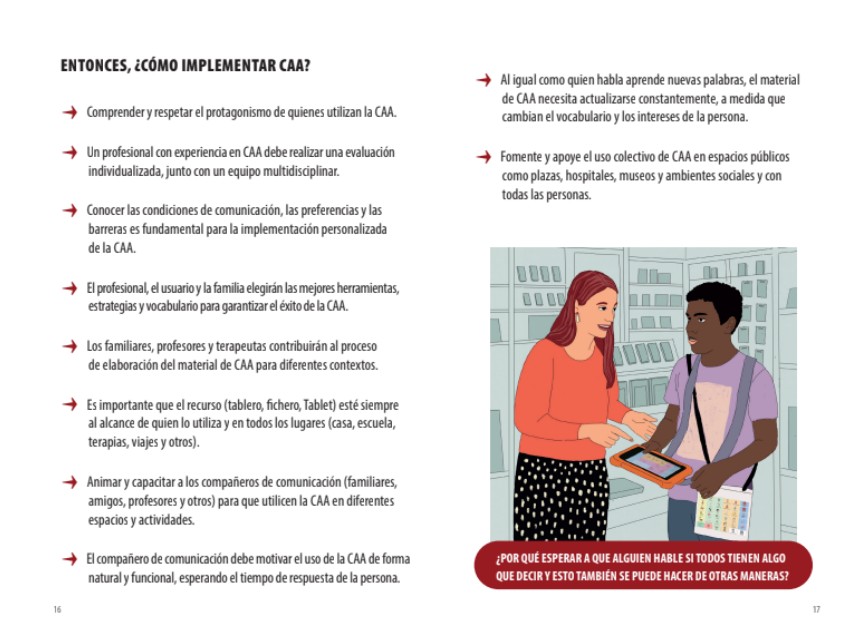
Standardization of Practice: By providing a common vocabulary and set of practices, the guide helps stabilize the quality of care across different clinics and schools. This is particularly vital in countries where there is no standardized curriculum for speech-language pathologists regarding AAC implementation.
Policy Influence: Projects of this magnitude often serve as evidence for policymakers. When a major institution like Fiocruz endorses a guide of this nature, it often prompts local governments to consider integrating AAC training into public health and education budgets.
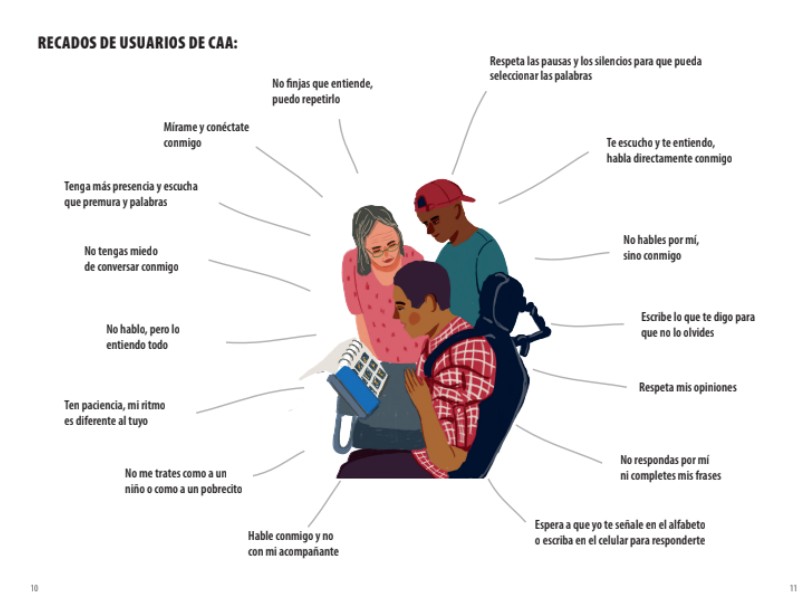
Societal Normalization: The use of real-life illustrations and the push for digital accessibility helps combat the stigma often associated with speech-generating devices. As more families and educators access this material, the presence of AAC in public spaces becomes increasingly normalized.
Future Directions
The success of this collaborative model suggests a potential roadmap for future iterations. As technology continues to evolve, the authors have indicated that the guide may be updated to include sections on artificial intelligence in AAC, the role of eye-tracking technology, and advanced brain-computer interfaces.

For the time being, the focus remains on ensuring the widest possible distribution of the current Spanish and Portuguese versions. ISAAC Spanish and their partners are currently coordinating workshops and digital seminars to assist parents and teachers in navigating the document.
The availability of this guide signifies a shift toward a more proactive, resource-rich environment for the AAC community. It reinforces the notion that the right to communicate is not merely a legal aspiration but a practical, daily reality that can be supported through intentional, collaborative, and accessible education. As the digital footprint of this resource grows, its impact will likely be measured by the increased number of individuals who are finally able to express their thoughts, needs, and identities through their chosen communication systems.