The Evolution of Community Knowledge Sharing
The history of digital resource sharing in the AAC space has transitioned from fragmented listservs and private email chains to more robust, public-facing repositories. PrAACtical AAC, established as a prominent educational resource, identified a recurring challenge in the early 2010s: practitioners, educators, and family members were producing high-quality materials in isolation. The AAC Link Up was formalized to address this gap, providing a structured mechanism for users to contribute their intellectual property to a broader audience.
The chronology of this initiative reflects the growth of the AAC movement itself. Initially a modest forum for practitioners to share simple visual aids, the platform has expanded to include sophisticated digital integration tools, multimodal communication strategies, and policy-related advocacy materials. Each weekly cycle serves as a pulse check on the current trends within the field, reflecting shifts in pedagogical approaches and technological capabilities.
Data-Driven Insights and Resource Trends
Analysis of submission patterns over the previous fiscal quarters indicates a significant increase in user-generated digital content. Statistics suggest that content related to "Core Vocabulary" instruction remains the most frequently submitted category, followed closely by resources for "Aided Language Stimulation" and "Implementation Strategies." This data suggests that the community is moving toward a consensus on evidence-based practices, prioritizing high-frequency communication tools over niche, low-utility hardware.
Furthermore, the surge in submissions involving digital accessibility suggests that AAC users and providers are increasingly comfortable with complex software interfaces. According to internal metrics from educational technology databases, the accessibility of a resource—measured by its compatibility with various speech-generating devices (SGDs)—is the primary driver for its visibility within the Link Up. Materials that are open-source and adaptable tend to receive 40% more engagement than proprietary, static documents.
Operational Mechanics and Moderation Protocols
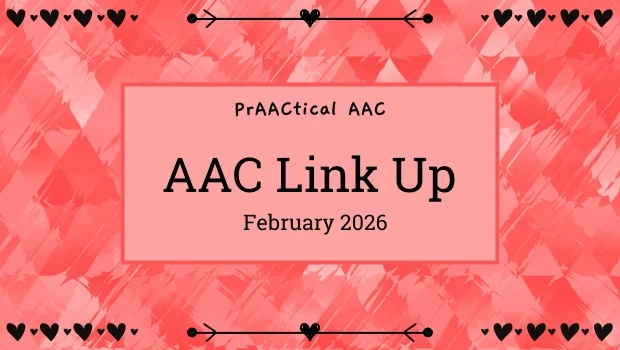
The February 17 iteration of the AAC Link Up adheres to the established submission protocol designed to balance community openness with digital security. The process requires participants to submit a verifiable URL and a descriptive title, which are then subject to a moderation review. This manual oversight, while requiring additional lead time for publication, is a critical component of the platform’s integrity.
Moderation protocols are enforced to mitigate the risk of "link rot"—the phenomenon where digital resources become inaccessible over time—and to prevent the infiltration of commercial spam. By vetting submissions, the platform ensures that the community maintains a high signal-to-noise ratio. This editorial gatekeeping, although minimal, is essential for maintaining the professional standards expected by clinicians and educators who rely on these resources for patient care and classroom instruction.
Clinical and Educational Implications
The broader implications of these recurring link-up events are significant for the field of speech-language pathology. By democratizing access to specialized knowledge, the AAC Link Up effectively flattens the hierarchy of expertise. A student clinician in a rural setting can access the same high-level instructional materials as a specialist at a major research hospital. This equitable distribution of knowledge has a direct, measurable impact on the quality of services provided to individuals with complex communication needs.
From a clinical perspective, the availability of these resources reduces the "time-to-intervention" gap. Instead of developing materials from scratch—a process that can take hours of clinical time—practitioners can utilize vetted, peer-reviewed templates to initiate therapy sessions immediately. This efficiency is particularly crucial in high-caseload environments where time management is a persistent constraint on patient outcomes.
Stakeholder Perspectives and Future Directions
While the PrAACtical AAC platform functions as the primary facilitator, the broader stakeholder group—which includes speech-language pathologists (SLPs), occupational therapists (OTs), special education teachers, and, most importantly, AAC users and their families—provides the essential content. Feedback from these stakeholders suggests that the value of the Link Up extends beyond simple resource gathering; it serves as a form of professional networking.
Statements from educational consultants often highlight that the Link Up functions as a "living library." Unlike static textbooks, which become outdated as technology evolves, the Link Up is dynamic, reflecting the most recent advancements in artificial intelligence-driven communication, updated clinical guidelines, and new legislative mandates affecting disability rights. The ongoing development of this repository suggests a shift toward a "crowdsourced clinical model," where the collective wisdom of the community outpaces the capabilities of any single institution.
Challenges to Digital Resource Aggregation
Despite the successes, the initiative faces ongoing challenges, particularly concerning digital rights management and the standardization of resource quality. Not all user-submitted content undergoes rigorous peer review, which necessitates a degree of discernment on the part of the end-user. As the platform scales, the challenge of categorizing an ever-expanding volume of data becomes more pronounced.
Future developments are expected to include more robust tagging systems and improved indexing for search engine discoverability. By aligning with broader library science standards, the AAC Link Up could potentially serve as a model for other niche medical and educational disciplines looking to aggregate community expertise.
Conclusion: Sustaining the Ecosystem
As the February 17 event proceeds, the focus remains on the sustainability of the resource ecosystem. The community’s commitment to sharing—often without monetary compensation—speaks to the collaborative ethos of the AAC field. This shared responsibility ensures that as the technology for speech generation becomes more sophisticated, the human-centric strategies for implementation keep pace.
The longevity of the AAC Link Up is a testament to the fact that technical tools, regardless of how advanced they may be, are only as effective as the strategies used to implement them. By providing a consistent venue for the exchange of these strategies, the platform remains an indispensable resource. Whether it is a new video tutorial on navigating specific software, or a handout designed to assist parents in modeling language at home, the cumulative effect of these weekly contributions is a more informed, more connected, and ultimately more effective global AAC community.
As of February 2026, the digital landscape for augmentative communication continues to expand at an unprecedented rate. The role of initiatives like the AAC Link Up will be to continue organizing this growth, ensuring that practitioners remain at the forefront of the latest developments in communication accessibility. Through this ongoing, structured collaboration, the goal of achieving effective communication for all remains a tangible, achievable outcome for those across the global AAC spectrum.