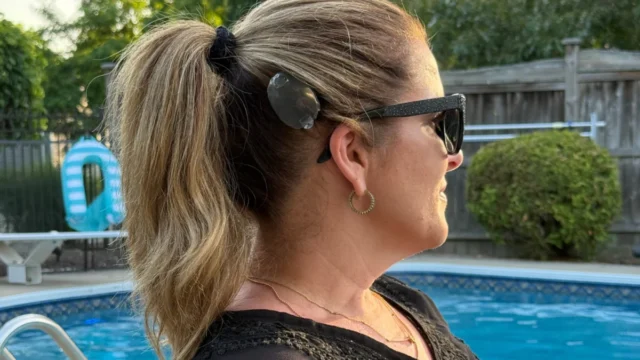
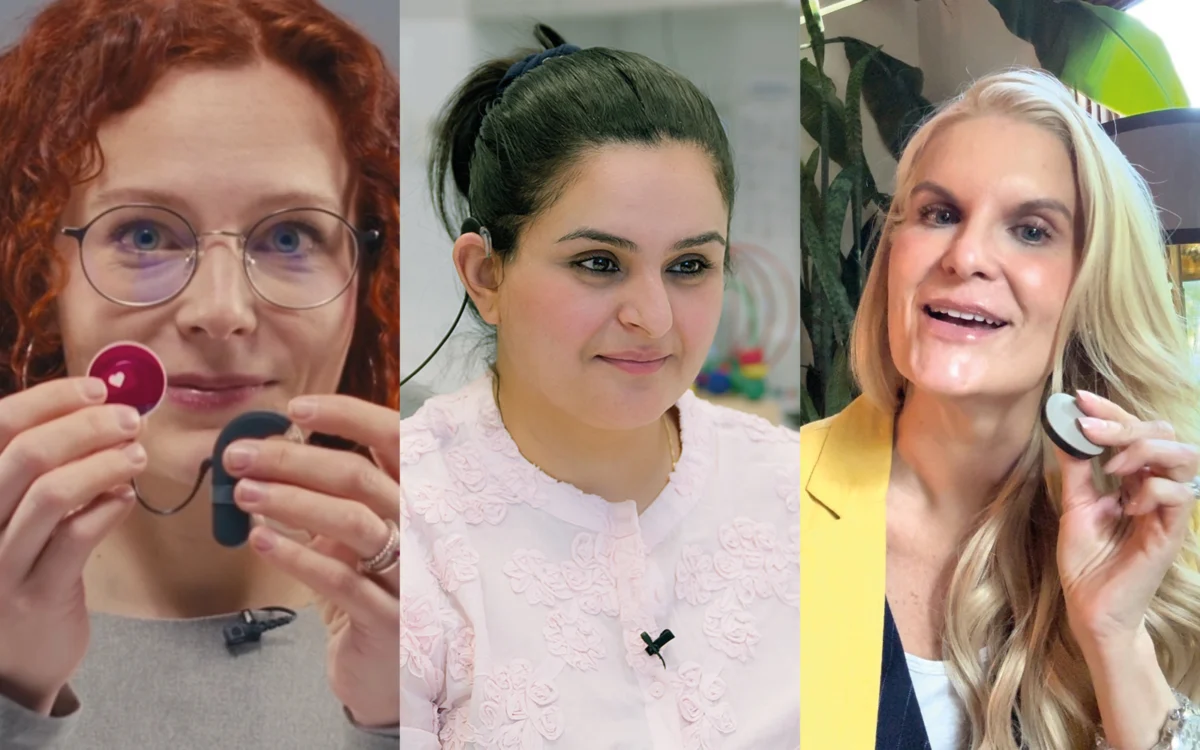
Three MED-EL cochlear implant users – Mariia, Nandini, and Tracie – have shared their transformative experiences with ABF, highlighting its capacity to deliver a more natural, comfortable, and ultimately, more integrated hearing experience. Their diverse backgrounds and hearing loss journeys underscore the universal appeal of a fitting strategy that respects the intricate biological blueprint of the inner ear.
The Science Behind Anatomy-Based Fitting
At its core, Anatomy-Based Fitting (ABF) is a paradigm shift in how cochlear implant sound processing is calibrated. Traditional fitting methods often rely on generalized models of the cochlea. In contrast, ABF employs post-operative imaging, such as high-resolution computed tomography (CT) scans, to meticulously map the precise location of each electrode contact within the patient’s individual cochlea. This anatomical data is then integrated with MED-EL’s proprietary OTOPLAN software, a sophisticated tool designed to assist audiologists in aligning frequency information with the specific placement of these electrodes.
The natural auditory system organizes sound by pitch along the length of the cochlea, a principle known as tonotopy. ABF aims to replicate this natural organization more faithfully by ensuring that the electrical stimulation delivered by the cochlear implant corresponds precisely to the frequency ranges naturally associated with those electrode positions. This meticulous alignment is designed to create a more intuitive and less cognitively demanding auditory perception, bringing the sound experience closer to that of unaided hearing.
User Testimonials: A Tapestry of Enhanced Hearing
The impact of ABF is best understood through the lived experiences of those who have embraced it. Mariia, a neuroscientist and bilateral cochlear implant user hailing from Russia, had previously used a conventional fitting approach for years on one side. Her transition to ABF brought about a profound sense of comfort. The subtle, persistent incongruity she had perceived in her own voice for years vanished, replaced by a natural resonance. Similarly, her appreciation for music deepened, with sounds now perceived as fuller and more nuanced. For Mariia, ABF did not represent a radical departure from hearing, but rather the removal of an intangible barrier, fostering an effortless and familiar auditory landscape.
Nandini, a bimodal user from the United Kingdom who has lived with progressive hearing loss throughout her life, noticed the benefits of ABF almost immediately. She described the sound as less tinny and robotic, experiencing a smoother, more fluid auditory input that was less taxing on her cognitive resources. The change extended beyond the quality of sound itself, influencing her entire embodied experience of listening. She characterized it as a profound sense of relief, akin to her auditory system finally being able to fully relax and process information without undue effort.
Tracie, a cochlear implant recipient in the United States with single-sided deafness resulting from a sudden, acute hearing loss, offered a unique perspective. Initially, after months of relying on a default mapping, the implementation of ABF required a period of renewed adaptation and focused effort. However, Tracie persevered, recognizing the inherent potential of the technology. Over time, ABF enabled her cochlear implant to work in greater harmony with her natural hearing ear, significantly enhancing comfort and leading to a perception of sound quality that she described as remarkably natural. This improved integration between her unaided and implanted ears fostered a more cohesive and robust auditory experience.
The "Wow" Moments: Redefining Auditory Perception
The most compelling evidence for ABF’s efficacy often emerges from seemingly ordinary moments that are imbued with newfound auditory richness. For Mariia, a significant "wow" moment was the simple yet profound recognition of her own voice sounding unequivocally like "her." The constant presence of one’s own voice means even minor discrepancies can feel jarring. ABF resolved this subtle dissonance for her. Furthermore, she observed that environmental sounds on her newly implanted side seemed to approach natural perception more rapidly compared to her previous fitting.
Nandini’s unforgettable experience involved not just the audible cue of a soda can being opened, but also the delicate, almost forgotten "fizz" of the beverage. This detailed perception of tiny bubbles and the textural nuances of sound underscored a return to a more natural auditory experience, moving away from the artificiality she had previously associated with her implant.
Tracie’s "wow" moment unfolded in a bustling, noisy environment. Instead of feeling overwhelmed by a cacophony of layered sounds, she observed her brain actively beginning to organize the auditory input. This shift transformed complex listening from an exhausting endeavor into a purposeful activity, fostering new auditory skills and bolstering her confidence in challenging acoustic situations. This highlights ABF’s potential to enhance not just the fidelity of sound but also the brain’s capacity to process and interpret it.
Adapting to a New Auditory Reality: The Role of Brain Plasticity
While ABF is designed to be highly personalized, its full benefits are not always instantaneous. MED-EL emphasizes that while the fitting is meticulously tailored, the brain still requires time to adapt and learn to interpret the new auditory signals. The user experiences underscore this crucial point:
- Mariia’s adaptation was relatively swift, occurring within days of the ABF fitting. Her familiarity with cochlear implant technology likely contributed to this rapid adjustment period.
- Nandini’s journey to her optimal listening experience spanned several months. Her lifelong progressive hearing loss and potentially a more complex auditory pathway might have contributed to a longer adaptation timeline.
- Tracie’s experience involved a deliberate period of adjustment, described as a "temporary reset" that necessitated active listening practice, patience, and unwavering commitment. Her single-sided deafness and the integration of her implant with her remaining natural hearing likely required a more intensive recalibration process.
Across these varied experiences, a consistent message emerges: while ABF provides a superior foundation, the user’s active engagement with the listening process remains paramount. This highlights the enduring importance of brain plasticity and the brain’s remarkable ability to rewire itself in response to new sensory input.
The Broader Implications of Anatomy-Based Fitting
The growing body of evidence from users like Mariia, Nandini, and Tracie suggests that ABF offers significant advantages:
- Enhanced Naturalness and Comfort: By more closely aligning sound processing with the cochlea’s natural tonotopic organization, ABF reduces cognitive load and fosters a more comfortable, less effortful listening experience. This translates to greater ease in daily communication and a reduced sense of auditory fatigue.
- Improved Speech Understanding in Noise: While not explicitly detailed in every testimonial, the enhanced organization of sound by ABF can logically lead to improved ability to discern speech in noisy environments. By presenting sound in a more natural, tonotopically organized manner, the brain may be better equipped to filter out extraneous noise and focus on relevant auditory signals.
- Greater Music Appreciation: For many cochlear implant users, music can remain a challenging auditory domain. The increased fidelity and naturalness afforded by ABF can unlock a richer and more nuanced appreciation of musical compositions, bringing back textures and details that were previously lost.
- Increased Confidence and Quality of Life: The cumulative effect of more natural hearing, improved comfort, and better communication in various settings leads to a significant boost in confidence. This translates to greater engagement in social activities, professional settings, and a generally improved quality of life.
A Personalized Approach to Auditory Restoration
Ultimately, Anatomy-Based Fitting embodies a core philosophy: hearing should be as unique and individual as the person experiencing it. By meticulously accounting for the intricate anatomy of each cochlea, ABF moves beyond a one-size-fits-all approach. This personalized calibration promises to bring the hearing experience with a cochlear implant closer to the ideal of natural hearing, not just in terms of technical performance but in the subjective, qualitative feeling of sound.
For Mariia, Nandini, and Tracie, this shift has been profound, fundamentally altering how they perceive sound, interact with others, and engage with the world around them. It underscores the notion that sometimes, the most significant advancements are not about simply hearing more, but about hearing in a way that finally, and unequivocally, feels right. The continued development and adoption of technologies like ABF signal a promising future for cochlear implant recipients, where the goal is not merely to restore hearing, but to restore a deeply personal and natural connection to the auditory world.