Microtia, which refers to the underdevelopment of the pinna (the external ear), and atresia, the absence or narrowing of the ear canal, frequently co-occur. When these conditions affect one ear, they result in unilateral hearing loss (UHL) or single-sided deafness (SSD). For decades, the medical and educational consensus often marginalized UHL, operating under the assumption that a single "good" ear was sufficient for normal development. However, contemporary pediatric audiology and developmental psychology have overturned this perspective, revealing that even mild to moderate UHL can create significant hurdles in acoustic processing, spatial awareness, and social-emotional growth.
The Developmental Implications of Unilateral Hearing Loss
The challenges faced by children with UHL are most pronounced in environments characterized by competing background noise, such as classrooms, playgrounds, or busy family settings. Sound localization—the ability to identify the origin of a noise—is significantly impaired when a child relies on a single ear. This deficiency can lead to increased cognitive load; the brain must exert extra effort to filter and process auditory information, a phenomenon known as listening fatigue.
Data from the American Academy of Audiology and other hearing health organizations indicate that children with UHL are at a statistically higher risk for academic difficulties, including grade retention and the need for additional educational support services. Without intervention, these children may struggle to distinguish speech from ambient noise, potentially impacting their vocabulary acquisition, syntax development, and participation in peer-to-peer social dynamics. The cumulative effect of these challenges can manifest as early frustration, withdrawal from social settings, and a diminished sense of self-advocacy.
Chronology of Care: A Case Study in Early Intervention
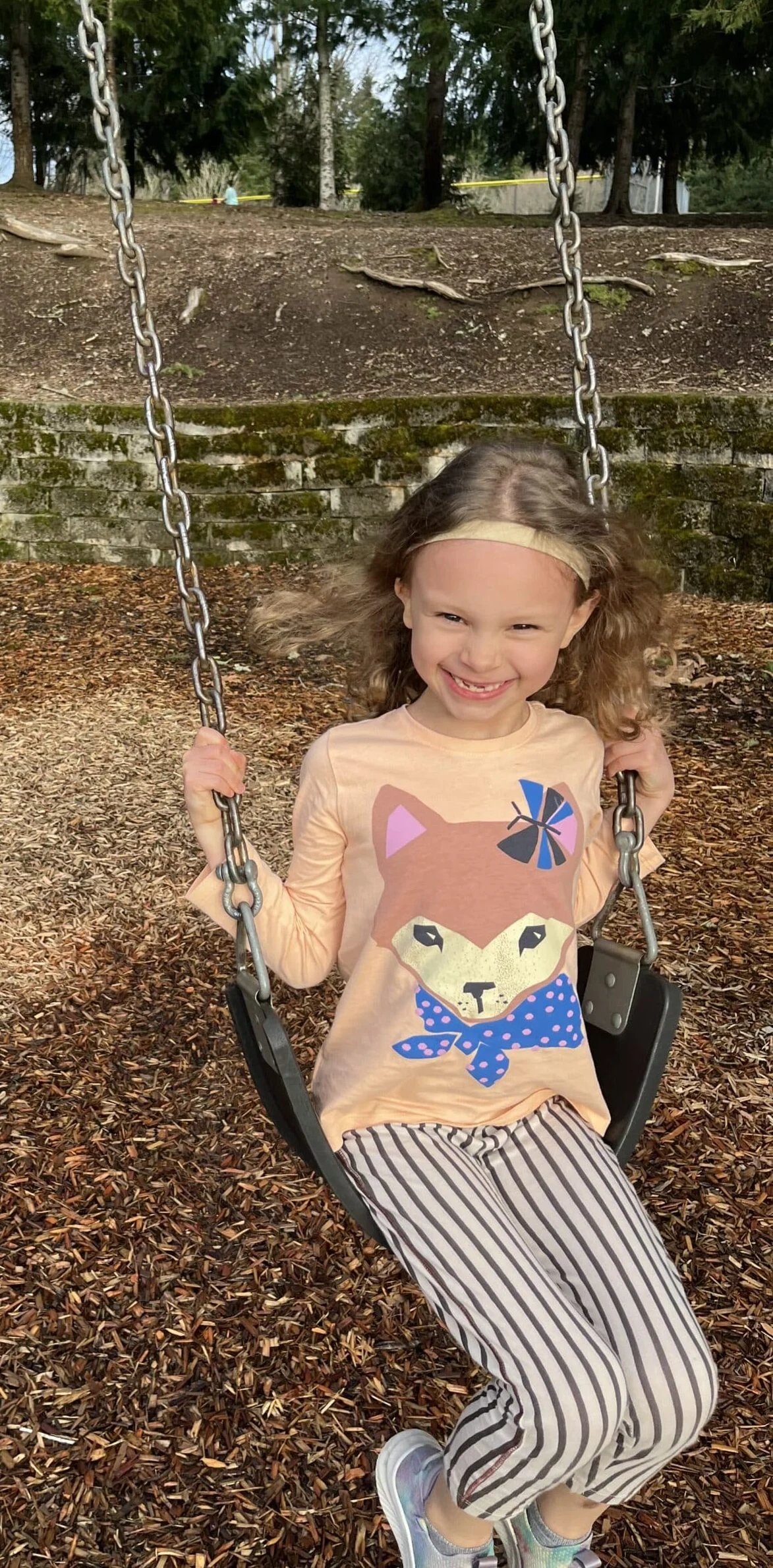
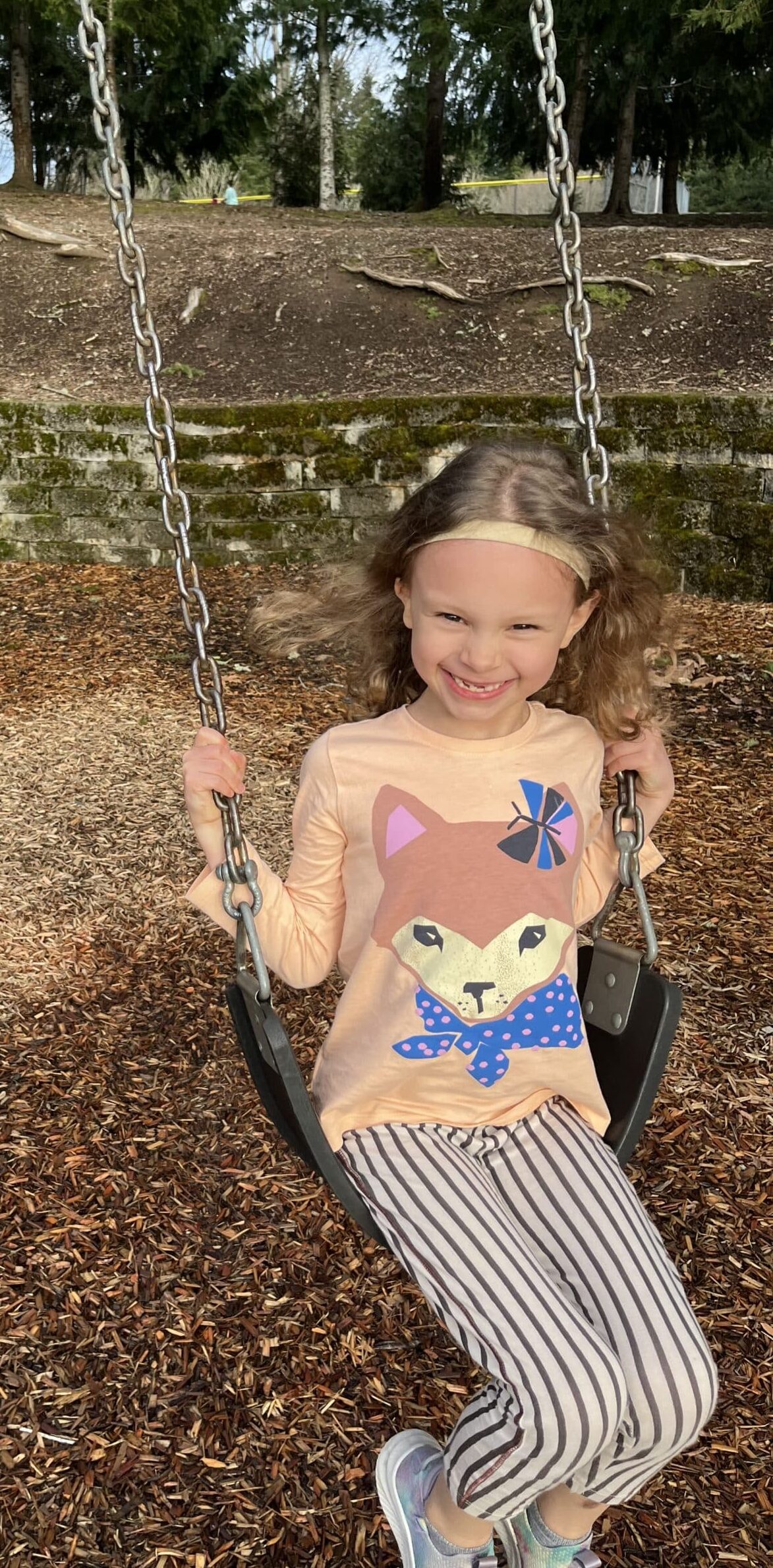
The journey for families often begins shortly after birth. In the case of Adeline, a young girl who has become a prominent face for advocacy in this space, the diagnosis of unilateral moderate-to-severe conductive hearing loss occurred at just five weeks of age. Subsequent imaging conducted at age four confirmed the anatomical reality: the absence of an ear canal and the fusion of the middle ear bones to the skull, a classic presentation of atresia.
The timeline for successful intervention, according to specialists at organizations like Listen and Talk, begins as early as possible. For Adeline’s family, the initial phase involved navigating a complex landscape of audiological testing and medical consultation. By engaging with LSL professionals early, the family transitioned from a state of diagnostic uncertainty to one of proactive management.
LSL education represents a specialized methodology that emphasizes the use of residual hearing, often augmented by hearing technology like bone-anchored hearing systems, to develop spoken language. The strategy is not merely to provide equipment, but to coach parents and educators on creating an "auditory-first" environment. By optimizing sound access and using targeted teaching strategies, LSL providers help children bridge the gap between their hearing capabilities and their communicative potential.
Expert Perspectives and Educational Frameworks
Educational experts emphasize that the role of an LSL specialist extends beyond the child to the entire family unit. "Listen and Talk stepped in alongside our family as we were navigating a new diagnosis that we knew nothing about," says Jessie, Adeline’s mother. "They provided us with the resources to inform our decision-making and helped us navigate systems that were, at the time, entirely foreign to us."
The effectiveness of this approach is supported by the neuroplasticity of the developing brain. During the first few years of life, the auditory cortex is particularly receptive to stimulation. By ensuring that a child receives consistent, high-quality auditory input, LSL programs foster the development of neural pathways that allow for robust language acquisition.
Research conducted on outcomes for children with UHL underscores that early, consistent intervention correlates with higher literacy rates and better social adjustment in elementary school. The shift from "treating" a disability to "empowering" a student is central to the LSL philosophy. This involves teaching the child to be their own advocate—a process that evolves from the parents’ early advocacy to the child’s eventually asserting their needs for seating arrangements, volume levels, or device maintenance in a classroom setting.
The Broader Impact: From Diagnosis to Achievement
The long-term implications of these interventions are evident in the progress of children like Adeline, who has successfully transitioned into a thriving first-grade student in a public school setting. Her participation in extracurricular activities, such as the school choir, serves as a testament to the efficacy of early support.
However, the success of these programs relies heavily on public awareness and sustained funding. Organizations such as Listen and Talk, Washington Hands and Voices, and the Ear Community serve as essential nodes in a network of support that connects families to pediatric audiologists, speech-language pathologists, and legislative advocates.
The societal impact of supporting children with microtia and atresia is significant. By removing the barriers to communication, these children are able to participate fully in society, contributing their unique perspectives and skills. The goal, as defined by many of these organizations, is to ensure that "no child is limited by hearing loss." This vision requires a multi-faceted approach:
- Early Detection: Ensuring newborn hearing screenings are followed up with comprehensive diagnostics.
- Accessible Education: Providing LSL training and resources to parents and educators, particularly in rural or underserved areas.
- Technological Integration: Improving insurance coverage and access to modern hearing technologies, such as bone-anchored devices.
- Community Support: Reducing the stigma associated with physical differences through public education initiatives like National Microtia Atresia Awareness Day.
Looking Toward the Future
As the medical community continues to refine surgical interventions for microtia and atresia, the role of LSL remains the cornerstone of developmental success. The intersection of technological advancement and therapeutic support creates a pathway for children to navigate their environment with confidence.
For parents currently receiving a diagnosis, the advice from those who have navigated the path is clear: seek out professionals who specialize in LSL and connect with local support networks early. The complexity of the condition does not have to dictate the child’s future. Through the combination of early intervention, parental advocacy, and a commitment to communication, children with microtia atresia are proving that they can excel academically and socially.
As we observe this awareness day, the broader call to action involves a commitment to funding and policy advocacy. Whether through direct donations to non-profit organizations that provide therapy or by participating in awareness initiatives, the public plays a role in sustaining the infrastructure that makes these success stories possible. The investment made in the first five years of a child’s life with hearing loss pays dividends throughout their adulthood, ensuring they have the tools to communicate, connect, and thrive in an auditory-reliant world. By normalizing the conversation around hearing loss and advocating for equitable access to resources, society moves closer to a future where every child’s potential is fully realized, regardless of their anatomical starting point.