The Clinical Context of Auditory Neuropathy Spectrum Disorder
Auditory Neuropathy Spectrum Disorder (ANSD) represents a unique challenge in audiology. Unlike traditional sensorineural hearing loss, where the inner ear’s hair cells are damaged, individuals with ANSD often have healthy hair cells, but the transmission of sound signals from the inner ear to the brain is disrupted or dyssynchronous. According to the National Institute on Deafness and Other Communication Disorders (NIDCD), this condition can present as a wide spectrum of symptoms, ranging from mild difficulty understanding speech in noisy environments to profound deafness.
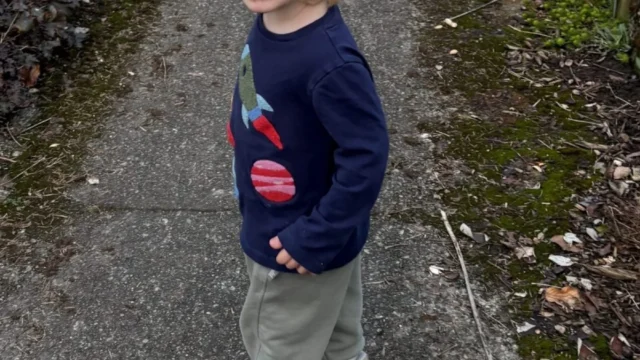
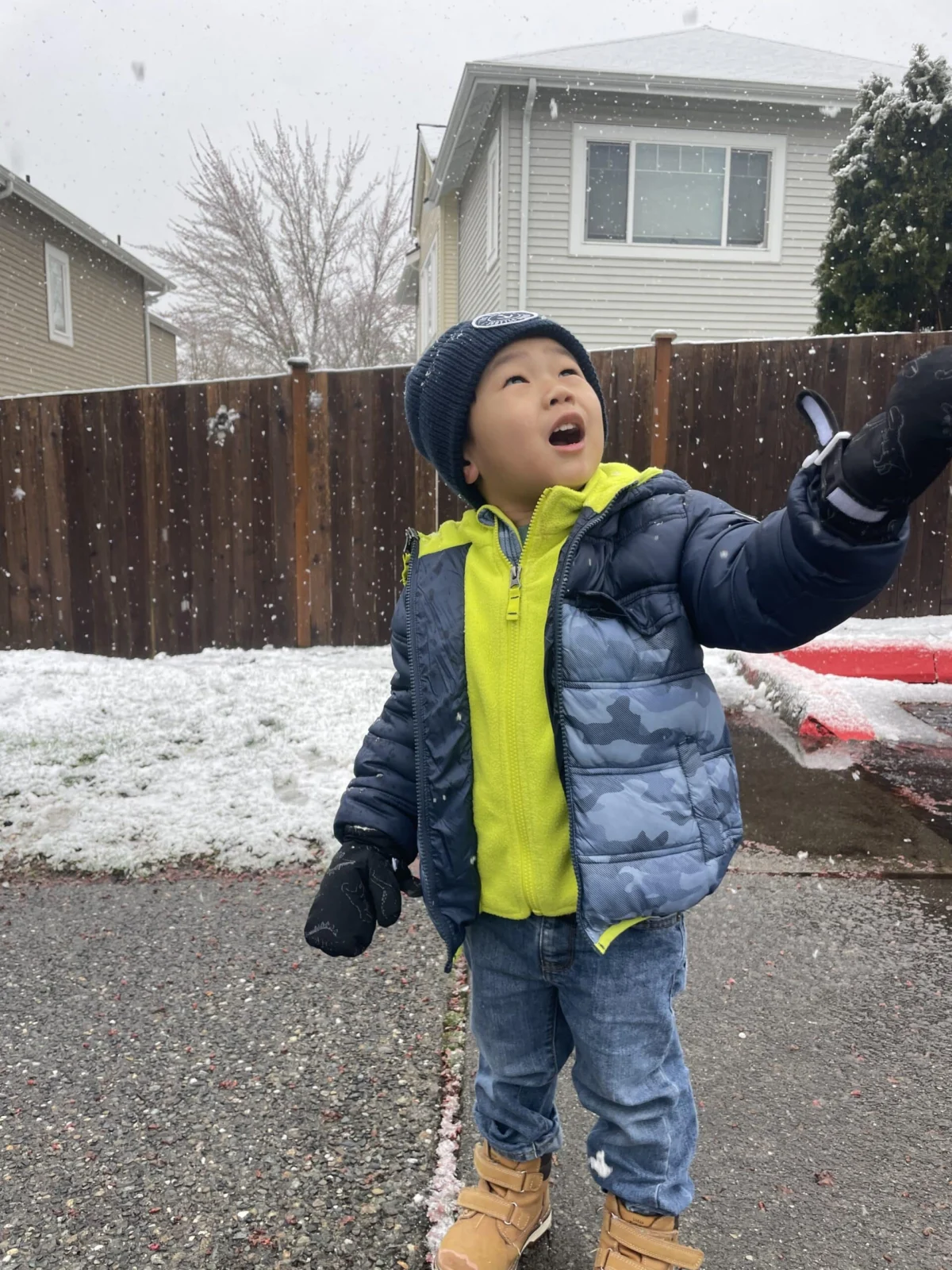
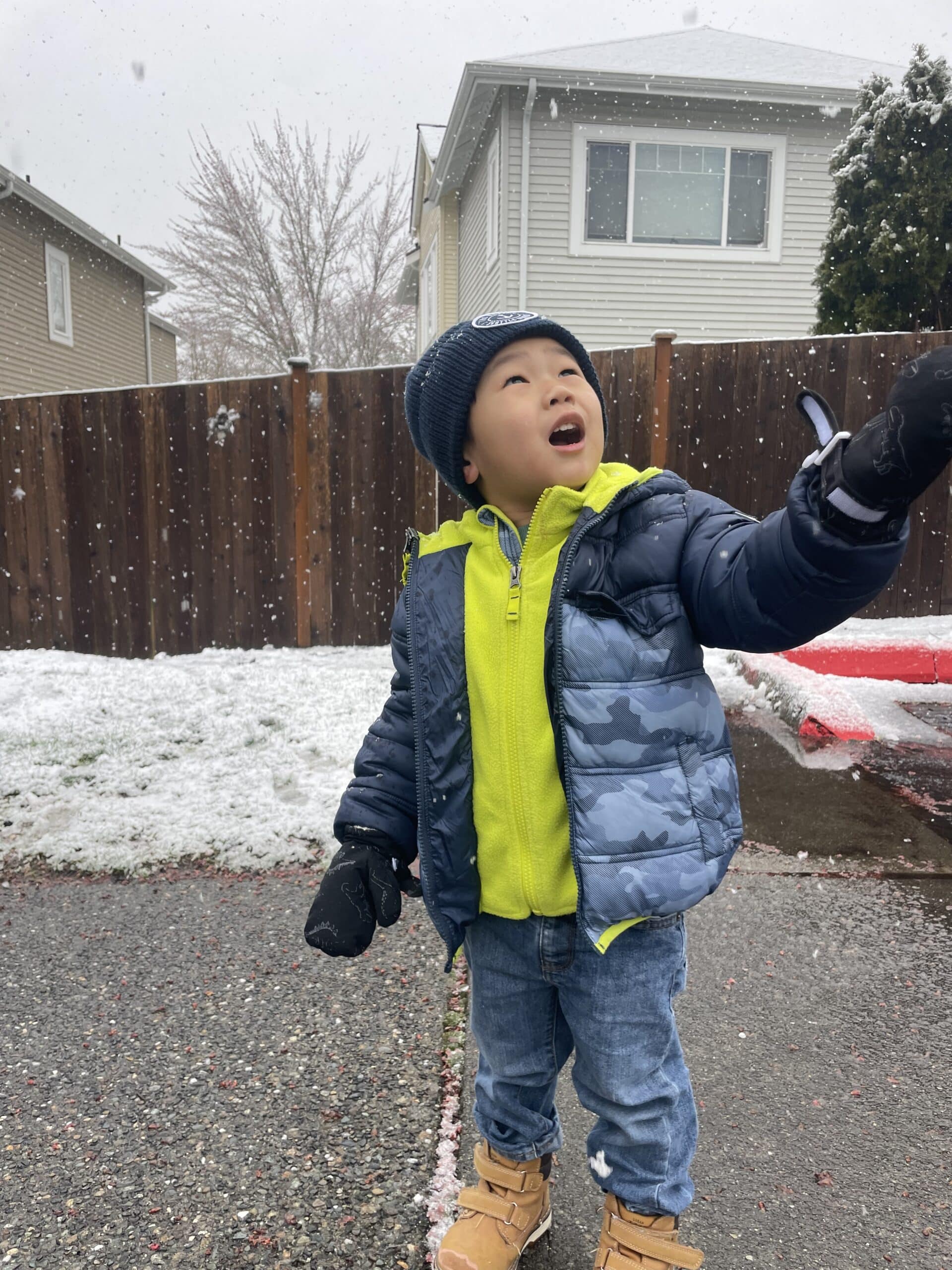
For Raiden, the diagnosis necessitated immediate audiological support. The primary objective in such cases is to bridge the gap between sound reception and cognitive processing. By utilizing hearing amplification technology—specifically a hearing aid in the right ear—the goal is to provide consistent auditory input that facilitates the development of neural pathways essential for language acquisition. Research indicates that the first three years of life are the most critical for brain development, particularly in the areas of speech and language. When a child experiences hearing loss during this window, early intervention is not merely beneficial; it is a clinical imperative.
Chronology of Intervention and Educational Transition
The decision-making process for families of children with hearing loss is frequently fraught with logistical and emotional considerations. For Raiden’s family, the initial phase involved medical testing and the adoption of hearing aids. However, as the child approached preschool age, the focus shifted from clinical management to academic and social integration.
The family initially evaluated local preschool options, weighing the proximity of neighborhood schools against the specialized requirements of Raiden’s condition. Despite a commute of nearly an hour, the family ultimately chose to enroll him in the Listen & Talk Blended Classroom program. This transition was driven by several key factors observed during a summer site tour:
- On-site Audiology Infrastructure: The presence of dedicated audiology booths allows for real-time adjustments and monitoring, minimizing the delay between identifying a technical issue and rectifying it.
- Classroom Amplification Systems: The use of advanced FM or digital modulation systems ensures that the teacher’s voice is delivered directly to the child’s hearing device, overcoming background noise—a significant hurdle for children with ANSD.
- Advocacy Training: The curriculum emphasizes self-advocacy, teaching children how to communicate their hearing needs to educators and peers, a skill set that significantly improves long-term academic retention.
Data-Driven Success in Language Development
The effectiveness of the Blended Classroom model is measured through quantitative and qualitative markers of linguistic progress. In the case of Raiden, the results within a few months of enrollment have been statistically and developmentally significant. The child progressed from limited, single-word utterances to consistent usage of three-to-four-word phrases. Furthermore, he transitioned from a passive listener to an active participant who initiates conversations.
These milestones are consistent with broader data regarding "Auditory-Verbal" therapy. Studies published in journals such as Pediatrics suggest that children with hearing loss who are placed in language-rich, inclusive environments exhibit language skills on par with their typically hearing peers by the time they reach school age, provided that the intervention is consistent. The reduction in "ear defensiveness"—a common sensory processing issue where children may reject wearing hearing devices—is also a critical indicator of success, reflecting a decrease in the psychological and physical stress associated with amplification technology.
The Mechanics of the Blended Classroom Model
The Blended Classroom model is predicated on the integration of students with hearing loss and their typically hearing peers. This structure serves a dual purpose: it provides the necessary clinical support for the hard-of-hearing child while fostering social normalization.
In this environment, children with hearing loss are periodically pulled out for specialized speech-language pathology sessions, ensuring that they receive intensive therapy without being socially isolated from their peer group. This model addresses a common criticism of traditional special education: the potential for "siloing" students, which can hinder the development of social pragmatics. By interacting with typically hearing peers, students with hearing loss are motivated to develop communication strategies that are robust enough to navigate real-world environments.
Implications for Public Policy and Early Education
The success of programs like those at Listen & Talk suggests a need for a broader evaluation of how public school districts handle early intervention. Currently, the landscape of special education is heavily influenced by the Individuals with Disabilities Education Act (IDEA), which mandates "Least Restrictive Environment" (LRE) placements. However, the definition of LRE is increasingly debated; for some, it means a traditional classroom with an interpreter, while for others, it means a specialized setting that provides the high-frequency auditory feedback necessary for long-term language development.
Analysis indicates that early investment in these specialized programs results in a lower long-term cost to the public school system. Children who receive robust early intervention are less likely to require intensive remedial services in elementary and secondary school, and they demonstrate higher rates of graduation and workforce participation.

Funding and Sustainability
The reliance on social impact enterprises and private donations to sustain these programs underscores a gap in current public funding models. While medical services for hearing loss are often covered by insurance, the educational support—specifically the high-tech classroom equipment and specialized staff training—often falls outside the scope of traditional medical reimbursement.
As organizations like Listen & Talk seek to expand their reach, the reliance on private philanthropy remains a critical pillar. The funds raised through public donations directly support:
- Early Intervention Services: Providing developmental screening for infants and toddlers.
- Parent Education: Equipping families with the tools to manage hearing loss at home, which is statistically proven to double the rate of language progress.
- Technological Upgrades: Keeping pace with the rapid evolution of hearing aid and cochlear implant technologies.
Conclusion: Moving Toward a Future Without Limits
The progress observed in students like Raiden serves as a microcosm for the larger movement in pediatric audiology: a shift from viewing hearing loss as a deficit to be accommodated to a condition to be managed through active, early, and continuous intervention. By combining clinical precision with an inclusive, social-first educational environment, these programs are effectively altering the developmental trajectory of children who might otherwise fall behind.
The ultimate vision of such institutions—that "no child is limited by hearing loss"—is increasingly attainable. However, achieving this requires a multi-stakeholder approach involving medical providers, educators, policymakers, and private donors. As technology continues to improve and the efficacy of early intervention becomes more widely documented, the pressure to integrate these high-standard, blended environments into the broader educational landscape will likely grow. For now, the success stories emerging from classrooms demonstrate that when the right resources are provided at the right time, the potential for communication and cognitive growth is boundless.